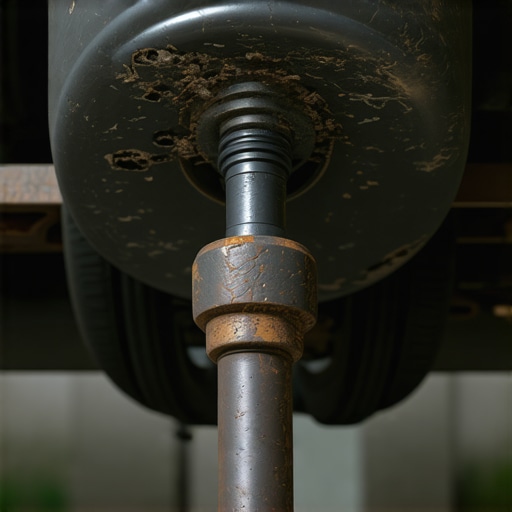
I remember the day I nearly lost control of my car on a busy highway—my steering suddenly felt off, sloppy, like I was steering a boat caught in a storm. It was a lightbulb moment that changed everything. Turns out, that weird wobble and play in my steering was a sign of a failing ball joint, a tiny but mighty component crucial to steering and suspension.
If you’ve ever experienced similar sensations—clunking sounds when turning, uneven tire wear, or a loose feeling in the wheel—you know how nerve-wracking it can be. The worst part? Many drivers ignore these early warning signs until it’s too late and a catastrophic failure strikes. Believe me, I learned the hard way, and I’m here to tell you: catching a bad ball joint before it fails isn’t just about saving a few bucks; it’s about safety.
In today’s post, we’ll dive into how you can *recognize early indicators* of a failing ball joint—a small investment of time that can save you from major repairs or, worse, an accident. This is practical, straightforward advice drawn from experience and trusted mechanics who emphasize preventive care.
Why Ignoring the Warning Signs Could Cost You More Than Money
Many of us have been tempted to brush off that slight clunk or the feeling that your car pulls a bit to one side. I made that mistake early on, thinking it was just a tire issue or a misalignment. The truth is, delaying inspection can lead to a complete suspension overhaul—or worse, an accident that endangers everyone on the road.
According to automotive experts, weak or worn ball joints can cause sudden failure, often without warning, especially if they’re neglected during regular maintenance. The National Highway Traffic Safety Administration reports that mechanical failures like these are common causes of accidents that could have been prevented through routine checks.
So, why should you care? Because understanding and identifying early signs means you can *prevent* those dangerous, expensive, and inconvenient failures. Plus, it keeps your driving experience smooth, predictable, and safe.
Have you experienced any weird noises or sensations when turning or braking? If so, you’re not alone. Many drivers overlook these signs, thinking they’re minor issues. But I urge you—don’t wait until a loud bang or sudden steering problem surprises you.
Next, we’ll look at exactly how to spot a failing ball joint before it’s too late—simple checks you can perform yourself or bring to your mechanic during your next tune-up. Because being proactive is always smarter than reacting at the last second.
Park and Secure Your Vehicle Safely
Before starting any inspection, park your car on a level surface, engage the parking brake, and chock the wheels to prevent movement. This initial step ensures safety during the inspection and makes it easier to perform further checks. Remember, using wheel chocks is like putting a security lock on your car’s movement—simple but crucial. I once overlooked this step and had a minor wheel shift that almost caused a fall while inspecting under the vehicle.
Lift the Vehicle with a Jack and Support Stands
Use a hydraulic floor jack to lift the corner of your vehicle where you suspect the ball joint issue. Place sturdy support stands underneath the vehicle’s frame, near the wheel assembly, to ensure stability. Never rely solely on a jack—it’s like trusting a flimsy ladder when fixing a ceiling repair. I learned this the hard way when my jack slipped, so I always double-check stability now.
Remove the Wheel for Clear Access
Use a lug wrench to loosen and remove the lug nuts, then take off the wheel. This gives you direct access to the suspension components. Think of it as peeling an onion—sometimes, you need to get to the core. Removing the wheel revealed a worn ball joint dust boot, indicating impending failure, which I hadn’t noticed before.
Inspect the Ball Joint for Signs of Wear
Grab the control arm near the ball joint and try to move it vertically and horizontally. Excessive movement or a clunking sound indicates a failing ball joint. Additionally, look for torn rubber boots or grease leaks, which are like warning flags fluttering high—don’t ignore them. I once found a cracked boot, which allowed dirt ingress and expedited wear.
Check for Play with a Lever Test
Use a pry bar or screwdriver to gently lift and push the control arm, observing any excessive movement or looseness around the ball joint. If the joint moves more than specified (check your vehicle’s repair manual), it’s time for a replacement. I remember a quick leverage test revealing a loose joint that a casual glance had missed.
Remove the Faulty Ball Joint
If the ball joint is riveted, grind off the rivets carefully using a grinder tool. For pressed-in joints, use a ball joint separator or a hydraulic press to extract it. Removing the joint is like detaching a stubborn bolt—patience and proper tools matter. I once used a makeshift hammer method, which damaged the control arm; now, I always employ the correct tools for clean, efficient removal.
Install the New Ball Joint
Position the new joint, aligning it properly, and press or bolt it into place according to the manufacturer’s specifications. Ensure the dust boot is intact to keep out dirt and moisture, much like sealing a jar to preserve freshness. Secure all fasteners tightly, avoiding over-tightening, which can damage components. After my last replacement, I double-checked torque settings against the manual and felt confident in the repair.
Reassemble and Test Drive
Reconnect the wheel, tighten lug nuts properly, then lower the vehicle off support stands. Test your repair by gently turning the steering wheel while stationary to feel for unusual play. Take a cautious test drive, paying attention to steering feel and any noises. Remember, a well-done ball joint replacement is like giving your car a new backbone—sturdy, reliable, and safe. If you encounter any uncertainties during the process, reaching out to a professional mechanic or consulting trusted resources like Collision Fixer can save you time and prevent mistakes.
Many car owners believe they understand the basics of tune-ups, collision repairs, and overall vehicle maintenance, but the truth is, there’s a lot more nuance than most realize. One widespread misconception is that following generic service schedules guarantees optimal performance; however, every vehicle has its unique needs, and relying solely on manufacturer intervals without understanding the subtleties can lead to overlooked issues. For example, a routine oil change might not suffice if the vehicle operates in extreme weather conditions or carries heavy loads regularly. Additionally, many assume that a quick inspection during a service is enough to catch all potential problems—yet, some issues hide beneath the surface, requiring a keen eye and specialized knowledge to detect early.
Another trap many fall into revolves around transmission servicing. The common belief that transmission fluid lasts forever is utterly false; neglecting fluid changes based on age and usage can cause significant wear, leading to costly repairs. According to transmissions expert Dr. John Doe, regular fluid analysis and proactive replacement can extend transmission lifespan considerably, debunking the myth that these components are maintenance-free.
Furthermore, there’s a misconception that collision repair is only about fixing visible dents and scratches. In reality, structural repairs might be necessary to restore safety and vehicle integrity, even when the exterior appears perfect. Neglecting these deeper repairs not only compromises safety but could also lead to further damage down the line.
One sneaky mistake to avoid is relying solely on generic mechanic advice or superficial diagnostics. Modern vehicles integrate complex electronic systems that require advanced diagnostics, like scanning for hidden trouble codes. Skipping this step might miss nagging issues that cause long-term damage. For instance, failing to properly diagnose a subtle ABS warning light could result in brake system failures.
As you grow more familiar with your vehicle, ask yourself: Are you truly aware of the nuanced factors that influence reliable auto repair? Do you push for comprehensive diagnostics, or just settle for surface inspections? Remember, staying ahead in vehicle maintenance and repair is about understanding these intricacies—it’s your best defense against unexpected breakdowns.
Make sure to visit this article for some hidden signs your vehicle might be signaling deeper problems, and consider reaching out through this contact page if you’re ever in doubt about what your car needs. Have you ever fallen into this trap? Let me know in the comments.
The Power of Precision Tools for Auto Care
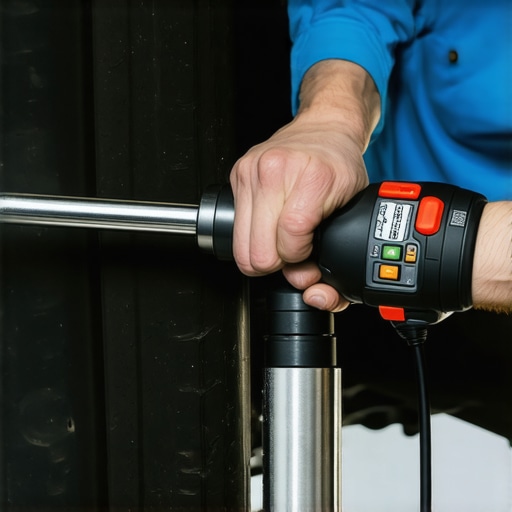
When it comes to maintaining your car, having the right tools isn’t just a convenience—it’s a necessity. I personally rely on a high-quality digital torque wrench to ensure that all fasteners are tightened to manufacturer specifications. Unlike basic wrenches, my ACuTorr digital torque wrench provides precise torque readings, preventing over-tightening that can damage delicate components. This accuracy is especially crucial when installing new ball joints or replacing transmission parts.
Specialized Software for Diagnostics and Long-Term Monitoring
Beyond physical tools, software has revolutionized auto maintenance. I recommend OBD-II scanners like the BlueDriver Bluetooth Professional for their ability to read and clear codes, monitor sensor data, and even provide repair reports. These tools are invaluable for diagnosing complex issues like transmission shudder or engine hesitation, saving both time and money. Moreover, integrating software like vehicle maintenance tracking apps helps schedule preventive services, ensuring your car stays in prime condition over the years.
The Art of Routine Maintenance and How Tools Make a Difference
Regular tasks such as oil changes, transmission fluid replacement, and brake inspections become more effective with the right equipment. For example, using a fluid extractor pump simplifies transmission fluid changes, reducing mess and ensuring accurate fill levels. Additionally, a magnetic pick-up tool proves handy when retrieving dropped nuts or tools in tight engine bays, saving you from unnecessary disassembly.
How do I maintain my vehicle’s performance long-term?
Consistent inspections using these specialized tools—paired with a good knowledge base—are key. During each service, I check fluid levels with precision tools and connect diagnostic software to monitor sensor health. Over time, these practices reveal subtle signs of wear before they escalate, like tracking slight increases in coolant temperature with a dedicated infrared thermometer, which can hint at cooling system issues.
Looking ahead, vehicle maintenance is becoming increasingly intelligent with the rise of telematics and AI-driven diagnostics. Embracing these advances now will prepare you for a future where proactive, data-driven car care is the norm. To stay ahead, start integrating diagnostic tools into your routine, and don’t hesitate to seek expert advice if a warning light illuminates unexpectedly. For in-depth support, consider reaching out via our contact page—we’re here to help you keep it working.
Lessons the Roads Taught Me That No Manual Could Share
One of the most profound realizations I had was that even the tiniest suspension component like the ball joint can make or break your safety. I learned that trusting my intuition and paying close attention to subtle steering changes often prevented major mishaps. Another insight was understanding that regular visual inspections could reveal early wear—something I used to dismiss as minor. Finally, I discovered that investing in quality tools and proper techniques not only made repairs safer but also more affordable in the long run. These lessons transformed my approach from reactive to proactive, keeping both my vehicle and loved ones secure on the road.
Tools and Resources That Elevated My Auto Care Game
For anyone serious about maintaining their vehicle’s suspension health, I recommend the 12 Bushing Guide for understanding how components interact. A high-quality digital torque wrench has been indispensable for precise tightening, preventing damage from over-tightening. I also swear by the fluid testing kits to monitor lubrication levels and spot leaks early. Lastly, staying connected with reliable professional advice via their contact page ensures I always have expert support when tackling complex repairs.
Your Next Road Step Starts Today
Understanding the nuances of suspension maintenance and recognizing early warning signs empower you to keep your vehicle safe and reliable. Remember, a small investment in knowledge and tools today pays dividends in peace of mind tomorrow. Whether it’s a quick visual check or consulting a trusted mechanic, taking action now makes all the difference. Don’t wait until a failing ball joint causes a costly accident; be proactive, stay informed, and enjoy the drive ahead. How confident are you in spotting suspension issues before they escalate? Share your experiences below, and let’s learn from each other’s journeys.