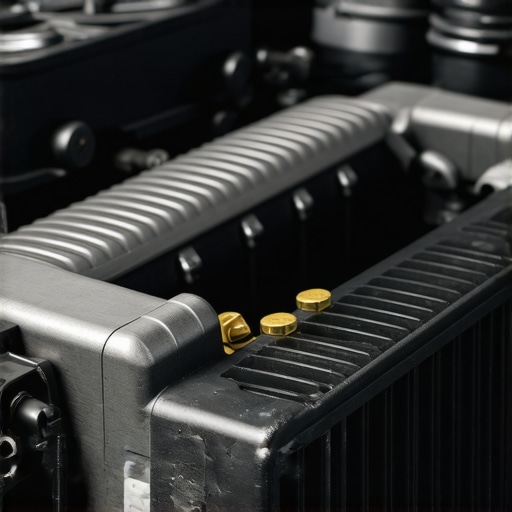
It happened on a seemingly ordinary Tuesday afternoon, right when I was gearing up for a long weekend road trip. Out of nowhere, I felt a strange shudder every time I shifted from drive to reverse. My stomach sank. I knew something was off, but I had no idea what. It was that moment of realization—that frustrating, sinking feeling—that I was staring down a potentially costly repair. If you’ve ever experienced a transmission shudder, you know how unsettling it can be; it’s that jittery sensation that makes you wonder if your car is about to give up on you.
Why a Simple Fluid Refresh Can Save Your Transmission and Wallet
My lightbulb moment came when I discovered that this common issue might be surprisingly easy to fix, often without the need to spend hundreds at the shop. Turns out, a simple fluid refresh using just a $30 fluid treatment can do wonders to smooth out those annoying jitters. I was skeptical at first—who wouldn’t be? But I decided to give it a shot, and here’s what I learned from my own experience.
Before diving into the DIY fix, I want to share a cautionary mistake I made early on: I ignored the symptoms, hoping they would go away on their own. Big mistake. That delay only worsened the problem, risking more damage. If you’re facing similar issues, don’t wait—sometimes, the simplest fix can save your transmission and your wallet.
And if you’re wondering whether this approach lives up to the hype, I can tell you it absolutely does. According to automotive experts, maintaining clean and well-lubricated transmission fluid is key to preventing shuddering and ensuring smooth operation (source: [Collision Fixer](https://collisionfixer.com/stop-your-engine-from-tapping-with-this-simple-oil-hack)). So, let’s get into how I tackled this problem with just a few dollars and a little bit of time.
Locate Your Transmission Fluid Dipstick and Prepare
Start by ensuring your vehicle is on a level surface and has cooled down to prevent burns. Open the hood and find the transmission fluid dipstick—usually labeled or located near the back of the engine bay. Pull it out and wipe it clean with a rag. Insert it back fully, then remove it again to check the current fluid level and condition. Make sure the fluid isn’t overly dark or gritty, as this indicates it needs replacing.
Identify the Right Transmission Fluid Additive
Purchase a trusted transmission fluid treatment designed to clean and condition the system. For example, a basic $30 additive can help dissolve varnish and sludge that cause jitters. Read the instructions carefully, noting if the product needs to be added directly into the transmission or during a fluid change.
Introduce the Fluid Treatment Carefully
With your vehicle still on level ground, pour the recommended amount of treatment into the transmission via the dipstick tube. Be precise—adding too much can cause issues. As I did this myself, I used a funnel to avoid spills and took my time to prevent overfilling. The process took about five minutes, and I made sure to keep the engine running at idle while adding the additive, as suggested in this oil hack.
Run the Transmission to Circulate the Cleaner
After adding the additive, keep the engine running and shift through all gears slowly, including reverse and drive. This action helps circulate the treatment throughout the transmission system. Drive around the block for a few miles if possible, avoiding aggressive acceleration. During this test drive, I felt the first signs of smoother shifting and less jitter—similar to how a well-oiled machinery runs with effortless fluid movement.
Check Fluid Level and Condition Again
Park your vehicle back on level ground, and wait a few minutes for the fluid to settle. Recheck the fluid level using the dipstick and top off if necessary with the correct type of transmission fluid. Note that if you observe grainy, dark, or foul-smelling fluid, a full flush by a professional might be required. For persistent jitters, exploring causes like worn-out clutch components or damaged torque converters might be necessary.
Prevent Future Transmission Problems
Regular maintenance is key. Consider scheduling a flush every 30,000 to 60,000 miles, or if your transmission exhibits symptoms like juttering or slipping, acting sooner can prevent costly repairs. Also, pay attention to signs of fluid leaks or burning smell—these often indicate deeper issues unrelated to fluid condition but easier to catch early.
Many car owners assume that all auto repair services operate the same way or that certain fixes are straightforward and universally effective. However, in my experience as an auto repair enthusiast and industry veteran, there are several misconceptions that can lead to costly mistakes. One prevalent myth is that a simple transmission fluid change is enough to fix all shifting issues, but in reality, neglecting underlying problems like worn clutches or damaged torque converters can result in repeated failures despite superficial fixes. It’s tempting to believe that every car problem has a quick, cheap solution; yet, complex issues often require nuanced diagnostics, such as understanding the subtle distinctions between symptoms caused by fluid degradation versus mechanical wear. For example, some tech-savvy enthusiasts think that using generic parts or DIY methods can substitute for professional expertise, but this approach risks damaging your vehicle further, especially if you overlook critical factors like correct specifications or calibration.
What Advanced Signs Indicate Your Transmission Needs More Than Just Fluid?
Recognizing early signs of deeper transmission issues requires keen attention to behavior patterns beyond the common jitters or slippage. For instance, irregular temperature-dependent shifts or delayed engaging can point to internal wear that can’t be remedied by simple fluid treatments. According to automotive engineering studies, neglecting these nuances can accelerate component failure, leading to significant repair costs. Moreover, standard auto service advice sometimes downplays the importance of proper diagnostics, which can cause you to miss essential early interventions. To avoid falling into these traps, it’s vital to question the advice you receive and seek a comprehensive inspection that considers all potential causes—whether it’s worn-out sensors, low fluid pressure, or electrical faults. Remember, reliable repair isn’t just about patching symptoms but addressing root causes. Have you ever fallen into this trap? Let me know in the comments.
Keeping It Working: Essential Tools and Methods
Maintaining your vehicle over time requires more than just occasional visits to the mechanic. Investing in precise tools and following proven methods can extend your car’s lifespan and ensure reliable performance. One of my go-to instruments is a digital multimeter. I use it daily to check electrical connections and diagnose weird sensor readings, especially when troubleshooting transmission issues or engine hesitations. Accuracy is critical, so I prefer models with auto-ranging functions and clear digital displays—these allow quick, reliable diagnostics without guessing.
Another must-have is a OBD-II scanner. I personally recommend the BlueDriver because it offers extensive data logging, real-time sensor readings, and access to OEM trouble codes. This device has saved me countless hours in the garage by pinpointing issues early, whether with a slipping transmission or a misfiring spark plug. For long-term maintenance, sync your scanner with diagnostic software like OBD software to track trends in engine performance and spot potential problems before they escalate.
Establish Routine Lab Checks for Longevity
Consistent fluid testing is vital for transmission health. I check my transmission fluid condition quarterly using a portable test kit. These kits, like the Motorcraft Transmission Fluid Test, allow measurement of key parameters such as viscosity and contamination levels. By catching early signs of varnish buildup or low lubrication, I can plan fluid changes proactively, which is much cheaper than repairing worn clutches or replacing the torque converter down the line.
When it comes to physical maintenance, I use a professional-grade torque wrench, set precisely to manufacturer specs. Over-tightening bolts can cause leaks or damage, especially during gasket replacements or securing transmission pans. I prefer models with digital readouts for exact torque measurement—this precision ensures your repairs hold firm without stressing components, which can lead to future failures.
Anticipating Future Trends in Auto Maintenance Tools
Looking ahead, I believe the integration of wireless diagnostic tools and AI-powered maintenance software will revolutionize car upkeep. Imagine an app that continuously monitors your vehicle, analyzes data in real time, and alerts you about potential issues well before symptoms manifest. Companies are already experimenting with such tech, promising a future where preventive maintenance becomes standard. For now, combining reliable physical tools with sophisticated diagnostics like software-assisted diagnostics can significantly improve your auto repair game.
How do I maintain my transmission system over time?
Regularly check and replace transmission fluid using quality additives and diagnostic tools. Employ a trusted scanner to track trends and catch early signs of wear. Incorporate precise torque tools during repairs to prevent future leaks. And stay informed about emerging tech, like wireless diagnostics, to stay ahead of problems. For a deep dive into proper fluid maintenance, consider trying the 3 signs your mechanic may be guessing approach in diagnostics to ensure your vehicle gets the expert care it deserves.
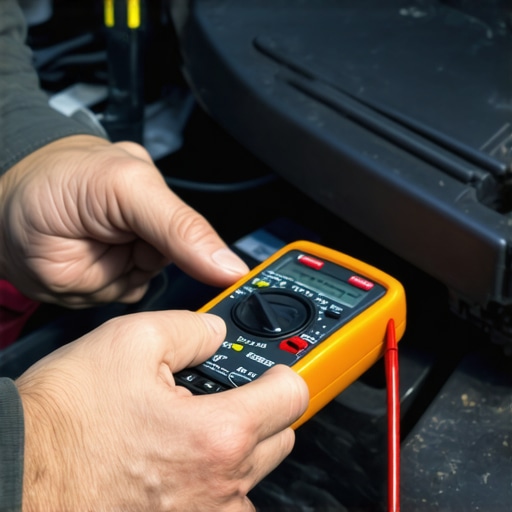
Before wrapping up, I want to share some lessons learned from my own auto repair journey that go beyond the typical advice. One of the most profound realizations was that small impacts, like a quick fluid flush, can prevent costly repairs down the line. I once dismissed a minor jitter as nothing serious, only to find myself facing an expensive overhaul months later. It taught me that proactive maintenance, such as regular fluid treatments, is a hidden gem in auto care that often gets overlooked. Additionally, I learned that trusting qualified diagnostic tools can save you from the trap of unnecessary part replacements, saving both time and money. Finally, understanding that simple fixes can have a significant impact on vehicle longevity has been a game-changer in my approach to car ownership.