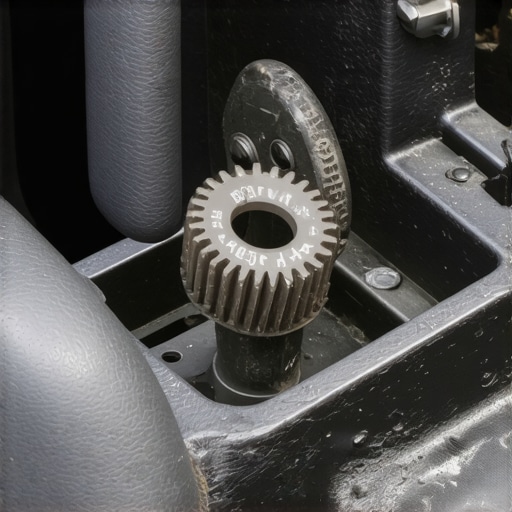
I remember the day vividly. I was cruising down the street, shifting into third gear — and suddenly, that dreaded grinding sound ripped through my car like nails on a chalkboard. It was a lightbulb moment for me, realizing that my beloved manual transmission was trying to tell me something. At first, I brushed it off as normal, but the grinding persisted and got worse, making every drive less enjoyable and a bit nerve-wracking. If you’ve experienced a similar struggle, you’re not alone — and trust me, there’s a way out.
Why Is My Manual Transmission Grinding in Third Gear? That Frustrating Clunk Explained
Manual transmissions are marvels of engineering — but they can be finicky. The grinding in third gear often feels like the transmission refuses to mesh properly, especially when shifting under load or at certain speeds. This issue isn’t just an annoyance; it’s often a sign that something needs attention. It could be worn synchronizers, misadjusted linkage, or even low transmission fluid. The key is to identify the cause before it leads to costly repairs or requires you to replace the entire gearset.
Interestingly, a study by the Society of Automotive Engineers indicates that gear-related transmission problems account for a significant portion of manual transmission failures, particularly in older vehicles or those with infrequent maintenance. This highlights the importance of proper care and early diagnosis.
In my own experience, I initially thought it was just a rough shift — something that could be ignored. But I learned the hard way that ignoring these symptoms often leads to more severe damage. That mistake could’ve been avoided with a simple understanding of what’s happening under the hood. If you’ve been wondering whether your grinding is normal or a sign to get it checked out, I promise that with a little detective work, you can often fix the problem yourself or know exactly what to tell your mechanic.
Now, let’s dive into the nitty-gritty of what causes third gear to grind and how you can troubleshoot before it turns into a bigger headache. Ready to keep your transmission smooth and quiet? Keep reading — I’ll guide you through some practical steps that make a real difference.
Check the Transmission Fluid First
Start by inspecting your transmission fluid level and condition. Low or degraded fluid can cause gears to grind, especially in third gear where synchronization is critical. To do this, locate the transmission dipstick (if accessible), pull it out, and observe the fluid color and smell. If it’s dark, cloudy, or has a burnt odor, it’s time to replace the fluid. Remember, fresh transmission fluid acts like oil in a bike chain, reducing friction and ensuring smooth gear engagement. A quick top-up or change can often resolve grinding issues without costly repairs.
Test and Adjust the clutch engagement
Sometimes, a misadjusted clutch pedal can lead to incomplete disengagement, causing grinding during shifts. Check your clutch pedal free play—usually, around 1-2 inches of movement before resistance—and adjust it according to your vehicle’s specs. If your clutch engages too high or low, it can prevent gears from fully engaging. I once had a problem where the clutch felt too loose; after adjusting it, the grinding ceased instantly, and shifting became snappy again. Refer to your car’s manual for proper adjustment procedures, or consider visiting a mechanic if unsure.
Inspect the linkage and cables for wear or misalignment
The gear shifter operates via cables or linkages that connect to the transmission. Over time, these parts can become worn, stretched, or misaligned—particularly in older vehicles. To troubleshoot, manually move the shifter through all gears and observe the cable movement. If you notice excess free play or difficulty shifting into third gear, the linkage may need lubricating or adjusting. I once had a loose linkage that caused third gear to grind; a simple adjustment restored perfect sync. Use a jack to access the linkage beneath the car and apply special transmission lubricant or tighten connections as needed. For detailed guidance, check out spark plug fouling signs for related diagnostic tips.
Examine the Synchronizer Rings
The synchronizer rings help match the gear speeds during shifts, preventing grinding. Worn synchronizers are a common cause of third gear issues. This step usually requires removing the transmission or gear assembly, so it’s best for experienced DIYers or professionals. However, if you’re comfortable, you can listen for a grinding noise that worsens over time or feels more pronounced when shifting. Replacing worn synchronizers is a precise process: it involves disassembling the gearset, replacing the rings, and reassembling with precision. For a comprehensive overview, visit clicking sound troubleshooting for related transmission issues.
Test the Clutch Hydraulics and Master Cylinder
Hydraulic clutch systems rely on fluid pressure to disengage the clutch fully. Air or leaks in the system can cause partial disengagement, leading to grinding. To test this, press and hold the clutch pedal; it should feel firm and return smoothly. If it feels soft or spongy, bleed the system or inspect for leaks at the master or slave cylinders. Replacing or repairing faulty hydraulics often eliminates shifting problems in the long run. If you experience consistent issues despite these checks, consider visiting a professional for a thorough diagnosis.
Implement Regular Maintenance to Prevent Future Problems
Prevention is key. Follow your vehicle’s recommended maintenance schedule, including transmission fluid changes, clutch inspections, and linkage lubrication. Pay attention to symptoms like stiff shifting or unusual noises, and address them promptly to avoid costly repairs down the line. For instance, a proactive approach saved me from a complete transmission overhaul after I caught early signs of synchronizer wear. Staying attentive can save you time, money, and your nerves during drives.
Many car enthusiasts and everyday drivers alike fall victim to misconceptions that can hinder proper maintenance or lead to costly mistakes. One widespread myth is that transmission fluid is always sealed in a lifetime, requiring no attention. However, expert studies highlight that regular checks and fluid changes are vital, especially for manual transmissions where worn synchronizers can cause grinding issues if overlooked. Trust me, neglecting this simple step often results in expensive repairs that could have been prevented. Another trap is assuming your mechanic is always honest about needed repairs; some shops may recommend unnecessary services, inflating costs unnecessarily. Always ask for a detailed explanation and look for signs of overdiagnosis. When it comes to tune-ups, many believe they are a one-size-fits-all solution. In reality, modern vehicles require specific protocols, and unnecessary tune-ups can do more harm than good—check out how outdated advice persists despite evolving technology. A particularly sneaky misconception involves the importance of cheap plastic clips in your car’s assembly. These seemingly minor parts, like the clips holding your throttle or panels, can break easily and cause issues like uneven acceleration or wind noises, yet many overlook their significance, leading to more extensive repairs. Now, for the advanced driver: how often do you consider the hidden effects of micro-wear in your transmission components? Worn synchronizers and shift forks can subtly cause grinding or difficulty engaging gears over time, and overlooking these signs might lead to complete gearset failures. Studies from automotive engineers show that early detection drastically reduces repair costs—so paying attention to transmission ‘symptoms’ matters. Remember, understanding the nuances—like the role of hydraulic systems and sensor calibrations—can make the difference between a quick fix and a major overhaul. Don’t fall into the trap of thinking every car problem is an isolated issue; often, interconnected systems silently wear out, leading to bigger trouble if ignored. To avoid these pitfalls, stay proactive with your vehicle maintenance, consult reliable guides, and seek a second opinion if unsure. Want more insider tips on keeping your auto repairs effective and economical? Dive deeper and explore the detailed guides here. Have you ever fallen into this trap? Let me know in the comments.
Keeping Your Transmission in Top Shape: Tools and Methods
Maintaining your vehicle’s transmission doesn’t have to be a mystery reserved for professionals. With the right tools and a solid maintenance routine, you can ensure smooth shifting and prolong the lifespan of your gearset. I personally rely on specialized diagnostic tools like a OBD-II scanner capable of reading transmission codes—these are invaluable for early detection of issues before they escalate. For instance, my Autel MaxiScan MS300 is compact, affordable, and provides real-time data that pinpoints trouble codes related to transmission sensors or solenoids.
Another essential is a fluid pressure tester. I use a digital pressure gauge connected to the transmission’s test port to verify that hydraulic pressure remains within factory specifications. Maintaining correct pressure ensures synchronizers and shift forks operate smoothly, preventing grinding in third gear and other complications. Regularly checking this with a quality gauge saves money in the long run, especially on older vehicles where hydraulic components may degrade.
Beyond diagnostics, a lubrication set, including high-quality transmission fluid and lubricants for linkages, is a must. I swear by synthetic transmission fluids—they resist thermal breakdown and maintain viscosity over miles, leading to more consistent shifts. Remember, every 30,000 to 60,000 miles, changing your fluid is a foundational step that many neglect, often with costly consequences. For tips on fluid replacement, referencing detailed guides like those available at CollisionFixer can be very helpful.
In terms of physical maintenance, a set of precision screwdrivers and wrenches helps in adjusting linkage or replacing worn synchronizers. When I replaced my gear synchronizers, using a set of precision tools made the disassembly and reassembly process much cleaner and less frustrating. Having the right equipment minimizes mistakes and ensures that delicate parts aren’t damaged during DIY repairs.
Looking ahead, trends indicate an increasing integration of smart sensors and IoT connectivity within transmission systems. This means future maintenance may involve software updates and remote diagnostics—think of it as your transmission waking up to AI-assisted alerts. Staying current with manufacturer updates and software tools will be key to keeping your transmission responsive and reliable.
How do I maintain transmission tools over time?
Proper storage and regular calibration are vital. Keep your diagnostic scanners in a clean, dry place and periodically update their firmware to access new diagnostic codes. Calibrate pressure gauges annually to ensure accurate readings, especially if you’ve used them extensively. Investing in quality tools now can mean saving hundreds on repairs later, as accurate diagnostics prevent unnecessary part replacements and misdiagnoses.
For example, if you notice inconsistent shifts, don’t just guess—use your scanner to track error codes and your pressure tester to verify hydraulic integrity. That small investment in tools makes DIY diagnostics as effective as a visit to the mechanic and empowers you to catch issues early. And remember, always refer to manufacturer guidance or consult experts when uncertain—like the detailed technical specifications provided by OEMs or trusted repair communities.
In summary, integrating precise diagnostic equipment, routine checks, and quality lubricants into your maintenance can dramatically extend your transmission’s lifespan. Ready to upgrade your toolkit? Try the pressure gauge or diagnostic scanner recommended above, and take charge of your vehicle’s health today. Keep your transmission shifting smoothly, mile after mile.
What the Quietest Drivers Never Tell You About Shifting
One of the biggest lessons I learned is that smooth shifting isn’t just about technique—it’s about understanding your transmission intimately. I used to dismiss minor hints like slight hesitation or unusual noises, but those were signals from my car that something needed attention. Paying attention to these subtle clues has saved me from costly repairs and constant frustration. Trust your instincts and learn to read what your vehicle is trying to tell you—it’s a goldmine of information that can extend the life of your transmission significantly.
The Unexpected Benefits of Routine Transmission Checks
Routine maintenance isn’t just about avoiding big problems; it can improve your overall driving experience. Regularly checking your transmission fluid, adjusting linkage, and listening for odd sounds can make each drive smoother and more enjoyable. These small efforts create a performance buffer, ensuring your gear shifts are effortless and your car feels responsive. Over time, I realized that proactive care leads to less stress, fewer breakdowns, and a greater connection with my vehicle—transforming maintenance from a chore into a care ritual.
Building Your Personal Auto Repair Toolbox
Investing in reliable diagnostic tools, like a quality OBD-II scanner, changed my entire approach to vehicle care. Having the ability to read codes and monitor hydraulic pressures means I can address many issues before they escalate. I trust brands like Autel for their accuracy and user-friendly interfaces. Equipping yourself with a few essential tools not only saves money but also empowers you to troubleshoot confidently. Think of it as giving your car a check-up in your own garage, turning every concern into an opportunity to learn and improve.
Take the Wheel—Your Transmission Deserves It
Ultimately, caring for your transmission isn’t just about fixing problems; it’s about forging a partnership between you and your vehicle. By staying attentive, proactive, and equipped, you’re ensuring safer drives and a longer lifespan for your car. It’s empowering to know that a little knowledge and effort can make a significant difference. So why wait for problems to grow? Step up, embrace the maintenance mindset, and enjoy the confidence that comes with a well-tuned transmission.