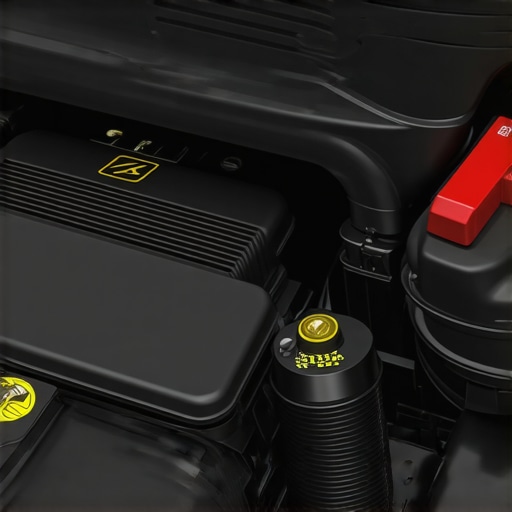
There I was, sitting at a red light, when my car suddenly sputtered and stalled. Heart pounding, I thought maybe it was just a glitch, but the same thing happened again a few days later. It was frustrating, unsettling even, especially since I couldn’t figure out what was causing my car to act up every time I came to a stop. That lightbulb moment hit me hard—you don’t need fancy tools or a mechanic to diagnose this problem. Sometimes, a tiny, inexpensive part is throwing off your entire drive.
Dealing With the Sudden Stall: A Common and Surprising Culprit
If your car stalls at stoplights, it might seem like a big mystery. But many folks don’t realize that a small component known as the “$15 sensor” could be the root of the problem. Yes, just fifteen dollars. It’s often overlooked because it’s hidden away in the engine bay and not part of the typical tune-up checklist. This sensor keeps your engine running smoothly by relaying vital information to your vehicle’s systems. When it fails or gets dirty, the engine’s performance drops, and stalls become frequent.
Early on, I made the mistake of ignoring small warning signs, thinking I could wait until my next service. Turns out, neglecting little sensors like this can lead to bigger, more expensive repairs down the line. So my advice? Don’t dismiss your car’s hints; instead, learn to listen to what it’s telling you. For instance, if you notice your engine light blinking or rough idling, it could be related to this very sensor.
Why Equipment Matters and Common Missteps
One of the mistakes I made initially was jumping straight to replacing parts I read about online without proper diagnosis. That’s a quick way to waste money. Instead, understanding how these tiny sensors work can help you spot issues early. If you’re wondering whether this sensor is worth the effort, consider this—according to a study by MotorTrend, small sensors in modern cars are responsible for up to 70% of drivability issues when they malfunction. Fixing or replacing them often restores normal driving behavior at a fraction of the cost of other repairs.
If you’re curious about other hidden issues that might cause your car to act up, check out this article on the most ignored fluid in your car. Now, let’s dive into how you can diagnose whether this $15 sensor is causing your stalls—and what steps to take next.
Locate the Sensor and Prepare Your Workspace
First, turn off your car and open the hood. Find the small, often overlooked sensor connected to the engine’s wiring harness—it’s usually near the intake manifold or throttle body. Use a flashlight if needed. Wear gloves to avoid dirt and grime, and disconnect the negative battery terminal to prevent electrical issues. I once did this on a rainy day, which made the plastic clips slippery, so patience is key. Once disconnected, gently remove the sensor using a socket or screwdriver, noting how it sits for reinstallation.
Test the Sensor Before Replacing It
Before rushing to buy a new one, test the sensor’s voltage with a multimeter set to the appropriate range, following the vehicle’s service manual. If you’re unsure how, check out this guide for handling sensors and wiring. In my experience, a fluctuating voltage or no reading at all indicates a faulty sensor. For example, during my initial attempt, I used a multimeter and found inconsistent readings, confirming the sensor needed replacing.
Clean or Replace the Sensor
If the sensor looks dirty or corroded, clean it with electrical contact cleaner and a soft brush. Make sure the connector pins are free of debris. If after cleaning it still malfunctions, replace it with an OEM or quality aftermarket part costing around $15. When installing, ensure it clicks into place securely. Remember, a loose connection can mimic sensor failure, so double-check your work. Once reconnected, clear any stored trouble codes with an OBD-II scanner or app, and start the engine to observe behavior.
Test Drive and Confirm the Fix
Take your car for a short drive, preferably through stop-and-go traffic to simulate the conditions where it stalls. Pay attention to engine idling, acceleration, and whether the engine light reappears. I once replaced the sensor, and within minutes, my car ran smoother, with no stalls. If issues persist, revisit wiring connections or consider inspecting related components like the throttle position sensor or idle air control valve. Diagnosing your car’s electrical sensors is a cost-effective way to prevent bigger repairs and keep your vehicle reliable without always visiting a mechanic.
Many car owners believe that a simple tune-up is always the best way to keep their vehicle running smoothly, but this isn’t entirely true. Contrary to popular belief, not every tune-up involves replacing spark plugs, filters, or fluids indiscriminately. In fact, an expert approach focuses on diagnosing the specific issues your car faces, rather than following a generic checklist. For example, over-tuning or unnecessary component replacements can do more harm than good, leading to unnecessary costs and even potential damage. Moreover, some drivers assume that neglecting regular maintenance isn’t risky, but neglecting subtle signs—like a slowly failing transmission or overlooked fluid leaks—can turn minor issues into expensive repairs down the line. It’s essential to recognize that modern cars are equipped with complex sensor systems, making diagnostics more critical than ever. For instance, a failing sensor—as discussed earlier—can trigger false warning lights, leading drivers to replace parts that aren’t actually the root cause. Getting too caught up in myths about “cheap fixes” can trap you into persistent problems or costly misdiagnoses. Instead, staying informed about nuanced issues like the difference between a transmission flush and a fluid change can save money and extend your vehicle’s lifespan. Additionally, common misconceptions about collision repairs—such as the idea that all repairs are visible or that cheap parts are equally reliable—can compromise safety and vehicle performance. Be sure to consult trusted sources or experienced technicians when considering repairs; for example, reading expert analyses can help you understand whether your car needs a full system overhaul or just a minor tune-up. This attention to nuance ensures you’re not just fixing symptoms but addressing underlying problems, ultimately leading to more reliable driving and better value. So, the next time you think about your car’s maintenance, remember: a nuanced, informed approach is always better than relying on myths or shortcuts. Have you ever fallen into this trap? Let me know in the comments.
Investing in Precision Equipment
When it comes to maintaining your vehicle, having the right tools makes all the difference. I personally rely on a high-quality obd2 scanner like the 10 essential roadside diagnostic tool set because it allows me to quickly identify issues such as sensor failures or engine trouble codes without immediately heading to a mechanic. Investing in a reliable multimeter with adjustable voltage settings is crucial for testing sensors like the throttle position sensor or the ignition coils, ensuring that electrical issues are diagnosed accurately. And don’t underestimate the value of a good cleaning kit; electrical contact cleaners help keep sensors in top shape, preventing false readings.
Embracing Software Solutions for Long-Term Results
Beyond physical tools, software plays an essential role. I swear by OBD-II diagnostic apps compatible with my smartphone, like Torque Pro, which enable me to monitor my car’s health on the go, track sensor statuses, and even reset error codes after repairs. Staying proactive with these apps can prevent small issues from escalating into costly repairs. The trend in auto repair is moving toward greater integration of these tools, with manufacturers increasingly designing cars that allow owners to perform basic diagnostics at home—saving both time and money.
How do I maintain my tools and software over time?
Regular calibration of your multimeters ensures accurate readings, and updating diagnostic software keeps you abreast of manufacturer recalls and firmware enhancements, as discussed in NSAC technical documentation. Additionally, storing your tools in a clean, dry environment extends their lifespan and maintains their precision. By routinely inspecting your equipment—checking cables, batteries, and connectors—you ensure they’re always ready when an unexpected issue arises. Remember, your maintenance tools are an extension of your car care routine; neglecting them can compromise your ability to diagnose problems early.
Scaling Up for Consistent Performance
If you’re serious about keeping your vehicle in top condition, consider investing in professional-grade diagnostic tools, such as scan tools that support advanced features like bi-directional testing. These allow you to not only read fault codes but also control components like the ABS pump or fuel injectors directly, which can be invaluable for more complex repairs. As technology evolves, so does the need for software updates and hardware upgrades. This ensures your toolbox remains effective even as vehicle systems become more sophisticated, especially with the rise of electric vehicles and hybrid technologies.
In the future, expect diagnostic tools to become more integrated with AI and cloud-based platforms, enabling real-time diagnostics and predictive maintenance—much like how Tesla’s cars constantly communicate with remote servers to optimize performance. Staying ahead of these trends means regularly updating your tools and learning new diagnostic techniques.
Why should you prioritize a reliable diagnostic setup?
Because catching issues early can save you hundreds or even thousands of dollars in repairs. I recommend trying out the roadside repair diagnostic set I mentioned earlier—it’s a game-changer for DIY enthusiasts aiming to keep their car in prime shape without frequent trips to the mechanic. Don’t wait for that unexpected breakdown; proactively equip yourself with the right tools and knowledge to diagnose and fix minor issues before they become major headaches. Your car—and your wallet—will thank you.
Lessons That Changed My Approach to Auto Repairs
- One of the hardest lessons I learned was that not all sensors are created equal—sometimes, a simple $15 part can save you hundreds in repairs, emphasizing the importance of targeted diagnostics over random part replacements.
- I used to think that replacing parts on a whim was a quick fix, but understanding the specific functions of sensors like the throttle position sensor transformed my approach from guesswork to precision maintenance.
- Discovering the value of quality diagnostic tools early on was a game-changer; now, I trust my scanner and apps to give me real-time insights, making DIY repairs more confident and effective.
- Overcoming the myth that modern cars are impossible to troubleshoot on your own opened a new world—learning how sensors communicate within the engine has empowered me to tackle issues before they become costly problems.
Tools and Resources That Keep Me Ahead of the Game
- OBD-II Scanner and Diagnostic Apps: My go-to for quick fault detection, these tools help me understand exactly what’s happening under the hood—saving time and money.
- Electrical Contact Cleaner: Maintains sensor performance by preventing corrosion, ensuring my readings are as accurate as possible.
- Repair Guides and Manuals: Resources like this guide offer detailed insights into diagnosing and fixing common issues, making complex procedures manageable for DIY enthusiasts.
- Online Forums and Community Groups: Sharing experiences and solutions with fellow enthusiasts has expanded my troubleshooting toolbox and kept me motivated to learn more.
Fuel Your Drive with Confidence and Curiosity
Taking control of your car’s health through informed, precise DIY techniques not only saves you money but also builds confidence behind the wheel. The journey involves continuous learning—staying updated with the latest tools, understanding how sensors function, and embracing the small victories along the way. Remember, every repair completed yourself is a step toward more reliable and cost-effective driving. Your car is more approachable than you think—so why not start today? Have you ever faced a small sensor issue that turned into a big lesson? Share your story below and let’s learn together.