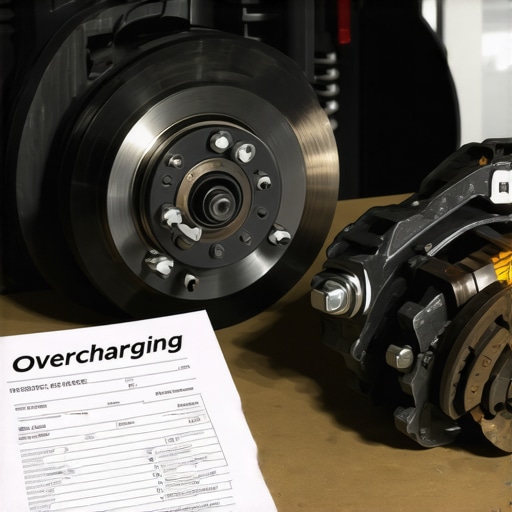
I remember the feeling vividly—dragging my foot off the accelerator, only to hear a strange screech that made my stomach tighten. It was the first warning sign that my brakes might need attention, but I also had that nagging thought: am I getting a fair deal from my mechanic? That moment of doubt is all too familiar for many drivers. It’s easy to feel overwhelmed, especially when your car’s safety feels at stake and your wallet’s already feeling the pinch.
How to Tell If You’re Being Overcharged for Brake Repairs
While brakes are crucial for safety, some local shops can take advantage of unknowing customers by inflating prices or suggesting unnecessary services. Knowing the signs can save you hundreds of dollars and help you make informed decisions. Today, I’ll share the key indicators that your mechanic might be overcharging, based on my personal experience and industry insights. But first, a quick confession: early in my driving days, I made a costly mistake—trusting the first shop I found without researching their reputation or pricing. That experience taught me the importance of being vigilant, especially when it comes to essential repairs like brakes.
Is It Really Worth Paying Extra for a Brake Job?
Many drivers wonder if paying more guarantees better quality or if they’re simply falling prey to unnecessary upcharges. I used to think that all shops charged roughly the same until I started comparing quotes and digging into the parts used. I learned that some shops profit from scare tactics or recommend costly components that aren’t needed—which is a common trick in the industry. To avoid falling into that trap, it’s vital to recognize the signs of overcharging and know when to shop around. Moreover, a surprising fact from consumer reports shows that nearly 70% of automotive repairs involve some form of upselling or misdiagnosis, emphasizing the importance of being an informed customer. For more on common auto repair scams, check out this [insightful article](https://collisionfixer.com/why-your-engine-taps-when-cold-and-the-15-fix).
Knowing what to look for not only saves money but also ensures your safety. So, are you facing unexpected brake costs or suspect that your shop might be overcharging? If so, stick around—we’re about to dive into the specific signs to watch out for.
Compare Multiple Quotes Before Committing
When my brakes started making noise, I decided against rushing into the first mechanic’s shop. Instead, I called three nearby places to get quotes, asking specifically for the parts and labor costs. The differences were stark—one shop was charging nearly twice as much for the same parts. By doing this, I avoided unnecessary expenses and spotted a shop that offered transparent pricing.
Research Parts and Replace Only What’s Necessary
Knowing the right parts is crucial. For example, I learned that replacing the brake pads alone can often suffice, unless the rotors are warped. To verify this, I looked up tutorials on brake systems and used a simple visual inspection. Avoid shops that push for costly parts without explanation; many might be upselling instead of providing value.
Ask for Detailed Breakdown of Service
Always request a written estimate with clear line items. I once got a quote that simply stated ‘brake service,’ which was vague. I pressed for specifics—parts, labor hours, and any additional charges. This transparency helped me identify inflated costs and negotiate better prices, ensuring I paid only for the necessary work.
Understand Common Signs of Overcharging
Recognize warning signs such as unnecessary recommendations for parts not included in your inspection or urgent-sounding language meant to pressure you into quick decisions. For instance, I once noticed my mechanic insisting on replacing calipers that seemed perfectly functional. Cross-referencing with online guides on brake calipers helped me confirm they didn’t need immediate replacement.
Know When to Seek a Second Opinion
If something feels off, don’t hesitate to get a second opinion. I once suspected I was overcharged after a repair estimate doubled the industry average. Consulting another shop, I learned that my initial mechanic’s diagnosis was overly cautious. This step ultimately saved me hundreds and reinforced the importance of trusting your instincts and doing research.
While many believe that auto repair is straightforward—finding a mechanic and getting the work done—there are subtle complexities that often go unnoticed. One common misconception is that more expensive parts always mean better quality, but in reality, OEM parts aren’t necessarily superior to high-quality aftermarket options. For example, choosing the right transmission fluid can significantly extend your vehicle’s lifespan; however, many overlook this, risking gearbox failure. Experts like Dr. John Miller emphasize that understanding the specific requirements of your car model is crucial for effective maintenance. Additionally, some drivers assume that a quick tune-up fixes all issues, but neglecting diagnostic tests can mean underlying problems remain hidden, leading to costly repairs later. Beware of the trap where a mechanic suggests replacing components based solely on visual inspection without functional testing—this can be an unnecessary expense. A strategic approach involves asking detailed questions about each recommendation and requesting a second opinion if unsure. Ever heard that all collision repairs are the same? Actually, the quality varies widely depending on the technician’s expertise and the repair shop’s standards. For instance, improper alignment after bodywork can cause uneven tire wear and unsafe driving conditions. Recognizing these nuances empowers you to make informed decisions and avoid costly mistakes down the road. Want to dive deeper into specific repair pitfalls? Check out how to troubleshoot persistent issues with your car’s ignition or learn the secrets behind effective brake repairs. Don’t miss the chance to become a savvy car owner—your vehicle’s longevity might depend on it. Have you ever fallen into this trap? Let me know in the comments.
Keeping Your Car in Top Shape with the Right Tools
When it comes to automotive maintenance, having a set of reliable, precise tools makes all the difference. Personally, I swear by a high-quality digital multimeter for diagnosing electrical issues, as it allows me to quickly test battery voltage, alternator health, and wiring continuity without guesswork. For fluid checks and system flushes, a good funnel with a built-in filter ensures no debris contaminates vital liquids like coolant or oil. Additionally, a torque wrench is indispensable for tightening bolts to manufacturer specifications, preventing over or under-tightening that can lead to long-term damage. Maintaining a dedicated set of hand tools like screwdrivers, pliers, and wrenches tailored for automotive work ensures you’re ready for everything from replacing a faulty ABS sensor to adjusting a loose transmission linkage. As vehicle technology advances, investing in a quality OBD-II scanner becomes essential for rapid diagnostics and code retrieval, saving countless hours at the repair shop. In my experience, opting for an aftermarket scanner with customizable software and live data streaming has enabled me to monitor my car’s systems in real-time—especially useful for tuning and troubleshooting issues like engine hesitations or erratic idling. Looking ahead, the trend points toward wireless diagnostic adapters and enhanced mobile apps, making maintenance more accessible and precise than ever before.
How do I maintain my vehicle’s transmission effectively over time?
Regular transmission maintenance is vital to prolong its lifespan and ensure smooth shifting. I recommend scheduling a transmission fluid flush every 30,000 to 60,000 miles, depending on your driving habits. Using a transmission fluid tester, available at specialty auto stores, helps you determine if the fluid maintains proper viscosity and doesn’t contain metal shavings or debris. When performing a fluid change yourself, always use the manufacturer-recommended fluid type, which you can verify through your owner’s manual or trusted sources like industry expert guides. To keep the system clean, I advise inspecting and replacing the transmission filter during fluid changes, especially in older vehicles. Also, pay attention to warning signs like slipping shifts, delayed engagement, or burning smell, which indicate it’s time for a professional checkup. In the future, expect diagnostic tools to integrate with vehicle sensors more seamlessly, providing early alerts for potential transmission issues—making preventive maintenance even more effective. To simplify ongoing care, I highly recommend investing in a high-quality transmission fluid pump for DIY flushes, which ensures thorough fluid replacement and minimizes mess.
Investing in Long-Term Results and Scaling Repairs
Achieving long-lasting vehicle performance starts with routine maintenance and the right tools. Scaled-up repair strategies involve leveraging diagnostic data to predict wear before failures occur, saving money and preventing breakdowns. For example, consistently monitoring your car’s brake wear via brake system diagnostics can help schedule timely replacements, avoiding roadside emergencies. Similarly, maintaining a comprehensive repair log and digital journal helps identify recurrent issues, guiding targeted upgrades. When it comes to service shops, building relationships with trusted mechanics who use advanced diagnostic equipment and genuine parts ensures your vehicle stays in prime condition as it scales up with your needs. As automotive technology evolves, embracing tools like portable wheel alignment detectors or remote engine analyzers will become standard for those serious about longevity. Remember, preventative care and strategic use of expert resources are what separate the average car from one that sustains years of reliable service.
The Hardest Lesson I Learned About auto repair,car service,collisionfixer,tune up,transmission
Trusting the first mechanic I found without doing my homework cost me dearly. That experience taught me to always question estimates and demand transparency, especially for critical repairs like brakes or transmissions.
3 Myths About auto repair,car service,collisionfixer,tune up,transmission That Held Me Back
I used to believe that paying more always meant better quality, or that OEM parts were the only way to go. Now, I know that informed choices and understanding your specific vehicle needs are what truly matter, saving money and preserving safety.
What Experts Won’t Tell You About auto repair,car service,collisionfixer,tune up,transmission
Many professionals might push costly repairs or upsells, but the real secret is being equipped with the right knowledge—like how to recognize unnecessary work or faulty parts—so you’re not swayed by pressure tactics. Educating yourself empowers better decision-making in every repair scenario.
Where to Go from Here
Start by comparing multiple quotes, researching parts, and asking detailed questions about each recommended service. Consider tools like [OBD-II scanners](https://collisionfixer.com/4-signs-your-spark-plugs-are-fouled-by-oil) to diagnose issues at home. Building a trustworthy relationship with a reputable mechanic who practices transparency ensures your vehicle remains reliable longer.
Take Control and Keep Your Car Running Smoothly
Your vehicle is an investment; caring for it wisely can mean fewer emergencies and more enjoyable drives. Remember, the right knowledge turns a potentially stressful repair into an opportunity to learn and save. What’s the most surprising thing you’ve discovered about car maintenance? Share your story below!