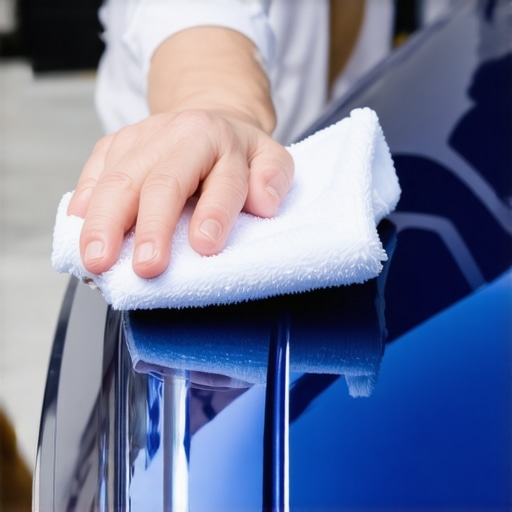
Have you ever parked too close to a wall or another car, only to find unsightly paint smudges on your vehicle’s surface afterward? I remember the frustration of discovering those stubborn transfer marks—like a badge of honor for a wrong parking spot. It was a lightbulb moment when I realized how common this issue is, and that most car owners overlook simple yet effective ways to fix it without risking their car’s delicate clear coat.
In today’s post, I’ll share honest tips and tricks to remove paint transfer without scratching your clear coat. No heavy buffing, no costly repairs—just practical methods you can try at home based on my personal experience and what I’ve learned over the years.
Protect Your Car’s Shine Without the Scratches
Removing paint transfer can feel like walking a tightrope. One wrong move, and you might end up with scratches or dull patches that age your vehicle prematurely. Early on, I made the mistake of using abrasive cleaners that only worsened the problem, leading me to swear off anything that sounded aggressive. But I discovered that patience and the right technique are your best allies. By understanding how to differentiate between paint and clear coat residues, I was able to restore my car’s appearance without jeopardizing its finish.
Some common household items work surprisingly well, like automotive clay bars or even simple products like WD-40. Plus, I’ll walk you through step-by-step strategies to tackle those pesky transfer marks safely. So, if you’ve ever wondered whether those rough patches can be cleaned without resorting to paint repair shops, stay tuned.
Wondering if it’s worth trying these methods yourself? Well, I can tell you from firsthand experience—most of the time, you can make a significant difference with minimal effort and expense. And did you know that many professional auto detailers still rely on the same gentle techniques I’ll introduce here? Interestingly, a study highlighted that improper cleaning practices can harm car paint more than the original accidents (source: collisionfixer.com), so it pays to be cautious.
So, have you faced those paint transfer woes yourself? If yes, then you’re in the right place to learn how to handle it without compromising your car’s precious clear coat. Moving forward, I’ll guide you through the exact steps to get your vehicle looking pristine again, while keeping that shiny finish intact.
Prep Your Workspace and Gather Supplies
Start by parking your vehicle in a shaded, dust-free area to prevent the cleaning products from drying too quickly and trapping dirt. Collect essential items like a soft microfiber cloth, automotive clay bar, mild car soap, a spray bottle filled with water, and a detailing spray or gloss enhancer. Having everything within reach ensures a smooth cleaning process and reduces the risk of accidental scratches. I once attempted to clean paint transfer in a hurry, using a rough towel and harsh cleaner—I ended up making the spots worse, highlighting the importance of preparation.
Soften and Loosen Paint Transfer
Spray a generous amount of water mixed with a few drops of car soap onto the affected area. This creates a lubricated surface that minimizes abrasions. Gently glide a damp microfiber cloth over the transfer marks, applying very light pressure. The goal is to soften the stubborn paint particles without scratching your clear coat. I remember pressing too hard on a particularly stubborn spot—fortunately, I stopped immediately, and the gentle approach saved my finish from damage.
Use Automotive Clay Bar for Deeper Residues
Knead the clay bar until it’s soft and malleable, then flatten it into a small disc. Lightly spray the clay with a clay lubricant or the soapy water mixture. Gently press and glide the clay over the transfer area using straight, overlapping motions—think of it as kneading dough. The clay traps and lifts off embedded paint particles. This technique is surprisingly effective; I once successfully removed heavy transfer marks using just clay, without any scratches or dull patches.
Top Off with a Detailing Spray
After most of the transfer is removed, spray a detailing solution or a bit of quick wax onto the cleaned area. Use a fresh microfiber cloth to buff lightly, restoring the shine and providing a protective layer. This step also helps reveal any stubborn spots you might have missed, prompting a second gentle pass if necessary. I discovered that a quick buff not only improves appearance but also helps prevent future paint adhesion encounters.
Prevent Future Transfer Marks
Park carefully—preferably away from tight spots or walls—and consider installing clear paint protectors or film strips on vulnerable areas. Regularly waxing or applying paint protection coatings makes removal easier and safer in case of accidental transfer. Remember, a proactive approach saves time and keeps your car looking pristine longer. When I started using a ceramic coating on my vehicle, removing new paint transfer marks became a simple wipe-down instead of a full cleaning routine.
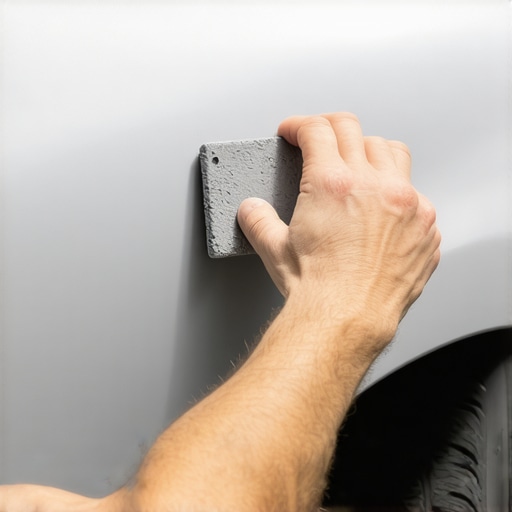 When it comes to automotive maintenance, many car owners have ingrained beliefs that can lead to costly mistakes or missed opportunities for longevity and performance. One common misconception is that all auto repairs or tune-ups are created equal, and that the cheapest option is always the best. In reality, quality workmanship and understanding your vehicle’s specific needs often trump price alone. For instance, a cheap oil change might save money upfront but could lead to engine wear if the wrong grade of oil is used or if the technician doesn’t perform a thorough check.
Another often-overlooked nuance involves the transmission system. Many believe that frequent flushing of the transmission fluid is unnecessary or even harmful. However, neglecting regular fluid changes can lead to buildup of debris and accelerated wear, especially in modern vehicles with complex transmission controls. It’s important to recognize that not all transmission fluids are universal; using the wrong type can cause slipping or damage. For example, some car manufacturers specify unique fluid formulations, making professional guidance essential.
Additionally, there’s a widespread myth that auto repairs are always immediately urgent. While some issues, like a leaking brake line, demand prompt attention, others—such as minor steering wheel vibrations—may develop gradually and can be monitored over time. Jumping to costly repairs prematurely can result in unnecessary expenditure. Learning to identify which symptoms warrant immediate action versus those that can wait is a key skill, often overlooked by car owners.
Are you aware of the traps that even seasoned drivers fall into during routine maintenance? For example, neglecting to check your brake fluid levels regularly can cause the brakes to feel hard before starting the engine, but many simply ignore this simple check. Regular inspections of fluids, belts, and filters often catch issues early—preventing costly repairs down the line.
What’s more, the quality of auto repair services varies significantly, and choosing a shop based solely on price can backfire. Skilled technicians who utilize proper diagnostic tools and genuine parts will ensure your vehicle’s longevity. I recommend trusting shops with a good reputation and transparent practices, like Collision Fixer, which emphasizes thorough diagnostics and quality repairs.
Confident car owners know that understanding these nuances—like the differences in transmission fluid types, the importance of correct maintenance schedules, and avoiding unnecessary early repairs—can save money and extend their vehicle’s life. Do you ever wonder if you’re overlooking a critical aspect of your car’s health?”,
Keep Your Vehicle Running Smoothly with the Right Tools
Nurturing your car’s health over time requires more than just routine visits to the mechanic; it demands the right equipment and a good understanding of maintenance methods. I personally swear by certain tools that have saved me both time and money during my auto repair journey. One of my favorite investments is a digital multimeter, which I use regularly to check battery voltage and future-proof my electrical system against unexpected failures. Unlike basic testers, a quality multimeter provides precise readings, helping me identify potential issues before they escalate.
Another critical gadget I rely on is a breaker bar. Standard socket wrenches often slip, especially when dealing with stubborn bolts on suspension components or transmission mounts. The extra leverage a breaker bar supplies makes loosening or tightening these bolts safer and more efficient. I’ve also found that a cordless electric impact wrench accelerates routine tasks during oil changes or tire swaps, often reducing a 15-minute job to just a couple of minutes.
How do I maintain my auto tools over time?
Proper tool care is vital for long-term reliability. Keep your impact wrench charged and store it in a dry environment. Clean socket adapters after each use to prevent corrosion. Always calibrate your multimeter according to manufacturer instructions to ensure ongoing accuracy—this is especially important if you rely heavily on electrical diagnostics. Additionally, investing in a quality torque wrench prevents under-tightening or over-tightening critical components, extending your car’s lifespan and avoiding costly repairs. For instance, maintaining correct torque on wheel lug nuts can prevent uneven wear or even dangerous loosening while driving.
Navigating the Future of Auto Maintenance
Emerging diagnostic software platforms are making vehicle maintenance more accessible for enthusiasts and professionals alike. Advanced OBD-II scanners now offer real-time data analysis and integrated troubleshooting guides, streamlining the repair process. I predict that automation and AI-driven diagnostics will become standard, allowing car owners to detect issues early through smartphone apps and sensor integrations, potentially reducing dependency on traditional auto shops.
If you haven’t already, I suggest trying a high-quality diagnostic scanner like the AUTEL MaxiCOM, which I personally use for speedy fault code readings and reset functions. It’s a game-changer for proactive maintenance, especially when combined with my preferred method of visual inspections and routine fluid checks from this detailed guide. Investing in these tools and staying informed is an investment in your vehicle’s longevity.
Maintaining Your Transmission and Cooling Systems
Transmission health is often overlooked until a costly failure occurs. Regularly checking and replacing transmission fluid at recommended intervals keeps the system lubricated and free of debris. I recommend using a hydraulic lift and high-quality fluid compatible with your vehicle, as specified in the owner’s manual. An automatic transmission is more sensitive than most realize, and neglecting maintenance can lead to slips, rough shifts, or total failure. To simplify this, I use a dedicated funnel with a built-in filter to prevent dirt from entering during fluid exchanges, ensuring a clean, clog-free operation.
Similarly, keeping the cooling system in top shape is vital, especially for vehicles driven during hot seasons or mountainous terrains. Regularly flushing the radiator with pre-mixed coolant using a specialized flushing kit ensures optimal heat transfer and prevents overheating. When performing these tasks, I rely on a digital infrared thermometer to monitor coolant temperatures, helping me verify system efficiency after each maintenance session. As we advance, sensor-based cooling diagnostics could become more common, providing continuous performance monitoring.
By consistently employing quality tools and adopting forward-looking maintenance methods, you ensure your vehicle remains reliable and performs at its best over the years. Remember, proactive care today reduces the risk of costly repairs tomorrow. So, try integrating a simple yet advanced tip like checking your transmission fluid with a dedicated funnel—your future self will thank you.
Lessons Hidden Behind Every Scratch and Transfer Mark
One of the most overlooked truths I’ve uncovered is that perfection in car maintenance often comes from small, consistent efforts rather than quick fixes. For example, I once thought a rough abrasive pad was the answer to paint transfer—only to find myself repairing a dull patch afterward. That lightbulb moment taught me that patience and gentle techniques often outperform aggressive shortcuts. Another lesson emerged when I avoided rushing to a dealership for minor paint smudges, choosing instead to try my own mild methods first; that saved me hundreds and preserved my clear coat’s integrity. Finally, understanding that professional detailers rely on the same gentle procedures I now recommend has been empowering—proving that the right approach can be both effective and safe for your vehicle’s long-term shine.