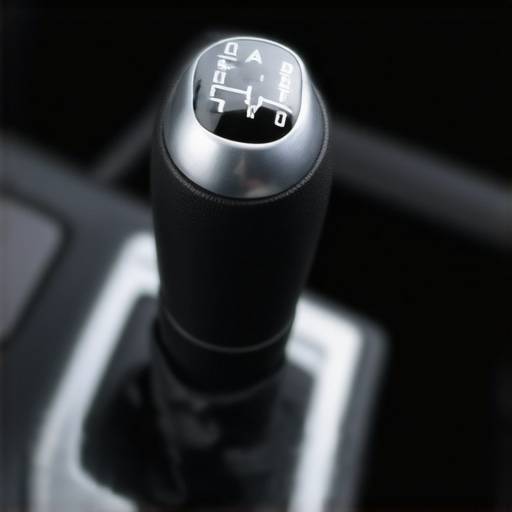
Ever slammed your car into Park, only to be jolted forward or backward with a harsh thump that makes your stomach drop? I’ve been there too—standing there, feeling that unsettling jolt, wondering if I’d done some permanent damage. At first, I thought maybe I was just unlucky or that my car was aging badly. But then I realized—this was a common problem, and it was fixable.
Why That Jarring Shift Is More Than Just Annoying
The truth is, that sudden jolt when shifting into Park isn’t just a minor inconvenience. It can be a signal of underlying issues with your transmission, shift linkage, or motor mounts. Ignoring it can lead to more serious repairs down the line—sometimes costing hundreds or even thousands of dollars. Plus, that rough shift takes away from the smooth, comfortable drive we all expect from our vehicles. I remember one time, I got so fed up with the jolt that I started researching, trying to figure out what was really going on instead of just accepting it as normal.
Does a Harsh Park Shift Really Warrant Worry?
Absolutely. I made the mistake early on of assuming my car was just getting old and that I couldn’t do much about it. Turns out, simple adjustments or replacements could often do the trick. I learned that many shift issues stem from worn bushings or misaligned components, which are surprisingly easy and inexpensive to fix if you know what to look for. Want to avoid unnecessary repairs? I’ll guide you through some proven steps based on my experience and expert advice. You might be surprised to learn that maintaining your transmission and related parts is more about regular checkups than waiting for disaster to strike.
If you’re tired of that jarring jolt and ready to regain that silky-smooth shift, stay with me. I’ll share the tips that helped me and could save you a good deal of money and frustration. Before we jump into the fix, I want to ask—have you ever experienced that aggressive thump when shifting into Park? If so, you’re not alone, and help is just steps away.
It’s worth noting that proper maintenance of your vehicle’s transmission components can even improve your overall driving experience. For a quick insight on how to keep your paint looking fresh through harsh winters, or how to diagnose those mysterious engine idles, check out this guide or that one.
Now, let’s dig into exactly what’s causing that nasty jolt and how to fix it—so you can stop feeling like you’re riding a bucking bronco every time you set your car into gear.
Check Your Transmission Fluid First
Under the hood, your transmission fluid acts like blood—lubricating and cooling your transmission components. A common cause of harsh shifts is low or dirty fluid. To inspect, locate the transmission dipstick, pull it out, and check the color and level. If it’s dark or low, perform a fluid change to restore smooth operation. I once neglected this step and kept blaming other parts until I realized a simple fluid flush made my gear shifts silky again.
Inspect and Replace Worn Bushings
Bushings are rubber or polyurethane cushions that absorb vibrations and allow movement between mechanical parts. Worn bushings in the shifter linkage or transmission mount can cause sudden jolts. To check, remove the linkage covers and look for cracks or excessive play. Replacing them is straightforward—just unbolt the old ones and install new ones. I replaced a set of bushings myself after watching a quick tutorial, and the difference was night and day in shifting comfort.
Adjust the Shift Linkage
Misaligned shift linkage can lead to hard or erratic shifts. Locate the linkage rod, usually near the transmission, and see if it moves freely. Loosen the adjustment bolts, then move the linkage to the correct position—usually confirmed by your vehicle’s manual or a repair guide. Tighten the bolts securely after adjustment. During my first attempt, I used a simple ratchet and found that a minor tweak restored smoothness to my gear engagement.
Test and Replace the Motor Mounts
Engine mounts hold your engine in place and absorb vibrations. Worn mounts can cause the entire drive train to shift unexpectedly, resulting in jolts. To test, observe the engine while someone shifts into Park—if it moves excessively, your mounts may be bad. Replace them by unbolting the old mounts and installing new ones, a task doable with basic tools. I tackled this myself after noticing increased engine movement, and it noticeably reduced the harshness during shifts.
Consider a Transmission Service
If all else checks out, a full transmission service might be necessary. This includes draining old fluid, replacing filters, and filling with new fluid. This process is critical because old fluid loses its lubricating properties, leading to rough gear engagement. For insight into proper procedures, check out this guide. I scheduled a service at my trusted shop, and my shifts became buttery smooth again—saving me a fortune in potential repairs.
Maintain Regular Checks to Prevent Future Jolts
Once fixed, make it a point to routinely inspect your transmission fluid levels and condition, especially after harsh driving conditions or winter. Proper maintenance ensures your vehicle shifts seamlessly, enhancing both safety and comfort. Remember, simple preventive steps can save you from bigger headaches down the line—like the time I caught a mounting issue early before it caused major damage. Stay vigilant, and your car will thank you for it.
Many car owners and even some technicians fall into a common trap: thinking that all auto repairs, especially collision fixing and transmission work, are pretty straightforward. But let’s dig deeper. The industry isn’t just about parts replacements or generic tune-ups; it’s filled with nuances that can make or break a repair’s longevity and your vehicle’s performance. Everyone stresses the importance of using quality parts, but where most get it wrong is in underestimating the importance of precise diagnostic procedures and understanding underlying system interactions.
A frequent myth is that a quick visual inspection can identify all issues. In reality, many problems, especially those related to transmissions or engine management, require specialized tools and knowledge that go beyond the naked eye. For example, a transmission might shift rough not because of a faulty gear set, but due to subtle electronic glitches or fluid contamination—not always visible without proper diagnostic equipment. Relying solely on visual checks can lead to unnecessary part replacements, which are costly and sometimes unnecessary.
Here’s an important caution: static measurements can be misleading. For example, checking a vehicle’s engine temperature or oil pressure during idle might not reveal intermittent faults that appear under load or during specific driving conditions. Variations in engine temperature, like those described in why your engine temperature gauge is jumping around, highlight the importance of experiencing or simulating real-world pressures before concluding repairs.
A trap I’ve seen many fall into involves over-relying on generic protocols instead of customizing diagnostics based on the vehicle’s history and symptoms. For instance, a cold night can cause your gear shifter to feel gritty, but that’s often more about lubricant viscosity changes in cold weather rather than an immediate mechanical failure. Recognizing these nuances prevents unnecessary repairs and saves money.
What about the often-missed step of verifying repair effectiveness after completing a job? Many assume that replacing a damaged part or adjusting a linkage guarantees a fix. But as I’ve learned, performing a thorough test-drive or system check—using advanced diagnostics—can reveal residual issues requiring further attention. For example, if your transmission’s fluid is contaminated or if a sensor has a slight misalignment, the problem persists even after obvious repairs.
Here’s an advanced tip—a good one for those who wish to deepen their understanding: regularly updating your knowledge with manufacturer-specific training and manuals is crucial. Vehicle systems are evolving rapidly, with hybrid systems and electronic controls becoming the norm. Relying on outdated or generic knowledge risks incomplete fixes. Remember, the industry’s edge is in mastering the interactions between mechanical and electronic systems.
Finally, I urge you to approach auto repair with a critical eye. While it’s tempting to think that fixing your car is just like replacing parts on a shelf, the real mastery lies in diagnosing and understanding the underlying system interactions and behaviors. This approach not only ensures a more reliable repair but also extends the lifespan of your vehicle.
Have you ever fallen into this trap? Let me know in the comments. In the end, a little deeper knowledge can make a big difference in how you approach collision fixer, tune-up, or transmission issues—saving you money and frustration in the long run.
Equip Yourself for Long-Term Success
Maintaining a vehicle isn’t just about reactive fixes; it’s about building a proactive toolkit that empowers you to diagnose and troubleshoot efficiently. One cornerstone in my toolkit is a high-quality OBD-II scanner like the OBD-II diagnostic tool. I personally rely on it because it provides real-time engine data, fault codes, and the ability to clear warning lights—saving me trips to the shop for minor issues. These devices have become more affordable and user-friendly, and mastering their use can drastically reduce unnecessary repairs.
Precision Software for Deep Diagnostics
Beyond physical tools, specialized software such as Techstream or Torque Pro allows for in-depth analysis of your vehicle’s electronic systems. I recommend integrating these with your smartphone or laptop. For example, when my engine temperature gauge starts jumping unpredictably, I use diagnostic software to pinpoint whether it’s a faulty sensor or wiring issue. These insights prevent guesswork and ensure I address root causes rather than just symptoms.
Don’t Forget Routine Maintenance Techniques
Basic yet powerful methods like resetting your oil life monitor can remind you to perform essential services on schedule. I use a simple process outlined in this guide to clear the oil change indicator, helping me stay on top of oil changes without expensive scanner equipment. Regular oil changes, along with fluid checks and belt inspections, form the backbone of reliable car longevity.
How do I keep my car’s performance optimal over years?
Consistent, scheduled maintenance tailored to your vehicle’s needs is key. Scheduling periodic transmission fluid changes, inspecting mounts, and checking bushings can prevent unexpected failures. For instance, replacing worn transmission bushings not only improves shift smoothness but also extends the life of your drivetrain. Staying ahead of issues with the right tools and schedules saves money and frustration in the long run. As my experience with these tools shows, tech-savvy maintenance is the future of reliable driving—especially with modern vehicles that integrate complex electronic systems.
The Hardest Lessons I Learned About Collision Fixes and Transmission Troubles
- I used to believe that a rough shift was just part of an aging vehicle, but I soon realized it was often a sign of minor issues like worn bushings or misaligned linkages that, once addressed, drastically improved my driving experience.
- Relying solely on visual inspections can be misleading—diagnostic tools and proper testing revealed hidden problems that simple checks couldn’t uncover, saving me from unnecessary repairs.
- The industry’s complexity means that deep knowledge about vehicle electronic systems and regular maintenance can prevent costly failures and extend the lifespan of my car.
- Investing in my own diagnostic toolkit empowered me to troubleshoot effectively, turning an intimidating process into a manageable, even enjoyable, part of vehicle ownership.
- Understanding the interactions between mechanical parts and electronics transformed my approach from reactive to proactive, ensuring my car stays reliable for years to come.
My Roadmap for Staying Ahead of Auto Troubles
Over the years, I’ve leaned on specific tools and resources that have become my trusted companions in maintaining my vehicle’s health. The high-quality OBD-II scanner allows me to catch issues early, saving thousands in repairs. For in-depth diagnostics, I rely on software like Techstream, which helps me understand my car’s electronic heartbeat. Resetting my oil monitor with simple techniques keeps me on top of routine service, extending my vehicle’s life. These tools and methods have been game-changers, making me more confident and less dependent on guesswork.
Empowering Your Journey Toward Better Car Care
Don’t let fear or uncertainty hold you back from engaging deeply with your vehicle’s needs. You have the power to diagnose, maintain, and even repair your car with the right knowledge and tools. Every minor fix you learn and apply builds your confidence, leading to smoother shifts, safer drives, and longer-lasting performance. Remember, the most impactful change begins with a single step—so why not start today? Your car will thank you, and so will your wallet. Have you ever tried diagnosing or fixing a transmission issue yourself? Share your experience below and let’s grow together in this journey of better car care.