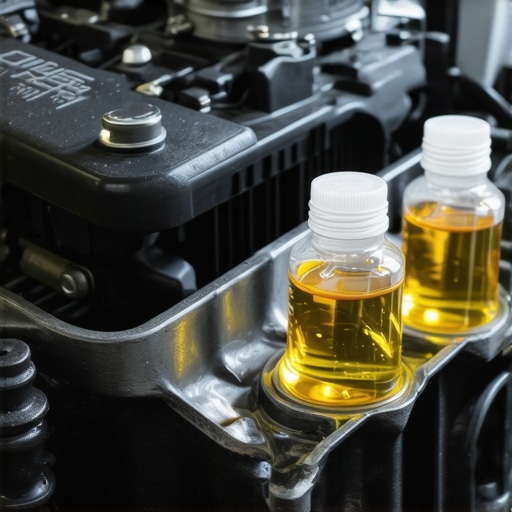
Ever felt that sinking feeling when your engine starts making strange noises after a long drive? I sure have. There was a time I threw everything I could at my car—best oils, premium filters, and yes, those high mileage oil additives promising to rejuvenate my aging engine. But honestly, I was mixing things up blindly, hoping for a miracle. That lightbulb moment hit me hard when I realized I might be actually harming my engine more than helping it.
Why High Mileage Oil Additives Are More Than Just Marketing Buzz
Let’s be real—our cars are like family. We want to keep them running smoothly as they rack up miles. With a little research, I learned that these additives boast claims of restoring compression, sealing leaks, and reducing oil consumption. But here’s the rub: not all of these promises hold up under scrutiny. I remember replacing my engine’s seals only to find the problem persisted. That’s when I started digging deeper. It turns out, many high mileage oils contain detergents and seal conditioners—ingredients that can sometimes do more harm than good if used improperly. According to automotive experts, overstating the benefits of these additives can lead to overlooked underlying issues, and in some cases, they may clog passages or contribute to sludge buildup. To truly understand whether these products are a good investment, we need to look at what they can genuinely do—and what they can’t.
Is This Stuff Actually Worth the Hype?
Early on, I made the mistake of believing every shiny claim on the label. I added a bottle of additive without considering my engine’s specific needs or consulting my mechanic. The result? No noticeable improvement, and I still had to face that gnawing doubt—was I just wasting money? That’s a common mistake I want you to avoid. Instead of jumping on the hype train, it’s smarter to assess your engine’s condition and understand what these additives can realistically accomplish. For example, if your vehicle is experiencing oil leaks or burn-off issues, some seal conditioners might offer temporary relief, but they won’t fix the root cause. Curious to know how to tell if an additive will actually help your car? Keep reading, because I’ll walk you through the evidence and expert opinions, so you can make an informed choice rather than falling for a marketing ploy.
Assess Your Engine’s Needs Before Adding Any Additives
Start by inspecting your engine to determine if additives are necessary. Check for visible leaks, unusual noises, or performance issues. For instance, I once noticed my engine overheating and decided to evaluate whether a cooling system flush was needed, which resolved the problem without unnecessary additives. Use a flashlight and a mirror to spot leaks or debris that might clog passages. Remember, proper diagnosis prevents unnecessary expense and potential harm.
Perform a Basic Visual Inspection and Fluid Checks
Next, open your hood and examine vital components. Look for cracks, corrosion, or loose hoses. Check the oil level and clarity—use the dipstick, wipe it clean, and re-dip for an accurate reading. If the oil is dark but at the correct level, consider a change instead of relying solely on additives. For coolants, if the level is low or the fluid looks rusty, plan a flush using DIY guides, like the one for flushing your cooling system, to avoid contamination. This step ensures you understand your engine’s baseline health.
Identify Common Symptoms and Their Causes
If your car jerks when taking off or stalls, these issues often stem from simple problems. For example, I once fixed my jerking throttle by replacing a faulty plastic clip that holds the throttle cable, which I found while inspecting under the hood (see how to replace a plastic clip). Recognize symptoms like high idle speeds, uneven pulling, or strange noises. Consult diagnostic resources or trusted tutorials to match symptoms with causes, preventing misdiagnosis and unnecessary parts replacement.
Test and Replace Faulty Components
Once you’ve pinpointed suspect parts, test them systematically. For example, to check if your struts are leaking, place a finger on the shock body and push down; if it bounces excessively, replacement is needed (learn how to test your struts). Use a multimeter to verify electrical components, or remove and inspect parts for wear. Document your findings to track progress and avoid costly surprises during repairs.
Perform Routine Maintenance Tasks the Right Way
Regular tasks like oil changes, air filter replacements, and fluid flushes are crucial. When changing oil, drain it fully, replace the filter, and add fresh oil of recommended grade—never skimp on quality. For cooling system maintenance, drain old fluid and refill with the correct coolant mixture; follow a step-by-step guide for minimal mess (see how). This proactive approach keeps your engine running smoothly and prevents issues that expensive repairs.
Monitor Drive Behavior and Fine-Tune Accordingly
Pay attention to how your car responds over multiple drives. If you notice a drifting car during coasting or flickering high beams, these can indicate underlying electrical or suspension problems. For instance, adjusting the alignment or replacing worn bushings can dramatically improve handling (learn about suspension checks). Use your observations to schedule targeted repairs or maintenance, maintaining optimal vehicle performance over time.
Keep a Maintenance Log and Plan Ahead
Document every inspection, repair, or part replacement. A simple spreadsheet or a physical notebook helps track your vehicle’s history and schedule future tasks, such as inspecting the radiator fan or replacing your worn-out gasket. Regular monitoring ensures you catch issues early, saving money and avoiding breakdowns during critical moments.
Many car owners believe that rapid, routine transmission flushes are always necessary to keep their vehicles in top shape, but in reality, this is one of the most misunderstood practices in auto maintenance. Over-flushing can sometimes strip essential lubricants, leading to increased wear and tear. Experts suggest that regular fluid checks and targeted repairs are often more beneficial than aggressive flushing routines. For instance, if your transmission shows signs of slipping or rough shifting, a simple fluid change or addressing a worn seal might suffice, rather than a complete flush that could disrupt delicate internal components. Additionally, there’s a prevalent myth that all car service involves expensive parts replacements. However, many issues—like minor leaks or vibration—can be resolved with simple, cost-effective fixes if diagnosed correctly. Rushing into costly repairs without understanding the underlying problem often leads to unnecessary expenses. Understanding these nuances allows you to approach auto repairs with confidence and avoid being misled by marketing hype. For example, some drivers assume that frequent oil changes are essential every few thousand miles, but recent studies indicate that sticking to the manufacturer’s recommended intervals, especially with synthetic oils, can optimize engine health and save money. This approach not only preserves your vehicle’s lifespan but also helps you avoid common pitfalls, such as replacing parts prematurely or neglecting critical issues until they worsen.
Investing in Quality Tools for Long-Term Performance
Having the right equipment elevates your auto repair game from guesswork to precision. I personally rely on a high-quality digital multimeter because it allows me to diagnose electrical issues accurately, such as testing for bad ground wires (see how to spot a bad ground wire). A good multimeter helps prevent unnecessary replacements and saves time. Additionally, a reliable torque wrench is indispensable when tightening bolts during brake repairs or suspension work, ensuring safety and adherence to manufacturer specs. For fluid changes, I prefer a pump with a flexible hose because it makes draining and refilling through narrow fill ports easier and less messy.
The Power of Diagnostic Software and Digital Scanners
Moving beyond manual tools, integrating automotive diagnostic software transforms vehicle troubleshooting. I use a professional OBD-II scanner that connects via Bluetooth to my smartphone, allowing me to read and clear error codes, monitor live sensor data, and even reset maintenance monitors. Unlike generic scanners, my device offers real-time feedback on engine performance metrics, guiding me to issues like faulty sensors or misfiring cylinders before they escalate. These tools are evolving rapidly, with features such as embedded tutorials or remote technician support becoming more common. As vehicle electronics become more complex, investing in a quality scanner ensures you’re prepared for future challenges.
Embracing Effective Maintenance Methods
For routine tasks, I swear by a methodical approach combining visual inspections with targeted testing. For example, when changing coolant, I follow a step-by-step flushing process with a dedicated kit, which includes a garden hose adapter and a flush valve—this way, I avoid overspill and contamination (see how to flush your cooling system). Similarly, verifying the integrity of suspension components like struts involves more than just a visual check; I perform bounce tests and examine for fluid leaks, referencing detailed guides from trusted sources. Consistently applying precision techniques ensures your repairs not only last longer but also improve your vehicle’s overall lifespan.
Planning for the Future of Car Maintenance
Looking ahead, automation and smart diagnostics will become standard. AI-powered software can predict when components might fail, based on driving habits and sensor data, allowing proactive replacements instead of reactive fixes. For enthusiasts, integrating these trends might mean upgrading to systems capable of remote monitoring or using telematics to track vehicle health over time. This evolution aims to reduce unexpected breakdowns and optimize maintenance efforts, turning auto care into a more predictive science.
How do I keep my tools and techniques effective over time?
Regular calibration of diagnostic tools ensures accuracy, while staying current with manufacturer updates expands your troubleshooting capabilities. I recommend dedicating time each year to review the latest software updates and replacing worn-out hand tools. A well-kept toolkit not only streamlines repairs but also enhances safety — an essential aspect when working on critical components like brakes or suspension. For example, ensuring your torque wrench is properly calibrated prevents over-tightening, which can be as damaging as under-tightening (learn how to check your ground wires). Take small steps to maintain your gear and stay informed; that effort pays off with reliable, long-lasting results. Give one of these techniques a try today, perhaps calibrating your torque wrench, to take your auto maintenance to the next level.
The Hardest Lesson I Learned About Transmission and Auto Repairs
- Early in my journey, I believed more frequent fluid flushes meant better transmission health. Turns out, overdoing it can lead to unnecessary wear and tear, costing me more in the long run. Now, I focus on following manufacturer guidelines and doing proper diagnostics rather than routine over-treatment.
- Ignoring small warning signs like irregular shifting or slipping delayed my repairs and made problems worse. Paying attention to my car’s subtle cues taught me the importance of proactive care, saving me from expensive overhaul surprises later.
- I used to rely solely on generic tools and guesswork, which sometimes led to improper fixes. Learning to invest in quality diagnostic tools and understanding basic troubleshooting has drastically improved my confidence and results, confirming the value of proper equipment and knowledge.
- Skipping professional advice for quick fixes often deepened my issues. Consulting trusted resources and experienced mechanics helped me avoid costly mistakes and develop a sustainable maintenance routine tailored to my vehicle’s needs.
- Finally, I discovered the power of regular inspections and maintenance logs. Tracking my repairs and updates keeps my car in peak condition and prevents minor issues from turning into major headaches, proving that good record-keeping is key to long-term savings and peace of mind.
Tools and Resources That Changed My Approach
- OBD-II Bluetooth Scanner: This device allows me to quickly read and clear error codes, giving me real-time insights into my vehicle’s health. It has helped me catch issues early and understand what needs immediate attention.
- Digital Multimeter: Reliable for diagnosing electrical problems, ensuring I don’t replace parts unnecessarily. Understanding how to use it properly has saved me time and money.
- Cooling System Flushing Kit: DIY-friendly tools that make flushing my radiator straightforward, avoiding mess and contamination. I trust this method because it’s thorough and cost-effective.
- Vehicle Maintenance Books: Guides from trusted authors have demystified complex repairs, giving me confidence and clarity on tackling minor repairs myself.
Take Charge of Your Vehicle Today
Remember, the journey to a well-maintained car isn’t just about fixing things when they break—it’s about understanding your vehicle’s unique needs and staying ahead of issues. With the right knowledge, tools, and proactive attitude, you can extend your transmission’s lifespan and keep your engine running smoothly for years to come. Don’t wait for warning lights to blink—start applying these lessons today and turn auto care from a chore into a rewarding habit.
What’s the most surprising thing you’ve learned about maintaining your car’s transmission or engine? Share your story below and let’s grow our auto repair wisdom together!