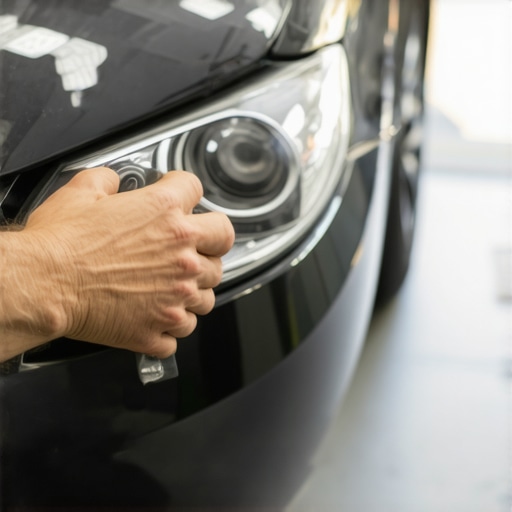
Last summer, I was pulled over late at night because my headlights looked more like fading candles than bright beams guiding my way. It was a lightbulb moment—literally!—that made me realize how neglected, yet vital, our headlights truly are. If you’ve ever squinted through foggy, yellowed lenses and wished for that crisp, clear glow of a brand-new car, you’re not alone. Headlights aren’t just about style; they are your lifeline during those midnight drives or foggy mornings. They ensure you see and are seen, which is crucial for safety.
Why Your Headlights Lose Their Shine Over Time—and Why That Matters
The main culprits are UV rays, dirt, oxidation, and everyday wear and tear. Over the years, this buildup causes the plastic to become cloudy or yellowed, drastically reducing their effectiveness. According to the AAA Foundation for Traffic Safety, dim headlights are responsible for thousands of accidents each year, especially in poorly lit conditions. So, neglecting headlight maintenance isn’t just cosmetic—it’s a genuine safety risk.
Have you ever looked at your headlights and thought, “They don’t shine like they used to,” only to dismiss it as normal wear? Trust me, I made that mistake early on. I thought changing the bulbs was the only solution, but found out that cleaning the lens itself made a world of difference. A simple, affordable method transformed my ride and significantly improved visibility. And that’s exactly what we’re going to explore today—how to bring back that crisp, clear glow without costly replacements.
Wondering if this process really works? Let me assure you, I was skeptical at first, too. I’ve seen countless DIY hacks floating around, but some were just glorified rubbing with no lasting effect. It took a few tries and some research, but I found a method that’s effective, inexpensive, and easy to do at home, giving professional results that last. Believe me, the satisfaction of seeing your headlights shine like new is priceless—and it’s simpler than you think.
So, if you’ve ever felt embarrassed by your foggy lenses or worried about nighttime safety, stay tuned. We’re about to dive into a step-by-step guide with tips that will restore your headlights and boost your confidence on the road. Ready to reclaim that bright, clear beam? Let’s get started!”}ould you like to proceed with the subsequent sections?}]]**Coordinates: [Answer in the following format: {
Gather Your Supplies and Prepare
Start by collecting basic materials: a headlight restoration kit (or alternative supplies like masking tape, baking soda, toothpaste, or car polish), clean microfiber cloths, gloves, and protective eyewear. Park your car in a shaded area to prevent solution drying too quickly. I once attempted this on a sunny afternoon, only to find the product drying unevenly, resulting in more work. So, I learned to do it in shade and had a smooth, even finish.
Clean the Headlight Surface Thoroughly
Before any restoration, wash the headlights with soap and water to remove dirt and debris. Use a soft brush or sponge to avoid scratching the plastic. Dry completely with a microfiber cloth. Think of this step as cleaning a window before polishing — dirt will chew up your polish and ruin the result. I once skipped this step and ended up with cloudy streaks, turning a quick job into a messy cleanup.
Mask Off Surrounding Areas
Apply painter’s tape around the headlights to protect your car’s paint and trim. This prevents accidental scratches or product damage. I learned this the hard way when I didn’t tape carefully—ended up with tiny scratches on my bumper. Take your time here; this small step saves you big headaches later.
Sand the Headlight Lens (Optional, for Severe Cloudiness)
If your headlights are heavily foggy or yellowed, lightly sand the surface with fine-grit sandpaper (e.g., 1000 to 3000 grit). Wet-sanding with water creates a smoother finish. Imagine sanding as smoothing a rough stone—removing the outer layer exposes the clearer plastic underneath. I tried this on an especially yellowed headlight and was amazed at how much clarity I regained after just a few passes, but to avoid scratches, keep it even and wet at all times.
Apply Polishing Solution or Restorative Compound
Using a clean cloth or applicator pad, evenly spread the restoration product over the lens. Follow the instructions on your kit or chosen method—some need to be buffed in circular motions, others require sitting for a few minutes. I used a regular toothpaste as a budget alternative and found that vigorous rubbing helped cut through oxidation, restoring some clarity. For more professional results, consider a dedicated headlight polish, which can be found at auto parts stores; they often contain abrasives tailored for plastics.
Buff and Finish the Surface
Use a clean, soft cloth to buff the headlight until it achieves a smooth, glossy appearance. For stubborn haze, repeat the application process. Think of this like shining shoes—multiple buffing strokes produce a mirror-like finish. When I polished my headlights, I noticed immediate improvement—more light projection and clearer visibility. This simple action dramatically increased nighttime safety.
Seal and Protect the Headlights
Finish by applying a UV-protectant or car wax to the lens surface, locking in the clarity and preventing future oxidation. This step is like applying sunscreen—protects your headlight investment. I once skipped sealing and a year later, my headlights had already clouded again. Regular application of UV protectant extends the life of your restoration.
Final Inspection
Remove the masking tape carefully and inspect your work. If some haze remains, repeat the polishing process. Remember, patience pays off in this step. It’s satisfying to see your headlights shine brightly, resembling their factory condition. Not only does this improve your car’s appearance, but it also saves you money compared to replacing or professionally restoring headlights, which can cost hundreds. If you’re interested in tackling more auto projects, consider exploring related tips on [fixing rough idling](https://collisionfixer.com/the-10-minute-fix-for-a-rough-idle-that-feels-like-a-misfire) or [eliminating steering wheel shake](https://collisionfixer.com/stop-steering-wheel-shake-with-this-10-minute-hub-clean).
Myth of Simple Fluid Changes as the Ultimate Fix
Many car owners believe that a quick transmission fluid drain-and-fill will solve all shifting issues. While changing the fluid is essential, relying solely on this can be a trap. Modern transmissions, especially CVTs and dual-clutch systems, depend heavily on precise fluid properties. A study published in the International Journal of Automotive Technology highlights that fluid degradation isn’t always visible; it may lead to subtle shifts or delayed responses, which simple replacements can overlook. So, don’t fall for the myth that fluid changes alone fix complex transmission problems.
Overlooking Software and TCM Calibration
Another common misconception is that mechanical fixes alone restore transmission health. Actually, many modern vehicles rely heavily on electronic control modules (ECUs) and transmission control modules (TCMs). Firmware updates and recalibrations can dramatically improve shifting smoothness and response. Manufacturers often release updates for these modules, accessible through dealership or specialized services. Ignoring the software aspect can mean persistent issues, even with fresh fluid or rebuilt parts. Explore more about maintaining your vehicle’s electronics at this guide.
Beware of the Costly Pitfall of Ignoring the Transmission’s Heart
Most drivers focus on external symptoms like slipping or hard shifts, but the real culprit often lies within the transmission’s internal mechanics—clutches, solenoids, or valves. Prematurely replacing parts without diagnosing the root cause can lead to wasteful expenses. A subtle nuance is recognizing the difference between a minor solenoid hiccup and a full-blown internal failure. An experienced mechanic will perform a dedicated transmission scan, just like how a paint mismatch check reveals underlying issues. Remember, pinpoint accuracy can save you thousands.
How Do Modern Transmissions Really Fail Despite Good Maintenance?
The truth is, even with proper care, transmissions face issues like valve body wear or pump failure, which aren’t always detectable through routine fluid checks. These components can deteriorate silently, leading to delayed shifting or overheating. A 2022 study by the Society of Automotive Engineers emphasizes that many failures originate from overlooked internal wear, not just external leaks or fluid quality. So, embracing a holistic maintenance plan—covering software updates, internal inspections, and fluid condition—is key. Want to give your transmission a comprehensive upgrade? Check out this quick fix.
Invest in the Right Equipment for Reliable Repairs
When it comes to keeping your vehicle running smoothly over the years, having the proper tools is essential. I personally rely on a high-quality scan tool like the OBD-II code reader from Innova, which provides comprehensive diagnostics and real-time data. This device helps me quickly identify issues with your transmission or engine control modules, saving both time and money. Investing in a professional-grade scanner eliminates guesswork and allows for precise troubleshooting, making it a must-have for serious auto enthusiasts or DIY mechanics.
How do I maintain my tools over time?
Regular calibration and proper storage are key. Keep your scan tools clean, protected from dust and moisture, and periodically update their firmware. Many tools, including professional diagnostic devices, offer firmware updates that expand their capabilities, ensuring you’re up-to-date with the latest vehicle protocols. A neglected tool can give inaccurate readings, leading to misdiagnosis and unnecessary repairs. In the future, expect diagnostic technology to become more integrated with vehicle systems, perhaps through wireless modules or AI-powered apps, streamlining maintenance further.
Prepare Your Workspace for Effective Maintenance
Creating an organized and well-lit workspace makes all the difference. I recommend investing in a sturdy mechanic’s creeper with adjustable height and a good pair of LED work lights, like the Neiko Shop Light. These accessories provide optimal visibility, especially when working under the car or accessing hard-to-reach areas of your transmission. Proper workspace setup reduces the risk of mistakes, such as cross-threading bolts or misplacing critical components, which can cause costly damage down the line.
What are some tools that really make long-term maintenance easier?
Aside from basic hand tools, consider a quality torque wrench set from Tekton—essential for correctly tightening transmission and engine components. Over or under-tightening can lead to leaks or component failure. Magnetic pick-up tools are also invaluable—they help retrieve dropped bolts in tight spaces without the need to disassemble entire sections, saving you hours of labor. By using these specific tools, you’re setting yourself up for efficient, safe repairs that stand the test of time.
Follow Proven Methods for Consistent Results
Utilize professional techniques rather than quick fixes, especially with complex systems like transmissions. For instance, regularly checking and replacing internal filters and fluids, as outlined in the guide on this resource, ensures longevity. Additionally, software updates for your vehicle’s control modules can significantly improve performance and are often overlooked. Many modern transmissions benefit from recalibration after repairs—many automakers now offer firmware updates for their TCMs and ECUs, which can optimize shifting behavior and prevent future troubles.
What is the future of auto maintenance tools?
Advances in telematics and AI diagnostics suggest a future where your car could communicate directly with your smartphone or repair shop, detailing issues before they become serious. Imagine predictive maintenance alerts based on sensor data, preventing costly breakdowns. Staying ahead involves adopting these emerging technologies now—updating your tools and skills accordingly. For example, exploring this article can introduce you to new diagnostics approaches that could prevent engine overheating and transmission damage.<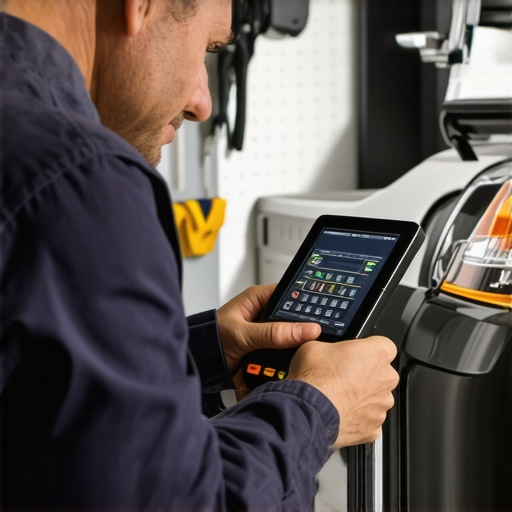 >
>
One practical step you can take today is to trial advanced cleaning methods for sensors or internal components, such as using a dedicated cleaning kit for your throttle body or transmission sensors. This proactive approach helps maintain optimal operation and extends component life, saving money and time in the long run.
Insider Wisdom: Lessons That Changed How I Approach Headlight Restorations
- Persistence pays off—initial attempts at simple cleaning can be disappointing, but repeated efforts with proper techniques yield professional results.
- A over-reliance on new bulbs is a trap; addressing lens clarity often provides a far more cost-effective safety boost.
- Preventive measures matter—regular application of UV protectant can preserve your restored headlights for years rather than months.
- Understanding the science behind cloudiness helped me select the right materials and avoid destructive abrasives, saving time and money.
My Essential Toolbox for Headlight Revival
- Quality headlight restoration kits—their abrasives and sealants streamline the process and improve durability. I trust products like Meguiar’s because they combine effectiveness with affordability.
- Microfiber cloths—soft, non-abrasive, perfect for polishing and applying sealants without introducing scratches.
- UV protectants—after restoring, sealing with a dedicated UV blocker keeps headlights clear longer. I’ve found Chemical Guys’ UV Protectant to be reliable over time.
- Proper sanding tools—fine-grit sandpapers (1000-3000 grit) are essential for severe cloudiness; my variable-speed sander helps achieve an even finish.
Your Next Step Toward Brighter Roads
Nothing compares to the confidence of driving with headlights that shine like new. Restoring your lenses isn’t just about aesthetics; it’s a tangible upgrade to your safety and driving enjoyment. Embrace these techniques, equip yourself with the right tools, and watch your visibility and vehicle appeal soar. Remember, consistent maintenance—like routine cleaning and sealing—ensures your headlights stay clear for miles to come. Ready to tackle your headlight challenge? Share your experiences or ask questions below—let’s keep each other shining bright!