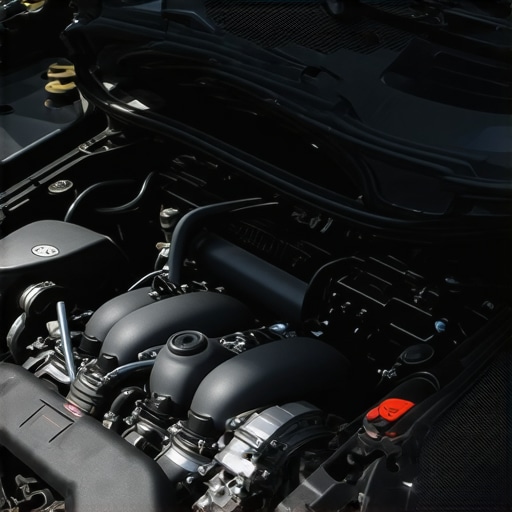
It was one of those mornings when I was late, rushing to leave for work, only to hear that dreaded pinging noise under acceleration. Frustration bubbled up as I pushed the gas pedal and the engine responded with a loud, unsettling knocking. That was my lightbulb moment—realizing that simple maintenance could prevent such headaches. If you’ve ever experienced engine knocking or pinging when driving uphill or towing, you’re not alone. These issues can feel frustrating and confusing, especially when you’re unsure of the cause. But here’s the good news: I discovered that a straightforward intake cleaning could be the game-changer. Today, I want to share how this simple step can stop engine pinging under load, saving you time and money.
Why Engine Pinging Happens and How an Intake Clean Can Help
Engine pinging often occurs when your engine isn’t getting the right mixture of air and fuel or when deposits clog the intake system, leading to inefficient combustion. Over time, carbon buildup and dirt can restrict airflow, causing the engine to run hotter and knocking during high-stress situations like climbing hills or carrying heavy loads. Early on, I made the mistake of ignoring these signs, thinking it was just normal wear and tear. But neglecting this problem can lead to more serious damage—costly repairs and reduced fuel efficiency. By performing a simple intake clean, you can effectively remove out deposits and restore proper airflow, which helps your engine breathe better and prevents that pinging noise under load. Doing this maintenance isn’t just DIY folklore; it’s backed by experts who emphasize the importance of keeping your intake system clean for optimal engine performance. If you’re tired of that knocking sound and want a practical, cost-effective solution, I’ll walk you through how to do this in just a few easy steps. Plus, for more detailed guidance, check out our guide on fixing engine surging at idle, which also touches on intake issues. Ready to get your engine running smoothly again? Let’s dive into the practical side that can make a real difference.
Is Your Engine Buying Into the Hype? Be Wary of Quick Fixes
Earlier in my journey, I once thought fuel additives would fix all my engine troubles. We often fall into the trap of chasing quick fixes without addressing underlying causes, like carbon buildup or intake restrictions. Trust me, I learned this the hard way. For an honest perspective, learning to properly diagnose and fix the root of engine knocking saves money and prevents future headaches. Don’t be fooled by claims that instant solutions work overnight—sometimes, a simple intake clean is all it takes to rid your engine of that pesky pinging. Want to avoid common mistakes and ensure you’re on the right track? I recommend reading about red flags collisionfixer experts use to spot overpriced repair quotes, which can help you spot genuine fixes versus scams.
Remove the Air Intake Components
Start by locating your vehicle’s air filter housing, usually a large plastic box connected to a hose leading to the throttle body. Use screwdrivers or socket wrenches to loosen clamps and bolts holding the housing in place. Carefully remove the air filter, noting its orientation for reinstallation. This initial step requires caution to avoid damaging any clips or connectors. I recall a time when I mistakenly dropped a screw into the engine bay, delaying the process, but patience avoided further issues.
Assess and Replace the Air Filter
Check the condition of the air filter—you should replace it if it appears dirty, clogged, or has debris. A dirty filter restricts airflow, contributing to engine pinging. Installing a new filter ensures unobstructed airflow, promoting cleaner combustion. Remember, a clean filter not only improves performance but also extends engine life. After replacement, note the increased engine responsiveness during testing.
Use a Throttle Body Cleaner Effectively
Spray throttle body cleaner onto a clean cloth or directly into the throttle body opening. Gently scrub the interior surfaces, paying attention to carbon deposits that hinder airflow. Do not spray cleaner directly into the intake to avoid damaging sensors. As I performed this task, I found the buildup of black carbon quite evident, and cleaning it resulted in a smoother idle. For best results, I repeated the process until the residue was gone.
Clean the Intake Manifold and Valve Area
If accessible, remove the intake manifold or components covering the valves. Use a specialized cleaner and a soft-bristled brush to dislodge carbon deposits and dirt. Be cautious not to damage delicate sensors or vacuum lines. This step can seem intimidating, but with patience, it’s manageable. Proper cleaning can restore airflow and significantly reduce knocking during load conditions. Here, I learned that ignoring these deposits sooner or later leads to poor performance and increased fuel consumption.
Inspect and Clean Mass Air Flow Sensor (MAF)
Locate the MAF sensor along the intake hose—usually a small, delicate component with an electrical connector. Carefully detach it, and spray MAF sensor cleaner onto a soft brush or cloth. Gently clean the sensor’s filaments without forcing or touching the fragile elements. Reinstall the sensor securely afterward. Dirty MAF sensors hamper accurate air measurement, causing rich or lean mixtures. After cleaning, I experienced smoother acceleration and more consistent idle, a testament to their importance. This process is recommended periodically to maintain optimal engine performance, akin to tuning up a musical instrument for the best sound.
Reassemble and Test Drive
Replace the intake components in reverse order, ensuring all clamps and bolts are tightened properly. Start the engine and observe for abnormal noises or rough idling. Take a short drive, preferably under load or uphill, to assess improvements. You may notice reduced knocking, better throttle response, and improved fuel efficiency. Remember, this DIY clean can postpone or prevent costly repairs by ensuring your engine breathes better. Regular maintenance like this, akin to clearing the lungs of a performer, keeps your vehicle singing smoothly for miles to come. For more detailed guidance on related issues, explore how to upgrade your ignition system to prevent misfires and knocking.
Even seasoned vehicle owners often fall prey to misconceptions about car maintenance and repair practices. One common myth is that chasing quick fixes—like over-relying on fuel additives or cheap repairs—can substitute for addressing underlying issues. In reality, many of these shortcuts only mask problems until they escalate into costly repairs. For instance, believing that a simple engine flush can fix carbon buildup ignores the importance of thorough cleaning of critical components such as the intake or fuel injectors, which can significantly impact performance and longevity.
Another nuanced aspect often overlooked is the significance of diagnosing the root cause of issues like transmission slippage or engine misfires before proceeding with repairs. Skipping detailed diagnostics can lead to unnecessary replacements, which dramatically inflate costs and downtime. For example, an unresolved vacuum leak can mimic symptoms of faulty sensors, leading technicians astray if they don’t thoroughly assess the entire system.
Are We Preventing Troubles by Misinterpreting Maintenance Signals?
It’s a misconception that regular maintenance schedules are just guidelines. In fact, understanding the subtle signs your vehicle exhibits—such as unusual transmission noises or slight shifts in idle quality—can preempt major failures. Experts stress that advanced diagnostics and understanding component interplays can differentiate between simple tune-up needs and deeper system failures. According to automotive engineer Dr. Mark S. Olson, paying close attention to small changes and addressing them early can save drivers hundreds, if not thousands, of dollars.
Beware of assuming that all repairs are straightforward when in reality, complex interactions among parts like the transmission pressure sensors or valve bodies demand expert insight. For example, a buildup of debris in your transmission cooler lines can cause intermittent shifts, identical to a slipping clutch, but the correct fix lies in proper cleaning rather than replacing entire units. To avoid falling into traps that could lead to overpaying or recurring issues, check out these red flags experts use to spot overpriced repair quotes—a valuable resource for discerning genuine value from scams in auto repair.
Finally, understanding the complexity behind seemingly simple tasks—like a tune-up or a fluid change—can help vehicle owners make smarter decisions. A comprehensive tune-up might involve more than just replacing plugs; it should include checking ignition coils, cleaning sensors, and inspecting the intake system. Recognizing these nuances ensures you’re not just reacting to symptoms but proactively maintaining your vehicle’s health. Don’t be swayed by myths that all repairs are generic; every vehicle’s system is interconnected, and advanced knowledge allows for precise, efficient fixes. Have you ever fallen into this trap? Let me know in the comments.
Keep Your Vehicle Running Smoothly with the Right Tools
Maintaining your car over the long term requires more than just basic knowledge; it demands the use of precise, high-quality tools that can handle the intricacies of modern automotive systems. As an auto repair enthusiast, I rely heavily on a few specific instruments that have proven invaluable for diagnostics and repairs. One such tool is an OBD-II scanner that goes beyond generic code reading. I use the BlueDriver Bluetooth Pro OBDII Scanner because it provides detailed live data and connects seamlessly to my smartphone, allowing me to monitor engine parameters in real-time. This is especially useful when diagnosing intermittent issues like idle glitches or transmission lag, which often require monitoring multiple sensors simultaneously. For instance, checking real-time data on your idle speed glitches can reveal hidden problems that simple code readers might miss.
In addition, a quality set of precision screwdrivers and socket wrenches is fundamental. I prefer ratcheting tools with ergonomic grips to reduce hand fatigue, especially when working on tight engine compartments. My go-to is the Stanley FatMax toolkit, which offers durability and a wide range of sizes. It’s critical when removing intake components or accessing sensors during a tune-up or intake cleaning process.
Implementing Advanced Diagnostic Techniques
Modern vehicles, particularly around model year 2026, incorporate complex electronic systems that benefit from specialized diagnostic methods. One technique I swear by is using a vacuum leak detector that can pinpoint sneaky leaks affecting performance. For instance, recent trends show that faulty vacuum lines are a common culprit behind engine surging or transmission shifting issues. Using a smoke machine, such as the OTC Genisys Smoke Machine, allows me to visualize leaks and avoid unnecessary part replacements. This approach ties back to preventing problems like transmission slipping caused by vacuum-related issues impacting control modules.
Leverage Software and Apps for Precision
Besides hardware, software plays a critical role in ongoing maintenance. I recommend automotive diagnostic apps like OBDeleven or Torque Pro, which integrate with Bluetooth scanners for advanced troubleshooting. These apps allow me to clear error codes, log sensor data, and even calibrate certain systems. For example, recalibrating your shift logic can be done efficiently with these tools, improving transmission behavior without expensive repairs.
What Are the Trends Shaping Future Car Maintenance Tools?
Looking ahead, the integration of AI-driven diagnostics promises to revolutionize how we approach car upkeep. Portable devices with machine learning algorithms will soon be capable of diagnosing issues before symptoms even appear, saving time and preventing breakdowns. Staying updated with the latest tech ensures you’re prepared to handle future challenges effectively.
Try incorporating a diagnostic scan with real-time data monitoring into your routine. It’s a game-changer that can help you catch issues early and avoid costly repairs down the line. For more on mastering diagnostics, explore our detailed guide on diagnostic fixes for engine power loss.
Lessons That Turned My Auto Repair Game Around
- Never underestimate the power of a thorough intake cleaning — it’s often the key to resolving engine pinging and saving expensive repairs.
- Beware of quick fixes; understanding the root cause of engine issues prevents recurring problems and costly replacements.
- Mastering diagnostic tools and techniques provides insights that go beyond surface symptoms, leading to more effective repairs.
- Patience during procedures like sensor cleaning or intake disassembly reveals subtle issues that could otherwise be overlooked, improving longevity.
My Toolkit for Vehicle Health and Longevity
- The BlueDriver Bluetooth Pro OBDII Scanner — I trust it because its real-time data helps me catch issues early and avoid roadside surprises.
- Precision screwdrivers and socket wrenches, especially the Stanley FatMax, have been invaluable for delicate engine bay work and component access.
- A smoke machine from OTC Genisys — crucial for visualizing hidden vacuum leaks that sabotage engine performance.
- Diagnostic apps like Torque Pro, which turn smartphones into powerful troubleshooting tools, making complex repairs more manageable and affordable.
Your Next Step Toward a Smoother Ride
Remember, the journey to optimal vehicle performance isn’t a one-time fix but an ongoing process of learning and applying practical maintenance. Embracing these insights and tools will empower you to diagnose, repair, and even prevent issues like engine pinging on your own. Keep curiosity alive and don’t shy away from exploring deeper automotive knowledge. Your car’s health depends on the care you invest today, so why not start now? How have you handled engine noise or performance issues before? Share your experience below and let’s learn together.
Comments are closed.