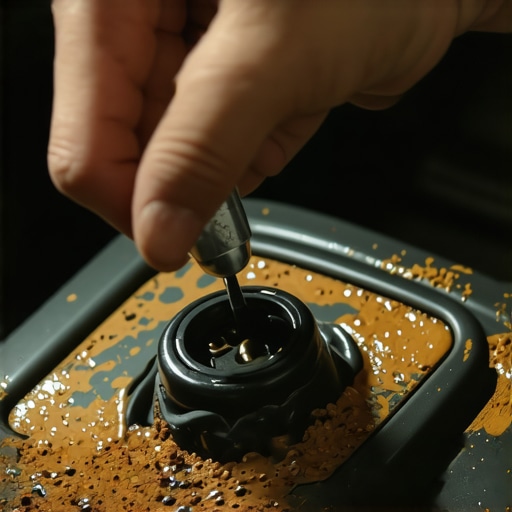
I still vividly remember the sinking feeling when my cup of coffee tipped over during a frantic morning rush, and the hot liquid splattered right into my shifter assembly. Panic set in. Would I be facing a costly mechanic visit? Or worse, could I have permanently damaged my transmission? That moment was a full-blown wake-up call for me and, I’m guessing, for many drivers out there who have felt that same surge of frustration.
If you’ve ever spilled coffee or any sugary drink in your car’s shifter area, you know how tricky it can be to clean up—and how tempting it is to ignore the spill, thinking it’s a minor mess. But believe me, that tiny drip can turn into a major headache down the line if not properly addressed. The good news? It’s usually something you can fix yourself, saving you both time and money.
In today’s post, I’m going to walk you through how to properly clean and repair your shifter assembly after such an accident. We’ll explore simple steps that really work, and I’ll share some tips I’ve learned along the way. Plus, I’ll cover common mistakes that can make your problem worse—so keep reading!
Why Act Quickly When Coffee Finds Its Way to Your Shifter
Spilling coffee into your shifter isn’t just a messy inconvenience. If you ignore it, sticky residues and sugary gunk can seep into the delicate electrical components and mechanical parts. Over time, this can cause malfunctioning of your gear shifts or even trigger error codes that leave your transmission acting up. Think about how an unexpected shift problem can turn a leisurely drive into a stressful situation. Yes, it’s that serious.
I made a mistake early on by just wiping the mess with a cloth and hoping for the best. Turns out, liquids can hide deep inside the assembly, and dried sugar crystals can attract moisture—creating corrosion and further damage. Learning to clean properly and thoroughly is crucial.
If you haven’t faced this exact problem yet, ask yourself: Would I recognize the signs of sticky or malfunctioning shifter components in time? Or would I dismiss them as minor glitches? Prevention is better than repair, as they say. And catching issues early can save you from costly repairs later. For insights on preventing other auto issues, check out our guide on [understanding engine temperature fluctuations](https://collisionfixer.com/why-your-engine-temperature-gauge-is-jumping-around).
With that in mind, let’s dive into the cleaning process to restore your shifter assembly to working order, so you can get back on the road without worries.
Remove Surface Liquids and Debris
Start by immediately blotting the spilled coffee with a clean, dry cloth to soak up as much liquid as possible. Do not rub; just press gently to prevent pushing the stain deeper. Use paper towels if needed. Once you’ve removed the excess, carefully disconnect your shifter assembly following your vehicle’s manual to access internal parts. In my own experience, I once spilled a cup of coffee during a rush, and carefully removing the console cover ensured I could inspect the entire assembly without damage.
Clean the Components Thoroughly
Create a cleaning solution with warm water and a few drops of mild dish soap. Dip a soft-bristle brush or microfiber cloth into this mixture and gently scrub all accessible parts—gear knobs, stems, and surrounding surfaces. For stubborn sticky residue, a mixture of equal parts vinegar and water can work wonders without damaging plastic parts. During a session last summer, I used a toothbrush to reach tight spots, which successfully lifted residual sugar crystals that could have caused corrosion over time. Be cautious not to oversaturate electronics; only lightly dampen cloths and brushes.
Degrease and Disinfect
After removing the visible dirt, spray a contact-safe electronic cleaner onto a lint-free cloth and wipe the electronic connections and switches. This prevents future malfunctions caused by sugar-crystal buildup or sticky residues. Remember, electronics are sensitive; using a cleaner like contactos-approved spray ensures safe cleaning. A quick wipe with this cleaner not only disinfects but also prepares the components for the next step—drying and reassembling. I once noticed my shifter felt sticky, and after this cleaning, it shifted smoothly again, preventing potential errors.
Dry and Prevent Future Damage
Let everything air dry thoroughly for at least 30 minutes. For faster drying, use compressed air or a fan to blow out moisture from tight spots. Ensuring the components are 100% dry prevents corrosion and short circuits. During my repair, I used a blow dryer on cold setting to expedite drying, avoiding heated air that could warp plastics. Reassemble the shifter assembly carefully, following the reverse order of disassembly. When reconnected, test all functions before driving to confirm proper operation.
Inspect and Address Mechanical and Electrical Damage
If, after cleaning, your shifter still behaves irregularly—like sticking, error messages, or delayed gear engagement—consider deeper inspection. Damaged electrical contacts or worn gears may need replacement. For example, a worn gear selector switch could create shifting issues, which might only be resolved by replacing a specific sensor. A helpful resource for diagnosing such problems is this guide on transmission shudders. Over the years, I’ve learned that addressing the root mechanical issues saves time and prevents recurring problems, rather than just cleaning the surface without fixing underlying damage.When it comes to maintaining your vehicle, many car owners rely on myths or oversimplified beliefs that can hinder proper servicing. One widespread misconception is that a basic tune-up involves only replacing plugs and wires; in reality, modern vehicles demand a more comprehensive approach that includes checking fuel injectors, sensors, and computer systems. Skipping these advanced diagnostics can lead to overlooked issues that cause poor performance or fuel economy drops. Additionally, some believe that transmission flushing is always beneficial; however, aggressive flushing without proper assessment can dislodge debris and clog valves, worsening internal damage—so consult an expert before opting for such services. Notably, there’s a myth that all auto repairs are costly and unnecessary unless the car breaks down completely. Yet, routine inspections and preventive maintenance can prevent costly rebuilds and extend your vehicle’s lifespan significantly. An often-underestimated nuance involves understanding the role of ground wires in transmission operation. A loose or corroded ground connection may trigger limp modes or erratic shifting, which many overlook—detailed diagnoses can identify and resolve this subtle yet critical issue. This is why working with specialized auto repair shops, like CollisionFixer, who understand these intricacies, ensures you avoid costly mistakes. Curious about more hidden repair pitfalls? Check out how vacuum leaks affect shifting or discover the secrets behind parts that fix shuddering transmissions. Don’t let misconceptions lead your car maintenance astray—knowing the nuances can save you time and money. Have you ever fallen into this trap? Let me know in the comments.
Investing in Quality Tools for Long-Term Maintenance
When it comes to maintaining your vehicle’s transmission and engine, having the right tools is crucial. I personally rely on a high-quality digital multimeter, such as the Fluke 117, to monitor electrical components accurately. This allows me to quickly identify faulty sensors or poor ground connections that can cause issues like limp modes or erratic shifting. For fluid diagnostics, a reliable transmission fluid tester helps determine if your fluid has degraded, preventing potential shuddering or slipping issues. It’s vital to invest in tools that provide precise readings, ensuring you’re making informed maintenance decisions and avoiding unnecessary repairs.
How do I maintain my transmission over time?
Regular inspections of the ground wiring can save you from mysterious transmission problems. A corroded or loose ground wire often triggers limp mode or delayed shifts, problems common in older vehicles. Use a test light or multimeter to check for proper grounding, referencing guides like this detailed guide on ground wires. Preventive measures include applying dielectric grease to connectors and ensuring tight, corrosion-free connections. Staying proactive with these checks is key to avoiding costly repairs down the line.
The Future of Auto Maintenance Tools
Advancements in diagnostic software are transforming how we approach vehicle upkeep. Smartphone-enabled adapters now allow real-time data analysis for engine temperature fluctuations, similar to those discussed in this insightful article. In the future, expect AI-powered tools capable of predictive maintenance—alerting you of potential failures before they happen. Embracing these tech trends will empower car owners to keep their vehicles running smoothly with minimal downtime.
Make Easy Work of Complex Repairs
One of my favorite tips is to keep a set of precision pick tools. They’re invaluable for disconnecting stubborn connectors or cleaning delicate electrical contacts during maintenance. For example, when cleaning a sticky shift-lock solenoid, carefully prying open the connector with a pick avoids damage and ensures a proper fix. These small investments in specialized tools make complex diagnosis and repair tasks much smoother, saving you frustration and money. I suggest trying out a versatile set like the TEKTON Precision Pick Set—you’ll find it a game-changer for vehicle repair.
Scaling Maintenance as Your Vehicle Ages
As your car accumulates more miles, scaling up your maintenance includes adding ultrasonic cleaners for parts like injectors or sensors. This non-invasive method restores functionality without costly replacements. Additionally, routine inspections of critical systems—like the cooling system—keep engine temperatures in check, which is especially important if you notice fluctuations like those described here. Keeping a toolkit with diagnostic accessories, cleaning supplies, and repair parts ready ensures you’re prepared for both small hiccups and major overhauls.
Final Thoughts on Staying Ahead
Consistent maintenance, proactive inspections, and investing in quality diagnostic tools are your best bets for keeping your car’s transmission and engine performing at their peak. Don’t overlook the importance of checking ground connections—sometimes a simple test with an inexpensive multimeter can prevent a costly rebuild. For deeper insights into troubleshooting, consider working with specialized shops like CollisionFixer, who understand these nuances thoroughly. Ready to level up? Start by testing your vehicle’s ground wire using a multimeter; it might just be the fix you need to prevent future problems.
The Hardest Lesson I Learned About Tune-Ups and Transmission Care
I used to believe that occasional spills and minor mishaps weren’t worth worrying about—until a coffee accident taught me otherwise. That moment revealed how little issues can quickly escalate into costly repairs, especially when it comes to your transmission and engine health. Now, I know that proactive maintenance and attention to detail are vital, and overlooking small clues can cost you dearly.
My Top Picks for Staying Ahead in Auto Maintenance
Over the years, I’ve discovered tools and resources that truly make a difference. A reliable multimeter, like the Fluke 117, helps me catch electrical issues early. Reading guides on ground wiring, like this detailed article, has saved me countless headaches. For cleaning delicate components, a set of precision pick tools, such as the TEKTON Precision Pick Set, is indispensable. These tools allow me to perform careful diagnostics and repairs, reducing the need for costly shop visits.
The Future of Auto Care Awaits You
With advancements like smartphone-based diagnostics and AI-driven predictive tools, maintaining your vehicle is becoming more accessible and accurate. Embracing technology not only streamlines repairs but also empowers you to prevent problems before they happen. So, get familiar with the latest tools, stay proactive, and you’ll find that car care can be both rewarding and budget-friendly.
Sharing the Wisdom: Your Next Step
Trust me, taking ownership of your auto maintenance journey can save you time, money, and stress. Don’t wait for warning signs—start small by testing your ground connections or inspecting your gear shifter area regularly. Every step you take builds confidence and keeps your vehicle performing at its best. How about giving your car a quick check today, especially in those hidden spots we often overlook? Let me know your experiences below—I’d love to hear your stories!
,