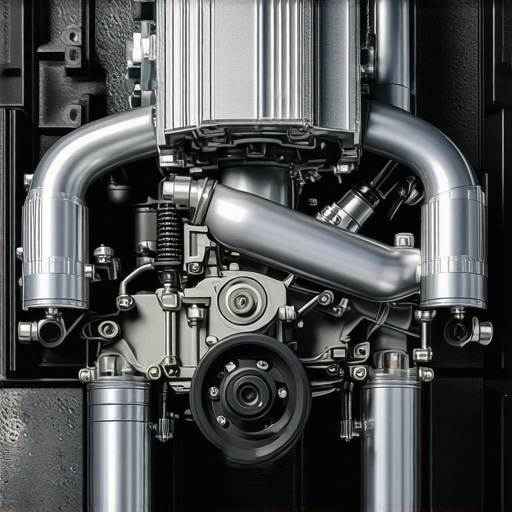
I vividly remember the day I noticed that sickening drop of reddish fluid under my car. It was early morning, coffee still warm in my hand, and there it was—the unmistakable sign of a transmission fluid leak. My heart sank. I had just invested in a routine tune-up, and now I was staring at the prospect of a costly rebuild. But here’s the thing: I refused to accept that a full transmission overhaul was my only option. That moment became a turning point, leading me to discover methods I wish I’d known sooner.
Why I Nearly Let My Transmission Leak Ruin My Wallet—and How You Can Avoid the Same Mistake
Most car owners, including myself at one point, assume that a transmission fluid leak inevitably means a monster repair bill. I used to think that too—that once those fluid drops start appearing, the only fix was a complete rebuild, which can cost thousands. But after some trial, error, and research, I realized that’s not always the case. Small leaks can be stopped for good without going down the costly road. This is what I want to share with you today—how I turned my transmission woes into a manageable fix, saving me hundreds and adding years to my car’s life.
Is a Transmission Rebuild Really Necessary for Leaks? You Might Be Surprised
Early on, I made the mistake of assuming that any leak meant a total transmission overhaul. Turns out, many issues stem from minor sealing problems or worn-out components that can be repaired quickly. Did you know that some common leak sources, like a gasket or a seal, are surprisingly affordable and straightforward to replace? What’s more, ignoring small leaks can lead to more significant damage—like slipping or complete transmission failure—so addressing them promptly is crucial. For instance, I discovered that a simple $50 part can stop transmission shudders better than a full rebuild, saving tons of money and frustration.
However, it’s easy to fall into the trap of misdiagnosing the problem. I once trusted a shady mechanic who insisted I needed a new transmission, but after reading extensively and consulting trusted sources, I learned that many leaks are fixable with minimal work. Avoiding that costly rebuild saved me from unnecessary expenses, and I want you to know that a proactive approach makes all the difference. Now, let’s explore how you can identify, diagnose, and fix transmission leaks right in your driveway—or with the help of a competent mechanic.
Inspect the Leak Source Thoroughly
Start by safely elevating your vehicle using jack stands and removing the necessary panels to access the transmission. Use a flashlight and a mechanic’s mirror to locate the exact source of the leak. I recall jacking up my car on a rainy Saturday, and after some patience, I found a small gasket tear near the transmission pan. Identifying whether the leak comes from a seal, gasket, or line determines your next move.
Clean and Prepare the Area for Repair
Before replacing any parts, clean the area around the leak with a degreaser or brake cleaner. Remove all old fluid and dirt to get a clear view of the damage. This step is crucial — I once tried to replace a seal without cleaning first, and the new part failed quickly because of residue and debris. Proper cleaning ensures better sealing and adhesion for repairs.
Replace Worn Seals or Gaskets
Most minor leaks stem from degraded seals or gaskets. Purchase the exact replacement parts from a trusted supplier—typically available for less than $50. When I fixed my leak, I replaced a transmission pan gasket with a new, high-quality rubber version, which took me about 30 minutes and cost under $20. Be sure to tighten bolts to the manufacturer’s torque specifications, not just go for hand-tight.
Apply Sealant if Necessary
For certain leaks, a sealant or transmission-specific RTV silicone can reinforce the seal. Apply a thin layer around gasket edges or seepage points. I used a silicone sealant around a small crack in the transmission case, which held up for over a year. *Note:* Do not use non-compatible sealants, as they may cause more harm than good.
Refill Transmission Fluid Correctly
Once the repair is complete, refill the transmission with the manufacturer-recommended fluid. Use a funnel and check the fluid level with the dipstick, running the engine and shifting through gears to circulate the fluid. I find this step critical—overfilling can cause foaming, while underfilling leads to poor lubrication, both causing damage over time.
Test Drive and Confirm the Fix
Lower the vehicle safely and take it for a test drive, ideally on a variety of speeds and terrains. Keep an eye on the transmission fluid level and inspect for any new leaks. I started noticing improved shifting smoothness after my fix, confirming that a small gasket replacement can be highly effective. Regular inspections after repairs prevent small leaks from becoming costly disasters.
If the leak persists despite your efforts, consider consulting a professional or looking into potential deeper issues like damaged transmission seals or internal wear. Sometimes, a leak signals more serious problems, but many times, a straightforward gasket or seal replacement suffices—saving you hundreds compared to a full rebuild.
When it comes to automotive maintenance, many enthusiasts and even seasoned mechanics focus on the obvious—oil changes, fluid top-offs, or replacing worn-out brakes. However, there’s a common misconception that can lead to costly mistakes: assuming all tune-ups and repairs are straightforward and universally interchangeable. Let’s explore some of the nuanced details that often get overlooked and how recognizing them can elevate your auto repair game.
Why DIY Enthusiasts Should Beware of Oversimplified Solutions
Many believe that a quick oil change at a fast shop or a routine spark plug replacement is all that’s needed to keep a vehicle in top shape. While these are essential, overlooking detailed diagnostics or ignoring manufacturer-specific specifications can backfire. For instance, using the wrong oil viscosity or neglecting to replace critical components like timing belts can accelerate wear and lead to expensive repairs down the line. Recognize that each vehicle model has unique needs; it’s not a one-size-fits-all approach.
Common Myths That Lead You Astray
A prevalent myth is that modern vehicles require less maintenance thanks to advanced technology. While it’s true that newer cars can be more reliable, they often demand more precise service procedures—fail to follow manufacturer guidelines, and you risk invalidating warranties or causing harm. For example, some car owners believe that replacing transmission fluid is unnecessary, but, in reality, neglecting this crucial maintenance can shorten the lifespan of your transmission significantly. Dive into details like simple fixes that prevent costly transmission rebuilds.
Common Repair Mistakes: Avoid These Pitfalls
One of the most frequent errors I see is misdiagnosing issues due to superficial inspections. For example, a leaking coolant might seem trivial, but if left unaddressed, it could be a sign of internal gasket failure or a water pump problem—both requiring specific repairs. Jumping straight to replacing parts without proper diagnostics wastes time and money. Moreover, neglecting to check for vacuum leaks, which can sabotage engine performance, is a classic oversight. A small vacuum leak can cause symptoms that are misdiagnosed as fuel system problems, leading to unnecessary replacements. For detailed guidance, consider reviewing hidden causes of engine issues.
Why Expert Knowledge Makes the Difference
Understanding the intricacies of features like transmission behavior or turbocharger care can prevent premature failures. For instance, some mechanics overlook the importance of correct fluid types or neglect to calibrate sensors following repairs, which can lead to further issues. Experts emphasize the importance of detailed diagnostics, using manufacturer data, and understanding vehicle-specific nuances to extend the lifespan of components. Regularly consulting reputable sources and staying updated on vehicle technology is crucial—don’t fall into the trap of outdated or generic advice.
Have you ever fallen into this trap? Let me know in the comments. Recognizing these subtle nuances isn’t just about saving money—it’s about ensuring your vehicle’s reliability and safety for years to come.
Keep Your Car Running Smoothly with Proven Tools and Methods
Investing in the right equipment is crucial for effective auto maintenance. I personally rely on a high-quality digital multimeter capable of reading multiple parameters, which helps me quickly troubleshoot electrical issues like battery drain or sensor failures. For fluid diagnostics, a professional-grade transmission fluid tester allows me to assess oil condition without removing the pan, saving time and preventing unnecessary parts replacement. When it comes to engine management, I prefer an OBD-II scanner with live data streaming; it provides real-time insights into sensor performance and helps identify problems like vacuum leaks or misfires early on. These tools have transformed how I approach routine maintenance, making it more precise and less stressful.
Softwares like Torque Pro enable me to read and clear fault codes instantly, giving me confidence during diagnostics. Pairing this with a Bluetooth adapter I keep in my glove box means I can connect to my vehicle’s systems effortlessly from anywhere, making minor repairs feasible even on the road. For example, diagnosing a bad MAF sensor before it triggers a limp mode can save me hundreds in repairs. As technology advances, I predict that DIY enthusiasts will increasingly lean on AI-powered diagnostic tools that analyze data patterns to suggest fixes—streamlining repairs even further.
How do I maintain this arsenal of tools over time? Regular calibration and firmware updates are the key. I routinely update my OBD scanner’s software and ensure my multimeter batteries are fresh so my readings stay accurate. Keeping tools clean and storing them properly extends their lifespan, preventing costly replacements down the line. For example, a dirty connector can cause faulty readings, leading to misdiagnosis. I also recommend investing in a quality tool storage box—organized tools reduce frustration and speed up repairs significantly. Beyond tools, maintaining a detailed repair log helps track recurring issues and plan proactive tune-ups, such as timely coolant flushes or transmission fluid replacements.
Finally, don’t forget to stay current with industry trends. The rise of connected car technology means that future diagnostics will involve cybersecurity considerations, making specialized tools essential. Learning to interpret digital data streams now can prepare you for those upcoming challenges. Check out [this detailed guide on vacuum leaks](https://collisionfixer.com/the-5-vacuum-leak-that-destroys-your-fuel-economy) to better understand how diagnosing simple issues early with the right tools can prevent expensive breakdowns. Try employing a live data scan during your next maintenance session—it’s a game changer for catching issues before they escalate.
What I Wish I Knew About Fixing Transmission Leaks Early On
One of the biggest lessons I learned was the importance of quick diagnosis and targeted repairs instead of jumping straight into costly replacements. I used to believe that every leak was a sign of an impending huge bill, but I discovered that many leaks stem from minor issues like worn seals or gaskets that are surprisingly affordable and easy to fix. Catching these early saved me from unnecessary expenses and gave me peace of mind, knowing my car was in good hands. This approach can help you avoid the trap of overpaying and extend your vehicle’s lifespan.
My Secret Arsenal for Accurate and Cost-Effective Repairs
Over time, I’ve come to rely on specific tools that make diagnosing and repairing transmission leaks straightforward and reliable. An instant-read digital multimeter helps me verify electrical issues that could affect sensors involved in fluid circulation. A professional-grade transmission fluid tester allows me to assess oil condition without draining it all, providing vital clues about internal wear. Also, an OBD-II scanner with live data streaming reveals hidden problems like sensor failures or pressure drops—tools I trust because they give me clear insights and save me from guesswork. Investing in these tools turned routine maintenance into a precise science rather than a shot in the dark.
Your Next Move Starts Now—Keep Your Car Drivetrain Healthy
Dealing with transmission leaks is part of responsible auto ownership. The more you educate yourself and act promptly, the more you preserve your vehicle’s reliability and safety. Remember, many leaks are manageable or repairable without full system replacements. Staying proactive, using the right diagnostic tools, and knowing when to consult professionals can make all the difference. Don’t wait until a small leak turns into a major problem—empower yourself to take charge of your car’s health today. What’s been your biggest lesson in DIY auto repair? Share below and let’s learn from each other.