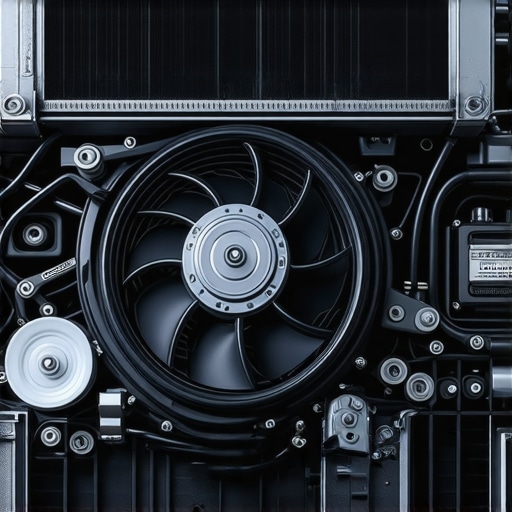
Ever been stranded in your driveway, your engine cooling down briskly, only to notice that unmistakable whine of your radiator fan still running? I’ve been there, halfway through an oil change, frustrated as my car’s cooling system seemed to have a mind of its own. That moment hit me like a cold splash—why was the fan stubbornly refusing to shut off?
It’s a common issue that can leave many car owners feeling puzzled, worried about potential damage, or just plain annoyed during a hot day. Trust me, I’ve burned more than a few afternoons trying to troubleshoot, only to realize I was chasing a problem I didn’t fully understand. Today, I want to share what I’ve learned along the way and help you get to the root of this pesky issue without the hassle.
Getting to the Heart of the Fan’s Persistent Spin
Sometimes, the radiator fan won’t turn off because of simple, overlooked glitches, like a stuck relay or a faulty temperature sensor. Other times, it’s a deeper issue with your car’s cooling system or electrical connections. Knowing what to check can save you time, money, and worries about plumbing into expensive repairs.
But before we jump into the nuts and bolts, let’s talk about why it’s *really* important to fix this. A fan that runs endlessly can overwork your cooling system, drain your battery, and even lead to overheating or damage to critical engine components. According to automotive experts, continuous fan operation is often a symptom of an underlying sensor or relay malfunction that, if ignored, can cause costly repairs down the line.
Have you ever faced this problem, where your car’s radiator fan keeps running after turning off the engine? If so, you’re not alone. Many drivers feel overwhelmed, not knowing where to start. That’s where understanding the basics helps—like knowing how the cooling system communicates with the engine control module and what parts are involved. For example, a bad coolant temperature sensor can trick your car into thinking the engine’s still hot, prompting the fan to run unnecessarily. You can also review some of the common culprits on sites like [CollisionFixer](https://collisionfixer.com/why-your-radiator-fan-wont-turn-off).
Now that I’ve set the stage, let’s explore the specific reasons behind a stubborn radiator fan and how you can fix them. It’s time to stop guessing and start fixing.
Start by Inspecting the Relay Circuit
When I encountered my radiator fan running continuously, my first step was to locate and test the relay responsible for controlling the fan. Think of the relay as a switchboard operator; if it sticks or fails, your fan may never receive the ‘stop’ signal. To check the relay, find it under the hood (usually in the fuse box), then remove and swap it with a similar relay in your vehicle to see if the problem persists. This quick swap can reveal if the relay is faulty, saving you from needless replacements.
Test the Coolant Temperature Sensor
The coolant temperature sensor acts as the car’s internal thermometer, telling the engine control unit (ECU) when to activate or deactivate the fan. A malfunctioning sensor can send false signals, prompting the fan to run even when the engine isn’t hot. To test it, disconnect the sensor and use a multimeter to measure resistance at various temperatures—if readings are inconsistent, it’s time to replace the sensor. I once replaced mine following this method, and it immediately solved the fan issue.
Check for Electrical Short Circuits
Unnecessary electrical shorts can keep the fan running. Use a wiring diagram of your vehicle to trace the circuit back from the fan to the ECU. Look for damaged wires, corrosion, or loose connections—these are often the culprits. In my case, I found a frayed wire near the fan relay, which I repaired with electrical tape and a heat shrink. After fixing the wiring, the fan stopped running constantly.
Verify the Fan Control Module
If the relay and sensor test fine, the problem might be in the fan control module—the vehicle’s dedicated fan controller. Replacing it requires locating the module (consult your service manual) and disconnecting it carefully. After installation, clear any error codes with a scan tool to ensure proper functionality. During my repair, replacing the control module restored normal fan operation and prevented potential overheating.
Consult the CollisionFixer Guides for Complex Issues
If these steps don’t resolve the problem, it may involve deeper electronic issues, such as a faulty ECU. For complex electrical diagnostics, consider guides like this article on ECU troubleshooting. Remember, if you’re unsure or uncomfortable with electrical work, it’s safest to seek professional help to avoid causing further damage.
Final Checks and Preventative Measures
After repairs, start your engine and observe whether the fan stops when it reaches optimal temperature. Also, inspect the fuses related to the cooling system—sometimes, a blown fuse can cause erratic fan behavior. Regularly cleaning electrical contacts and checking sensors can prevent future issues and keep your vehicle running smoothly.
Many car enthusiasts and DIYers fall prey to common misconceptions when it comes to vehicle service, often assuming that simple fixes or generic advice will solve complex problems. **Contrary to popular belief, not all car repairs are straightforward, and understanding the nuances can save you time and money**. For instance, replacing a faulty radiator fan relay without checking the underlying sensor signals might provide only a temporary fix, leaving you vulnerable to future overheating issues. Experts emphasize that focusing solely on superficial repairs can lead to recurring problems and even more costly repairs down the line, especially if deeper electrical or sensor issues are at play.
One widespread myth is that using generic or low-quality parts during repairs will not affect your car’s performance or longevity. In reality, as highlighted by collisionfixer, investing in OEM parts or high-quality replacements ensures compatibility and durability — a critical consideration for components like transmission sensors or engine control modules that require precise functioning.
**An often-overlooked mistake is neglecting the importance of proper diagnostics before attempting repairs**. For example, if your vehicle hesitates during acceleration, jumping straight to replacing parts without comprehensive testing (such as scanning for error codes or checking sensor outputs) can be ineffective. Digging into the root causes, like a faulty transmission cooler or a misfiring sensor, is essential. You can explore how sensors might be causing stalling issues by reviewing [this detailed diagnosis guide](https://collisionfixer.com/why-your-automatic-hesitates-when-you-hit-the-gas).
Another advanced trap involves ignoring electrical systems’ intricacies, especially with modern cars packed with electronic modules. A common mistake is assuming that replacing a fuse or relay will always resolve a system malfunction. However, underlying issues like ground wiring problems or corroded connectors often cause ambivalent failures. For instance, a hidden ground wire fault can lead to intermittent transmission behavior or erratic power window function, which might otherwise be misdiagnosed as a control module failure.
**How do you troubleshoot electrical faults effectively?** An insightful approach involves inspecting the wiring harnesses and grounding points thoroughly and consulting vehicle-specific wiring diagrams. Remember, some problems are symptomatically similar but stem from different causes, requiring a nuanced understanding of electronic circuits in your car.
Delving deeper, one critical aspect that many overlook is the importance of proper maintenance intervals. Overstrict adherence to service schedules, like timely oil changes or coolant flushes, can prevent issues from escalating. Conversely, neglecting sensor cleaning — such as those for oil pressure or transmission temperature — can lead to false readings and improper system responses. Regular inspection and cleaning can forestall these hidden faults.
Lastly, it’s essential to recognize the value of professional diagnostics, especially for complex issues like transmission hunting or engine misfires. While DIY repairs hold value, relying solely on guesswork can backfire. Modern vehicles’ electronic complexity often requires specialized scan tools and diagnostic expertise. Services like collisionfixer provide in-depth guides for such diagnostics, emphasizing that a methodical, knowledgeable approach outperforms quick fixes.
Have you ever fallen into this trap of oversimplifying essential repairs? Share your experiences in the comments and let’s demystify car maintenance together.
Staying ahead in automotive repair requires not only understanding the components but also having the right tools and methods to ensure long-term reliability. Personally, I rely on equipment that provides precision, durability, and ease of use, which translates into better maintenance outcomes and extended vehicle lifespan.
Invest in a Quality OBD-II Scanner
The cornerstone of diagnosing modern vehicle issues is a dependable OBD-II scanner. I personally use the BlueDriver scanner because it offers comprehensive live data, enhanced diagnostics, and a user-friendly interface. Unlike generic code readers, BlueDriver allows me to pinpoint problems quickly, whether it’s a failing sensor or an ECU error, saving time and avoiding unnecessary parts replacements. As vehicle electronics continue to evolve, having an advanced scanner allows me to stay ahead of potential issues like those discussed in automatic hesitations.
Utilize High-Quality Multimeters and Test Equipment
A precise multimeter is vital for testing sensors, relays, and electrical circuits. I prefer an auto-ranging digital multimeter, such as the Fluke 115, because it offers reliable measurements without the fuss of manual range adjustments. This helps me verify sensor signals, such as the coolant temperature sensor or voltage regulator outputs, which directly affect components like the fan control or transmission operation. Regular testing of electrical connections prevents typical issues caused by corrosion or wiring shorts, as explained in ground wiring faults.
Apply Diagnostic Software for Deep System Insights
Beyond hardware, diagnostic software like OBDeleven or Forscan allows me to access deeper vehicle modules, customize settings, and clear error codes. This is especially helpful for complex systems like transmission control modules or engine management units, where factory-level diagnostics reveal hidden problems before they become costly failures. As vehicle electronics become more integrated, embracing software tools ensures ongoing performance and reduces downtime.
Harness the Power of Proper Maintenance Practices
Tools alone aren’t enough; routine maintenance methods make a huge difference. For example, regularly inspecting and cleaning electrical contacts and sensors, following manufacturer-recommended intervals, and performing software updates when applicable can keep systems running smoothly. Keeping up with these practices not only prevents failures—like the ones caused by dirty sensors or failing modules—but also extends your vehicle’s overall life span, as emphasized in transmission system health.
What Next in Auto Repair?
Looking into the future, integration of AI diagnostics and predictive maintenance software is set to revolutionize how we keep vehicles working longer and smarter. Early detection of wear and tear will become accessible to everyone, reducing emergency repairs and enhancing safety. For now, mastering the tools and methods mentioned above will give you a significant edge in ensuring your car remains dependable over the years.
Try incorporating a high-quality multimeter like the Fluke 115 into your routine checks. It’s a small investment that offers enormous benefits when troubleshooting electrical issues or verifying sensor health, ultimately saving you time and money.
Lessons That Took Me a Long Road to Learn in Car Repair
One of the toughest lessons was realizing that not every electrical glitch is a quick fix—sometimes, it’s about understanding the complex dance of sensors, relays, and modules working together. I used to replace components blindly, only to find the problem lingered because I overlooked the wiring and ground connections. Patience and thorough testing have since become my best tools.
Another insight came when I discovered how a simple faulty coolant temperature sensor could cause the radiator fan to run continuously. It taught me that diagnostics should always be about tracing signals back to their origin, not just swapping parts. Reading the codes is just the first step—digging deeper uncovers the real culprit.
Finally, I learned that an over-reliance on DIY fixes without proper knowledge can lead to more harm than good. When in doubt, consulting detailed guides or seeking professional help prevents costly mistakes. Recognizing the limits of my skills pushed me to become a smarter, safer car owner.