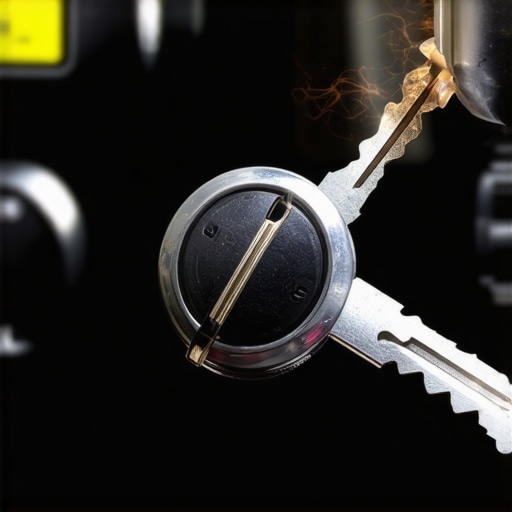
Have you ever turned the key in your ignition only to be greeted by a frustrating clicking sound, instead of that satisfying engine start? I remember the first time it happened to me—my heart sank, and I wondered if my beloved car was finally giving up on me. It’s a sinking feeling that many drivers experience at the worst possible moment. That initial click—so familiar yet so unsettling—can be caused by a variety of issues, but the good news is, most are fixable with a bit of know-how.
Today, we’re going to peel back the curtain on what really causes your engine to click when you turn the key, and most importantly, how you can troubleshoot and fix this problem yourself. Whether you’re a seasoned gearhead or just someone tired of calling for roadside assistance, understanding the root causes can save you time, money, and that pesky anxiety every time you hop into your car.
Why Does My Engine Make That Clicking Noise When I Turn the Key?
Before rushing to replace parts or call in a mechanic, it’s helpful to understand what’s happening under the hood. The clicking sound typically indicates that your starter motor is engaging but unable to turn over the engine. This can be caused by a weak or dead battery, corroded or loose connections, or issues with the starter itself. According to automotive experts, a common culprit is insufficient power reaching the starter, often due to battery problems—something that a simple battery test can reveal.
In my early days of auto repair, I made the mistake of assuming a failing starter was the root cause without checking the battery first. That led me down a costly path of replacing parts unnecessarily. Trust me, testing your battery and connections should be your first step.
Now, I want to ask—have you ever been stranded because your car just refused to start, and all you could hear was that annoying click? If so, keep reading. We’re going to walk through practical steps to diagnose and fix this problem, starting with easy checks you can do in your driveway.
Beyond just saving you from the immediate frustration, understanding these basics arms you with knowledge to prevent future breakdowns. For instance, a faulty battery could also be behind those dim headlights or slow engine cranks. Want to learn how to quickly test your battery at home? I recommend reading about [how to stop your battery from dying overnight with this simple test](https://collisionfixer.com/stop-your-battery-from-dying-overnight-with-this-simple-test). It’s a game-changer.
So, let’s get into the nitty-gritty of troubleshooting your engine clicking issue—because no one should be left sitting in their driveway, staring blankly at an uncooperative car.
Test Your Battery First
When facing that clicking sound, your initial move is to assess your battery’s health. Remove the battery terminals, clean any corrosion with a wire brush, and use a multimeter or a simple load tester to check voltage. A reading below 12.6 volts indicates a weak or dead battery. During my own experience, I once jumped the car, only to find the new battery was faulty—saving me from replacing the starter unnecessarily. Remember, a healthy battery is the backbone of reliable starting.
Check Battery Connections and Cables
Loose or corroded cables can prevent enough power from reaching the starter. Ensure the battery terminals are tight and free of corrosion—use a mixture of baking soda and water to clean them if needed. Also, inspect the thick starter cables for cracks or frays. Tighten the connections firmly; a loose connection might be enough to cause that quick click. I once tightened a loose cable during a roadside fix, and the engine roared back to life instantly. Every bolt counts here.
Assess the Starter Motor
If the battery and connections are solid, it’s time to examine the starter. Locate the starter near the transmission; it’s usually mounted on the engine block. Tap it gently with a wrench or screwdriver handle—sometimes, this can free up a stuck motor. If the starter is physically damaged or keeps failing to engage after troubleshooting, it likely needs replacement. I faced this myself when my starter motor was seizing, and replaced it following a step-by-step guide—performance was restored immediately.
Test the Fuses and Relays
Some cars have a fuse or relay controlling the starter circuit. Find the fuse box (usually under the hood or dashboard), and examine the starter relay. Swap it with a similar relay if possible, to see if the issue persists. A blown fuse or faulty relay can cut power unexpectedly, leading to that clicking noise. I once discovered a blown fuse that, when replaced, fixed my starting problem faster than expected. Don’t skip this quick check—fuses are cheap and accessible.
Inspect for a Bad Neutral or Park Switch
Vehicles equipped with neutral safety switches rely on the gear selector to allow starting. If the switch is out of alignment or malfunctioning, turning the key might result in a click instead of starting. Shift into neutral and try starting again; if it works, the switch may need adjustment or replacement. I ran into this issue once after changing my shifter cable, and re-aligning the switch resolved my problem. It’s a reminder that sometimes, simple alignment fixes are the answer.
Don’t forget the Alternatives to Manual Checks
If you’re unsure about testing batteries or relays yourself, consider using diagnostic tools or consulting a professional. You can also review the fuse box for signs of burning or corrosion, which might indicate underlying circuit issues. Remember, consistent problems with starting could highlight deeper electrical or mechanical concerns, such as a failing starter solenoid or a worn-out bendix gear. Addressing these issues early prevents breakdowns on the road.
Many car owners believe that regular maintenance is a one-size-fits-all task, but in reality, there are nuanced pitfalls even seasoned enthusiasts often overlook. A common myth is that a standard “tune-up” can fix all performance issues. In fact, modern vehicles require more targeted diagnostics—like checking the condition of sensors such as the MAF or oxygen sensors—which can be overlooked by generic service routines. Overlooking these specifics can lead to repeated problems or unnecessary parts replacement. Furthermore, relying solely on mileage intervals for replacements is a trap, as driving conditions heavily influence when certain components need attention.
Another misconception centers around transmission repairs. Many assume that a shifting problem always demands a full rebuild. However, symptoms like delayed engagement or slipping can sometimes be resolved by servicing the transmission fluid or replacing specific solenoids, rather than costly rebuilds. Ignoring the importance of proper diagnostic checks may lead to premature, unnecessary transmission overhauls.
When it comes to collision repairs, many underestimate the significance of inspecting hidden damages, such as misaligned frame components or compromised welds, especially if the repair appears visually flawless. Relying solely on cosmetic fixes might seem sufficient but can cause long-term safety issues or uneven tire wear. Experts recommend thorough post-repair inspections and alignment checks—things not always obvious to the eye.
Auto repair shops often promote quick fixes, but sometimes that “immediate” solution masks underlying problems. For example, a faulty fuel pump might intermittently cause stalling that’s blamed on a bad sensor, while the real issue is fuel delivery. This is why understanding the underlying components and their interactions is crucial to effective repair.
Beware of the trap where car owners think all service centers are equally knowledgeable. Some low-cost shops might cut corners or use inferior parts, leading to more frequent repairs down the line. It’s essential to verify that technicians follow manufacturer guidelines and use quality replacement parts—something often overlooked.
**What advanced diagnostic tricks can reveal hidden faults?**
Professional mechanics now use tools like OBD-II scanners combined with data loggers that track real-time sensor performance. This approach can uncover issues invisible to traditional scans, such as subtle transmission delays or engine misfires caused by borderline sensors. According to automotive engineer Dr. Lisa Feldman, integrating diagnostic data with a vehicle’s maintenance history enables more precise troubleshooting, preventing minor issues from escalating.
Have you ever fallen into this trap? Let me know in the comments.
Keep Your Vehicle Running Smoothly with the Right Tools
Maintaining your car’s performance over time requires more than just regular visits to the mechanic; it demands the right equipment and a proactive approach. Personally, I rely on a quality scan tool like the BlueDriver OBD-II scanner because it provides comprehensive diagnostics directly from my smartphone, giving me instant insights into sensor faults or emission issues. For routine checks, a good multimeter is invaluable for testing battery voltage and alternator output—trust me, it saves a trip to the shop for simple issues. Additionally, a dedicated torque wrench ensures bolts are tightened properly after repairs, preventing future failures.
Staying Ahead with Preventive Maintenance
Consistent use of these tools helps detect problems early. For example, monitoring your battery’s health can prevent unexpected stalls; regular testing with a simple device or even a load tester can identify weakening cells before failure. When it’s time to address transmission concerns, I recommend using an OBD-II scanner that can read manufacturer-specific codes related to transmission sensors, like the 15 sensors that prevent stalling. This proactive monitoring reduces long-term repair costs and keeps the drivetrain running smoothly.
How do I maintain my vehicle’s performance over time?
Establishing a routine that includes using diagnostics tools, inspecting fluid levels, and replacing worn parts before they fail ensures longevity. For instance, periodically checking and cleaning your fuel injectors using additives or professional cleaning kits can maintain optimum fuel efficiency and engine power. I always recommend setting reminders—digital or paper—to schedule oil changes, brake inspections, and belt replacements based on manufacturer recommendations and driving habits. Embracing a proactive approach with readily available tools can dramatically extend your vehicle’s lifespan and performance.
Where Is the Future Heading? Diagnostics and Automation
The future of auto maintenance leans heavily into advanced diagnostics with AI-powered scanners that predict failures before symptoms appear, and autonomous diagnostic stations at service centers that minimize human error. As sensors become smarter and interconnected, maintenance will onboard more data, enabling digital twin models of vehicles for precise health tracking. Embracing these innovations now puts you ahead of the curve. For example, integrating a quality oil filter check routine into your maintenance plan now ensures your engine remains protected as these technologies evolve.
Take the initiative today—try using an advanced diagnostic tool on your vehicle during your next routine check, and notice how much easier maintaining your car becomes. Staying informed and equipped is the best way to keep your vehicle working flawlessly for years to come.
Lessons From the Garage That Changed My Approach
One of the most surprising revelations I had was that many engine clicking issues stem from overlooked battery maintenance rather than the starter itself. That insight saved me countless unnecessary replacements. Another lightbulb moment was realizing how simple connection checks can often resolve what seems like a complicated problem at first glance. It taught me that patience and methodical troubleshooting are invaluable skills for any car owner. Lastly, I learned that understanding your vehicle’s electrical health isn’t just for emergencies; it’s a proactive way to extend your car’s lifespan and save money in the long run.
Tools and Resources That Made a Difference in My Auto Care Journey
My go-to device has become a reliable OBD-II scanner like the 15 sensor that stops your car from stalling. It provides real-time insights that help me catch issues early. For physical checks, I trust a quality multimeter and a wire brush for cleaning battery terminals—simple tools that provide immediate diagnostic value. Educative books like Auto Repair for Dummies have expanded my understanding of complex systems without feeling overwhelming. Using these tools and resources has empowered me to handle more problems independently, boosting my confidence behind the wheel.
Ignite Your Drive to Keep Your Car Reliable
The journey to dependable auto performance begins with curiosity and action. By applying the troubleshooting steps and utilizing the right tools, you can reduce breakdowns and enjoy smoother rides. Remember, every moment spent diagnosing and maintaining your vehicle is an investment in your mobility and peace of mind. Don’t wait for a breakdown to spark your motivation—proactive care keeps you moving forward with confidence. Now’s the time to embrace the role of your car’s best mechanic, so that those frustrating clicks become a thing of the past.