It was a chilly morning, and as I slowly backed out of my driveway, the unmistakable jerkiness hit me again — that unsettling lurch whenever I shift into reverse. For months, I brushed it off as a minor quirk, but this time, I couldn’t ignore it. That sudden jolt not only jolted my nerves but also made me question if I was pushing my car’s limits or risking a costly breakdown. Have you ever experienced that awkward hesitation or abrupt jerk when reversing? You’re not alone, and today, I want to share what I’ve learned from my own auto repair journey.
Dealing with that Unnerving Jerking When Reversing — What’s Really Going On?
Many car owners face this perplexing issue without understanding the root cause. That sudden jerk during reverse gear might seem minor, but it can signal underlying problems that, if ignored, could escalate into expensive repairs. From my experience, understanding why your car behaves this way is the first step toward fixing it effectively. Today, I’ll walk you through common reasons behind this frustration and how you can address them, often without breaking the bank. For instance, I once mistakenly thought it was just a transmission slip and delayed proper diagnosis — a mistake I don’t want you to make. Instead, let’s dive into some actionable insights.
Skeptical about the Fix? You’re Not Alone
Early on, I was skeptical about how simple some solutions could be. I remember thinking, “Is this really something I can fix myself?” After all, I’d heard that transmission work is complex and costly. My biggest mistake was overlooking small signs like fluid leaks and unresponsive shifts, which could’ve pointed me in the right direction earlier. Trust me, addressing these issues sooner rather than later saves money and stress. If you’re wondering whether a quick DIY check or professional service is the best route, know that even some basic maintenance, like changing transmission fluid, can make a significant difference. Curious about the importance of proper maintenance? Check out [this article](https://collisionfixer.com/how-transmission-overhauls-save-you-money-in-the-long-run). Now, let’s get into the specific reasons your car might be jerking when shifting into reverse — and how you can troubleshoot them.
Check Your Transmission Fluid First
Start by locating your transmission fluid dipstick, usually near the engine bay. Pull it out, wipe it clean, then reinsert and check the level and color. If the fluid is low or dark brown, it’s time for a change. Over time, old or insufficient transmission fluid causes rough gear shifts, like the jerking I experienced when I postponed my fluid change, which led to a more expensive repair. In my case, replacing the fluid with fresh, manufacturer-recommended oil smoothed the shifting and eliminated the jerk.
Inspect the Transmission Filter and Pump
Remove the transmission pan to access the filter, which traps debris. A clogged filter restricts fluid flow, causing gear engagement issues. During my own inspection, I cleaned the pan thoroughly and replaced the filter, resulting in a noticeable improvement. Remember, sealed transmissions often require professional service for this step. If you are unsure, contact a trusted mechanic through Collision Fixer. Proper filter maintenance ensures smooth reverse gear operation.
Assess the Linkages and Cables
Next, examine the gear shifter linkages and cables for looseness or damage. Sometimes, misaligned or worn-out cables cause the transmission to slip or jerk during gear engagement. I personally adjusted a loose linkage, which immediately restored better reverse performance. Use a wrench to tighten any loose bolts, and lubricate moving parts with appropriate grease. This straightforward action often fixes minor jerks without costly repairs.
Scan for Electronic Issues
Modern cars rely on sensors and control modules. Use an OBD-II scanner to check for error codes related to transmission sensors or solenoids. I borrowed a scanner and found a faulty shift solenoid, which I replaced following a step-by-step tutorial. After coding, the jerking stopped, confirming electrical issues as a root cause. If you’re unfamiliar with diagnostics, this step might require professional assistance, but it’s invaluable for pinpointing electronic failures.
Perform a Test Drive After Each Step
After making adjustments or replacements, always take your car for a test drive in a safe area. Pay attention to how it shifts into reverse and whether the jerk persists. I documented my progress by noting improvements after each fix, which helped me identify the true culprit. Consistent testing ensures that your efforts are effective and prevents unnecessary repairs.
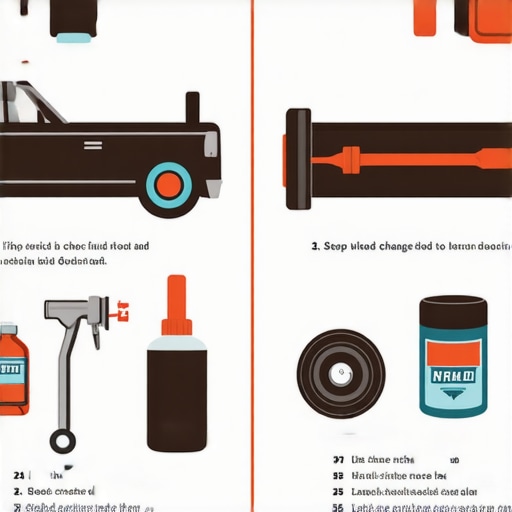
For a visual overview, here’s an image illustrating proper transmission fluid check and replacement process, highlighting key steps to maintain smooth gear shifts.
When it comes to auto repair and maintenance, many car owners, including myself at one point, hold onto misconceptions that can lead to costly mistakes. One common myth is that a simple tune-up is just about replacing spark plugs and changing oil. In reality, a comprehensive tune-up involves inspecting and optimizing numerous systems, including fuel injection, ignition timing, and even emission controls, which directly impact vehicle performance and longevity. Overlooking these nuances might seem harmless, but as expert mechanics emphasize, neglecting them can cause inefficient engine operation and increased wear over time.
A prevalent trap many fall into is believing that inexpensive, generic parts are equivalent to OEM (Original Equipment Manufacturer) components. This can be a costly shortcut, as subpar parts often fail prematurely, leading to repeat repairs and potential damage to other parts. For instance, using low-quality transmission fluid or filters might save a few dollars initially but can jeopardize the entire transmission system, resulting in expensive overhauls. To avoid this, consulting manufacturer recommendations and trusting qualified sources like Collision Fixer can make all the difference.
For those with a keen eye on advanced diagnostics, it’s essential to understand the importance of electronic sensors and control modules. Cars today rely heavily on precise sensor inputs to manage everything from engine timing to braking assistance. An unnoticed glitch or outdated software can cause symptoms like rough idling or unresponsive transmission shifts. Regular updates and diagnostic scans are often overlooked but are crucial in modern auto maintenance. According to automotive experts, neglecting electronic diagnostics can mask underlying issues that worsen over time, making repairs more extensive and expensive.
What Are the Risks of Ignoring Smaller Maintenance Details?
The hidden intricacies of car care often escape owners’ attention, leading to what I call the “oops” moments. For example, not cleaning or replacing transmission filters on time can cause fluid contamination, which accelerates wear and leads to jerky shifts or even transmission failure. Likewise, failing to address minor leaks or corrosion on electrical wiring may seem trivial but can cause sensors to malfunction, triggering warning lights and affecting safety systems. The key takeaway is that every small detail in regular maintenance holds potential implications for overall vehicle health.
In essence, understanding these nuances and avoiding common pitfalls isn’t just for the seasoned gearhead. It’s about realizing that effective car care requires a proactive approach, integrating expert advice, quality parts, and routine diagnostics. If your vehicle shows signs of trouble—like delayed engagement or strange noises—don’t hesitate to reach out to professionals through Collision Fixer. Regular, in-depth maintenance not only saves money but ensures safety and peace of mind on every drive.
Have you ever fallen into this trap? Let me know in the comments, and share your experiences or tips on avoiding these common mistakes in car maintenance.Maintaining your vehicle’s performance over time requires the right tools, consistent routines, and a proactive approach. Personally, I rely on a combination of specialized diagnostic equipment and quality consumables to keep my car in top shape. One indispensable tool I use daily is an OBD-II scanner like the “BlueDriver”. This compact device quickly connects to my car’s port and provides detailed error codes, allowing me to identify issues before they escalate. Investing in a reputable scanner not only saves me money but also teaches me more about my vehicle’s electronic systems, which are becoming increasingly complex.
Beyond diagnostic tools, high-quality supplies are vital. For example, I always use OEM-grade transmission fluid when performing fluid changes—this ensures optimal lubrication and longevity of vital components. Tools like a torque wrench help me tighten bolts accurately, preventing under- or over-tightening that could cause future leaks or component failure.
Routine maintenance extends to inspecting filters, belts, and electrical connections regularly. I schedule biannual checks, which align with the recommendation in maximize your car’s lifespan with regular tune-ups. Using a dedicated automotive flashlight allows me to spot corrosion or loose wiring early, avoiding breakdowns.
Looking towards the future, advancements in automotive technology will likely make diagnostics even more integrated with machine learning, enabling cars to self-diagnose and alert owners proactively. Staying updated with these developments—such as emerging smartphone-connected diagnostic tools—will become essential for enthusiasts and everyday drivers alike.
How do I maintain my car over time? Consistency is key. I follow a personalized maintenance calendar, combining manufacturer recommendations with my own observations. For example, I keep a log of fluid changes, filter replacements, and electrical inspections. This method has helped me recognize patterns and anticipate issues before they become costly repairs. Regularly servicing components like brakes, transmissions, and suspension not only ensures safety but also keeps the driving experience smooth.
One advanced tip I highly recommend trying is performing a detailed fluid analysis periodically. Services exist that analyze small samples of your transmission or engine oil, revealing wear particles and contaminants that standard inspections might miss. This proactive approach allows for targeted repairs and can extend your vehicle’s life dramatically.
Don’t wait until warning lights flicker or strange noises appear—invest in the right tools and establish a routine. If you’re unsure about your diagnostic setup or need professional guidance, don’t hesitate to reach out through Collision Fixer. Keeping your car in excellent shape is a continuous journey; embracing the right tools and habits guarantees smoother rides and fewer surprises on the road.
What the Unexpected Taught Me About Vehicle Care
- Sometimes, the tiniest signs—like a slight delay in shifting or a faint noise—holding off maintenance can lead to costly repairs down the line. My own experience with a stubborn jerking when reversing made me realize that proactive checks can save money and frustration.
- Trusting my instincts and not dismissing small irregularities helped me catch issues early. The lesson? Regular inspections and listening to your car’s subtle cues are invaluable for longevity.
- Even familiar problems like transmission slippage often have simple fixes if addressed promptly. My revelation was that simple fluid changes or minor adjustments could restore smooth operation, saving me hundreds in repairs.
Tools and Resources That Changed My Approach
- Using an OBD-II scanner like BlueDriver gave me quick insight into electronic glitches—an eye-opener for understanding modern vehicle systems better.
- Guides from trusted sources such as Collision Fixer’s maintenance tips helped me perform effective routine checks, enhancing my confidence.
- High-quality parts and fluids aligned with manufacturer recommendations, which proved crucial in avoiding repeated breakdowns or subpar performance.
- A dedicated toolkit with essential tools like torque wrenches and quality lubricants made DIY fixes straightforward, empowering me to maintain my vehicle proactively.
Fuel for Your Auto Repair Drive
Embarking on your own auto maintenance journey is both empowering and rewarding. Remember, your car can be a reliable companion if you pay attention to its subtle signals and invest in the right tools and knowledge. Every small step—regular fluid checks, timely replacements, and diagnostics—adds up to a smoother, safer ride. Don’t hesitate to reach out through Collision Fixer for expert guidance when needed. The road to a well-maintained vehicle is a journey worth taking—start today and enjoy the confidence of knowing your car is in good hands!