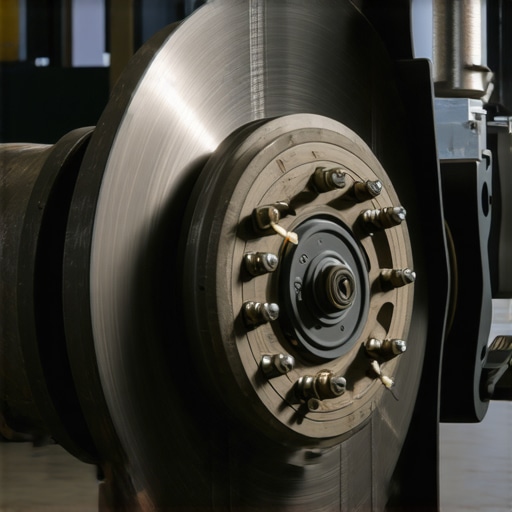
It happened suddenly, like a punch to the gut. I was inching to a stoplight when my car let out a loud, grating screech. My heart sank. I knew immediately—those dreaded brake noises. Later, I realized that annoying, grinding sound isn’t just a nuisance; it’s a warning sign that something’s seriously off with your brakes. Believe me, I’ve been there, spending late nights under my car, unsure if I’d need a full new set or just a simple fix. But here’s the thing—once I figured out what was causing that squeal when my car was almost at a complete stop, I saved myself a lot of money and stress.
Getting to the Root of the Brake Grumble
Many drivers dismiss brake noises as minor or ignore them altogether. But if you’ve ever heard that consistent grating or squealing when easing to a halt, you know it’s a sign your brake system might be crying out for help. It’s common for brake pads to develop a metallic tone if their backing plates start to contact the rotors. Less obvious but equally serious are issues like warped rotors or worn-out calipers. These problems can compromise your safety, especially if not addressed promptly.
When I first encountered this problem, I skipped the quick check and hoped it would go away. Spoiler alert: it didn’t. The mistake I made early on? Assuming brake noise was just a normal part of aging. Most DIYers rush to replace pads without inspecting rotors or calipers, which often worsens the problem. That’s why understanding the causes can save you money and keep your ride safe.
To get a clear picture, it’s wise to consult trusted sources or your local mechanic. For instance, regular brake inspections can catch issues before they become costly repairs. If you want to stay ahead of costly repairs, check out this article on how [maximizing your car’s lifespan with regular tune-ups](https://collisionfixer.com/maximize-your-cars-lifespan-with-regular-tune-ups). If you’re ready to tackle the problem yourself or schedule a professional check, knowing what to look for makes all the difference.
Now, let’s dig into the common causes of that unsettling brake noise and how you can start fixing it today. Are you tired of that squeal every time you come to a stop? Stay tuned!
Inspect the Brake Pads and Rotors
Start by safely lifting your vehicle using a jack and securing it with jack stands. Remove the wheels to access the braking components. Examine the brake pads; if they are worn down to less than a quarter inch or have uneven wear, they need replacement. Check the rotors for grooves, warping, or cracks. Use a straightedge to see if they are warped—if they have a noticeable wobble, they may require resurfacing or replacement.
Clean and Lubricate Brake Components
Sometimes, brake noise arises from dirt, rust, or debris. Use a brake cleaner spray to thoroughly clean the caliper, pads, and rotors. Apply high-temperature brake grease to the back of the brake pads and the contact points of the caliper to reduce vibrations and squealing. Think of it like lubing the hinges of a door to silence squeaks; proper lubrication ensures smoother operation.
Address Warped Rotors
If rotors are warped, they cause uneven contact with pads, leading to grinding sounds. Resurfacing the rotors at a machine shop can restore flatness, but if they are significantly warped or cracked, replacing them is the safest option. Consider this process like sanding a warped piece of wood—you need to make it perfectly flat for optimal performance.
Check Brake Calipers for Sticking
Calipers that stick prevent the pads from releasing properly, causing constant contact and noise. Remove the calipers and inspect the slide pins—if they are corroded or rusty, clean them with a wire brush and apply fresh caliper grease. If calipers are seized beyond repair, replacing them ensures your brakes function correctly, much like replacing a worn-out hinge to prevent future squeals.
Test and Confirm Repairs
Reassemble the wheel, lower your car, and take it for a test drive. Pay attention to any noise or vibrations. If the grinding persists, revisit the inspection; sometimes, issues like warped rotors or calipers need more attention. Performing these steps diligently can save you costly trips to the mechanic and ensure your safety on the road.
Many drivers believe that auto repair is a straightforward fix — replace this part, top off that fluid, and you’re good to go. But in my experience, there’s a lot of nuance that most car owners overlook, leading to costly mistakes. One common myth is that regular tune-ups are unnecessary beyond a certain age, but experts like those at Collision Fixer emphasize that proactive inspections and maintenance significantly extend your vehicle’s lifespan. Skipping these can result in small issues snowballing into major repairs, especially concerning transmission health, which often gets neglected until it’s too late.
Why do car owners often misjudge the importance of transmission service?Maintaining your vehicle’s performance over time requires the right equipment and knowledge. From simple diagnostics to complex repairs like transmission overhauls, investing in quality tools can save you money and prevent breakdowns. Personally, I rely on a set of high-precision multimeters to troubleshoot electrical issues accurately; a Fluke multimeter, for instance, offers the reliability needed for diagnosing complex wiring problems and ensuring your car’s electrical system performs flawlessly. Moreover, a reliable torque wrench—specifically one with a digital readout—ensures fasteners are tightened to manufacturer specifications, preventing parts from loosening or damage from over-tightening. Regular inspections using a good pair of LED headlights enable me to spot wear and corrosion early, especially in hard-to-see areas like behind bumpers or under chassis components.
When it comes to software, automotive diagnostic tools like the Autel MaxiCOM scan tool provide comprehensive fault codes and live data streams, giving me insights that far surpass generic OBD-II readers. These devices are invaluable for diagnosing complex issues such as transmission slippage or sensor failures, which could otherwise lead to costly repairs if left unaddressed. For ongoing maintenance, I also recommend an ultrasonic cleaner for small parts, like fuel injectors or sensors, to remove grime and restore efficiency. As technology advances, tools like portable air compressors with digital pressure gauges are becoming indispensable, especially for maintaining proper tire pressure—a simple yet crucial aspect of car longevity.
Looking ahead, the trend is moving toward integrated diagnostic and maintenance systems connected via smartphone apps, allowing for real-time monitoring and proactive service schedules. Automakers are developing smarter components that alert you when maintenance is due, which will revolutionize how we keep our cars running smoothly.
**How do I keep my vehicle running well over the years?** The key is consistent maintenance with the right tools, performed at regular intervals. For example, scheduling transmission service when recommended and using a high-quality transmission fluid is essential, as detailed in [this guide on transmission overhauls](https://collisionfixer.com/how-transmission-overhauls-save-you-money-in-the-long-run). Remember, routine inspections and early intervention are your best bets against costly repairs. Dive into your vehicle’s service manual to understand specific torque specifications, and don’t hesitate to invest in a professional-grade torque wrench that offers precision. As a next step, try calibrating your sensors with an ultrasonic cleaner—your engine will thank you. For personalized advice tailored to your car model, reach out through our contact page.
The Biggest Mistake I Made When Tackling Brake Squeals
One of the hardest lessons I learned was overlooking the importance of thorough inspection before rushing into repairs. Initially, I thought just replacing brake pads would solve the squealing, but I ended up battling warped rotors and stuck calipers later. The real eye-opener was realizing that sometimes, noise indicates deeper issues that need diagnosing, not just masking with new parts. This experience taught me patience and the value of understanding your vehicle’s signals.
Tools and Resources That Changed My Approach
Investing in a quality brake caliper piston tool and a digital micrometer revolutionized my DIY brake repairs. Also, trusted sources like maximizing vehicle lifespan with regular tune-ups provided invaluable insights into preventive maintenance. For diagnosing complex brake issues, a reliable scan tool helped me identify underlying electronic problems that could mimic mechanical noise. These resources gave me confidence and saved money in the long run.
What Makes Maintenance More Than Just the Fix
Regularly servicing your brakes isn’t only about stopping squeals; it’s an opportunity to catch hidden issues early. Remember, dynamic vehicles demand consistent attention—checking rotor runout, caliper operation, and pad wear can prevent costly repairs. Staying proactive with tools like an ultrasonic cleaner for pistons or high-temp grease ensures every component performs harmoniously. Embracing a maintenance mindset transforms brake squeals from a nuisance into an early warning system that keeps your car reliable and safe.
Have you ever pushed off fixing brake noises and regretted it later? Share your experiences below—I’d love to hear your story!