I remember the first time I took a long road trip, cruising down the highway with the windows down, feeling pretty confident about my car’s performance. But as I pulled into my driveway after hours of driving, I pressed the brake pedal—and it felt like pushing on a marshmallow. Shocked and a bit panicked, I realized this wasn’t just a little softness; it was a genuine safety concern that could have led to a serious accident if I hadn’t caught it early. That lightbulb moment taught me a valuable lesson about the importance of understanding what’s happening under the hood, especially after those long drives when your brake pedal suddenly feels unresponsive or spongy.
The Hidden Cause Behind Soft Brakes After a Long Trip
Are You Really at Risk for Brake Failure? Better Safe Than Sorry!
At first, I thought I might have just been imagining things or that my brake fluid had somehow evaporated halfway through the trip. It’s a common misunderstanding. The truth is, after extended driving, especially on hilly or mountainous terrain, your brake system can develop issues you might not notice until it’s too late. One of the main culprits is heat build-up causing brake fluid to expand or even boil over, which dramatically reduces braking performance. According to experts, brake fluid can absorb moisture over time, which can lead to vapor formation at high temperatures—a serious safety hazard. Regular maintenance can prevent this, but recognizing the symptoms early makes all the difference.
One mistake I made early on was ignoring the warning signs of uneven brake pedal feel and delayed response. Ignoring these can lead to costly repairs or—worse—dangerous brake failure. To ensure your safety and that your brakes perform when you need them most, it’s essential to understand why your brakes feel soft and what steps you can take to fix the problem before it worsens. If you’re nodding along because you’ve faced similar issues, don’t worry—I’ll guide you through the causes and solutions, so you’re not left guessing next time your brakes feel less than solid.
Inspect Brake Fluid Quality and Level
Start by locating your brake fluid reservoir under the hood. Pull the cap and examine the fluid’s color; if it looks dark and muddy or resembles coffee, it’s time for a change. Use a clean cloth to wipe the cap area to avoid contamination before removing it. Check the fluid level against the minimum and maximum marks. If it’s low, top it up with the manufacturer-recommended brake fluid, ensuring not to overfill. Remember, old or contaminated brake fluid can cause spongy pedals, especially after long drives where heat buildup accelerates moisture absorption. Learn why brake fluid turns coffee-colored to better understand the significance.
Bleed the Brake System to Remove Air Bubbles
If bleeding the brakes sounds intimidating, picture this: air in your brake lines is like bubbles in a straw—no matter how hard you suck, they prevent the liquid from transmitting force efficiently. To remove these bubbles, you’ll need a partner, a clear hose, and a catch container. First, locate the brake bleeder valve on each brake caliper or wheel cylinder. Attach the hose to the valve and open it slightly. Have your assistant press the brake pedal slowly and hold, then close the valve before they release. Repeat until you see clear, bubble-free fluid flowing through the hose. This process ensures maximum brake pedal firmness. Proper bleeding prevents soft brakes caused by trapped air.
Address Overheating Tendencies During Long Rides
Long trips, especially on hilly terrain, generate heat that can cause brake fluid to vaporize or degrade. Consider installing high-temperature brake fluid or upgrading your braking components with ventilated rotors and performance pads. During your trip, periodically test the brake pedal—if it feels spongy or goes to the floor, it’s a red flag. Avoid heavy braking to prevent heat accumulation. Once parked, give your brakes a chance to cool down before inspecting further. If you notice a lingering soft pedal after cooling, it might indicate warped rotors or deteriorated brake hoses. Signs your brakes are compromised after long drives.
Ensure Proper Brake Pad and Rotor Condition
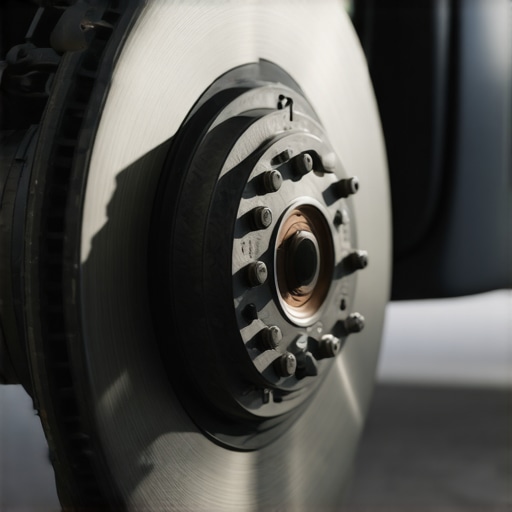
Visually inspect the brake pads through the wheel spokes. Worn pads will be thin—less than a quarter-inch. Also, check for grooves or cracks on the rotor surface. Warped rotors often cause pulsing when braking, but surface irregularities can also contribute to softness. If pads are worn or rotors damaged, replace them promptly. For a precise diagnosis, meander through the process of measuring rotor runout with a dial indicator (best left to pros if unfamiliar). Regular inspections, combined with routine tune-ups, prevent minor issues from escalating. My own experience with replacing worn brake pads and resurfacing rotors significantly improved pedal response and braking confidence.When it comes to vehicle maintenance, many car owners believe they’ll save money by skipping professional service or relying on quick fixes. But let’s dig deeper into some misconceptions that can cost you more in the long run. A prevalent myth is that all transmissions are either ‘lifetime’ filled or require frequent rebuilds. In reality, modern transmissions often need periodic maintenance to reach their optimal lifespan, especially if neglected or subjected to harsh driving conditions see why transmission fluid quality matters. Overlooking these nuances can lead to costly failures.
Another trap many fall into involves the idea that a simple “tune-up” can fix mechanical issues forever. While tune-ups can restore performance temporarily, they don’t replace necessary repairs or address underlying problems like worn components or faulty sensors that impact engine and transmission health. Regular inspections, as outlined in routine tune-ups, help catch issues early.
So, what do all these myths have in common? They over-simplify complex systems and create a false sense of security. For instance, some believe that only major accidents cause structural damage, but underlying frame misalignments could be invisible without proper diagnostics—something your collision repair specialist can detect see how frame damage affects safety. Recognizing the hidden nuances in auto repair ensures you’re not just patching the surface but maintaining your vehicle’s integrity.
A common mistake is assuming that all mechanics are equally qualified. Be cautious: choosing a trusted professional who understands these subtle distinctions can prevent future headaches and expenses. Symptoms like delayed shifting, unusual noises, or uneven wear often link back to overlooked issues with transmission fluid, sensors, or alignment know when to seek expert help.
Ultimately, understanding these hidden nuances fosters smarter decisions. Don’t fall for oversimplified advice—dig into what your vehicle truly needs. Have you ever fallen into this trap? Let me know in the comments.
Invest in Quality Diagnostic Equipment for Reliable Maintenance
One of the most valuable tools I personally rely on is a high-quality scan tool like the Autel MaxiScan MS300. It’s compact, affordable, and incredibly effective for reading and clearing diagnostic trouble codes, which helps pinpoint issues before they escalate. I use it regularly during routine check-ups to ensure nothing’s lurking beneath the surface. Having a dedicated OBD-II scanner not only saves time but also prevents unnecessary trips to the shop, especially when addressing minor emissions or sensor errors. As cars become more complex, investing in the right diagnostics equipment ensures your maintenance is precise and cost-effective.
Implement Track Record Software to Monitor Long-Term Vehicle Health
To stay ahead of potential problems, I recommend using a service like CarMD or FIXD. These apps sync with your vehicle’s OBD-II port and accumulate data over time, offering insights into the health of critical components like transmission, brakes, and engine sensors. I particularly appreciate how they visualize trends, alerting me to issues that might not be immediately apparent during a visual inspection. This proactive approach aligns with the direction auto maintenance is heading—away from reactive repairs toward predictive diagnostics that extend the lifespan of your vehicle.
Keep a Maintenance Log for Consistent Care
Creating and updating a detailed maintenance log helps me schedule necessary tune-ups and fluid changes at optimal intervals. I use a simple spreadsheet to track oil changes, filter replacements, and brake fluid topping—aligning with recommendations found in routine tune-ups. This habit prevents neglect, which can lead to costly repairs like transmission overhauls or collision fixings. Believe me, maintaining a disciplined record is a straightforward way to ensure your vehicle remains reliable and safe over the years.
Choose Specialized Tools for Effective Repairs
For specific tasks, I swear by tools such as the Lisle 32180 Oil Filter Wrench or a brake caliper piston tool. These aren’t just gimmicks; they’re designed to make repairs smoother and reduce the risk of damaging components. For example, properly removing a stubborn oil filter with the right wrench prevents spills and saves time. Similarly, a piston tool helps you reset your brake calipers evenly during a rotor change. Investing in quality tools means you’ll spend less time troubleshooting and more time enjoying the results of a job well done.
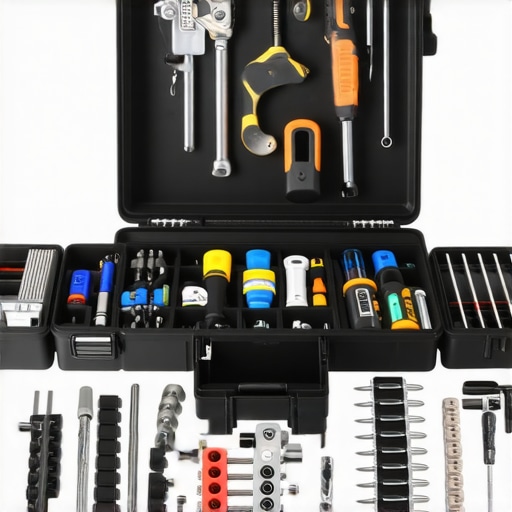
Picture of a well-organized auto repair toolbox with professional-grade tools laid out neatly, emphasizing quality and readiness for maintenance tasks.
Future Trends in Vehicle Maintenance
Looking ahead, I believe the integration of AI and machine learning into maintenance tools will revolutionize auto care. Predictive analytics could soon identify issues even before warning lights appear, making proactive intervention the norm. This evolution underscores why investing in advanced diagnostic tools now can set you apart as a savvy car owner or repair enthusiast. For an initial step, I recommend trying out a comprehensive scan tool like the Autel MaxiSys series to harness current technology’s potential.
How do I keep my vehicle healthy over time?
Consistent maintenance, leveraging the right tools, and staying informed about emerging repair techniques are keys to long-term vehicle health. When in doubt, consulting with expert technicians or exploring resources like this guide can help you catch issues early. Don’t wait until a tiny problem turns into a costly failure—regular check-ups, attentive record-keeping, and investing in proper tools will keep your car running smoothly for years to come. Ready to give your maintenance routine an upgrade? Start by incorporating a diagnostic scanner into your toolkit today and experience the difference firsthand.
The Hardest Lesson I Learned About transmission,auto repair,car service,tune up,collisionfixer
One of the most eye-opening experiences I had was realizing that not all transmission issues are created equal. Early on, I believed that slipping gears or delayed responses were always signs of needing a full overhaul. But through personal trial, I discovered that routine maintenance—like using the right transmission fluid and timely fluid changes—can often extend the life of your transmission far beyond expectations. This lesson reminded me that a little proactive care can prevent major problems down the road.
3 Myths About transmission,auto repair,car service,tune up,collisionfixer That Held Me Back
For years, I believed that all automotive repairs should be left to professionals, which sometimes led me to ignore small signs of trouble. I also thought that once a car reached a certain age, costly repairs were unavoidable. However, learning about the significance of diagnostic tools and regular inspections changed my perspective. I now understand that with proper knowledge and tools—like [diagnostic scanners](https://collisionfixer.com/what-does-an-auto-mechanic-do)—you can catch issues early and save money. Busting these myths empowered me to take better care of my vehicle.
The Power of Routine Checks and Smart Tools
Investing in quality tools like the Autel MaxiScan MS300 or FIXD has revolutionized how I maintain my vehicle. These devices provide real-time data and alerts that help me identify hidden problems before they escalate. Regularly updating my maintenance log ensures I stay on top of service intervals, preventing surprises. Combining these tools with expert advice from trusted sources—such as routine tune-ups—gives me confidence that my car remains safe and reliable for years to come.
Take Control for a Safer Journey
The future of auto maintenance is moving toward predictive diagnostics and smarter vehicles, and embracing this evolution can significantly benefit you. Begin by integrating essential diagnostic tools into your routine, and don’t hesitate to seek expert guidance when needed. Your commitment to proactive care will not only improve your driving experience but also save you time and money long-term. Making informed decisions about your vehicle’s health is empowering—so why not start today? Share your experiences below: have you ever caught a hidden issue early, or faced a repair surprise you wish you could avoid?