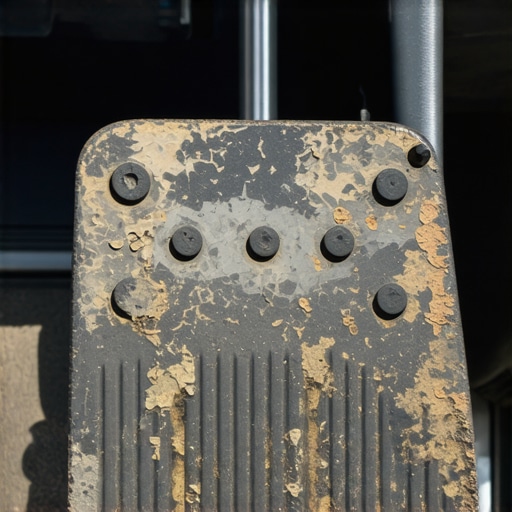
I remember the exact moment I first felt that squishy, almost rubbery sensation when I pressed down on my brake pedal. It was a cold morning, and I was in a rush—trying to get to work, fingers crossed the brakes would hold. Instead, I was greeted with a brake pedal that sank almost to the floor, giving me that unsettling feeling that my car’s stopping power was slipping away. That lightbulb moment prompted a deep dive into what causes that spongy feeling and how I could fix it without spending a fortune or risking my safety.
Understanding Why Your Brake Pedal Feels Soft or Spongy
Turns out, a soft brake pedal isn’t just a minor annoyance; it can be a serious safety issue. The most common culprit? Air trapped in the brake lines. When air gets in, it compresses under pressure, leading to that unresponsive pedal feel. Brake fluid leaks are another factor—losing fluid means less hydraulic pressure, which directly impacts braking efficiency. Sometimes, old brake pads or calipers that are sticking also cause uneven pressure, making the pedal feel inconsistent. Recognizing these signs early can save you from a potential accident or costly repairs.
Early in my own repairs, I made the mistake of dismissing that soft pedal as just needing a bleed or a quick brake fluid change. But skipping that step, or rushing into unneeded parts replacements, can actually worsen the problem. For instance, I once replaced my brake pads, only to find the spongy feeling persisted—turns out I hadn’t bled the air out properly. It’s a common mistake that many DIYers make, and it often leads to more frustration and expense.
Fortunately, resolving this issue can often be straightforward. It might mean a simple brake fluid flush or re-bleeding the brakes. If you’re experiencing this right now, I highly recommend checking out detailed guides on how to properly bleed your brakes or even consider professional help if you’re unsure. For more complex issues like leaks or caliper sticking, it’s best to have a mechanic inspect your vehicle to ensure safety.
Could This Be a Bigger Problem Than You Think?
Sometimes, a soft brake pedal is the first warning sign of more serious issues, such as a failing master cylinder or worn-out brake hoses. Ignoring these signals can lead to brake failure when you least expect it. That’s why it’s crucial to diagnose and address the problem promptly. Want to learn more about how to troubleshoot and fix your brakes? You might find useful insights in our detailed guides on fixing brake squeal or bleeding your brake system.
From my experience, tackling this problem early not only saves money but also keeps you safe on the road. Have you faced this soft brake pedal issue before? Share your story—I’d love to hear what worked (or didn’t work) for you. Remember, proper maintenance is your best defense against costly repairs and dangerous driving conditions.
Drain Old Brake Fluid Carefully
Start by locating your brake fluid reservoir under the hood. Use a turkey baster or syringe to remove the old brake fluid, which can be contaminated and cause the pedal to feel soft. Be cautious: brake fluid is corrosive. Dispose of it responsibly. I once skipped this step and only topped up the fluid—leading to continued sponginess because the old fluid was holding air bubbles that I couldn’t see.
Bleed the Brake Lines Effectively
Next, you’ll need to bleed the brakes to remove trapped air. Attach a clear hose to the bleed screw on each caliper or wheel cylinder. Have a friend press the brake pedal slowly—don’t let it go to the floor—while you open the screw slightly. Fluid and air bubbles will escape into the hose. Close the screw before your friend releases the pedal to prevent air re-entry. I recommend starting from the furthest wheel from the master cylinder—usually the passenger rear—and working your way forward. This process ensures hydraulic pressure is restored properly. For detailed steps, check out this guide on brake bleeding techniques.
Check for Leaks and Damaged Components
After bleeding, inspect all brake components for leaks or damage. Look at the brake lines, hoses, calipers, and wheel cylinders for cracks or wetness. If a hose is brittle or cracked, replacing it restores pressure and pedal firmness. I once found a cracked rubber line that caused a soft pedal, and replacing it was quick and inexpensive. Remember: leaks lower hydraulic pressure, making the pedal feel sponge-like. Don’t ignore this step, or you’ll keep fighting an unresolved issue.
Adjust or Replace Worn Components
Unresponsive pedal might also stem from worn brake pads or sticking calipers. Ensure pads are within spec; if they’re thin, replace them. Also, calipers can seize or stick, preventing proper pressure buildup. If calipers are sticking, freeing them up or replacing them ensures consistent brake feel. I had a sticking caliper that caused uneven braking and a spongy pedal—resolving it made a huge difference in braking confidence.
Perform a Final Test and Bed-In the Brakes
Once everything is reassembled, pump the brake pedal several times to build up pressure. Test the brakes at low speed in a safe area, gradually increasing intensity. Bed-in new pads if applicable, following manufacturer instructions. This helps brake pads conform to rotors, improving contact and pedal feel. After my last brake job, performed correctly, my pedal firmed up, and stopping power improved noticeably.
Consider Professional Help for Complex Issues
If, after all these steps, the pedal still feels soft, the problem may be deeper—such as a failing master cylinder or worn-out brake booster. These components require specialized tools and knowledge. For example, a faulty master cylinder can leak internally, causing a soft pedal despite bleeding. In such cases, visiting a qualified mechanic ensures safety and a lasting fix. For tips on diagnosing tricky transmission issues that might compound braking problems, check out this troubleshooting guide.
When it comes to auto repairs, many car owners hold beliefs that could hinder proper maintenance and lead to costly mistakes. Contrary to popular opinion, not every symptom points to the most obvious culprit. For example, a slipping or rough-shifting transmission isn’t always due to low fluid levels; it might be a faulty sensor or even a computerized control module needing recalibration. Relying solely on generic advice without understanding the nuance can delay the diagnosis of serious issues, as detailed in expert analyses on transmission repair nuances. Additionally, many underestimate the importance of understanding your car’s electronic systems, especially in newer models where complex modules manage almost every function. Skipping routine tune-ups because of outdated misconceptions can cause your vehicle to deteriorate quickly, leading to bigger repairs. Do you fall for the myth that DIY fixes are always better? The truth is, neglecting professional diagnostics can turn minor issues into major failures. Remember, manufacturers design systems with specific tolerances and calibrations, as discussed in our calibration tips. Beware of common pitfalls like misjudging the significance of warning signs; an early misdiagnosis might result in unnecessary replacements or overlooked damage. Advanced problems such as internal transmission wear or electrical control failures require expert evaluation, not just basic service. Always question assumptions, especially when the repair involves critical safety components. Have you ever fallen into this trap? Let me know in the comments. Staying informed about the subtle distinctions in auto repair can save you time and money—and more importantly, keep your ride safe.Maintaining your vehicle’s transmission, brakes, and other critical systems requires more than just daily checks; it demands the right tools, consistent routines, and an understanding of how to scale your maintenance efforts over time. One essential instrument I rely on is a professional-grade scan tool like the Foxwell NT510 Elite. Unlike generic OBD-II readers, this device allows me to access manufacturer-specific codes, perform calibration procedures—such as resetting your smart glass without visiting the dealership—and monitor live data streams, ensuring I catch minor issues before they become major repairs. For example, when diagnosing a stubborn transmission shift delay, I use the scanner to verify sensor inputs and control module responses directly, a step that significantly improves diagnostic accuracy.
Throughout my journey of maintaining my vehicle’s braking system, I’ve uncovered invaluable insights that go beyond the basics. One of the most profound lessons was realizing that a seemingly minor soft pedal could be a signal of deeper issues—prompting me to delve into the nuances of brake repair. Regularly inspecting components and understanding the role of each part transformed my approach from reactive to proactive, saving me time and money. I learned that patience during bleeding processes ensures trapped air is fully expelled, leading to safer braking performance. Moreover, recognizing the importance of using quality brake fluid and proper disposal practices underscores how small choices impact overall safety. These lessons have fortified my confidence in auto maintenance, and I now see each repair as an opportunity to learn something new. Remember, genuine knowledge combines hands-on experience with continuous learning, empowering you to handle your vehicle’s health effectively.