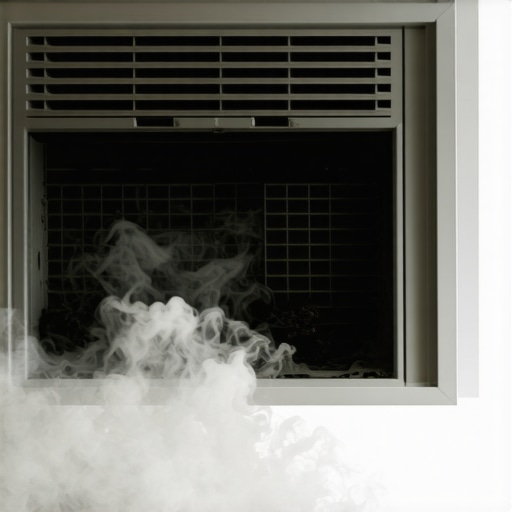
I still remember the day I first cracked open my home’s air conditioning vent and was hit with that unmistakable stench—like an abandoned gym locker stuffed with sweaty sneakers. It was a moment of mild panic mixed with a whole lot of disgust. I thought, “This can’t be right. My AC should cool and refresh, not make me regret turning it on.” That lightbulb moment made me realize just how common and frustrating this problem is, and more importantly, how fixable it can be.
Don’t Let That Odor Ruin Your Comfort
If you’ve ever experienced an AC that smells like a pair of old gym socks, you’re not alone. It’s a surprisingly widespread issue, and it’s more than just a minor annoyance. A foul odor can indicate mold growth, bacteria buildup, or even accumulated debris lurking in your system. These microbial offenders thrive in damp, dark environments, often festering unnoticed in your vents and ducts. And let me tell you: ignoring it can lead to health issues beyond just the smell, especially for allergy sufferers or those with respiratory concerns.
Is Your Air Conditioner Actually Worth the Effort?
Early on, I made the mistake of thinking I could just spray some air freshener or toss in a generic deodorizer. Spoiler alert: That didn’t solve the root cause. Instead, I realized that addressing the problem head-on meant understanding what’s really causing that smell. Once I started digging, I discovered that simple maintenance routines, combined with a few DIY tricks, could eliminate the odor for good. Curious how I did it? Stick with me. We’ll go through clear, actionable steps to banish that gym-sock smell once and for all, saving you money and frustration.
By the way, did you know that mold and bacteria can begin developing inside your AC unit within just 48 hours of bacterial spores settling? According to environmental health studies, these microbes can become airborne, affecting the quality of your indoor air and potentially leading to respiratory issues (source). That’s why it’s vital not to ignore that funky odor—it’s your system’s way of alerting you to unseen problems.
Ready to roll up your sleeves? Let’s dive into practical ways to freshen up your AC and keep that unpleasant smell far away. Trust me, a little effort now means you won’t be enduring that gym-sock stench later.
Clean or Replace Your Air Filters
Start by turning off your AC and locating the air filters—usually behind the front grille or access panel. Remove them and inspect their condition. If they’re visibly dirty or clogged, replace them with new filters. For a temporary fix, a good cleaning with soapy water can help remove surface dust and mold. Dirty filters restrict airflow, allowing moisture to accumulate and microbes to thrive, contributing to bad odors. Just like a clogged fuel filter hampers engine performance, a dirty AC filter makes your system less efficient and smelly.
Inspect and Clean the Evaporator Coil
The evaporator coil is the heart of your AC’s cooling process. Over time, it collects dust, mold, and bacteria, which can smell terrible when the system runs. To clean it, access the coil—usually behind the air filter—and gently spray it with a coil cleaner designed for HVAC systems. Use a soft brush to remove stubborn grime. Think of it like tuning up a transmission; a clean coil ensures smooth operation and prevents microbial buildup that causes odors. Use this DIY cleaning method for thorough results.

Deep Clean Your Ducts
Leverage a vacuum with a crevice tool to extract debris from your ducts. For a more thorough cleaning, consider using an HVAC duct cleaning kit or, ideally, hire a professional. Ducts act like a hidden transmission network—if they’re dirty, microbes circulate through your home, creating that gym-sock smell. Regular duct cleaning not only improves air quality but also prevents microbiali from settling in your vents, similar to removing carbon spots that can harm your engine here.
Apply Microbial Inhibitors and Deodorizers
Once your system is clean, spray an HVAC sanitizer or microbial inhibitor designed to kill bacteria, mold, and fungi on the evaporator coil and inside ducts. Then, add a deodorizer specifically formulated for AC units that neutralize odors at the source. Think of this step as resetting a body’s internal systems—eliminating the microbial ‘germs’ responsible for foul smells—much like resetting your car’s shifting logic here. Let the deodorizer sit during a cycle to ensure maximum efficacy.
Schedule Routine Maintenance
Prevent future odors by setting regular maintenance intervals. Change filters quarterly, schedule professional duct cleaning annually, and inspect your system for leaks or mold growth at least once a year. Regular tune-ups are like a transmission flush—they keep everything running smoothly and avoid costly repairs. If you notice persistent problems, it might be time to troubleshoot deeper issues—such as microbial buildup inside the system—which can be diagnosed with the right tools and expertise.
Many car owners think that a simple oil change or regular oil service keeps their vehicle running smoothly, but in reality, there’s a lot more beneath the surface that many fail to understand. For instance, the misconception that all transmission issues stem solely from low fluid levels can lead to overlooking critical problems like a failing torque converter or a worn-out flexplate. These nuances can significantly affect your car’s performance and longevity. Contrary to popular belief, routine inspections might not catch silent killers like microfractures in your transmission’s housing or hidden corrosion in the ground wires, which can cause limp modes or erratic shifting. An advanced mistake is assuming that a quick tune-up solves all issues; in fact, neglecting deeper diagnostics might mean you miss subtle signs of impending failure. For example, corroded ground wires are often overlooked but can create electrical inconsistencies leading to transmission slams or shifts hesitation. Moreover, many believe that external signs like fluid leaks are always obvious, but internal wear often simulates similar symptoms without visible leaks, trapping owners into unnecessary repairs. Advanced practitioners understand that periodic testing of differential fluids, even when not explicitly recommended, can preemptively reveal early signs of differential bone-dryness, which can cause uneven tire wear and handling issues (check these signs). It’s also a mistake to rely solely on generic repair shops; specialized diagnostic tools can detect hidden conditions such as vacuum leaks that mimic transmission slippage, costing hundreds in unnecessary repairs if missed. As experts suggest, always incorporate comprehensive diagnostics into your scheduled maintenance, especially if you notice sluggish shifts or strange noises. Remember, the key to avoiding costly repairs lies in understanding these hidden factors and acting proactively rather than reactively. Proper maintenance isn’t just about topping off fluids but about anticipating problems before they escalate. Do you want to know more about the subtle signs that your transmission might be on its last legs? Engage with your mechanic and bring this knowledge to your next service appointment. Have you ever fallen into this trap? Let me know in the comments.
Equip Yourself for Long-Term Car Care
Keeping your vehicle in top shape requires more than just routine oil changes. A well-equipped toolbox and reliable diagnostic software can make all the difference in ensuring your car runs smoothly over the years. Investing in a quality scan tool like the Autel MaxiScan MS309 allows you to quickly read and clear error codes, saving you trips to the mechanic for minor issues. Personally, I rely on this scanner because of its affordability and comprehensive features, enabling me to identify problems such as a failing oxygen sensor or a misfiring injector before they escalate.
Beyond diagnostic tools, multi-functional performance meters help monitor vital engine parameters—like compression levels, battery voltage, and alternator output. These readings aid in proactive maintenance, preventing breakdowns and extending component life.
Streamlining Maintenance with Software and Scheduling
Manual maintenance routines are essential, but integrating software solutions takes the long-term results up a notch. For instance, calibration apps are now invaluable for fine-tuning modern sensors without dealership costs. These tools help ensure accuracy in functions like headlight alignment or parking assistance, maintaining the vehicle’s safety systems.
Complementing software, setting calendar reminders for specific maintenance tasks—like fluid checks for differentials or replacing filters—creates a systematic approach. Remember, regular inspections can reveal subtle issues: a sign that your differential fluid is running low, for example, can be detected before catastrophic failure (see here for signs to watch for).
Prepare for Scaling and Future Challenges
As vehicle technology advances, so does the complexity of repairs and maintenance. Future trends point toward automated diagnostic systems and AI-driven predictive maintenance. Installing onboard diagnostic modules with cloud connectivity can notify you of potential failures before they happen, similar to how some modern cars alert for low transmission fluid levels, which otherwise might cause limp modes if ignored (read more here).
To prepare for this evolution, consider periodically updating your vehicle’s firmware or using manufacturer-specific diagnostic platforms like OBDLink MX+ or BlueDriver. These tools integrate seamlessly with your smartphone, giving you real-time insights and helping you make informed decisions about repairs or replacements before problems snowball.
How do I maintain these systems over time?
Regularly reviewing system logs and calibration data is crucial to sustain accuracy. Schedule software updates as they become available, and routinely check sensor health—such as the control modules for your engine management and transmission systems. A proactive approach ensures your vehicle benefits from the latest innovations in auto repair and helps prevent costly breakdowns down the line. To get started, try updating your diagnostic app or running a system check after a significant drive or maintenance session—you’ll thank yourself later for these small but impactful steps.
Over the years of tinkering and repairing, I’ve learned that the most valuable lessons often come from unexpected places—like a stubborn transmission or a mysterious shift hesitation. One of the key insights I’ve gained is that many car problems stem from overlooked details, such as tiny vacuum leaks or faulty ground wires, that normal inspections might miss. These micro-issues can silently sabotage your car’s performance, just as microbial buildup in your AC can cause foul odors without obvious signs. Recognizing these hidden culprits means you can act proactively, preventing costly repairs and ensuring smooth operation for miles to come.
What Secrets Garage Experts Keep to Themselves
- Don’t assume that all transmission slams or shudders are due to low fluid—sometimes, a corroded ground wire or a slipping clutch is the real culprit. For instance, a common oversight is ignoring the white-hot glow of a bad ground wire, which tricks the system into misfiring, akin to missed diagnostic check-engine codes. This is why I now keep a set of diagnostic tools handy, like the [Autel MaxiScan MS309](https://collisionfixer.com/), which has saved me countless trips to the shop by catching issues early.
- Never underestimate the power of a simple vacuum leak—those tiny hoses can mimic larger engine problems, causing erratic shifts or poor fuel economy. A quick visual inspection combined with a smoke test revealed a leak I’d ignored for months, preventing a complete overhaul.
- Routine calibration of sensors and staying updated with the latest software versions can make a tangible difference. Modern vehicles, especially those with advanced driver-assist features, depend on accurate readings. Using manufacturer-specific diagnostic platforms, like [OBDLink MX+](https://collisionfixer.com/), keeps my car running at peak performance and alerts me to issues before they escalate.
Tools and Resources That Keep Me Ahead
- Diagnostic Scan Tools: Tools like the [BlueDriver](https://collisionfixer.com/), trusted for their reliability, give me real-time data and early warnings about electrical or sensor failures.
- Maintenance Apps: Calendar reminders for fluid changes or filter replacements ensure I don’t forget crucial tasks, much like scheduling regular health checks.
- Educational Content: Blogs and tutorials from trusted sources such as Collision Fixer have taught me to identify subtle signs of issues like differential fluid dryness or vacuum hose leaks, saving money and stress.
Your Move to Better Car Health
Embarking on your own transmission or auto repair journey can be daunting, but remember that every small step builds confidence. Regular inspections, staying informed about your vehicle’s inner workings, and investing in the right tools will empower you to handle issues before they become emergencies. Don’t wait until a shudder or warning light appears—be proactive, learn from the lessons of the garage, and enjoy the peace of mind that comes with a well-maintained car. Are you ready to take charge of your vehicle’s health today? Share your experiences or ask questions below—let’s grow smarter together!