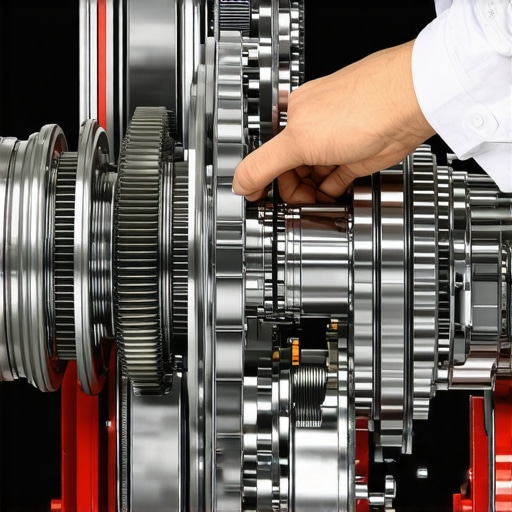
Have you ever been stranded on the side of the road, clutching your steering wheel, wondering why your car suddenly refused to move? I’ve been there, and let me tell you, that moment of panic taught me a lot about the importance of understanding my vehicle’s transmission system. It’s easy to overlook, but neglecting transmission maintenance can turn a simple inconvenience into a costly nightmare. Today, I want to share how I turned that lightbulb moment into a reliable strategy to keep my car running smoothly, and how you can do the same.
Why Transmission Care Matters More Than Ever in 2025
In 2025, modern vehicles are more advanced and complex than ever. With hybrid and electric models becoming mainstream, the traditional transmission is evolving, but the need for proper maintenance remains unchanged. Ignoring your transmission can lead to serious issues like slipping gears, delayed responses, or even complete failure. According to recent automotive studies, transmission problems account for nearly 30% of vehicle breakdowns—an alarming statistic that underscores the importance of proactive care. If you’re like me, you probably want your car to be dependable, safe, and efficient. Proper transmission maintenance is the key to achieving that.
When I first started ignoring my transmission’s warning signs, I paid the price. Small issues like delayed shifts or strange noises seemed minor at first. But I made the mistake early on of neglecting regular check-ups, thinking they weren’t urgent. That was a costly mistake. I learned that with the right knowledge and timely interventions, you can prevent most problems before they escalate. For example, regular fluid changes and system diagnostics can extend your transmission’s lifespan significantly. If you’re curious about the best strategies, I recommend checking out top transmission repair tips for 2025.
Are Transmission Repairs Worth the Cost and Effort?
This is a common concern I hear from drivers—“Is investing in transmission maintenance really worth it?” Honestly, I used to think it wasn’t. I’d rather spend money on other repairs or upgrades. But missing out on proper transmission care can lead to catastrophic failures that cost thousands. Regular tune-ups and diagnostics are small investments that save you big bucks in the long run. Plus, modern maintenance techniques make it easier and more affordable than ever. If you want to learn more about effective strategies, you can explore diagnostics tips for 2025.
Now that I’ve shared my story, let’s dive into the practical steps you can take to keep your transmission in top shape. It’s simpler than you think, and the payoff is peace of mind and a longer-lasting vehicle. Ready? Let’s go!
Check Your Transmission Fluid Regularly
My first step was to get familiar with my car’s transmission fluid. Think of it as the blood of your transmission—without it, everything grinds to a halt. I opened my hood and located the transmission fluid dipstick, then checked the level and color. If the fluid is low or dark, it’s time for a change. Regularly inspecting and topping up your fluid can prevent slipping gears and rough shifts. For detailed guidance, visit top transmission repair tips for 2025.
Learn How to Change the Transmission Fluid
Once I realized my fluid was overdue for a change, I decided to do it myself. I drained the old fluid from the transmission pan, replaced the filter, and refilled with manufacturer-approved fluid. It was messy, but the payoff was noticeable—shifts became smoother and my car responded quicker. If you’re not comfortable doing this yourself, a professional service can do it efficiently. Regular fluid changes are like giving your transmission a fresh start, extending its lifespan and improving performance.
Perform Diagnostic Checks to Spot Issues Early
Early detection saved me from a costly repair. I used a code reader to scan for transmission trouble codes. This device connects to my car’s OBD-II port and reveals hidden issues before they become serious. I learned to interpret the codes and address minor problems, like sensor glitches, promptly. This proactive approach can save you hundreds—more info at diagnostics tips for 2025.
Schedule Regular Professional Inspections
While DIY checks are helpful, I also scheduled annual inspections with a trusted mechanic. They performed pressure tests and examined the transmission control system. This comprehensive checkup caught issues I couldn’t detect myself, like internal wear or fluid leaks. Think of it as a health check-up for your car—keeping everything healthy reduces the risk of breakdowns. Consistent inspections are a small investment that pays off in peace of mind and long-term savings.
Practice Gentle Driving Habits
Driving style impacts transmission health. I started avoiding abrupt accelerations and hard stops, which strain the transmission. Instead, I shifted gears smoothly and anticipated traffic flow. This gentle approach reduces wear and tear, much like how a good diet extends your own longevity. Over time, I noticed my transmission responded more reliably, and I avoided costly repairs. Remember, your driving habits are a key part of maintenance.
Use the Correct Gear for Conditions
In stop-and-go traffic or hilly terrain, I made sure to select the appropriate gear. Modern cars often have manual modes or adaptive systems to assist. Proper gear selection prevents overheating and excessive strain. For detailed tips on optimizing your transmission system, see top transmission car service tips by collisionfixer for 2025.
Stay Updated on Recall Notices and Software Updates
Manufacturers sometimes release updates that improve transmission performance. I signed up for recall alerts and checked for software updates through my dealership. These updates can fix bugs or improve shifting algorithms, much like updating your smartphone for better performance. Keeping your vehicle current ensures the transmission operates smoothly and efficiently.
Consider Professional Tune-Ups for Peak Performance
Every few years, I invested in a comprehensive transmission tune-up. This included fluid replacement, system recalibration, and component inspection. It’s like a spa day for your car—restoring optimal function and preventing future issues. For expert strategies, visit ultimate transmission repair tune-up guide for 2025.
Many car owners believe they can skip transmission maintenance or rely solely on basic care, but this is a misconception that can cost you dearly. Let’s dig deeper into what most people get wrong about transmission upkeep, and how understanding the nuances can save you money and frustration. One widespread myth is that transmission fluid lasts forever. In reality, even high-quality fluid degrades over time, collects debris, and loses its lubricating properties, which can lead to overheating and gear slipping. Regularly checking and changing your transmission fluid, as recommended in top transmission repair tips for 2025, is crucial to prevent these issues.
Another common mistake is assuming transmission problems are always obvious. Many drivers ignore subtle signs like delayed shifting or slight jerking, dismissing them as normal. However, these can be early indicators of internal wear or fluid problems. Advanced diagnostics, like those discussed at diagnostics tips for 2025, can detect issues before they become catastrophic. Regular professional inspections are often overlooked, but they provide a comprehensive view of your transmission’s health and can catch problems that DIY checks might miss.
One trap I often see drivers fall into is over-relying on automatic transmission software updates. While these updates can improve shifting algorithms, many believe they replace physical maintenance. That’s a mistake. Software updates are supplementary; they do not substitute for fluid changes, filter replacements, or internal inspections. Relying solely on electronic updates may mask underlying issues, leading to sudden failures. For optimal performance, combining software updates with routine mechanical care, as outlined in ultimate transmission repair tune-up guide for 2025, is essential.
For advanced enthusiasts, a key question is: How does driving style influence transmission longevity? It turns out that aggressive driving—hard accelerations and abrupt stops—puts unnecessary stress on components. Gentle driving habits can significantly extend your transmission’s lifespan, especially in modern vehicles with complex transmission systems. This is a nuanced point often overlooked by casual drivers, but experts agree that your driving behavior is as important as routine maintenance. For more tips on driving habits, visit top transmission car service tips by collisionfixer for 2025.
Have you ever fallen into this trap? Let me know in the comments. Remember, understanding the intricacies of transmission care is the best way to ensure your vehicle runs smoothly for years to come.
Keeping your vehicle’s transmission in top shape requires more than just basic checks; it demands the right tools and a strategic approach. Over the years, I’ve refined my maintenance routine by investing in specific equipment that ensures thorough diagnostics and effective repairs, saving me both time and money.
Why I Trust Professional-Grade Diagnostic Scanners
One tool I highly recommend is a high-quality OBD-II scanner, like the Autel MaxiCOM or BlueDriver. These devices provide comprehensive vehicle diagnostics, revealing hidden issues that simple visual checks might miss. I use the BlueDriver regularly because it connects seamlessly via Bluetooth to my smartphone, offering real-time data and detailed error reports. This helps me pinpoint transmission problems early, such as sensor malfunctions or fluid temperature anomalies, before they escalate. Investing in a reliable scanner is a game-changer; it’s like having a mechanic at your fingertips, and I believe this trend will only grow as vehicle electronics become more sophisticated.
Fluid Testing Kits and How They Save You Money
Another essential is a transmission fluid test kit. Instead of blindly trusting the dipstick, I use a kit like the Lubegard Transmission Fluid Test Kit to analyze the fluid’s condition. It measures contamination levels and viscosity, guiding me on whether a fluid change is necessary. This proactive step prevents overheating and gear slippage, extending the lifespan of my transmission. In the future, I predict these testing kits will become more affordable and integrated with digital diagnostics, making regular checks even more accessible for everyday drivers.
Specialized Tools for Fluid Replacement and Repairs
When it’s time for a fluid change, I rely on a fluid pump and a pan extractor to ensure a clean, complete replacement. These tools help me avoid overfilling or underfilling, which can cause further issues. For internal repairs, a transmission flush machine—like the BG Products 2000—provides a thorough cleaning, removing debris and old fluid residues that could hinder performance. I’ve found that using professional-grade equipment for these tasks dramatically improves results, and many local repair shops now offer portable versions that hobbyists can use at home.
Future-Proof Your Maintenance Routine
Looking ahead, I believe the integration of AI-driven diagnostic tools and smart sensors will revolutionize how we maintain transmissions. Imagine a system that constantly monitors fluid quality, temperature, and internal wear with minimal user intervention. For now, combining these advanced tools with regular manual inspections—like checking for leaks or listening for unusual noises—provides a comprehensive maintenance strategy. I encourage you to try out a diagnostic scanner or fluid test kit this month. These small investments will pay dividends in vehicle longevity and safety.
Remember, the key to long-lasting transmission health is consistency and using the right tools. Stay ahead of problems by embracing technology today, and your vehicle will thank you for years to come. For more detailed guidance, check out top transmission repair tips for 2025 and elevate your maintenance game!
Over the years, I’ve learned that the secrets to a long-lasting transmission go beyond simple fluid checks. One of the most valuable lessons I discovered is the importance of proactive diagnostics. Using a high-quality OBD-II scanner like BlueDriver has transformed the way I approach maintenance. It reveals hidden issues early, saving me from costly repairs and unexpected breakdowns. Trust me, investing in the right diagnostic tools is a game-changer for any car owner serious about transmission health.
Another eye-opening realization was how critical regular fluid analysis has become. Instead of waiting for visible symptoms, I now use fluid test kits such as Lubegard to assess contamination levels and viscosity. This small step helps me catch problems like overheating or debris build-up before they cause significant damage. In the future, I believe these testing kits will integrate with smart sensors, making ongoing monitoring even easier and more precise.
Finally, I’ve come to appreciate how the combination of physical tools and expert knowledge creates a comprehensive maintenance routine. For example, using a professional-grade transmission flush machine like BG Products 2000 ensures a thorough clean. Pairing this with routine professional inspections keeps my transmission running smoothly and extends its lifespan. Remember, the key is consistency and utilizing technology—your vehicle’s future depends on it.

![Why Your 2026 Transmission Jerks at Low Speeds [Quick Fix]](https://collisionfixer.com/wp-content/uploads/2026/02/Why-Your-2026-Transmission-Jerks-at-Low-Speeds-Quick-Fix.jpeg)