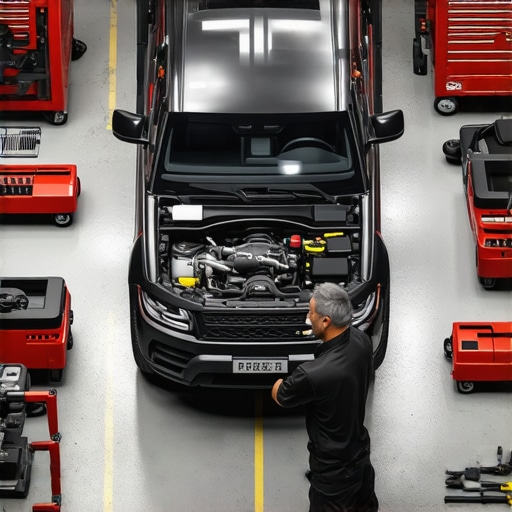
Ever had that sinking feeling in your stomach when your car starts acting up out of nowhere? I remember the first time my transmission hiccupped right before a long road trip. It was a wake-up call that even the most reliable vehicles need a little extra TLC. That lightbulb moment made me realize: staying ahead of car issues isn’t just about fixing problems; it’s about preventing them. Today, I want to share proven tips to keep your transmission and overall vehicle in tip-top shape, especially with 2025 just around the corner.
Why Staying on Top of Your Car’s Maintenance Matters Now More Than Ever
With advancements in automotive technology, our cars are becoming smarter but also more complex. Neglecting small issues today can lead to big, costly repairs tomorrow. According to experts at CollisionFixer, regular diagnostics and maintenance are key to ensuring peak performance as we head into 2025. Plus, a well-maintained transmission can dramatically improve your vehicle’s fuel efficiency and driving comfort, saving you money in the long run.
Early on, I made a mistake that almost cost me a fortune. I ignored a minor slipping sensation in my transmission, thinking it was just a glitch. Big mistake. That small slip turned into a full-blown transmission rebuild. Trust me, catching issues early is the secret to avoiding expensive repairs—and it’s easier than you think if you follow some simple tips.
Have you faced unexpected car troubles just because you didn’t notice the warning signs early?
If you’re nodding yes, don’t worry. You’re not alone. Many drivers wait too long, thinking problems will go away or that they aren’t serious. But here’s the truth: proactive maintenance, including regular transmission system checks, can save you hundreds—or even thousands—down the line. Ready to learn how to keep your car running smoothly and safely? Let’s dive into the practical tips that can make all the difference.
Start with Regular Diagnostics to Catch Problems Early
Imagine your car’s transmission as the heart of its operation — when it’s healthy, everything runs smoothly. During my last oil change, I decided to get a comprehensive diagnostics check. The mechanic used a state-of-the-art scanner that revealed minor slippage in my transmission. Addressing this early prevented a costly rebuild. Schedule regular diagnostics, especially before long trips or after noticing even subtle issues, to keep your vehicle in top shape.
Flush and Replace Fluids Consistently
Transmission fluid is like blood, carrying vital lubricants and coolants. I once ignored my fluid changes, thinking they weren’t urgent. When I finally replaced them, I noticed smoother shifts and better acceleration. Follow your manufacturer’s guidelines for fluid replacement, and consider transmission fluid flushes at recommended intervals. This simple step can extend the life of your transmission and improve overall vehicle performance.
Maintain Proper Gear Shifts and Driving Habits
Think of your transmission as a dancer that needs coordination. During a road trip, I consciously shifted gears smoothly and avoided abrupt accelerations. This practice reduces strain on components and prevents premature wear. Avoid overloading your vehicle and shifting gears at appropriate speeds. Good driving habits, like gradual acceleration and letting the engine warm up, can significantly prolong your transmission’s lifespan and ensure peak performance.
Inspect and Replace Transmission Filters
Filters trap debris that can damage sensitive parts. I once neglected a clogged filter, which caused sluggish shifting and overheating. Replacing filters at regular intervals prevents dirt buildup and maintains clean fluid flow. Consult your vehicle’s manual or a trusted mechanic to identify the right filters and replacement schedules for your car.
Schedule Professional Tune-Ups for Long-Term Health
While DIY maintenance is great, nothing beats a professional tune-up for diagnosing hidden issues. I scheduled a comprehensive tune-up last year, which included checking seals, belts, and the transmission system itself. Regular tune-ups can catch potential failures early, saving you money and ensuring your car performs optimally as we approach 2025.
Stay Updated on Latest Service Strategies
The automotive world evolves rapidly, especially with new tech coming in. I make it a point to read latest articles and attend local workshops to learn about innovative maintenance techniques. Keeping informed helps me make smarter decisions about my vehicle’s care, ensuring longevity and peak performance as we head into 2025.
When it comes to caring for your vehicle’s transmission, many drivers fall prey to misconceptions that can lead to costly mistakes. Let’s dig deeper into some of these myths and uncover the hidden nuances that can make or break your car’s longevity. First off, a prevalent belief is that transmission fluid only needs to be changed when it looks dirty or smells burnt. In reality, experts recommend adhering strictly to your manufacturer’s schedule, typically every 30,000 to 60,000 miles, regardless of appearance. This proactive approach prevents fluid breakdown and protects internal components from premature wear.
Another common myth is that automatic transmissions are completely maintenance-free. Many assume that since they’re ‘self-automating,’ they don’t require regular checkups. However, professional insights show that neglecting routine diagnostics can hide issues like slipping or overheating, which, if left unchecked, could escalate into expensive repairs. Regular system checks can catch these early and save you money.
Why do so many fall for these myths?
Because of the misconception that modern tech has eliminated the need for maintenance, many drivers delay or skip vital service appointments. But as industry experts emphasize, even the most advanced vehicles benefit from consistent maintenance patterns. Ignoring these can lead to unexpected breakdowns and safety risks, especially as we move into 2025, when vehicle technology continues to evolve rapidly.
Beware of the trap of ignoring small warning signs. A slight delay in shifting or a bump during acceleration may seem minor but can be indicators of underlying issues. Waiting too long to address these symptoms often results in more extensive damage, costing hundreds or thousands of dollars. The key is to stay proactive, leverage diagnostic tools, and consult trusted mechanics regularly. For comprehensive tips, check out diagnostics strategies that can help you spot issues early.
In summary, debunking these myths and understanding the nuanced realities of transmission maintenance is essential. Don’t fall into the trap of neglecting routine checks or believing in outdated assumptions. Instead, invest in regular diagnostics, fluid replacements, and professional tune-ups — your vehicle will thank you, and your wallet will too. Have you ever fallen into this trap? Let me know in the comments.
Maintaining your car’s transmission over time requires the right tools and a strategic approach. Personally, I rely on a combination of advanced diagnostic software and high-quality hardware to ensure my vehicle stays in peak condition. One tool I swear by is the OBD-II scanner. It provides real-time data on transmission performance, allowing me to catch issues early before they escalate. For example, I use the top diagnostic tips from CollisionFixer to interpret sensor readings accurately and plan effective maintenance routines.
Another device I recommend is a transmission fluid tester. This handy tool helps me assess fluid quality and temperature, which are critical indicators of overall system health. Maintaining proper fluid levels and quality is essential for smooth gear shifts and preventing overheating. I also use a magnetic drain plug to trap metal shavings and debris during fluid changes, extending the lifespan of internal components. Regularly scheduled fluid flushes, guided by these tools, are the best way to prevent costly repairs down the line.
On the software side, I utilize automotive maintenance apps like Car Scanner or FIXD, which sync with my diagnostic devices. These apps help me track maintenance schedules and alert me to upcoming service needs, ensuring I stay proactive. As vehicle technology evolves, I predict that integrated AI diagnostics will become more prevalent, offering even more precise insights and predictive maintenance capabilities.
Finally, I recommend maintaining a detailed maintenance log. This helps you monitor when parts were replaced or serviced, making future diagnostics and repairs more straightforward. Combining these tools with a disciplined maintenance schedule ensures your transmission remains reliable for years to come. If you’re serious about keeping your car working smoothly over the long haul, try implementing a regular fluid analysis routine using the tools mentioned above. It’s a small investment that pays off by preventing major issues later.
How do I maintain my transmission system over time?
The key is consistency. Regular diagnostics, fluid checks, and professional tune-ups are your best bet. Stay informed by reviewing latest maintenance strategies and leverage smart tools to catch problems early. Remember, proactive care today can save you from costly repairs tomorrow.
The Hardest Lesson I Learned About Transmission Maintenance
One of the most valuable lessons I’ve absorbed is that ignoring early warning signs can cost a fortune. I once dismissed a subtle delay in shifting, thinking it was just a minor glitch. That mistake led to a costly transmission rebuild that could have been avoided with proactive diagnostics. Now, I make it a point to catch small issues early, saving money and extending my vehicle’s lifespan.
How Regular Diagnostics Changed My Approach to Car Care
Getting routine diagnostics checks revealed hidden problems before they became major repairs. This proactive step has become my secret weapon for maintaining peak performance, especially as vehicles become more tech-driven. Early diagnostics help me understand my car’s health and plan maintenance effectively, avoiding surprises on the road.
Why Fluid Changes Are More Than Just Routine
Replacing transmission fluid at recommended intervals isn’t just maintenance; it’s a safeguard. I learned that clean, high-quality fluid prevents overheating and reduces wear. Using the right tools, like a transmission fluid tester, helps me monitor fluid condition regularly. This simple yet powerful step keeps my transmission shifting smoothly and extends its lifespan.
Listening to Your Car Can Save You Money
Paying attention to minor changes in how your car shifts or accelerates can prevent big problems. I’ve found that early signs like sluggish shifts or bumps are signals to get professional help. Addressing issues promptly with expert diagnostics can save hundreds, even thousands, of dollars in repairs and keep you safe on the road.
My Final Wisdom: Stay Curious and Informed
Automotive technology is evolving fast, and staying updated is crucial. I regularly read latest maintenance tips to keep ahead of the curve. Combining smart tools, routine checks, and expert advice creates a reliable shield for your vehicle’s transmission. Remember, proactive care today pays off tomorrow.
My Essential Toolkit for Transmission Success
For those serious about vehicle longevity, I recommend using an OBD-II scanner to monitor real-time performance. A transmission fluid tester helps me assess fluid quality, while a magnetic drain plug traps debris during fluid changes. These tools, along with maintenance apps like Car Scanner, make it easier to stay on top of my car’s needs. Regular use of these tools ensures my transmission remains healthy and efficient.
Your Turn to Take Action
Are you currently using diagnostic tools or following a maintenance schedule for your transmission? Share your experiences below or ask questions — I’d love to hear how you’re keeping your vehicle in top shape for 2025 and beyond!

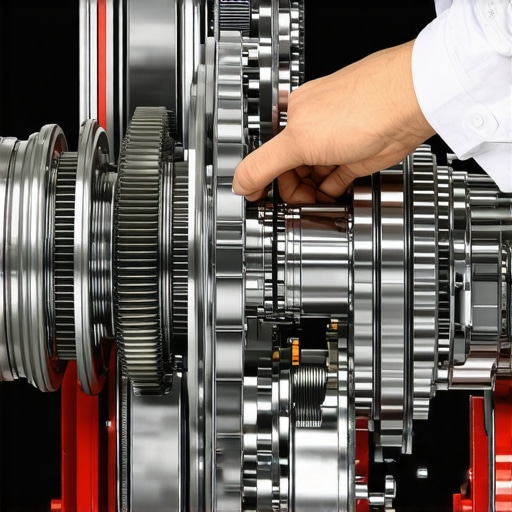
![Why Your 2026 Transmission Jerks at Low Speeds [Quick Fix]](https://collisionfixer.com/wp-content/uploads/2026/02/Why-Your-2026-Transmission-Jerks-at-Low-Speeds-Quick-Fix.jpeg)
Emily Carter
Reading this prompted me to reflect on my own maintenance routine. I used to neglect regular transmission checks, thinking as long as my car drove fine, there’s no need to worry. But after a costly repair last year, I realized proactive diagnostics could have prevented that. I’ve since started using an OBD-II scanner and schedule fluid changes more diligently, and it really has made a difference in performance. I wonder, with all the new tech coming into cars, how do others stay up-to-date with the most effective maintenance practices? Do you guys rely on tools, apps, or mechanic recommendations? I’d love to hear some practical tips on staying ahead in car care, especially for complex modern transmissions.
James William
This article really hits home for me, especially the importance of diagnostics and fluid maintenance. I’ve learned from personal experience that ignoring those subtle signs of transmission trouble can lead to costly repairs down the line. I’m intrigued by the idea of using tools like OBD-II scanners and fluid testers regularly—it’s such a proactive approach. The trick, I think, is building a routine that’s easy to follow and fits our busy schedules. Since technology keeps advancing, how do others here stay updated with the latest tools and best practices? Do you rely mostly on mechanic advice or do you prefer self-checks with new gadgets? Also, I’d be interested to know if anyone has experience with newer AI-powered diagnostic systems—are they reliable enough for regular use? I believe investing in the right tools and knowledge can really extend our vehicles’ lifespan and save money, especially as we head into 2025.