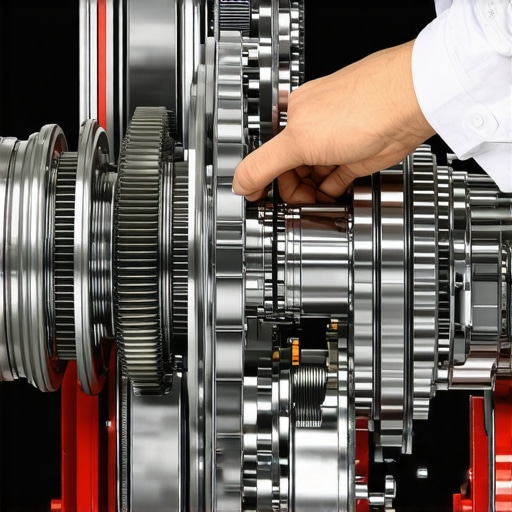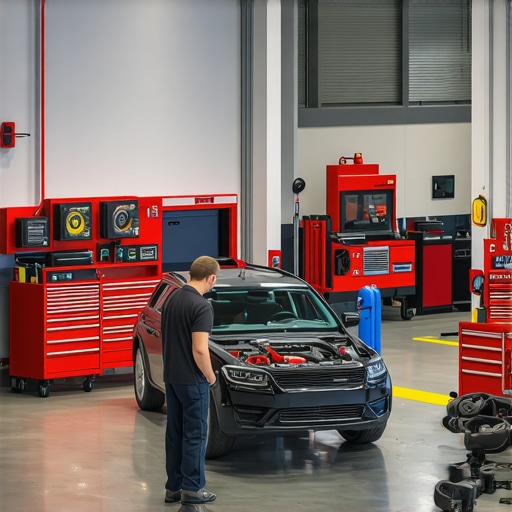
Ever been stranded on the side of the road, hearing that dreaded clunk from under the hood? I remember the moment I realized my transmission was acting up—frustration, worry, and a sinking feeling that I was facing a hefty repair bill. It was a lightbulb moment for me: staying ahead of auto issues isn’t just smart; it’s essential. And here’s the truth—most drivers overlook simple maintenance until a small problem turns into a major headache.
Why Preventive Auto Care Matters More Than Ever in 2025
In 2025, auto technology is evolving faster than ever. Advanced diagnostics, smarter transmission systems, and new repair strategies mean your vehicle is more dependable—but only if you’re proactive. Skipping routine tune-ups or ignoring warning signs can lead to costly repairs and safety risks. Trust me, investing a little time now can save you a lot later. For some standout tips tailored for the coming year, check out these expert diagnostic strategies designed to boost your car’s longevity.
Skeptical About Cutting-Edge Tips? Here’s Why They’re Worth It
Early in my repair journey, I was guilty of ignoring small transmission noises, thinking they’d disappear. But they didn’t—they worsened. I made that mistake because I underestimated how quickly issues can escalate without proper diagnostics. Now I know that customizing your maintenance routine using the latest tools isn’t just for the pros; it’s for every driver who cares about their safety and wallet. Remember, a quick tune-up can prevent a total breakdown. Want to stay ahead? Let’s dive into the essential tips that can make a difference in 2025.
Start with a Thorough Diagnosis
Before diving into repairs or tune-ups, learn to interpret your vehicle’s warning signs. Think of it like a doctor listening to a patient—listening carefully to unusual sounds or patterns can reveal underlying issues. Use a reliable diagnostic tool or schedule a professional assessment to pinpoint problems accurately. For example, I once ignored a faint transmission whine, believing it was normal—only to find out later it was a sign of impending failure. Accurate diagnostics can prevent costly damage and prolong your car’s lifespan. Check out these diagnostic strategies for your vehicle.
Dive into Transmission Checks
Think of your transmission like the bloodline of your car—keeping it healthy is vital. Regularly inspect transmission fluid levels and quality. Use a dipstick, similar to a health check, to see if the fluid is clean and at appropriate levels. If you notice a burnt smell or discoloration, it’s time for a tune-up. I once caught a transmission issue early because I checked the fluid after noticing a slight delay in gear shifts—saving hundreds in repairs. For a comprehensive approach, explore these transmission tune-up strategies.
Implement Routine Car Service Interventions
Maintaining your vehicle’s health is akin to regular exercise for your body. Schedule oil changes, brake inspections, and filter replacements every 5,000 to 7,500 miles. Use high-quality fluids and filters as the foundation—think of them as vitamins and supplements for your car. I once ignored a routine oil change, which led to sludge build-up and reduced engine efficiency. That experience underscored the importance of sticking to a consistent maintenance routine. Dive into these top service tips for peak performance.
Leverage Advanced Diagnostics for Peak Performance
Modern cars are equipped with sensors and onboard diagnostics—treat them like a personal health tracker. Use OBD-II scanners to read error codes, which can reveal hidden issues before they trigger warning lights. For instance, I used an OBD scanner after noticing my fuel efficiency dropping unexpectedly; it pointed to a faulty sensor that I replaced myself, saving time and money. Regularly analyzing diagnostic data can keep your car running at optimal levels. For expert advice, see these diagnostic tips.
Refresh and Tune Your Transmission
Transmission fluid degrades over time, like engine oil, and requires periodic replacement. Think of it as changing your blood for renewed energy. Use quality fluids recommended for your vehicle and follow maintenance schedules. A quick drain and refill can improve shifting smoothness and prevent overheating. I once performed a transmission fluid change with a mechanic, and afterward, my car shifted gears more crisply—an easy fix with lasting benefits. For detailed procedures, visit these expert strategies.
Focus on Consistency Over Quick Fixes
Auto care isn’t about one-time fixes; it’s an ongoing investment. Schedule monthly checks for fluid levels and tire health. Use routine services as checkpoints—like regular health screenings. In my experience, neglecting small issues led to bigger problems, such as a minor leak turning into a full transmission overhaul. Staying proactive avoids shocks and extends your vehicle’s life. Remember, effective maintenance is a journey, not a sprint. For comprehensive maintenance routines, review these maintenance tips.
Many car owners believe they’ve got the basics down when it comes to collisionfixer services, transmissions, and tune-ups. However, what most people miss are the subtle nuances that can make or break the longevity and safety of their vehicles. Let’s dig deeper into these overlooked details that can significantly impact your auto maintenance routine.
Are You Falling for These Common Myths About Auto Repairs?
A widespread misconception is that all transmission fluid changes are alike or that regular oil changes suffice for transmission health. In reality, transmissions require specific service protocols; using the wrong fluids or delaying maintenance can lead to uneven wear or even complete system failure. Experts emphasize the importance of adhering to manufacturer-recommended guidelines, which are often more nuanced than just swapping fluids periodically. For insights into advanced transmission care, see these strategies.
Another myth is that auto diagnostics are foolproof when, in fact, relying solely on generic scanner codes without professional interpretation can mislead you. A seemingly minor warning light might hide a complex issue that needs a diagnostic approach tailored to your vehicle’s specific systems. Incorporating comprehensive diagnostic strategies can prevent costly repairs down the line. Learn more at these diagnostic tips.
What’s the Biggest Mistake in Routine Maintenance That Could Surprise You?
Overlooking the importance of precise fluid analysis and contextual diagnostics is a major pitfall. Many drivers stick to a fixed schedule without considering how driving conditions, climate, or recent repairs might alter maintenance needs. For example, using high-quality fluids suited for extreme temperatures can prolong component life—something that’s often overlooked in standard maintenance routines. To ensure you’re ahead of potential problems, explore these expert diagnostic strategies.
Additionally, neglecting to adjust maintenance based on recent repairs or unique vehicle history can amplify existing issues. For instance, if your transmission was recently serviced, sensors or related components might require recalibration or closer monitoring to prevent early wear. Regularly schedule detailed inspections informed by your vehicle’s history to avoid these pitfalls.
Have you ever fallen into this trap? Let me know in the comments. Remember, mastering the nuances of auto care isn’t just about following routines; it’s about understanding the intricate dance of systems that keep your vehicle running smoothly. Investing time in advanced diagnostics, precise maintenance, and debunking myths will empower you to make smarter decisions—saving money and ensuring safety in the long run.
,
Prioritize Your Tools for Reliable Auto Care
Over the years, I’ve learned that having the right tools makes all the difference when it comes to maintaining your vehicle’s transmission, performing diagnostics, or conducting tune-ups. A high-quality OBD-II scanner is indispensable—it’s what I personally rely on to get a quick read on hidden faults. I prefer models like the BlueDriver because they interface seamlessly with my smartphone, providing detailed code descriptions and live data streams. This device helps me identify issues early, such as minor sensor glitches that could escalate without prompt attention.
Beyond diagnostics, invest in a precision torque wrench. Proper torque settings are critical, especially during transmission repairs or components reinstallations. I swear by the Tekton torque wrench for its durability and calibration accuracy. Using the correct torque prevents over-tightening, which can damage parts and lead to failures down the line. Combining these tools with a solid workbench setup ensures you’re prepared for most repair scenarios.
What would a professional auto technician do to keep their tools in top shape over time?
Regular calibration and cleaning are key. I recommend checking your torque wrench calibration every six months and storing tools in a dry, organized space to prevent corrosion. Additionally, software updates for diagnostic tools, like my OBD-II scanner, help keep the device equipped to interpret new error codes relating to emerging vehicle technologies. Staying proactive about maintenance of your tools maximizes their lifespan and reliability.
Embrace Smart Diagnostic Techniques
Personally, I combine beginner-friendly apps with professional-grade software for comprehensive diagnostics. For instance, I use advanced diagnostic strategies that involve cross-referencing code data with live sensor readings. This approach helps me distinguish between minor issues and those that require immediate attention, saving time and money. As vehicle systems become more interconnected, I predict a surge in AI-powered diagnostic tools that analyze vast data streams for predictive maintenance, making proactive auto care more accessible.
How do I maintain diagnostic accuracy over time?
In my experience, regularly updating software and firmware for diagnostic tools ensures I get the most accurate readings. I also keep a log of error codes and repair histories, which helps me identify patterns—like recurring transmission slip codes—that indicate underlying issues. Investing in a platform that supports firmware updates, such as the Autel MaxiSYS, ensures my diagnostics keep pace with evolving vehicle technology.
Effectively Clean and Maintain Transmission Components
Proper transmission maintenance isn’t just about fluid changes; it’s about addressing deposits and ensuring smooth operation. I recommend using a transmission flush machine with cleaning additive, like those from BG Products. These machines cycle through the system, removing sludge and contaminants that standard drain-and-refill methods might miss. During my last service, this approach reinstated shift smoothness and prevented overheating risks. For optimal results, paired with an expert transmission tune-up, you’ll extend your system’s lifespan significantly.
What tips can help keep transmission in top shape?
One strategy I advise is scheduling a transmission condition check every 30,000 miles, especially if your vehicle is used for towing or heavy loads. And don’t forget to inspect related components like the radiator and cooling system; transmission overheating often stems from overlooked cooling issues. Combining these steps with regular fluid analysis, guided by expert insights, ensures you’re on top of their health.
Stay ahead by trying out a professional-grade transmission flush this month—it’s a game-changer for long-term dependability.
Surprising truths I uncovered about auto maintenance
- Sometimes, I overlooked small transmission symptoms, only to realize later they were signs of bigger, costly issues—trust your instincts and diagnostics.
- Using the right diagnostic tools and interpreting codes personally transformed how I approach car health instead of blindly trusting mechanics.
- Routine fluid analysis and understanding your vehicle’s unique needs have prevented major breakdowns—don’t follow a one-size-fits-all maintenance plan.
- Investing in quality tools like an OBD-II scanner and torque wrench pays off by giving you control and confidence over repairs and diagnostics.
- Staying updated with the latest repair tips and debunking common myths has saved me time, money, and stress.
My secret weapon for auto care mastery
Beyond the basics, I rely on comprehensive resources like these expert diagnostic strategies and transmission tune-up techniques to stay ahead of vehicle aging and performance dips. These insights have been game-changers in my auto maintenance journey, providing me with the knowledge to troubleshoot effectively and prevent costly repairs.
Take charge of your vehicle’s longevity today
Your car deserves proactive care, and you have the power to become its best advocate. Embrace the latest diagnostics, commit to regular maintenance, and question the status quo of auto repair myths. The road to reliable, safe driving in 2025 starts with you—are you ready to take the wheel and make smarter auto care choices? Share your experiences or ask questions below; I’d love to hear your auto journey.

![Why Your 2026 Transmission Jerks at Low Speeds [Quick Fix]](https://collisionfixer.com/wp-content/uploads/2026/02/Why-Your-2026-Transmission-Jerks-at-Low-Speeds-Quick-Fix.jpeg)