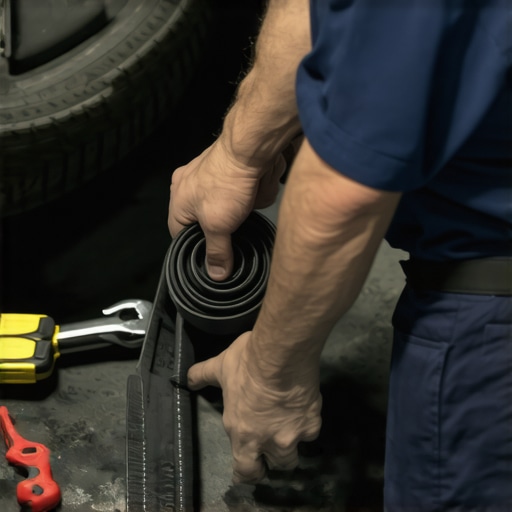
It was one of those mornings when I started my car, expecting a smooth ride, but instead was greeted by that telltale high-pitched squeal. My heart sank. I’ve been around cars long enough to recognize that squeaky belt noise as a sign something’s not quite right. But here’s the thing—it’s not always about heading straight to the mechanic and digging into your wallet.
That squeal, especially if it’s relenting or happening intermittently, can often be fixed without spending a dime. I remember the first time I ignored the squeaking and let it go for weeks—until it finally snapped, leaving me stranded. Trust me, I learned my lesson the hard way.
Today, I want to share with you a trick I discovered after countless hours of tinkering and research—something simple, effective, and absolutely free to stop that annoying belt squeal in its tracks. No need for special tools or expensive products; just a little patience and some local items you probably already have.
Let’s dive into what causes that squeaking and how you can silence it quickly. Before we get into the step-by-step, I want to ask—have you experienced this frustrating noise, only to find it mysteriously disappear after a quick fix? If so, you’re not alone. Many drivers face this dilemma, and the good news is, there’s often a straightforward solution.
Knowing what’s behind that squeal is crucial. Often, it’s a matter of a belt slipping or a bit of dirt and debris causing friction. Sometimes, the belt tension needs a slight adjustment. But in most cases, a simple cleaning or a minor tweak can do wonders. And here’s an interesting fact—research shows that regular belt maintenance can increase your vehicle’s lifespan significantly, saving you money and headaches (source: [collisionfixer.com](https://collisionfixer.com/maximize-your-cars-lifespan-with-regular-tune-ups)).
Now, without further ado, let’s explore my tried-and-true method for curing that squeak for free—and keeping your ride smooth and silent.
Locate the Faulty Belt and Prepare Your Tools
Before diving into repairs, turn off your engine and engage the parking brake for safety. Open your hood and identify the belt that squeals—typically the serpentine belt. These belts are like the arteries of your vehicle, connecting vital components and ensuring smooth operation. Grab a clean cloth, a spray bottle filled with water, and if available, some cleaning spray.
Inspect and Clean the Belt and Pulley Surfaces
Carefully examine the belt for cracks, glazing, or signs of wear. Often, a dirty or greasy belt causes slippage, resulting in squeals. Gently wipe the belt with a cloth dampened with water or a mild cleaning solution. Clean the pulleys and tensioner to remove debris or oil that could cause slipping. Think of it like wiping your shoes before a run—you need a clean surface for optimal grip.
Micro-Story:
I once noticed a high-pitched squeal from my car on chilly mornings. I used a spray bottle to lightly mist the belt and pulleys, then wiped off the excess. The squeal subsided temporarily, saving me from a costly belt replacement—at least for now. Sometimes, a simple cleaning can extend your belt’s life.
Check Belt Tension and Adjust if Necessary
Belt tension is crucial. If it’s too loose, it slips and squeals; too tight, and it causes undue wear. Most serpentine belts have an automatic tensioner—so if it’s slack, you might need to replace the tensioner. If your vehicle has a manual tensioner, use a suitable wrench to slightly tighten or loosen the tensioner pulley. Remember, a proper tension helps prevent future squeals and prolongs belt life. It’s comparable to tuning a guitar string—finding the right tightness makes everything sound perfect.
Micro-Story:
One afternoon, I noticed the squealing grew louder during acceleration. I loosened the tensioner slightly, and the noise vanished. It wasn’t a permanent fix, but it bought me time before a professional check-up. Monitoring belt tension regularly can save money and avoid breakdowns.
Apply Belt Dressing Carefully—As a Last Resort
While you can buy belt dressing spray, use it sparingly. Spray it onto the belt and allow it to dry. Beware: excessive use can make the belt slip more and cause further damage. This step is akin to using a lubricant—helpful if the belt is slipping due to minor adhesion problems but not a cure-all. Think of it as a quick fix rather than a permanent solution.
Micro-Story:
Once, after cleaning and tension adjustment, my belt squealed again under heavy load. A light spray of belt dressing quieted it temporarily, but I knew it was time for a full replacement. Use belt dressing as a temporary fix, not a long-term solution.
Test Drive and Monitor
Start your engine and observe if the squeal persists. Listen closely during acceleration, idling, and when turning on accessories. If the noise disappears, you’ve improved the situation. If not, consider consulting a mechanic or inspecting the belt and pulley system more thoroughly. Regular checks and maintenance keep your car running smoothly and can prevent costly auto repair bills—more tips are available here.
Many car owners believe that routine maintenance is solely about following factory schedules or replacing parts at specified intervals. However, a significant nuance most overlook is the importance of diagnosing the root causes rather than just reacting to symptoms. For instance, some assume that if their transmission shifts smoothly, there’s no need for a detailed inspection; in reality, underlying issues like slipping clutches or fluid degradation can lurk undetected, leading to costly repairs down the line. Advanced technicians emphasize the value of listening for subtle vibrations or irregular sounds, which can reveal early signs of wear before they escalate.
Why Do Many Auto Repair Strategies Fail Long-Term?
One common myth is that new parts always fix the problem permanently. Yet, installing a fresh transmission component without addressing the existing misalignments or fluid contamination can result in premature failure. It’s akin to replacing a worn-out tire without checking wheel balance—short-term fix, long-term problem. Experts suggest a holistic approach: combining proper diagnostics with targeted repairs, as supported by studies showing that comprehensive preventive strategies extend vehicle lifespan significantly (source: [collisionfixer.com](https://collisionfixer.com/maximize-your-cars-lifespan-with-regular-tune-ups)). Another pitfall is neglecting the importance of transmission fluid quality. Many drivers overlook that using the wrong type or neglecting timely flushes accelerates internal component wear, which many professionals warn against. Regularly scheduling detailed inspections, especially for vehicles approaching high mileage, is crucial to avoid surprises.
How Can You Avoid Falling Into These Repair Traps?
First, always prioritize a thorough diagnostic process over quick fixes. Involving experts who utilize advanced tools can uncover hidden issues that standard checks might miss. Second, stay informed about the specific needs of your vehicle model; for example, some transmissions require synthetic oils or special lubricants to operate optimally. Relying on generic maintenance can backfire if it doesn’t cater to your car’s unique engineering—more on this can be found in [collisionfixer.com](https://collisionfixer.com/the-truth-about-high-mileage-oil-is-it-worth-the-extra-money)). Finally, never ignore subtle signs like slight shifts in shifting smoothness or unusual noises. Addressing these early can save hundreds of dollars and prevent breakdowns. Have you ever fallen into this trap? Let me know in the comments.
Investing in Quality Tools Ensures Lasting Performance
When it comes to maintaining your vehicle’s transmission, suspension, or general auto repair, having the right tools can make all the difference. I personally rely on a high-quality digital multimeter, like the Fluke 117, to diagnose electrical issues accurately. This precision instrument helps me identify faulty sensors or wiring problems without guessing, saving time and money. Additionally, a reliable torque wrench is indispensable, especially when tightening components like transmission pan bolts or wheel lug nuts, ensuring correct tension and preventing future problems. My preferred model is the Click-Type torque wrench from Tekton; its accuracy and durability have proved invaluable over the years.
Leverage Diagnostic Software for Precise Insights
Modern vehicles are equipped with complex computer systems, making diagnostic tools essential for effective maintenance. I recommend investing in an OBD-II scanner such as the BlueDriver Sensor. It pairs with your smartphone and provides detailed trouble codes, live data, and repair suggestions. Using this tool, I’ve caught transmission fluid temperature anomalies early, which has helped prevent costly overhauls. Ongoing software updates ensure compatibility with new vehicle models and features, helping you stay ahead of potential issues. As technology advances, integrating these diagnostic tools into your routine will become even more critical in ensuring your vehicle’s longevity.
Establish Routine Checks for Consistent Results
Beyond specialized tools, establishing a routine of visual inspections and simple tests is vital. Regularly checking your transmission fluid level and condition—even if your vehicle isn’t showing obvious symptoms—can extend its lifespan significantly. Use a high-quality fluid such as Valvoline MaxLife Multi-Vehicle Transmission Fluid, which is formulated to protect against wear and deposits, especially in high-mileage vehicles. Pair this with a sensible maintenance schedule; I recommend following the guidelines outlined in maximizing your car’s lifespan with regular tune-ups. This proactive approach reduces the risk of unexpected transmission failure and keeps your ride running smoothly for the long haul.
Where do I keep my tools in top shape over time?
Maintaining your tools is as crucial as maintaining your vehicle. Clean your diagnostic devices after each use, store torque wrenches properly to prevent calibration drift, and check your multimeter batteries regularly. Additionally, replacing worn-out cables or probes ensures accurate readings and reliable diagnostics. Investing in a comprehensive tool storage system helps prevent loss and damage, making your maintenance routine more efficient. REMEMBER: Well-maintained tools provide accurate data, giving you confidence when performing critical repairs or routine checks.
What’s Next in Auto Maintenance Technology?
The future of auto repair leans heavily on integrated diagnostics and smart maintenance systems. Predictive analytics, powered by AI, are beginning to advise owners on when specific parts need attention before failure occurs. This shift toward predictive maintenance promises to minimize downtime and repair costs further. As these technologies become more accessible, your ability to keep your vehicle in top condition will only improve, making long-term auto care less stressful and more cost-effective. Want to enhance your troubleshooting skills? Dig into software updates for your scanner and try diagnostic procedures on your transmission or steering system today.
What I Didn’t Expect to Discover About Belt Squeals
One of the most surprising lessons was realizing how often squeaking belts are caused by simple dirt or tension issues rather than costly component failures. It taught me to prioritize cleaning and tension checks before jumping to replacements, saving time and money.
Another insight was understanding that regular maintenance and early diagnostics can prevent tiny annoyances from turning into major breakdowns. Keeping an eye on those squeals and addressing them promptly means fewer emergencies on the road.
The biggest revelation, however, was that many belt squeals are fixable with only basic household items and patience. This empowered me to troubleshoot confidently instead of rushing to a mechanic for every minor noise.
Tools and Tips That Became My Go-To Arsenal for Auto Care
My personal toolkit has evolved to include a good quality spray bottle filled with water for quick belt cleaning, a simple manual tension gauge, and an inexpensive serpentine belt dressing spray. These tools are reliable, affordable, and practical for routine checks.
Additionally, I rely heavily on online tutorials and trusted automotive guides that offer step-by-step visual instructions, which boost my confidence and ensure I don’t overlook critical details. Combining these resources has transformed my approach from reactive to proactive maintenance.
Embrace the Journey—Your Car’s Whisperings Can Save You
Remember, every squeal, vibration, or odd noise is your vehicle’s way of communicating. Paying attention and acting early not only extends your car’s lifespan but also enhances your skills and confidence behind the wheel.
So, next time you hear that tiny squeak, take a moment—invest that small effort, and you might prevent a costly repair. Auto care is a continuous learning process, and each sound is an opportunity to become more attuned to your vehicle’s needs.
What’s the first small step you plan to take to better understand your car’s signals? Share your thoughts below!