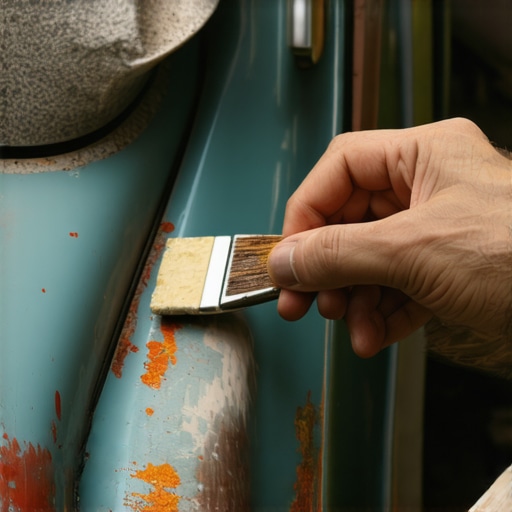
It was a sweltering Saturday afternoon when I rolled into my garage, frustration bubbling over. A small ding from a less-than-careful parking lot encounter had left a noticeable blemish on my cherished vintage coupe. The problem? Finding an exact paint match to restore it without turning my beloved car into a patchwork quilt. I remember staring at the faded panel, helpless, wishing there was an easier way. That moment was a lightbulb—if I could master the secret to matching old car paint precisely, I could save hundreds on body shop bills and preserve that classic look I adore.
The Frustration of Matching Old Paint
Matching paint on an old car seems simple in theory, but in practice, it’s a challenge that trips up many enthusiasts and seasoned mechanics alike. The sun, weather, and time alter a vehicle’s paint steadily, creating a unique hue that’s often impossible to replicate with off-the-shelf colors. I’ve learned through trial, error, and a fair share of costly mistakes that the key lies in understanding the subtle nuances of paint layers and aging. Early on, I made a rookie mistake—assuming a standard color code would suffice—only to end up with a mismatch that screamed
Assess Your Paint Carefully
Start by taking a close look at the damaged panel and surrounding areas. Use a magnifying glass if needed to examine the existing paint layers, noting any fading, gloss differences, or signs of previous repaints. During a project I worked on last summer, I found that even subtle color shifts could throw off a match, so attention to detail is crucial.
Choose the Right Tools for Color Matching
Invest in a quality automotive paint spectrophotometer, which measures the exact color of your car’s paint. Think of it as a DNA test for paint—giving you an accurate spectrum to work with. When I used one, it saved me hours of guesswork and resulted in an almost seamless blend.
Prepare the Surface Thoroughly
Sand the damaged area with fine-grit sandpaper to make the surface even and remove any flaking paint. Clean the area with a degreaser to eliminate oils or dirt, which could distort color application. Skipping this step can lead to mismatched spots or uneven gloss, as I learned painfully on a previous attempt.
Create a Custom Color Mix
Using the spectrophotometer readings, mix your base color accordingly. Add clear coats gradually to adjust gloss and depth. It’s like baking—adding a pinch of this and that until you get perfection. Always test your mixture on a hidden patch or a scrap piece first, just as I did to fine-tune my blend before tackling the car surface.
Apply the Paint in Thin, Even Coats
Use a high-quality spray gun for a smooth application, keeping the spray even and consistent. Multiple thin coats are better than one thick layer, preventing drips and ensuring color uniformity. During my last project, I spritzed on about three coats, letting each dry thoroughly, which resulted in a mirror-like finish that blended perfectly with the original paint.
Finish with Care and Patience
After the final coat has dried, lightly sand with ultra-fine grit paper if necessary, then buff the area for a flawless shine. Remember, rushing this step can cause uneven gloss or scratches. Once, I hurried through and ended up buffing out imperfections that could have been avoided with gentle, deliberate motions. This patience pays off by preserving the car’s vintage look and value.
When it comes to automotive maintenance, many car owners rely on popular beliefs that might be more myth than fact. Let’s uncover some of the most misunderstood aspects and share advanced insights to help you navigate auto repairs more confidently. For instance, everyone talks about the importance of regular oil changes, but few realize that the quality of oil and the actual procedure—like correctly selecting the right grade and viscosity—can dramatically influence engine longevity. Incorrect assumptions here can lead to premature engine wear, counteracting the very purpose of regular servicing.
A common misconception is that transmission flushes are always beneficial. In reality, if your transmission already has high mileage or is experiencing shifting issues, a flush might dislodge debris causing more harm than good. Experts advise assessing your specific situation before proceeding. Curious about how to tell if your transmission needs a rebuild rather than a flush? Check out [this guide](https://collisionfixer.com/how-transmission-overhauls-save-you-money-in-the-long-run) to understand the signs.
Another advanced nuance involves collision repair techniques. Many believe that a quick fix or cheaper parts are sufficient post-accident, but cutting corners can lead to safety risks and future costly repairs. The use of proper frame alignment tools and high-quality replacement panels ensures both safety and durability. Do you know the telltale signs that a body shop has used improper methods? [Learn more here](https://collisionfixer.com/how-to-tell-if-your-body-shop-used-a-frame-puller-correctly) underlining best practices.
Why do most car owners overlook subtle signs of transmission issues?
The reality is, early symptoms like slight slipping or delayed shifts might seem minor or normal to the untrained eye but often indicate deeper problems. Advanced mechanics understand that these early warning signs can escalate rapidly, leading to expensive repairs or replacements if overlooked. Regular diagnostics and understanding the subtleties—like shift hesitations or unusual noises—are vital. According to automotive experts, [early intervention](https://collisionfixer.com/the-40-part-that-fixes-a-rough-shifting-automatic) can save you hundreds.
Don’t fall prey to the myth that auto repairs are always straightforward or that cheap fixes are enough. Instead, equip yourself with knowledge of these nuances and trusted service providers. For dependable maintenance and expert advice, consider reaching out through [our contact page](https://collisionfixer.com/contact-us). Remember, a well-informed driver is a safer, more cost-effective one. Have you ever fallen into this trap? Let me know in the comments.Maintaining your vehicle’s performance over time requires more than just basic knowledge; it demands the right tools and a strategic approach. Personally, I rely heavily on a few specialized pieces of equipment that have saved me countless hours and headaches. For instance, a **diagnostic scan tool** like the **OBD-II scanner** is indispensable. Unlike generic code readers, I prefer a **Bluetooth-enabled, professional-grade scanner** that can access live sensor data and freeze frame info. This allows me to quickly identify issues like transmission misbehavior or engine misfires before they escalate. I recommend brands such as **BlueDriver** or **Autel MaxiCOM**, as they provide comprehensive troubleshooting capabilities, enabling precise repairs and tune-ups.
Another essential is an **electric impact wrench**. Unlike manual tools, this device accelerates bolt removal and tightening, especially for stubborn parts like wheel lug nuts or transmission bolts. My personal go-to is the **Milwaukee M18 Fuel Impact Wrench**, which combines power with portability, making quick work of repair tasks. Coupled with a **quality torque wrench**—specifically, the **GearWrench Click Torque Wrench**—it ensures fasteners are tightened to manufacturer specifications, which is crucial for safety and longevity.
When it comes to keeping your transmission in top shape, fluid analysis kits are often overlooked. I use a **transmission fluid test kit** that lets me examine fluid color, viscosity, and contamination levels. Regular checks with these kits can reveal early signs of wear and prevent costly overhaul scenarios, aligning with advice from technical experts like those found in [transmission overhaul guides](https://collisionfixer.com/how-transmission-overhauls-save-you-money-in-the-long-run).
Looking ahead, the trend points toward **smart diagnostic systems** integrated with your vehicle’s onboard data network, offering predictive maintenance alerts. As these tools evolve, you’ll be able to catch potential issues before they manifest as driveability problems, ensuring your car remains reliable for years to come.
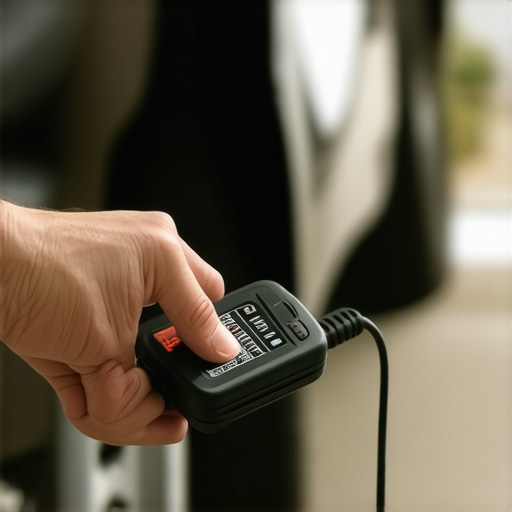
If you haven’t yet, I recommend trying out a **Bluetooth OBD-II scanner** to see how much insight your car’s diagnostics can provide. It’s a game-changer for DIY enthusiasts and can significantly extend your vehicle’s lifespan. Curious about more advanced maintenance methods? Visit our [contact page](https://collisionfixer.com/contact-us) to connect with experts and get personalized advice. Remember, proactive care today saves you money and stress tomorrow.
Lessons I Didn’t Expect to Learn About Auto Refinishing and Repairs
One of the most valuable insights I gained was that patience truly is a virtue—rushing through paint application or surface preparation often results in noticeable flaws. Taking the time to fine-tune your paint mix and drying process can mean the difference between a seamless blend and an obvious mismatch.
I also discovered that understanding your specific vehicle’s aging process helps immensely. Recognizing how a car’s paint changes over time allows for more accurate matching and a restoration that respects the vehicle’s character. It’s not just about color but about capturing its soul.
Another lesson is that investing in quality tools, such as a reliable spectrophotometer or spray gun, pays for itself by reducing errors and rework. These tools elevate your work from amateurish patchwork to professional-grade results, sparing you money and frustration in the long run.
My Go-To Resources for Advanced Car Restoration
I’ve found that trusted guides like this article on transmission overhauls provide invaluable tips that complement paint and surface work, ensuring your vehicle remains reliable after a cosmetic fix. Additionally, tools like the summer driving safety tips remind me that well-maintained vehicles are a joy to restore and drive.
For my electronic diagnostics, I rely on a high-grade OBD-II scanner. It allows me to foresee potential issues before they turn into costly repairs, making every restoration or repair project more predictable and manageable.
Your Journey to a Better Car Starts Today
Taking control of your vehicle’s maintenance and refinement is a rewarding challenge. Whether you’re matching a faded paint or fine-tuning your transmission, remember that every step you take builds confidence and skill. The road to automotive mastery is paved with patience, the right tools, and a willingness to learn and improve.
Are you ready to give your vehicle the care it deserves? Start with small projects, stay curious, and don’t hesitate to reach out through our contact page for expert guidance. Share your successes or questions below—I love hearing about your automotive adventures!