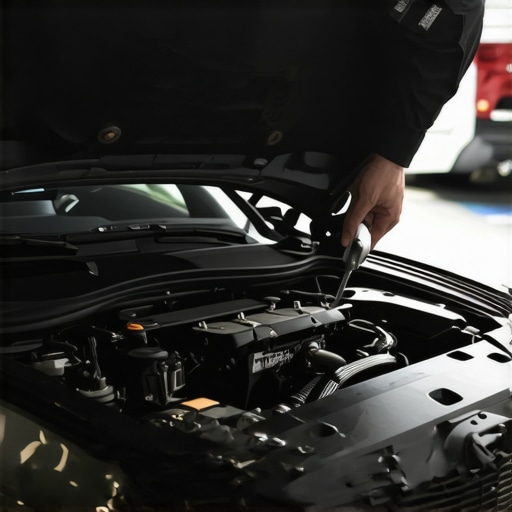
It hits that mid-summer afternoon, and just as I’m about to head out, my car refuses to start. The engine cranks, but there’s no fire—it’s like waking up to a stubborn neighbor who just doesn’t want to cooperate. That sudden no-start situation when the engine’s hot is incredibly frustrating, especially because it sneaks up on you after a long drive or a hot day. Believe me, I’ve been there, pounding the steering wheel in exasperation, wondering what went wrong.
The Hidden Culprit Behind Hot-Start Failures
Many folks assume the problem lies with the battery or the starter, but often, the real trouble is deeper—something you might not see right away. It took me a while to realize that heat-related issues can cause components like the ignition system or fuel delivery to falter. These failures can leave you stranded, and if you’re not careful, they can lead to costly repairs.
Is Fixing This Worth the Hassle?
Absolutely. Addressing the root cause of hot-start problems can save you hundreds of dollars and frustration down the road. Early on, I made the mistake of just replacing the battery without checking the ignition module or fuel system, which only temporarily masked the problem. Trust me, understanding what causes these issues is key to keeping your car reliable, especially in extreme weather. For tips on maintaining your vehicle’s health, check out maximizing your car’s lifespan with regular tune-ups.
Now, let’s dive into the common reasons your car refuses to start when hot—and how you can get it back on the road without breaking the bank.
Test Your Battery and Electrical System
Start by inspecting your battery’s condition—use a multimeter to check for at least 12.6 volts and look for corrosion on terminals. Remember, heat can weaken a seemingly good battery, so having it tested professionally can save time. I once replaced an old battery, only to find that the real issue was a loose ground wire causing voltage drops under heat stress, which meant my replacement was unnecessary.
Check Critical Ignition Components
Next, focus on the ignition system—specifically ignition coils and modules. Heat can cause these components to fail temporarily. Remove the spark plugs to inspect and test the coils with an ohmmeter; if they show signs of wear or inconsistent resistance, replace them. Well, I once replaced a spark plug, only to discover a cracked coil behind it, which took me a full afternoon to diagnose but prevented a roadside breakdown later.
Replace Faulty Ignition Modules
If you suspect the ignition module, use an inductive timing light or consult a mechanic for testing at high temperatures. Replacing these modules can be straightforward, but ensuring proper wiring and grounding is crucial. I’ve learned to replace modules with the engine cool, then allow the car to warm up; a failing module would then act up after warming, confirming suspicions.
Inspect Fuel Delivery and Vapor Lock
Heat can cause fuel lines to vaporize fuel prematurely—a condition called vapor lock, which prevents the engine from starting. Check your fuel pressure regulator and fuel pump for proper operation; listen for humming noises from the pump and use a fuel pressure gauge. Once, by replacing a clogged fuel filter and tightening loose fuel line clamps, my hot-start issues vanished, proving the importance of proper fuel system maintenance.
Manage Fuel System Heat Risks
Consider installing heat shields around fuel lines and pump assemblies. Wrapping the fuel lines with insulating material reduces heat transfer, preventing vapor lock. I installed a simple reflective shield beneath my fuel tank, which noticeably improved hot starts during summer afternoons. This step is cost-effective and makes a significant difference.
Check Sensors and ECM for Heat Damage
Electronic sensors and the engine control module (ECM) can malfunction when overheated. Use an OBD-II scanner to check for sensor errors—especially coolant temperature sensors and MAP sensors. If readings are inconsistent or the ECM shows error codes, replace faulty sensors or consider rebooting the module. I once reprogrammed my ECM after swapping a malfunctioning coolant sensor, and my hot-start issues were resolved.
Perform Preventative Maintenance
Regular tune-ups mitigate heat-related failures. Keep up with spark plug replacements, clean PCV valves, and change fluids regularly. For comprehensive guidance on vehicle care, visit maximize your car’s lifespan with regular tune-ups. My experience shows that proactive maintenance prevents a multitude of issues, saving time and money.
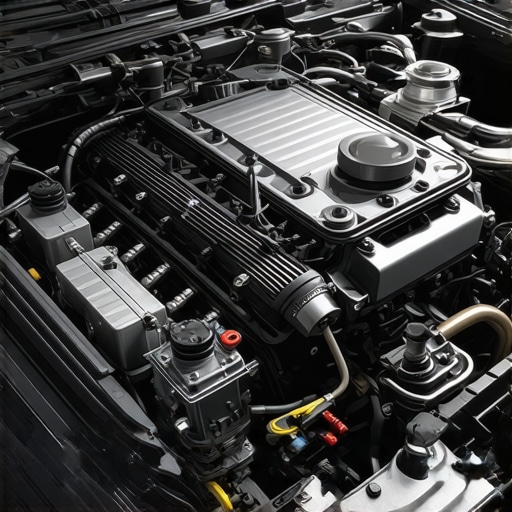 When it comes to car care, many enthusiasts and daily drivers alike harbor misconceptions that can cost them dearly. Common advice often emphasizes simple routines like regular oil changes or replacing spark plugs, but beneath these surface-level tips lies a complex web of intricacies that only seasoned professionals understand. For example, many believe that a routine tune-up is just about changing filters and spark plugs—but in reality, the timing of those replacements and the specific condition of each component play a crucial role in vehicle longevity. Moving beyond the basics, one misunderstood aspect is the impact of heat on engine sensors. Overheating sensors don’t just cause minor glitches; they can lead to erroneous readings, prompting unnecessary repairs or misdiagnoses. Latest studies, such as those published by the Society of Automotive Engineers, highlight how sensor misalignments aggravated by thermal stress are among the top causes of unexpected breakdowns. A common trap is believing that all transmission issues are due to fluid levels—when in fact, contaminants and internal wear often demand more comprehensive overhauls. Don’t fall into this oversimplified view; experienced technicians know that timely transmission overhauls can prevent much costlier damage down the road. Have you ever fallen into this trap? Let me know in the comments. Moreover, many overlook the significance of proper grounding in electrical systems. A poorly grounded component can mimic sensor failures, leading to costly diagnostics. This is where understanding the role of the ground wire—as discussed in detailed repair guides—can save you time and money. When it comes to collision repairs, being aware of how subtle frame misalignments affect safety features like airbags is essential. A minor tweak during repair, trained in precise measurement techniques, can ensure your safety systems function correctly in an emergency. Lastly, think about the importance of periodic transmission fluid analysis, not just changes based on mileage. Regular diagnostics can reveal early signs of wear, allowing preventive service before major failures occur. For more advanced insights, check out our guide on [how transmission overhauls can save you money](https://collisionfixer.com/how-transmission-overhauls-save-you-money-in-the-long-run). Embarking on the journey of deeper understanding in vehicle maintenance isn’t just about avoiding breakdowns—it’s about optimizing performance and safety. Are you prepared to look beyond the surface? Dive into these nuances, revisit your routines, and make informed decisions today. Want expert assistance? Contact us through our [services page](https://collisionfixer.com/contact-us) to ensure your vehicle gets the attention it deserves.Maintaining a vehicle over time requires more than just routine oil changes; it demands the right tools, a keen understanding of system interactions, and proactive strategies. One essential tool I rely on is an advanced OBD-II scanner like the Autel MaxiCOM MK808. Unlike basic code readers, this device provides real-time data, freeze-frame data, and the ability to check sensor health, which is invaluable for diagnosing issues before they become major problems. I personally use it during regular tune-ups, especially when troubleshooting intermittent sensor errors that can lead to transmission shuddering or engine hesitation. Regularly updating the scanner’s firmware ensures compatibility with newer vehicle models and keeps diagnostic capabilities sharp, aligning with the trend toward more integrated, software-driven maintenance solutions.
Another indispensable resource is a high-quality multimeter, such as the Fluke 117. Precise voltage and resistance measurements help me identify faulty grounds or corroded connectors that could cause elusive electrical issues, especially in the complex wiring harnesses surrounding the transmission and engine control modules. For example, a failing ground wire might mimic sensor failure, leading to unnecessary parts replacements. Consistent testing at scheduled intervals can prevent these problems from escalating.
In terms of method, I emphasize the importance of heat shields and insulating materials around sensitive components like fuel lines and wiring. Installing reflective heat shields not only prolongs component life but directly improves vehicle reliability, especially in hot climates. This preventive approach aligns with the latest research by automotive engineers at SAE, which highlights heat-related component failures as a leading cause of breakdowns in hot weather.
Prediction suggests that vehicle diagnostics will become increasingly smarter, integrating AI-driven diagnostics with cloud-based data sharing. This evolution will enable real-time monitoring and predictive maintenance, significantly reducing unexpected failures.
How do I maintain my vehicle’s electrical system to prevent long-term issues? The answer lies in periodic, thorough checks using dedicated tools like the Fluke multimeter and maintaining clean, well-insulated electrical connections. Additionally, replacing worn wiring—and ensuring proper grounding—is critical. For complex issues, consulting professional diagnostic services can verify problem sources quickly.
If you want to get ahead of potential failures, I recommend trying an advanced diagnostic tip now: use your scanner to run a comprehensive freeze-frame data check. This can reveal underlying issues that aren’t immediately obvious, such as subtle transmission sensor glitches or fuel delivery inconsistencies. Addressing these early helps ensure your car remains reliable during long-distance drives or extreme weather conditions.
Interested in more detailed insights? Reach out through our contact page to learn how professional tools and techniques can maximize your vehicle’s lifespan. Remember, proactive maintenance with the right equipment can save you significant time and money—and keep you confidently on the road for years to come.
The Hard-Won Wisdom Only Time Behind the Wheel Can Teach
One of the toughest lessons I learned in auto repair is that heat-related engine issues often involve the tiniest components, like connectors or sensors, which can be overlooked. Realizing that a cracked wiring harness or a miswired sensor can cause hot-start failures changed the way I diagnose vehicles. Patience and detailed inspections have saved me countless hours and dollars, proving that sometimes, the devil truly is in the details.
Another insight came from understanding how different materials expand at different rates when heated, influencing the reliability of hoses and clamps. Tightening or replacing these during critical maintenance prevented future breakdowns. It’s these nuanced lessons that elevate your repair skills from basic to expert-level.
Additionally, I discovered that knowing your vehicle’s history—service records and previous issues—can provide valuable clues. A well-kept history often points to recurring issues, like a faulty fuel pump or ignition coil, that surface when the engine warms up. Keep detailed notes or digital logs; they are priceless in troubleshooting.
Finally, I’ve learned that proactive, preventative maintenance—like installing heat shields or insulating vulnerable wires—can be the best investment. They cost just a fraction of what repairs or breakdowns might, especially during hot summer days. For more guidance on essential maintenance, consider exploring tips to maximize your vehicle’s lifespan with regular tune-ups.