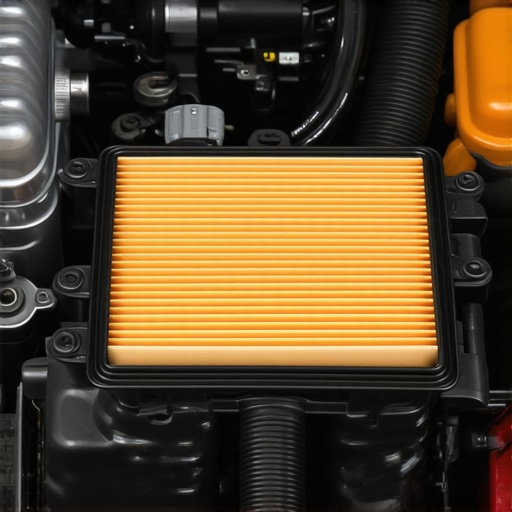
It happened to me on a chilly morning—my car sputtered, hesitated, and crawled sluggishly into the driveway. For a moment, I honestly thought the fuel pump was on its last legs. But as I dived into the mystery, I discovered a sneaky culprit: a dirty air filter causing symptoms that mimic a failing fuel pump. That lightbulb moment made me realize how easily we can misdiagnose car trouble, risking expensive repairs and unnecessary panic.
How a Dirty Air Filter Can Trick You Into Thinking the Fuel Pump Is Failing
Ever felt that sinking feeling when your vehicle suddenly runs poorly, and you immediately jump to the worst-case scenario? Well, I did. And if you’re like me, you might be brushing off the common causes and jumping straight to costly repairs, like replacing the fuel pump. But here’s the thing—sometimes the issue is much simpler and affordable to fix. A clogged air filter can create symptoms almost identical to a failing fuel pump, including rough idling, sluggish acceleration, and even stalling.According to automotive experts, neglecting the air filter not only reduces fuel efficiency but can also throw off your engine’s air-to-fuel balance, leading to misdiagnosed problems. I learned that early on when I made the mistake of assuming my fuel system was toast without checking the basics.
Before racing to the repair shop, it’s crucial to understand what’s really going on underneath the hood. A dirty air filter restricts airflow, which starves the engine of oxygen, making it struggle to perform. This lack of proper airflow can mimic signs of a failing fuel pump—poor acceleration, stalling, or engine hesitation.
Have you faced this confusing situation? Do you find yourself thinking your fuel pump might be dying when, in reality, a simple air filter replacement could save the day? If so, you’re not alone. Many car owners overlook this easy fix, leading to unnecessary expenses and frustration.
In the next sections, I’ll walk you through how to identify these symptoms accurately, and most importantly, how to fix the root cause—saving you money and headaches in the process. Because trust me, sometimes the simplest solution is hiding right where you least expect it, and recognizing these signs early can make all the difference.
Check the Air Filter First
Begin by locating your vehicle's air filter—it’s usually housed in a plastic or metal box connected to the intake manifold. Remove the cover following your vehicle’s manual, which I admittedly struggled with the first time, ending up prying it open with a screwdriver—so be patient. Once exposed, inspect the filter visually; if it appears clogged with dirt or debris, it’s time for a replacement.
Replace the Air Filter Properly
Buy the correct filter recommended for your make and model. Take out the old filter, noting how it fits into the enclosure. Insert the new filter ensuring it sits flush and seals properly. Secure the cover tightly to prevent unfiltered air from bypassing—a common mistake I once made that caused engine hesitation even after replacing the filter.
Clean or Service Related Components
Sometimes, debris can clog the air intake ducts, so use a vacuum or compressed air to clear any accumulated dirt at the intake path. Also, inspect the mass airflow sensor—delicately disconnect and clean it with a specialized sensor cleaner, as a dirty sensor can mimic air filter issues.
Test the Vehicle After Replacement
Start the engine and observe its behavior. Notice if the rough idling or sluggish acceleration improves. Take a short test drive; if performance rebounds, you’ve likely resolved the problem. If symptoms persist, consider other causes like a faulty fuel pump or spark plugs—those can be tricky, so keep an eye on top signs that your car needs expert auto repair.
Regular Maintenance to Prevent Future Problems
Make it a habit to check your air filter every 12,000 miles or as recommended. A clean filter improves fuel efficiency and engine health, preventing issues that mimic more serious failures. I set a reminder to inspect it during oil changes—saving me from surprise breakdowns. For detailed advice on how routine tune-ups can extend your car’s lifespan, visit this guide.
Recognize When to Seek Professional Help
If after replacing and cleaning you still experience engine problems, look for other signs like strange noises or dashboard alerts indicating deeper issues. Don’t hesitate to contact an expert. You can find trusted repair shops through Collision Fixer. Addressing issues early prevents costly repairs down the line, such as transmission overhaul or engine rebuilds—check here for reasons why it pays to act promptly.
While many car owners believe that scheduling a simple tune-up or transmission service is a straightforward task, the reality is far more nuanced. Common misconceptions can lead to unnecessary expenses and overlooked issues. For example, the widespread idea that all transmission problems stem from low fluid levels is misleading; in fact, contamination or internal wear often requires more in-depth diagnostics, as highlighted in expert analyses. An advanced mistake I see frequently is assuming that ignoring minor warning lights won't cause long-term damage, but subtle signals like fluctuating fluid temperatures or inconsistent shifting patterns can be early indicators of deeper problems, requiring specialized attention.
Are There Hidden Signals Behind Your Dashboard Lights That You're Missing?
These signs might seem insignificant, but according to automotive research, neglecting them can accelerate component failure or compromise safety. For instance, a warning light for the transmission fluid temperature might be dismissed as a minor glitch, but it can actually point to a failing cooler or sensor that, if left unaddressed, could result in costly transmission rebuilds. Many are unaware that regular professional inspections, beyond routine oil changes, can uncover these hidden issues before they escalate.
Another common myth is that shorter service intervals always save money, but according to experts, extending the interval slightly while adhering to specific vehicle demands can optimize both performance and longevity. For example, spending a little more on high-quality fluids and filters can reduce the frequency of costly repairs, which is supported by data from industry studies. Additionally, many underestimate the importance of proper collision repairs; a poorly executed respray or unaddressed frame damage might appear minor but can lead to uneven tire wear or suspension issues over time, emphasizing the need for professional, detail-oriented collision repair services.
Strategic attention to nuances such as the condition of your transmission cooler lines or the integrity of your engine’s cooling system can prevent major breakdowns. Regularly consulting trusted resources like this guide on transmission maintenance can be a game-changer. Remember, understanding the subtle cues your vehicle gives and challenging common myths will save you money and ensure safety on the road. Have you ever fallen into this trap? Let me know in the comments to share your experiences and tips.Maintaining your vehicle's performance over time requires more than just basic knowledge; it calls for investing in reliable tools and adopting precise methods. As an auto repair enthusiast, I personally swear by a few key pieces of equipment that help me diagnose issues early and perform effective tune-ups. One essential tool is an OBD-II scanner, specifically the Autel MaxiCOM MX808. I chose this model because it provides comprehensive diagnostics, including live data streams, which allow me to monitor engine health in real-time and catch problems before they escalate. Additionally, I keep a set of high-quality torque wrenches, like the Tekton interaction, to ensure fasteners are tightened to specifications, preventing future issues. Using proper torque not only extends the lifespan of engine components but also maintains safety—serving as a safeguard against over-tightening that can warp parts. For fluid management, I rely on a digital fluid tester, such as the Teknorix Hydraulic & Transmission Fluid Tester. This gadget helps me verify fluid quality without costly lab tests, prolonging component life and improving reliability. When it comes to cleaning, I use a precision throttle body cleaner, like CRC Throttle Body & Air-Intake Cleaner, which helps maintain optimal airflow and idle smoothness—a crucial factor often overlooked during routine maintenance. I also utilize software solutions like repair manuals from Mitchell1 or AutoZone's free Scan Tool, which streamline troubleshooting and make DIY repairs more manageable. These digital resources keep me informed about the latest repair techniques and manufacturer-specific procedures, ensuring my fixes are accurate and durable. Looking ahead, I believe the trend leans increasingly toward smarter, connected tools that integrate with your vehicle’s onboard systems, providing instant diagnostics and step-by-step repair guidance via smartphones or tablets. This evolution promises to simplify long-term upkeep and foster more empowered do-it-yourselfers. So, if you’re serious about keeping your vehicle in prime condition, I recommend starting with an advanced scanner and investing in quality hand tools. Try calibrating your torque wrench to manufacturer specs before your next repair—that small step can make a big difference in long-term performance. As you build your toolkit, remember that consistent maintenance, paired with the right equipment, promises a smoother ride for years to come. Want a comprehensive list of trusted diagnostic tools? Check out our detailed guide on car maintenance essentials.
Lessons From the Garage That Changed My Approach
- I learned that relying solely on symptom diagnosis without checking the basics wastes time and money; sometimes a simple air filter swap solves what seems like major engine issues.
- Early attention to minor dashboard lights or odd noises can prevent costly repairs down the line, emphasizing the importance of listening to my vehicle’s subtle signals.
- Understanding that maintenance is an ongoing process, not a one-time fix, has transformed how I schedule regular tune-ups and inspections—saving me stress and expenses.
- I realized that investing in quality tools like an advanced scanner and torque wrench makes DIY repairs more precise and reliable, boosting my confidence behind the wheel.
- Sharing my experiences has shown me that staying informed about common myths and actual vehicle needs empowers me to make smarter, safer decisions.
Tools and Resources That Keep Me Ahead of Trouble
- Autel MaxiCOM MX808: This diagnostic scanner offers comprehensive insights, helping me identify issues early—preventing major breakdowns and costly repairs. I trust its accuracy and ease of use for all my DIY checks.
- Mitchell1 Repair Software: Staying up-to-date with OEM procedures and repair tips keeps my repairs on point, especially when tackling complex issues beyond basic maintenance.
- High-Quality Torque Wrenches: Proper tightening is crucial, and tools like the Tekton aid me in meeting manufacturer specifications—adding longevity and safety to every fix.
- Reliable Automotive Literature: Resources like this guide inspire me to maintain my car proactively, rather than reactively.
Your Next Step Toward Reliable Car Care
The road to confident vehicle ownership is paved with curiosity and proactive habits. Embrace the mindset that the simplest solutions—like checking your air filter—can have the biggest impact. Don’t wait for warning lights to turn into costly repairs; start your journey today by learning more about proper maintenance routines and trusted tools. Remember, every small step you take now can lead to a smoother ride and fewer surprises on the road. What’s one maintenance habit you want to improve? Share your goals below, and let's support each other’s Car Care journey.