
One morning, I was casually heading to work when my car jerked unexpectedly at a red light. That feeling of your transmission hesitating or slipping is enough to spike your adrenaline—and your worries. It got me thinking: I’ve had my fair share of auto mishaps, but do I really understand what’s happening inside my transmission? More specifically, what’s the difference between a transmission flush and a drain? These terms often get thrown around in shops and forums, but honestly, I didn’t fully grasp what each method entailed—until I messed up early in my auto repair journey and paid the price.
Why Ignorance About Transmission Service Matters More Than You Think
Missing the nuances between a transmission flush and a drain can lead to costly damages and unnecessary repairs. I learned this lesson the hard way when I trusted a mechanic who just performed what he called a “transmission service”—but after a few weeks, my shifting became sluggish, and I had to bite the bullet for a full rebuild. This experience prompted me to dive deep, learn the ins and outs, and now, I want to share those insights with you so you don’t make the same mistakes.
Never Underestimate What’s Beneath the Hood
Early on, I made the mistake of thinking all transmission services were pretty much the same. It turns out, there’s a significant difference between a complete flush and a simple drain. Knowing which method your car needs is crucial for preserving its longevity and performance. If you’ve ever wondered which approach is better for your vehicle, or if you’re facing similar uncertainties, you’re in the right place. We’re about to peel back the curtain on these two procedures and help you decide what’s best for your ride. And if you’re curious about other vital car maintenance tips, check out signs your mechanic didn’t really change your oil filter.
With a better understanding, you’ll be able to ask informed questions at the shop and avoid costly missteps. Ready to get into the nuts and bolts—and avoid another roadside surprise? Let’s start with a clear explanation of what each service involves, so you can decide which one your transmission truly needs now or in the future.
Prepare Your Workspace and Tools
Start by choosing a flat, well-ventilated area with ample lighting. Gather necessary tools: a drain pan, socket set, transmission fluid, new filter (if applicable), a funnel, and safety equipment like gloves and goggles. I once tackled this in my garage, laying down cardboard for safety and keeping towels nearby to catch minor spills. Proper preparation prevents messy surprises and ensures a smoother procedure.
Determine the Correct Service Method for Your Vehicle
Consult your vehicle’s manual or a trusted mechanic to decide between a transmission flush or drain. A flush involves using a machine to replace all transmission fluid, washing out contaminants thoroughly. Conversely, a drain simply involves removing the drain plug or pan to drain existing fluid, leaving some residue behind. For my SUV, I used a flush as recommended, which rejuvenated the shifting performance noticeably. Knowing your car’s needs helps avoid unnecessary repairs.
Drain the Transmission Fluid
To drain, lift the vehicle securely with a jack and stands or a hydraulic lift. Place the drain pan beneath the transmission drain plug. Use a socket wrench to loosen the plug slowly, allowing fluid to drip into the pan. Be cautious: transmission fluid can be hot. I learned this the hard way when I forgot to let the engine cool, and I got a minor burn. Once drained, replace the drain plug tightly to prevent leaks.
Optional: Remove and Inspect the Transmission Pan
Unscrew the pan bolts and carefully remove it to access the filter and magnets trapping metal shavings. Clean the pan with brake cleaner or degreaser, removing any debris or sludge. Replace the filter if necessary, especially if your vehicle’s maintenance schedule calls for it. I once overlooked this step, and the next day, shifting felt rough, signaling dirty fluid residues still lingering.
Perform a Transmission Flush
This step requires a specialized machine connecting to your vehicle’s transmission system. The machine cycles out old fluid while simultaneously introducing fresh fluid, effectively removing contaminants. I paid a professional shop to do this, and the improvement in smoothness was immediate. Remember, a flush is more thorough but may not be suitable for older or high-mileage transmissions without additional precautions.
Refill with Fresh Transmission Fluid
Using a funnel, pour the recommended type and amount of transmission fluid into the fill port. For my car, I used synthetic fluid, which enhanced performance. Check the level with the dipstick or fill height marker, adding gradually to avoid overfilling. Running the engine briefly with the transmission in park helps circulate the fluid, allowing for accurate level adjustments. Proper filling prevents future shifting issues and prolongs transmission life.
Test Drive and Final Checks
Start your vehicle and shift through all gears, then park and recheck the fluid level, topping off if necessary. Take a short drive to feel for smooth shifts and listen for any unusual noises. Revisiting your mechanic or consulting online guides can help verify if your transmission functions optimally post-service. After completing my last transmission service, I noticed my car shifted gears more crisply, confirming the effectiveness of diligent maintenance.
Stay Vigilant About Future Maintenance
Regularly check your transmission fluid quality and level, especially before long trips or severe driving conditions. Schedule service as per your vehicle’s manual or if you notice symptoms like slipping or delayed engagement. I set reminders on my calendar based on the manufacturer’s interval, which helped me avoid emergency repairs and keep my car performing reliably.
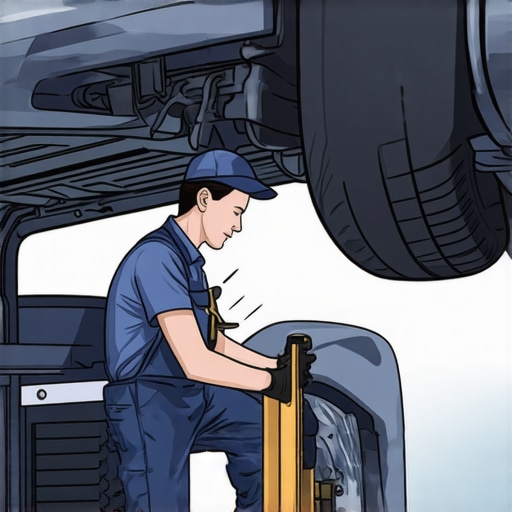 Many car owners operate under misconceptions about tune-ups, transmission repairs, and overall auto maintenance, often leading to costly mistakes. One pervasive myth is that all auto service providers perform thorough inspections when, in reality, many rely on quick fixes to maximize profit. This can result in overlooked issues, such as failing to detect critical internal transmission wear that might cause major failures later. For example, some believe that a simple oil change suffices for transmission health, but as outlined in this guide, neglecting the oil filter can cause significant damage, especially in high-mileage vehicles. The real nuance lies in understanding that a comprehensive service involves more than just topping off fluids; it requires inspecting internal components, seals, and fluid quality. A common mistake is assuming that a ‘tune-up’ involves only spark plugs and filters, but advanced diagnostics now reveal that ECU programming, sensor calibration, and even transmission fluid condition are crucial for optimal performance.
The false notion that mechanics always use genuine parts also warrants caution. Some shops resort to aftermarket components that may look similar but lack the durability of OEM parts, leading to premature failures. This is particularly true for critical parts like transmission solenoids or valve bodies, which greatly influence shifting smoothness. As detailed in this article, hidden internal screens can clog and cause erratic shifting if not properly maintained.
From an advanced perspective, understanding the complexity of modern transmissions helps. Many forget that electronic control modules (ECMs) can be sensitive to contaminants and incorrect fluid types, which can cause ‘hunting’ for gears or hesitation. Regular diagnostic checks with professional tools can preempt these issues, preventing expensive rebuilds. For instance, some drivers are unaware that high-pressure sensors or solenoids can cause subtle but impactful shifting problems, often mistaken for bad springs or worn gears.
Finally, a trap to avoid is ignoring signs of minor transmission slipping or delayed engagement. Early detection through careful observation can save hundreds or thousands in repairs. If you’re interested in how hidden transmission issues develop and how to address them, I recommend checking out this resource for insights on internal clogging and system deterioration.
Are you aware of these hidden nuances, or have you ever fallen for a common myth that cost you later? Let me know in the comments! Remember, staying informed and skeptical can be your best tools in avoiding costly auto repair pitfalls.
Essential Tools for Effective Auto Maintenance
Having the right equipment at hand can make all the difference in maintaining your vehicle’s longevity. I highly recommend investing in a high-quality OBD-II scanner, such as the BlueDriver or Autel MaxiCOM. These devices allow you to read and clear diagnostic trouble codes, providing early warnings about issues like transmission problems or sensor failures. Regularly scanning your car helps you catch problems before they escalate, saving time and money. Additionally, a good set of socket wrenches, torque wrenches, and a reliable jack are indispensable for safe and thorough repairs. I personally rely on a digital torque wrench to ensure components like lug nuts and transmission bolts are tightened precisely, preventing future failures.
For fluid management, a fluid extractor pump simplifies changing engine and transmission fluids without mess. An infrared thermometer also proves useful for monitoring engine and transmission temperature, ensuring your cooling system functions correctly. I’ve found that combining these tools with a detailed maintenance checklist boosts my confidence in my vehicle’s health and helps me perform repairs confidently.
Software and Diagnostic Resources I Trust
Beyond physical tools, software plays a crucial role. I regularly use diagnostic apps compatible with my OBD-II scanner to monitor and log vehicle data over time. This historical insight can reveal trends, like gradual temperature increases or rising fuel consumption, indicating underlying issues. For more advanced troubleshooting, I turn to manufacturer-specific diagnostic software, like Ford IDS or BMW INPA, which can access deeper systems. Staying updated with software updates is vital, as manufacturers frequently release patches that enhance diagnostic capabilities.
Remember, investing in reliable equipment not only extends your car’s lifespan but also saves you from costly repairs. As vehicles continue to evolve toward complex electronic systems, understanding and utilizing the right tools becomes even more critical—like the hidden screen that monitors transmission health, which I delve into in this article.
Portable Equipment to Support On-the-Go Fixes
When you’re on the road, a compact multi-tool kit with screwdrivers, pliers, and a flashlight can be a lifesaver. I always keep a portable jump starter and a tire pressure gauge in my trunk; these small items can prevent roadside emergencies. For diagnosing unexpected issues, a Bluetooth OBD-II adapter paired with smartphone apps enables quick scans without needing bulky equipment. Practicing regular inspections with these tools helps detect developing problems early, avoiding inconvenient breakdowns during busy schedules.
Predicting Future Trends in Car Maintenance
The future of auto repair leans heavily toward smart diagnostics and automated systems. As vehicles become increasingly connected, expect more integrated diagnostic tools that communicate directly with manufacturers’ servers, providing real-time alerts about maintenance needs. Artificial intelligence is also beginning to analyze data from multiple sensors to predict failures before they happen. Staying ahead involves adopting these emerging technologies now—like software that detects transmission clogging early—saving you significant expenses down the line.
How do I maintain my vehicle’s health over time?
Consistent scheduled servicing combined with digital monitoring tools is key. Regularly scanning your car with an OBD-II reader can reveal issues like coolant temperature anomalies or sensor failures that might cause problems like vibration at high speeds—details I covered in this post. Also, keeping transmission fluid clean and at the optimal level prevents internal clogging, which often leads to shifts feeling rough or hesitation. Adopting a proactive approach, rather than reactive, helps keep your vehicle performing reliably for thousands of miles.
To truly optimize your car’s health, try implementing a quarterly diagnostic scan combined with a detailed visual inspection of fluid levels and belt wear. This small step can detect issues early—preventing costly repairs and ensuring smooth operation for the long haul.
The Hardest Lesson I Learned About Transmission Maintenance
One of my most eye-opening experiences was discovering how neglecting precise transmission service can lead to costly repairs. I once trusted a quick quote over proper diagnostics and paid the price with a full rebuild. It taught me that understanding the difference between a simple drain and a comprehensive flush isn’t just technical jargon—it’s a lifesaver for your wallet. Sometimes, the hardest lessons come from overlooking the details, but once you know what to look out for, you can preserve your transmission’s health for miles to come.
Three Tools That Completely Changed My Approach
Investing in a quality OBD-II scanner, a digital torque wrench, and a reliable transmission fluid extractor transformed my DIY maintenance routine. These tools give you real-time insights and precision that dealerships often lack. I trust this guide for signs to watch when your mechanic might cut corners. When you handle your vehicle with the right equipment, you’re not just saving money—you’re gaining confidence and understanding your car on a much deeper level.
Challenging My Assumptions About Auto Repairs
I used to believe that all transmission issues stemmed from worn gears or old fluid. But I learned that sometimes, a simple clog or a failing sensor can cause more symptoms than actual internal damage. This realization pushed me to ask smarter questions and seek diagnostics that go beyond surface looks. For example, my discovery of the hidden screen in my transmission system helped me diagnose problems early—before they became emergency repairs. Embracing curiosity can prevent small issues from snowballing into big headaches.
Stay Curious and Proactive in Your Vehicle’s Care
The journey to better auto maintenance doesn’t end with just knowing the basics. Regularly checking your transmission fluid with reliable tools, staying informed about new diagnostic tech, and asking expert questions can extend your vehicle’s lifespan significantly. Remember, auto care is a continuous learning adventure, one where knowledge truly is power. Whether tackling a fluid change or understanding the latest in transmission tech, your proactive stance can save you money and peace of mind in the long run.
Don’t Wait for a Surprise—Take Control Today!
I believe that your vehicle deserves your attention and care. With the right knowledge and tools, you can prevent costly mishaps and enjoy driving with confidence. So why not start tomorrow with a quick check of your transmission fluid or a diagnostic scan? When you do, you’re not just maintaining a machine—you’re safeguarding your safety and peace of mind. Ready to jump in and take control of your auto care journey?
Have you ever overlooked a warning sign that turned into a major repair? Share your story below—I’d love to hear how you turned things around!