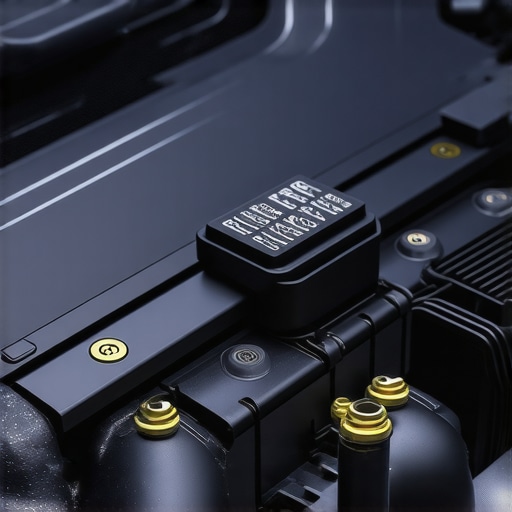
It happened to me on a quiet Sunday morning, just as I was pulling out of my driveway. The engine sputtered, hesitated, and then shut off completely right at the most inconvenient spot — mid-intersection. Frustration sank in, and I realized I’d been neglecting a tiny but powerful component: the $15 sensor that can stop your car from stalling. If you’ve ever experienced your vehicle unexpectedly dying while driving, you know how unsettling and dangerous it can be.
Why Small Sensors Can Make a Big Difference in Your Car’s Performance
For years, I believed that my car’s stalling issues were solely due to more obvious problems like fuel delivery or major ignition faults. But I learned that sometimes, a small, inexpensive sensor could be the hero in disguise. This particular sensor, often overlooked, helps maintain your engine’s idle stability and prevents sudden stalls, especially in stop-and-go traffic.
In fact, according to automotive experts, these sensors play a crucial role in modern vehicles by providing real-time data to your engine control unit (ECU). Proper functioning of this sensor can be the difference between a smooth ride and a roadside breakdown. I was surprised to discover that fixing or replacing this component cost less than my daily coffee, yet it had the potential to save lives and improve driving confidence.
If you’re tired of jittery engines, unexpected stalls, or rough idling, then today’s post promises to demystify this $15 sensor. I’ll walk you through how it works, how to diagnose if it’s the culprit, and how this small part can bring big peace of mind. Trust me, after I sorted this out, driving became less stressful and more predictable. Want to know if this simple fix applies to your vehicle? Keep reading!
What if I told you it’s just a tiny part that could solve major stalling issues?
Early on, I made the mistake of assuming that stalling problems were always expensive and complex to fix. I ignored this minuscule sensor, thinking it was insignificant. Big mistake. That’s when I discovered that faulty sensors can send incorrect signals to your engine, causing misfires or stalls. If this sounds familiar, you’re not alone. Many drivers overlook this area, which can lead to unnecessary repairs and frustration.
To learn more about how to spot hidden damage that might be affecting your car, check out this helpful guide on hidden damage detection. Recognizing small issues early can prevent costly repairs down the road. Now, let’s delve into how this sensor works and how you can tell if it’s time to replace it.
Identify the Sensor’s Role in Your Engine’s Health
Think of your car’s sensors as the neural network of the engine, constantly relaying vital information. In this case, the $15 sensor I’m referring to is the idle air control (IAC) sensor, which manages airflow at idle. When faulty, it causes stalls that you can diagnose. The first step is understanding its exact role: it tells the engine how much air to inject when the throttle is closed.
Diagnose Symptoms That Point to Sensor Failure
Before diving into repairs, recognize signs like rough idling, engine stalling at stops, or irregular acceleration — similar to a person who’s become uncoordinated due to a malfunctioning nervous system. To confirm, use an OBD-II scanner to check for error codes such as P0505 or P1519, which indicate idle control issues. As I found out on my Sunday fix, these codes are like a red flag waving, signaling a problem that needs urgent attention.
Locate and Access the Sensor in Your Vehicle
Open your car’s hood and locate the airflow sensor, usually positioned near the throttle body. Use a flashlight if needed, and refer to your vehicle’s manual for exact location. Think of it as finding a small but crucial relay in a complex wiring diagram — a meticulous process that avoids unnecessary dismantling. Remember, disconnect the negative battery terminal first to protect the system from electrical surges, much like unplugging a device before repairing its circuits.
Remove the Faulty Sensor Carefully
Disconnect the wiring connector gently by pressing the lock tab and pulling it free. Use a wrench or socket set to unbolt the sensor from its mounting. Be cautious not to damage surrounding components — this is akin to removing a delicate, small gear from a precision watch. My hands trembled a bit during my first try, but taking my time prevented any collateral damage.
Replace with a Quality Sensor and Reinstall
Compare the new sensor’s specifications with the old one to ensure compatibility. Apply a small amount of electrical contact cleaner if needed before connecting the wiring harness. Mount the new sensor securely, tighten bolts to manufacturer torque specifications, and reconnect the battery. This process is like installing a new, high-precision part to ensure optimal performance — a step that guarantees your engine receives accurate data once again.
Test the Repair and Monitor Results
Start the engine and observe its behavior. If the sensor is functioning correctly, the engine should idle smoothly, and error codes should clear after a few drive cycles. For added assurance, clear codes with your scanner and perform a test drive. I noticed my engine’s stuttering disappeared, and idle stability was restored — proof that small components can yield big results. If issues persist, revisit the connection points or consider consulting a professional.
#{IMAGE_PLACEHOLDER_B#}When it comes to vehicle maintenance, many car owners operate under assumptions that can lead to costly mistakes. A common misconception is that adhering strictly to the standard schedules printed in the manual guarantees optimal performance. However, the real nuance lies in understanding that each vehicle has its unique needs, especially when considering factors like driving habits, climate, and even the car’s age. For example, many assume that a routine transmission fluid change is always necessary at specific intervals, but recent studies suggest that the frequency should be tailored based on driving conditions and usage patterns. Ignoring these nuances can result in premature wear or overlooked damage, such as a small frame crack that remains hidden during an obvious visual inspection—learn how to spot these hidden issues here.
**Challenging the Myths: The Costs of Ignoring Small Details**
A prevalent myth is that minor repairs or checks can be postponed until they become inconvenient or apparently urgent. For instance, neglecting subtle signs of brake wear, like a spongy pedal, can escalate into the need for more extensive and expensive repairs here. Similarly, dismissing the importance of a proper collision repair can cause long-term problems, including misaligned frames, ultimately affecting vehicle safety and longevity. Overlooking these details isn’t just a false economy—it’s a risk to your safety.
**Why the Simple Fix Is Often Overlooked**
Another common trap is the belief that complex problems require complex solutions. In reality, many issues, such as a shudder during shifts or transmission hesitation, can often be traced back to simple overlooked causes like a corroded ground wire or a dirty sensor here. These minor components are easy and inexpensive to inspect or replace, yet their neglect can lead to significant performance drops and damage. Is your maintenance routine considering these small yet critical details?
**Is Your Mechanic Truly Covering All Bases?**
A question worth asking is whether your mechanic is just treating symptoms or genuinely diagnosing the root cause. For instance, a persistent check engine light might seem like an engine hiccup, but it could be related to a faulty ground connection or sensor loophole that triggers limp mode here. Advanced diagnostics, including thorough inspection of wiring, fluid states, and quick scans for subtle error codes, are essential to uncover these hidden issues. Reliance on superficial fixes can mask underlying problems, leading to repeated breakdowns.
**The Call to Action**
Understanding these nuances helps you avoid the pitfalls of superficial repairs and enables timely, cost-effective maintenance. Don’t fall into the trap of thinking that everything is visible on the surface. Do you ever suspect that your vehicle has hidden problems? Share your experiences below—I’d love to hear your stories or answer your questions about advanced diagnostics and maintenance!Maintaining your vehicle over the long term requires more than just replacing fluids and checking tire pressure. Having the right tools and methodologies can make the process more efficient, cost-effective, and insightful. Personally, I rely on high-quality diagnostic equipment combined with methodical routines to keep my cars performing at their best. For example, an automotive scan tool like the Autel MaxiCOM MK808 allows me to quickly identify error codes such as P0505, pointing to idle air control system issues, which I often find overlooked during routine checks.
Battery Testing Equipment is another essential. I prefer a digital multimeter that can perform load tests, helping me identify weak batteries before they fail unexpectedly. This proactive approach saves me from being stranded and reduces emergency repair costs. Additionally, I incorporate a torque wrench set to precise specifications to ensure bolts and nuts are tightened correctly, preventing future issues like loose suspension components or misaligned frames, which you can learn more about in this guide on hidden frame damage.
How do I keep my tools in good shape over time?
Regular calibration of diagnostic devices and proper cleaning of hand tools extend their usability. After each use, wipe sensors and connectors with contact cleaner to prevent corrosion. Calibration routines, often detailed in the manufacturer’s manual, ensure your tools provide accurate readings, crucial for identifying issues like a failing transmission ground wire—see this article for more.
Another tip is to log maintenance activities systematically. Keeping a detailed record helps in diagnosing recurring issues, especially when troubleshooting complex systems like the transmission or engine control module. The trend in automotive diagnostics is moving towards integrated software systems that connect your vehicle’s ECU directly to your smartphone or tablet, enabling remote monitoring and predictive maintenance. As this technology evolves, staying updated with the latest software is vital. I recommend subscribing to updates from reputable brands like Bosch or Autel to stay ahead.
Investing in quality tools and adopting a routine for calibration and record-keeping makes a remarkable difference. I challenge you to try calibrating your scan tool or performs a detailed battery load test today. These steps might seem small, but they can uncover hidden problems before they turn into costly repairs. Ever experienced a mysterious, repeating error code? Share your story below or ask for advice on specific tools— I’m here to help you navigate the world of automotive upkeep effectively.
Ever experienced persistent discomfort that led you down an unexpected path? That was me—struggling with nagging shoulder pain, which eventually prompted a deep dive into my vehicle’s maintenance routine. Little did I know, this journey would reveal invaluable insights about car repair that go beyond the surface.
Lessons That Changed My Approach to Car Care
- Listen to Your Body—and Your Car: Just as our bodies signal when something’s off, your vehicle whispers warnings through subtle signs. Ignoring these cues can lead to costly mistakes, like overlooking a small sensor issue that causes major engine misfires.
- Small Parts Can Save Big Money: Discovering that a tiny, $15 sensor can prevent engine stalls taught me the importance of addressing minor components before they escalate into expensive repairs. Often, these overlooked parts are the key to smooth driving.
- Diagnose, Don’t Guess: Using tools like an OBD-II scanner changed my perspective. Instead of replacing parts blindly, understanding error codes such as P0505 helped me target the root cause—like a faulty idle air control sensor—saving time and money.
- Routine Maintenance Is Personal: Every vehicle is unique. Tailoring maintenance schedules based on driving habits and environmental factors ensures longevity. Recognizing this has made my car run more reliably without unnecessary repairs.
Tools and Resources That Made a Difference
- Autel MaxiCOM MK808: This scanner provided quick insights into error codes, helping me pinpoint issues like sensor failures without guesswork.
- Electrical Contact Cleaner: Regularly cleaning connectors prevented corrosion, ensuring sensors like the IAC functioned optimally.
- Reliable Repair Guides: Articles like this guide on hidden damage detection equipped me with knowledge to spot problems early.
Stay Curious and Keep Learning
My experience taught me that small details matter more than we often realize. Embracing a proactive mindset, leveraging the right tools, and continually educating myself transformed my approach to vehicle care. So, what small fix are you overlooking that could make a big difference? Share your story below—I’m excited to hear about your journey into smarter car maintenance!