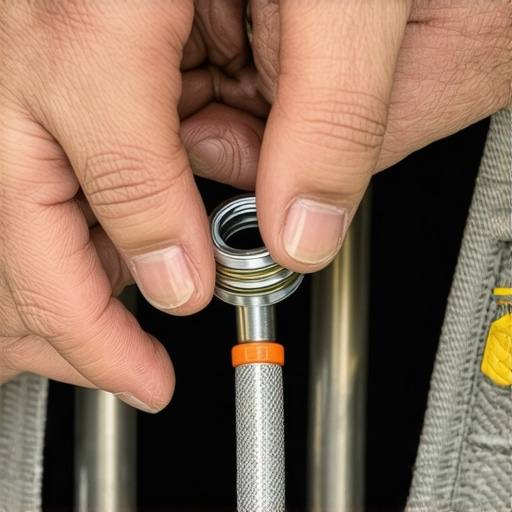
Ever been caught off guard, stranded on the side of the road with the engine overheating, just because of a tiny, almost invisible leak? I have. It was a muggy summer afternoon when I first noticed that faint smell of coolant and a ever-so-slight puddle under my car. At first, I brushed it off—surely just a slow drip, right? Little did I know, that tiny leak was about to turn into a full-blown headache.
One morning, I popped the hood, expecting just a routine check. Instead, I saw a small, greasy stain around a component I hadn’t paid much attention to before. Turns out, it was my heater core’s O-ring, leaking coolant. That’s when I realized—if I didn’t fix it soon, I’d be looking at costly repairs or maybe even an engine meltdown.
So, what can a $10 O-ring do for a persistent coolant leak? Well, I’m here to tell you that with a little elbow grease and the right information, this tiny part can be your best friend. I was skeptical at first—sounds kind of too simple to be effective, doesn’t it? But the truth is, this fix has saved me hundreds and, more importantly, spared me from engine damage. That’s a big deal, trust me.
Today, I want to share the details of this surprisingly easy fix and how it can save you from the same headache. No more guessing games or shelling out big bucks for repairs. We’re going to talk about finding that tiny culprit, what tools you’ll need, and the step-by-step process to patch that leak for good.
Before diving in, I’ll admit—my early mistake was rushing into a bigger repair without checking the most overlooked common culprit: the O-ring. That mistake cost me extra time and money. You can avoid that by paying closer attention to these small but critical parts.
If you’ve ever dealt with coolant leaks or just want to prevent one, stick around. This humble O-ring might just be your car’s new best friend. And if you’re wondering whether these fixes are worth trying yourself, I’ve got you covered with some honest insights and a little DIY confidence boost coming up.
Locate the Leak Precisely
My first actual step was to identify exactly where the coolant was leaking from. I popped the hood and looked for signs of fresh coolant or oily stains. In my case, it was a small, greasy stain around the heater core. To be sure, I used a clean rag to wipe the area and check if the stain reappeared after some engine runs. This step is crucial—misidentifying the source can lead to unnecessary parts replacement or further damage.
Gather the Correct Tools and Parts
Next, I gathered the required tools: a set of socket wrenches, screwdrivers, gloves, and safety glasses. The key part was buying the right-sized O-ring—measure the diameter and thickness accurately, or consult your vehicle’s manual. Trust me, mismatched O-rings can worsen leaks or cause fitting issues. For my model, a 10mm O-ring did the trick. Check the recommended tools and parts for similar repairs.
Drain the Coolant Properly
Before removal, it’s essential to drain the coolant to prevent spillage. Locate the radiator drain plug or remove the coolant reservoir cap carefully. For my car, I opened the radiator petcock and let the coolant flow into a collection container. This minimizes mess and environmental impact. Remember, never open the cooling system when hot—the pressure can cause burns.
Remove the Faulty Part
With everything drained, I unscrewed the components surrounding the heater core. Be cautious; some parts are delicate. For the heater core’s O-ring, I loosened the clamps or fittings holding it in place. Use a flashlight if necessary—small parts can hide behind hoses or brackets. Once the access is clear, gently pry out the old O-ring. It may be greasy or brittle, indicating wear.
Replace with the New O-Ring
Now, carefully install the new O-ring, ensuring it sits snugly in its groove. I applied a tiny amount of coolant-compatible lubricant to help it seat properly—this step prevents pinching or twisting that can cause leaks. Confirm the fit—no gaps or overlaps. Think of it like fitting a gasket on a plumbing joint; precision matters.
Reassemble and Test
After everything is back in place, refill the cooling system with fresh coolant. Follow your vehicle manual’s specifications. Slowly start the engine and monitor the area for any leaks. Keep the radiator cap loose until the system reaches optimal temperature, then tighten it. For peace of mind, I drove around the block, checking under the hood and the ground for signs of leaks—a simple, effective way to ensure success.
Inspect and Maintain Regularly
Finally, I checked the coolant level after a few drives and topped off if necessary. Regular inspections prevent small leaks from turning into big problems. Also, consider scheduling routine tune-ups to catch issues early. This proactive approach saves money and extends your vehicle’s lifespan.
Most People Mistake Costly Repairs for Simple Fixes
Many vehicle owners believe that basic issues, like a worn spark plug or a minimal fluid leak, can be fixed with quick DIY solutions. However, this mindset often leads to overlooked complications that manifest later as major repairs. For example, a misdiagnosed transmission fluid leak can seriously damage the gears if not properly addressed. Experts warn that trusting intuition over professional diagnostics can deepen problems and inflate repair costs. Recognizing the nuanced signs of deeper issues is crucial; a professional inspection can save you money in the long run. Regular tune-ups, for instance, aren’t just about replacing filters—they’re about early detection of irregularities that could trigger bigger failures. Genuine understanding of these subtleties is essential for maintaining vehicle longevity.
Don’t Fall Into the Trap of the Quick Fix
One common misconception is that replacing a single faulty component—like a sensor or O-ring—solves the entire problem. While it might, sometimes, quick fixes mask underlying issues such as poor wiring or system misalignments. Take transmission repairs—ignoring the signs of slippage or shuddering and just replacing fluid or a minor component can lead to incomplete solutions. In fact, according to automotive engineers, ignoring systemic problems can accelerate wear and tear. An overlooked mistake many make is neglecting routine maintenance; regular tune-ups can reveal hidden issues before they become costly repairs. Don’t assume that a fast fix is a permanent solution; sometimes, it’s best to invest in comprehensive diagnostics to ensure your vehicle runs smoothly long-term.
How Deep Should You Go with Repairs to Ensure Longevity?
For those truly looking to optimize their vehicle’s lifespan, the answer is deeper than surface-level fixes. It’s tempting to perform superficial repairs—like replacing a brake pad or a hose—without considering underlying causes such as misaligned suspension or worn bushings. This oversight often leads to recurring problems and additional expenses. Experts recommend adopting a holistic approach: combine routine maintenance like summer-ready checks with detailed diagnostics, especially for complex systems like transmissions or engine management. This strategy not only extends your vehicle’s life but also improves safety and performance. Remember, understanding the advanced nuances and common pitfalls is what distinguishes an informed car owner from someone constantly chasing asymptomatic issues. Regular, expert inspections are your best defense against the ?hidden problems that lurk beneath the surface.
Investing in Precision Instruments
When it comes to maintaining your vehicle, having the right tools can make all the difference. I personally rely on a high-quality digital multimeter, such as the Fluke 117, because it provides accurate readings of electrical systems, helping me diagnose issues like battery drainage or sensor malfunctions quickly and confidently. For tasks involving the transmission, a specialized torque wrench ensures that components are tightened to manufacturer specifications, preventing future leaks or mechanical failures. Using a standard wrench might be fine for everyday tasks, but for critical components like your transmission or engine mounts, precision is essential to avoid costly damage.
Embracing Modern Diagnostic Software
Gone are the days of solely relying on manual inspections. I’ve found that professional-grade OBD-II scanners, like the BlueDriver Bluetooth Adapter paired with their app, allow me to read and clear trouble codes seamlessly. This software not only pinpoints issues more accurately but also provides detailed data logs that help track long-term trends, potentially catching problems early—long before they become noticeable. As automotive technology advances, software tools that integrate with your smartphone will become even more sophisticated, enabling DIY enthusiasts to perform complex diagnostics without needing a trip to the mechanic.
Streamlining Maintenance with Specialist Equipment
For specific repairs such as transmission overhauls, I use a transmission fluid extractor instead of traditional funnel methods. This device simplifies the process of draining and refilling fluid, reduces mess, and ensures the correct amount is replaced. According to experts at collisionfixer, proper transmission fluid changes can prolong the life of your entire drivetrain, emphasizing the importance of specialized tools in routine maintenance.< >
>
How do I keep my car’s systems functioning smoothly over time?
Implement regular diagnostics, use quality replacement parts, and stay updated with the latest repair techniques. For example, scheduling semi-annual tune-ups and replacing worn belts or hoses before they fail can save you from unexpected breakdowns. Don’t forget to consult trusted resources like regular tune-up guides to stay ahead of potential issues. Besides tools, maintaining a well-organized toolbox with items like a cordless ratchet set and a digital multimeter makes the difference when troubleshooting complex systems like the transmission or electrical wiring. Make a habit of testing your battery voltage monthly using a multimeter set to 20VDC — it’s a simple step that can prevent a sudden breakdown. For those interested in more advanced skills, tackling tasks such as a transmission fluid refresh with the proper equipment can significantly enhance vehicle longevity. Remember, proactive maintenance is your best defense against expensive repairs—so stay ahead with the right tools and techniques.
Reflecting on fixing a tiny coolant leak with a simple O-ring changed my entire perspective on vehicle maintenance. Sometimes, the biggest lessons come from the smallest parts, reminding us that patience and attention to detail are crucial. Learning to trust the small clues — like a faint smell or a tiny puddle — can save you from costly repairs and leave you feeling empowered behind the wheel.
What I Wish I Knew Before Turning to Quick Fixes
- Don’t underestimate the power of a proper diagnosis. The difference between a temporary patch and a lasting repair often lies in recognizing the root cause—something I learned when I stopped guessing and started inspecting more thoroughly.
- Invest in quality tools and parts. The right-sized O-ring and a good lubricant made my repair smoother and more reliable. Relying on cheap alternatives might save money upfront but could cost more in the long run.
- Patience pays off. Rushing through repairs might seem tempting, but taking the time to follow each step carefully ensures better results and extends your vehicle’s lifespan.
- Regular inspections can prevent small issues from escalating. A routine check for leaks, fluid levels, and worn parts is less intimidating than waiting for a breakdown to happen.
- Remember that sometimes, fixing a problem yourself can deepen your understanding of your vehicle, making future repairs less daunting—and more satisfying.
Top Tools and Resources I Trust for Auto Care
- BlueDriver Bluetooth Scanner: It’s my go-to for quick and accurate diagnostics, allowing me to read trouble codes and clear issues without hassle.
- Flex Drive Torque Wrench: Perfect for tightening components to precise specifications, especially important for transmission and suspension work.
- High-Quality Multimeter: For electrical troubleshooting, it gives me confidence that I’m reading accurate voltage and current levels.
- Regular tune-up guides from CollisionFixer: They’re invaluable for proactive maintenance, helping me stay ahead of potential problems.
Your Next Step Toward Confident Car Care
Embarking on repairs or maintenance might seem daunting at first, but with the right mindset and tools, it becomes a rewarding experience. Every fix, big or small, contributes to a safer, more reliable ride. Remember, the secret to lasting vehicle health isn’t just in fixing problems—it’s in understanding your car’s unique needs and responding proactively.
So, what’s the next small step you can take today to improve your vehicle’s longevity? Have you ever tackled a repair that taught you a surprising lesson? Share your story below—I’d love to hear your experiences and insights!