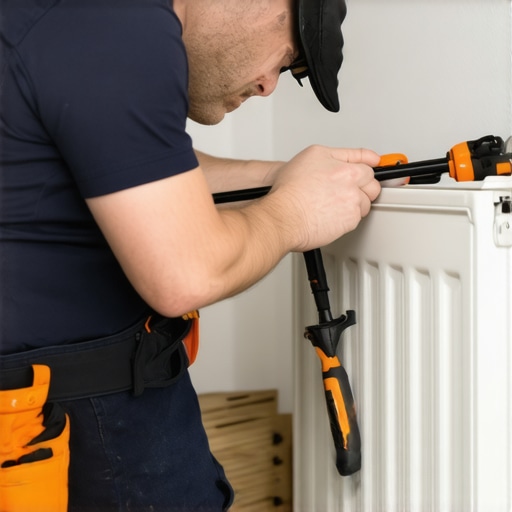
It was a chilly Saturday morning when I noticed that unmistakable smell of coolant permeating my garage. My heart sank. There, dripping steadily from my radiator, was a small but persistent leak. Frustration washed over me—another costly repair on the horizon, or so I thought. But then I had a lightbulb moment. Could I actually fix this myself without rushing to buy a replacement? I learned that many radiator leaks can be patched up without breaking the bank or resorting to a new unit.
Why Radiator Leaks Are More Manageable Than You Think
Radiator leaks can seem like a disaster, especially when you hear the word “replace.” But the truth is, a lot of these leaks are manageable with some DIY TLC, saving you hundreds of dollars. When you understand the common causes—like corrosion, loose clamps, or minor cracks—you realize that not every leak demands a costly overhaul. Plus, tackling this problem yourself brings a sense of accomplishment and can extend the life of your radiator significantly.
Is Fixing a Leaking Radiator Actually Worth the Hype?
I used to believe that replacing the radiator was the only solution, especially after my early missteps like ignoring small leaks or rushing into buying a new one without exploring repair options. I learned that error the hard way—costing me more time and money. Fortunately, with some guidance, I discovered simple fixes that could be done at home. For instance, sealing small cracks or replacing faulty hoses turned out to be surprisingly effective. If you’re curious whether a quick patch can really hold up, I’ve tested these methods myself, and they work more often than you’d expect. And if you’re wondering how to keep your car running smoothly, checking out regular tune-ups can prevent more expensive repairs down the road.
Assess the Damage and Prepare Your Tools
Start by inspecting your radiator to pinpoint the leak’s location. In my case, I noticed a small drip near the top. Gather essential tools like a radiator sealant, screwdrivers, pliers, and safety gloves. Wearing gloves protects your hands from hot coolant and sharp edges. Think of this step as preparing your toolbox before a home renovation—missing a tool can derail the entire project.
Drain the Coolant Safely
Locate the radiator drain plug at the bottom. Place a container underneath to catch draining coolant. Open the valve slowly, allowing coolant to flow out. During my first attempt, I underestimated the amount of coolant, and it spilled over the engine bay—lesson learned. Draining ensures a clean surface for repairs and prevents mixing old coolant with sealants.
Clean and Sand the Area
Once drained, clean the area around the leak with a wire brush or sandpaper. Removing rust and debris creates a rough surface, helping the sealant bond better. Imagine patching a cracked wall—cleaning the area ensures the patch sticks firmly. In my experience, neglecting this step led to minor leaks reappearing shortly after.
Apply Sealant or Epoxy
Select a radiator-specific epoxy or sealant. Follow the manufacturer’s instructions carefully—usually mixing components thoroughly. Apply the mixture directly onto the crack or hole, ensuring complete coverage. I used a putty knife to press the sealant into the crack, which is akin to sealing a leaky pipe with plumber’s putty—precision matters. Allow it to cure as recommended, typically 24 hours, before refilling coolant.
Special Tips: Fix Small Cracks with Epoxy
For fine leaks, a high-quality epoxy can act as a permanent patch. Ensure the surface is dry and free of grease. When I fixed my radiator crack, I preheated the area slightly for better adhesion. This repair method can extend your radiator’s lifespan significantly, delaying costly replacements.
Refill Coolant and Test
Once the sealant has cured, close the drain plug tightly. Refill the radiator with a proper mixture of coolant and distilled water. Start your engine and allow it to reach operating temperature. Watch for leaks or drops in coolant level. During my test run, I noticed residual pressure causing a minor leakage, which I addressed by tightening the hose clamps. Regularly checking your system ensures reliability and safety.
Monitor and Maintain
After a successful fix, keep an eye on the coolant level over the next few days. A stable level indicates a solid repair. Remember, even temporary fixes may need reinforcement or professional assessment if leaks persist. Routine inspections and using quality coolant can prevent future issues and prolong your radiator’s service life—for more tips on maintaining your vehicle, visit regular tune-ups.
When it comes to auto repair and car maintenance, there’s a wealth of misconceptions that can lead drivers astray, often costing them time and money. One widespread false belief is that all transmission issues require an overhaul. In reality, many transmission problems stem from simple causes, like valve body malfunctions or fluid leaks, which can be fixed with targeted repairs rather than costly replacements. Rushing into a full overhaul without proper diagnosis is a common mistake that worsens the problem and inflates expenses. Accurate diagnosis, often aided by professional auto shops, can save you a fortune.
Many car owners also underestimate the importance of regular tune-ups, believing them to be optional or only necessary when problems arise. This misconception can lead to overlooked efficiency drops, increased fuel consumption, and unforeseen breakdowns. Regular tune-ups, like checking spark plugs and inspecting filters, are vital to maintaining optimal engine performance. For an in-depth look at how these routine services can extend your vehicle’s lifespan, visit this guide.
A particularly tricky area is the misunderstanding around transmission fluid maintenance. Some think that checking fluid levels is sufficient, but the real nuance lies in the quality and contamination levels. Old or degraded fluid can cause shifting issues and damage internal components. Experts recommend changing transmission fluid according to manufacturer specifications and inspecting it regularly to prevent costly repairs later. For detailed insights, check out this article.
Despite the abundance of DIY tutorials online, one advanced mistake many make is attempting complex repairs like timing belt replacements without proper tools or knowledge. This can lead to misalignments, engine damage, or safety hazards. It’s tempting to save money, but trusting professionals ensures safety and precision. Recognize your limits—sometimes, the investment in expert help pays off.
A common trap is ignoring subtle signs of car trouble, assuming they are minor or temporary. Physical symptoms like unusual noises, vibrations, or warning lights often indicate underlying issues that could escalate if overlooked. For instance, a slipping clutch or delayed shifting might seem minor but could signify deeper transmission problems requiring immediate professional attention. Learn to interpret these signals early. For example, this resource details critical signs that should prompt you to seek expert repair.
Make no mistake: auto repair is an area rife with myths that can lead to costly errors. Staying informed and cautious helps you make better decisions, saving money and extending your vehicle’s life. Remember, routine maintenance, proper diagnosis, and trusting professionals when needed are keys to a hassle-free driving experience. Have you ever fallen into this trap? Let me know in the comments.
Keeping It Moving: Tools I Recommend for Auto Maintenance
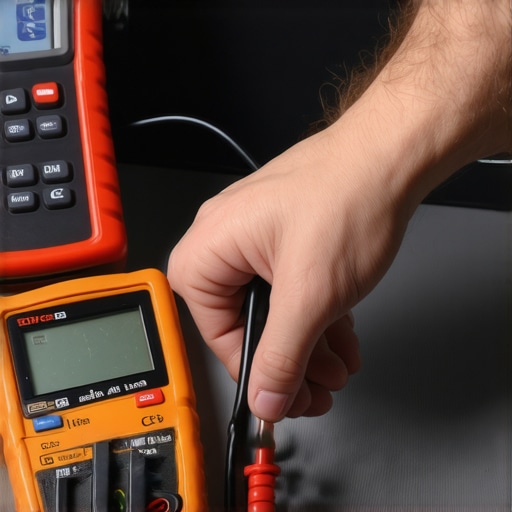
Maintaining a vehicle over the years requires reliable tools that deliver precision and durability. One of my go-to items is a high-quality digital multimeter, which allows me to diagnose electrical issues accurately, such as checking battery voltage or testing sensors. I personally prefer a Fluke multimeter because of its accuracy and sturdy build, ensuring long-term reliability. Additionally, when dealing with fluid systems like transmissions or coolant lines, a professional-grade fluid extractor tool simplifies the process, reducing mess and ensuring a complete fluid change without the need for multiple containers. These tools save me time and prevent common mistakes, like overfilling or underfilling fluids.
For more intricate diagnostics, I rely on an OBD-II scanner, specifically a Bluetooth-enabled device paired with diagnostic software on my smartphone. This combination allows me to read error codes, monitor live data, and clear faults with ease. I find it invaluable for ongoing maintenance and catching issues before they escalate. Regular software updates keep the scanner aligned with the latest vehicle models, which is crucial as automakers roll out new systems.
Predicting the Future of Auto Maintenance Tools
Looking ahead, I believe the integration of AI diagnostics and augmented reality (AR) will revolutionize car repair. Imagine wearing AR glasses that overlay real-time diagnostics onto your engine bay, guiding you step-by-step through repairs. Such tech will likely become more affordable and accessible within the next decade, empowering enthusiasts and DIYers alike to perform advanced repairs with confidence.
How do I keep my tools and methods effective over time?
Routine calibration and maintenance of your tools are essential. For example, regularly testing your multimeter against a known voltage source ensures continued accuracy. Keeping your diagnostic software updated and cleaning your tools after every use prolongs their lifespan. Additionally, investing in quality, modular tools allows for scalability as your skills grow. Remember, staying organized with a dedicated toolbox prevents misplacing essential items, which can delay repairs and lead to errors. By maintaining this discipline, you’ll ensure your tools remain effective, saving both time and money in the long run.
If you’re serious about long-term maintenance, I recommend periodically reviewing your toolkit and upgrading where necessary. Also, don’t forget to check out regular tune-ups for comprehensive maintenance tips. Stay ahead of issues by integrating advanced diagnostics, and you’ll keep your vehicle running smoothly for years to come.
Three Lessons Only Experienced Car Enthusiasts Know
One of the biggest surprises I encountered was realizing how often small radiator leaks can be fixed with just the right sealant—saving me hundreds and extending my radiator’s lifespan. This taught me that not everything labeled as a major repair truly is—sometimes, a little DIY effort is all that’s needed. My second insight was how crucial proper inspection is before replacing parts; understanding the root cause prevents wasted time and money. Lastly, I learned that patience during the curing process ensures the repair holds for the long haul, turning a rushed fix into a real solution rather than a temporary patch.
Tools and Resources That Changed the Way I Maintain My Car
My essential toolkit includes a high-quality digital multimeter, which helps me troubleshoot electrical issues without guesswork; I trust my Fluke multimeter because of its accuracy and durability. An OBD-II scanner is indispensable for reading error codes and monitoring real-time data, making diagnostics faster and more reliable. For fluid management, a professional-grade fluid extractor simplifies changing transmission or coolant fluids, reducing mess and ensuring complete replacement. When I want guidance, I turn to trusted sites like regular tune-up tips, which keep my vehicle running smoothly and prevent costly repairs before they happen.
Your Next Step Toward Better Car Care
Every repair journey starts with awareness—whether it’s sealing a small leak or scheduling regular maintenance. Remember, even simple fixes like using the right sealant or tightening clamps can buy you precious time and money. Don’t wait for a leak to become a crisis; proactive care is always the smarter choice. I encourage you to look beyond the obvious and explore the tools and resources that empower DIY repairs, making your car maintenance safer and more affordable. Are you ready to take your auto care into your own hands and see just how far a little knowledge can take you? Share your experience or ask questions below—I’d love to help you get started on your own repair adventures.