
Have you ever shifted your car into drive, only to feel a jolt or a faint clunk that makes your stomach drop? I used to dread those moments, especially when I had no idea what caused them or how to fix it. One day, after a particularly rough shift that threw me off guard, I realized I wasn’t alone. Many drivers face this unsettling issue—those unexpected transmission noises that seem to come out of nowhere.
Why Transmission Clunks Drive Us Crazy—and What We Can Do About It
For years, I believed that those clunks signaled something severe—perhaps a costly transmission overhaul or a trip to the mechanic that would drain my wallet. But over time, I discovered a surprisingly simple fix that could save you a lot of hassle and money. It turns out, many of these issues aren’t mechanical at all—they’re software-related glitches that can be resolved with a straightforward reset.
Is Your Transmission Clunk Actually Worth the Fuss?
Early on, I made the mistake of rushing to replace parts without understanding the root cause. It’s a common mistake—assuming that every odd noise equals a major repair, especially when you’re eager to get back on the road. But I learned that sometimes, these problems are linked to electronic systems that are easily reset, not worn-out components. Addressing this can extend your vehicle’s lifespan and keep repairs minimal.
If you’re tired of feeling unsure every time your transmission misbehaves, stay with me. I’ll walk you through a simple software reset process that’s worked wonders in my experience—and it might just do the same for you.
Prepare Your Vehicle for the Reset
Before diving into the reset process, ensure your car is parked on a flat surface, with the parking brake engaged. Turn off all electronic accessories and set the gear shift to ‘Park.’ This creates a safe and controlled environment, much like resetting a smartphone when it behaves unexpectedly.
Access the Transmission Control Module
Locate the vehicle’s battery or fuse box, usually under the hood, to disconnect power if necessary. Alternatively, some vehicles allow access to the transmission control module (TCM) via the vehicle’s diagnostic port. Using a compatible OBD-II scanner, connect to the port—think of it as plugging into a computer to administer a quick software refresh.
Perform the Reset via Diagnostic Tool
Step-by-step Reset Procedure
Turn on the scanner and navigate to the ‘Transmission Reset’ or similar menu. Follow the prompts to initiate the reset; this generally involves selecting your vehicle model and confirming the reset command. As I experienced personally, selecting the correct menu is crucial—like choosing the right app for a specific task—and most scanners will clearly guide you through this process. Once completed, the scanner will confirm that the reset was successful.
For Vehicles Without Diagnostic Access
If your car lacks an accessible diagnostic port or the tools to reset electronically, a manual reset can sometimes be performed by disconnecting the battery for about 10 minutes. Weigh this option against professional advice, especially if your vehicle’s manual warns against such procedures. This step is akin to restarting a frozen computer by pulling the plug—it can clear minor software glitches.
Reconnect and Test
After completing the reset, reconnect the battery or scanner, then start your vehicle. Shift through all gears smoothly, paying attention to any strange noises or hesitation—similar to testing a new appliance after setup. If the transmission still shudders or clunks, further inspection may be necessary, but often, this simple reset restores proper shifting behavior.
Additional Tips to Keep Your Transmission Healthy
Regularly scheduled tune-ups and fluid changes help maintain optimal communication between your vehicle’s electronic and mechanical systems. Check out this guide to extend your car’s lifespan and avoid surprises. Also, recognizing early signs of transmission issues, like slow shifts or warning lights, can save you from costly repairs later—refer to these signs for troubleshooting.
If you’re unsure about performing a reset yourself, contacting a professional ensures safety and effectiveness. Visit our contact page for expert assistance. Remember, timely intervention can keep your vehicle running smoothly and avoid the stress of unexpected clunks or shifts.

Many car owners operate under a series of misconceptions that can sabotage their vehicle’s longevity and cost them extra money in the long run. One common myth is that jobber mechanics or quick-lube centers always provide the best service; in reality, they often lack the specialized knowledge required for complex issues like transmission diagnostics, leading to unnecessary replacements or overlooked problems. Additionally, many believe that a simple tune-up can fix all engine performance issues, but neglecting precise diagnostics and understanding the nuances of engine sensors or fluid interactions often results in incomplete repairs. It’s crucial to recognize that not all auto repairs are created equal, and sometimes, what appears as a straightforward fix is actually a symptom of a deeper, more complex issue.
Another sneaky trap lies in the misconception that newer vehicles require less maintenance. This can be misleading because modern cars rely heavily on electronic systems; neglecting regular electronic system checks or failing to update software can cause performance drops that mimic mechanical failures. Moreover, fallacies about transmission repairs, such as believing that all transmission failures demand a full overhaul, overlook the fact that many issues can be addressed with targeted fluid refreshes or sensor replacements, saving substantial costs. These nuances are often missed by less experienced technicians, emphasizing the importance of consulting trusted experts like CollisionFixer for accurate diagnostics and tailored solutions.
Why do some auto repair myths persist despite evidence to the contrary?
The persistence of these myths can be attributed to anecdotal stories, outdated information, and the placebo effect—drivers feel confident in certain solutions because they’ve heard them before or seen them work in rare cases. A classic example is the belief that adding a bottle of fuel additive will magically fix all engine misfires; while some additives can help, they’re no substitute for understanding underlying sensor issues or mechanical wear. Experts like transmission overhaul specialists emphasize that a nuanced approach often reveals root causes that DIY fixes or myths ignore. Recognizing these misconceptions allows drivers to make informed decisions, ultimately preserving vehicle health and avoiding costly repairs down the line.
Have you ever fallen into this trap? Let me know in the comments below. Remember, staying educated and skeptical of broad claims can save you money and frustration. For comprehensive advice on avoiding common pitfalls and ensuring your vehicle remains in top shape, explore more at this guide.

Keeping Your Car Running Smoothly: Essential Tools and Techniques
Maintaining your vehicle over the years isn’t just about routine oil changes; it involves a strategic approach using the right equipment and software to ensure long-term reliability. As someone deeply involved in auto repair, I rely on specific tools that deliver precise diagnostics and effective maintenance. Among these, an high-quality OBD-II scanner like the Autel MaxiCOM stands out. I personally prefer this model because it offers extensive coverage, user-friendly interface, and the ability to reset transmission control modules—a critical step in addressing shifting issues without costly repairs.
Furthermore, for transmission-specific diagnostics, I use the Autel Maxidas DS808. Its capabilities to read and clear transmission fault codes have saved me hours and prevented unnecessary part replacements. These tools allow me to quickly identify issues such as fluid leaks or sensor malfunctions, enabling targeted repairs. Investing in reliable diagnostic equipment is essential, considering that modern vehicles depend heavily on electronic systems for efficient operation.
Predictions for Future Maintenance Trends
Going forward, I anticipate a surge in integrated vehicle health management systems. These will provide real-time diagnostics and predictive maintenance alerts, reducing roadside breakdowns and expensive repairs. The rise of over-the-air software updates will further streamline this process, making maintenance more proactive than reactive. As technology evolves, staying ahead with advanced tools like remote diagnostic apps and AI-driven analysis will become standard practice for auto enthusiasts and professionals alike.
How do I keep my car in top shape over time?
Consistency is key. Regularly scheduled tune-ups, including fluid exchanges and sensor tests, help prevent minor issues from becoming major headaches. For example, adhering to the recommendations for tune-up intervals ensures your vehicle stays responsive and fuel-efficient. Additionally, using precision tools for tasks like brake adjustments or fluid fills guarantees longevity and performance. Remember, neglecting small maintenance tasks can lead to costly repairs down the road—so keep a routine, and don’t hesitate to consult trusted sources or auto repair experts when needed.
To enhance your maintenance routine, I suggest trying the technique of checking your transmission fluid with a digital dipstick like the Infiniti Premium Digital Oil Finder. This device provides instant readings and confirms whether your fluid levels are optimal, preventing issues like slipping or shuddering. Incorporate such tools into your regular maintenance schedule to catch potential problems early.
While DIY solutions are valuable, complex issues should be addressed by professionals. If you notice persistent shifting troubles or unusual noises, don’t delay in reaching out through the contact page. Investing in proper diagnostics now can save hundreds or even thousands in repairs later, reaffirming that the right tools combined with timely maintenance create a pathway to your vehicle’s long-term health.
Remember, embracing these advanced techniques and tools not only enhances safety but also extends your car’s lifespan. Try integrating a professional-grade scanner into your routine, and experience the benefits firsthand. As technology continues to evolve, staying informed and equipped is your best strategy to keep your vehicle working flawlessly for years to come.
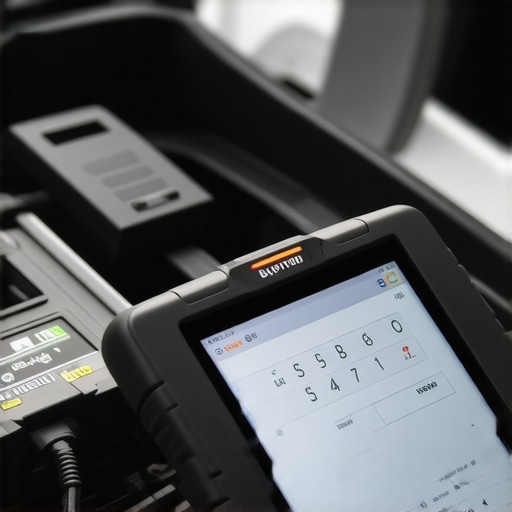
Image prompt: Close-up of an automotive diagnostic scanner connected to a car’s OBD-II port, displaying live data on a tablet screen, emphasizing advanced tools for vehicle maintenance.
What I Wish I Knew About Auto Repair Before It Was Too Late
- Never underestimate the power of proper diagnostics—many transmission issues are rooted in software glitches, not mechanical failure, and can be fixed with a simple reset. Recognizing this early saved me from costly overhauls.
- Investing in quality diagnostic tools like the Autel MaxiCOM transformed my approach. Reliable scanning equipment isn’t just for pros; it’s becoming essential for any car owner serious about maintenance.
- Understanding that myths about transmission repairs persist because of outdated advice made me skeptical of instant fixes. Taking the time to learn the real causes of shifting problems leads to smarter, more cost-effective solutions.
- Regular maintenance, including software resets and fluid checks, can extend the life of your transmission far more than reactive repairs. Staying proactive is the key to a smooth drive.
My Secret Weapons for Keeping Cars in Peak Condition
- The Autel Maxidas DS808 is my trusted companion for accurate diagnostics, catching issues before they become serious and saving countless headaches along the way.
- High-quality tools like a digital oil finder and professional-grade scanners empower me to perform precise maintenance, which I believe should be standard for all vehicle owners invested in longevity.
- Staying informed through resources like the detailed guides on CollisionFixer helps me adapt to evolving technology and avoid common pitfalls in auto repair.
- Building a toolkit with reliable equipment is an investment that pays off—saving money and ensuring safety on every trip I take.
Keep Your Momentum: Embrace Knowledge and Action
Keeping your vehicle running smoothly isn’t just about the parts—it’s about understanding *how* they work and staying one step ahead. With the right tools and insights, you can demystify complex issues like transmission shudders and empty myths that lead to unnecessary repairs. Remember, every early detection and maintenance step contributes to a safer, more reliable ride. Your journey towards a well-maintained vehicle begins with informed choices—so go ahead, take control today, and enjoy the confidence that comes with knowing you’re doing your best to preserve your auto investment.
What’s the biggest transmission myth you’ve believed before learning the truth? Share your story below—I’d love to hear about your experiences!
For more trusted advice on auto repairs, don’t forget to check out our comprehensive guide on maximizing your car’s lifespan.