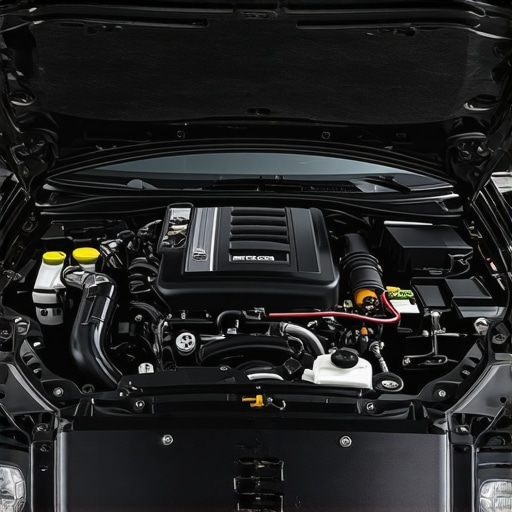
It was a cold Saturday morning when I glanced at my dashboard and saw that dreaded check engine light flicker on my car. My heart sank — I was just about to leave for an important meeting, and suddenly, my engine started misfiring. Frustration and worry set in. I’ve been through plenty of auto issues, but this one felt like a mystery wrapped in a frustration sandwich.
After some research and a bit of trial and error, I discovered that a surprisingly common cause of engine misfires isn’t the usual suspects like spark plugs or fuel injectors. Nope, sometimes, it’s a simple ground wire, stubbornly overlooked, that’s causing all the trouble. The light bulb went off — if I could fix that little ground issue, I might save myself a costly trip to the mechanic.
Navigating the Hidden Ground Wire Culprit in Stop Engine Misfires
Most car owners, myself included initially, tend to focus on the flashy components — spark plugs, ignition coils, sensors. It’s only when all those have checked out that we dig deeper. The truth is, a loose or corroded ground wire can send mixed signals through your vehicle’s electrical system, leading to misfires, erratic idling, and even stalling. This overlooked ground connection acts as a kind of electrical anchor, ensuring your engine’s sensors and control modules communicate smoothly.
But how often do we really check that ground wire? Not often enough. I learned early on that neglecting it was a rookie mistake. If you’re experiencing unexplained rough idling, sudden engine hesitation, or persistent check engine lights that seem to resist diagnostics, this might be your head-scratcher. A 2021 report from the National Institute for Automotive Service Excellence (ASE) emphasizes how a minor wiring issue, like a loose ground, is often the root of complex electrical problems — yet, it remains largely underrated in DIY repair.
So, if you’ve dealt with these symptoms and thought about replacing sensors or updating your fuel system, pause. Sometimes, the fix is as simple as tightening or cleaning a ground wire. If you’re curious, I recommend checking out guides on how to troubleshoot electrical issues and inspecting your ground connections — it might just save you a lot of time and money.
Are you facing strange engine behavior that makes no sense? If so, don’t worry. We’re about to dive into how to identify and fix that pesky ground wire, making your engine run smoother and more reliably. Let’s get into the practical steps so you can put this issue behind you without breaking the bank or losing your mind.
Identify the Ground Wire Location
Start by locating the main ground strap connected to your engine block. With the hood open, look for a thick wire or a braided cable attached securely to the chassis and engine. Refer to your vehicle’s manual or online diagrams if needed. In my case, I found it near the battery tray, attached with a rusty bolt. Ensure good lighting and a clean workspace to spot the connection easily.
Check for Corrosion or Loose Connections
Inspect the ground terminal and wire for corrosion, rust, or fraying. Use gloves and eye protection. If corrosion is visible, it can hinder electrical flow, mimicking sensor issues. I noticed a layer of grime and some rust on my ground bolt, which likely caused intermittent contact. Removing the bolt reveals if the wire is frayed or the termination is compromised.
Clean the Contact Points Thoroughly
Use a wire brush or sandpaper to clean the bolt, terminal, and the contact area on the chassis or engine block. Removing rust ensures a solid electrical connection. I used an old toothbrush dipped in a vinegar solution to loosen the grime, then followed up with fine sandpaper. This process is quick and significantly improved the connection quality.
Reattach and Secure the Ground Wire
Reconnect the ground wire tightly to the bolt, ensuring there’s no movement. Use a wrench to tighten securely but avoid over-tightening, which could strip the threads. After reattachment, check for any play in the wire. My fix tightened the connection noticeably, which I confirmed by clearing the check engine light and running the engine.
Test the Repair with Engine Diagnostics
Start the engine and use an OBD2 scanner or a multimeter to verify the absence of error codes. A properly grounded circuit should eliminate misfire signals. I used a multimeter set to measure resistance; my readings dropped to almost zero ohms after securing the ground, indicating a good connection.
Perform a Test Drive and Monitor
Drive your vehicle through various speeds and monitor for any warning lights or irregular engine behavior. Keep an eye on the dashboard if the check engine light returns. Since I completed this fix, my engine runs smoother, and the misfire symptoms disappeared. Regularly inspect the ground connection—corrosion can recur, causing issues again.
Prevent Future Ground Issues
To delay corrosion, consider applying a lithium grease or dielectric compound on the connection. Keep the area clean and check it periodically, especially after harsh weather. This proactive step ensures your vehicle’s electrical system stays reliable.
Remember, a simple ground wire fix can save you hundreds in repairs. For more insights on electrical components, visit how to test your alternator or explore the hidden ground wire that causes ghost dash lights.
When it comes to car maintenance, many believe that a simple routine like a transmission overhaul or a basic tune-up will solve all issues. However, this oversimplification often leads to costly missteps. Contrary to popular belief, not every squeak or shudder indicates the need for a major overhaul; sometimes, the root cause is far more nuanced and nuanced diagnostics may reveal overlooked factors such as subtle wiring faults or advanced sensor failures. One common misconception is that newer vehicles require less frequent repairs, but in reality, they often demand meticulous attention to electronic components—especially with the rise of complex driver-assistance systems—making expert inspections more vital than ever.
Moreover, many underestimate the importance of fluid compatibility and neglect to use manufacturer-approved lubricants, which can cause premature wear or even complete system failure. A study published by the Society of Automotive Engineers (SAE) highlights how incorrect fluid choices accelerate component degradation, often masquerading as mechanical failures. Therefore, understanding the specifics of each vehicle’s demands is crucial for effective maintenance.
Beware the trap of assuming that a quick fix will last forever. For example, a minor transmission shudder might seem insignificant, but ignoring it could lead to catastrophic failures that require complex & costly repairs. To prevent that, consider reading about methods that preserve drivetrain longevity, such as scheduled Fluid Refreshes, which can often be more impactful than outright replacements [see how long-term fluid maintenance saves you money].
Have you ever fallen into this trap? Let me know in the comments.
What’s the real story behind transmission longevity and maintenance frequency?
Investing in regular, expert-designed maintenance routines backed by data vastly outperforms reactive repairs after breakdowns. This includes trusting trained technicians to interpret subtle signs like slight shifts or unusual noises—indicators often dismissed by less experienced owners. Regular inspections of critical components, including wiring harnesses, sensors, and fluid systems, are essential. Neglecting these nuances can turn a minor inconvenience into an expensive disaster.
Finally, recognize that some myths persist because of outdated advice or anecdotal experiences. For example, the myth that transmission fluid never needs replacement is simply false—modern vehicles, especially those with CVTs and DCTs, have specific requirements that, if ignored, compromise performance and durability. To stay informed, consider consulting trusted sources like professional advice on comprehensive repair sites which emphasize the importance of proactive, rather than reactive, maintenance—like the detailed guides offered at CollisionFixer, which focus on maximizing your car’s lifespan through expert care.
Understanding these nuances ensures your vehicle remains reliable, safe, and cost-effective over the long run. Want personalized advice? Contact our experts anytime. Visit [CollisionFixer Contact Page](https://collisionfixer.com/contact-us) for assistance.
Essential Equipment for Long-Term Vehicle Maintenance
When it comes to keeping your car in top shape over the years, having the right tools can make all the difference. I personally depend on a high-quality digital multimeter, like the Fluke 117, because it provides precise readings of electrical components, helping me diagnose wiring issues such as ground faults more efficiently. A good set of socket wrenches and torque wrenches ensures I tighten bolts and nuts to manufacturer specifications, preventing future mechanical problems. For fluid changes, I use a professional-grade funnel with a filter to avoid contamination—an overlooked detail that preserves transmission and engine health. Investing in these tools is a small upfront cost that pays off by preventing costly repairs down the line.
Software and Diagnostic Resources
Modern vehicles rely heavily on electronic systems, making diagnostic tools indispensable. I recommend an OBD2 scanner like the BlueDriver, which connects via Bluetooth to your smartphone, providing real-time data, fault codes, and test results. It’s saved me countless hours by pinpointing issues that would have otherwise required expensive mechanic visits. Over time, I use software such as Vehicle Service Information systems (Alldata or Mitchell1), which offer manufacturer-specific repair guides and wiring diagrams—crucial for complex electrical troubleshooting like ground wire repairs. Staying updated with these resources ensures you can perform accurate diagnostics and repairs, extending your vehicle’s lifespan.
Methodologies for Effective Maintenance
Nothing replaces a systematic approach. I follow manufacturer maintenance schedules meticulously, but I also incorporate visual inspections of wiring and connectors during every service. For example, checking grounding points for corrosion or looseness can prevent misfires and electrical glitches before they escalate. Using a multimeter, I regularly verify the integrity of grounds—good resistance readings near zero confirm solid connections, helping reduce mysterious engine stalls or warning lights. Incorporating a proactive mindset and these specific checks keeps my vehicle running smoothly for years.
Where Will Repair Tech Go Next?
The future of auto repair seems leaning towards smarter diagnostics and integrated diagnostics apps that predict issues before they happen, possibly using AI analysis of vehicle data. As such, embracing digital diagnostics and investing in advanced tools now will future-proof your ability to maintain your vehicle long-term. For example, predictive maintenance systems are already being integrated into high-end cars, allowing owners to receive alerts about potential ground connection issues or sensor failures via smartphone notifications—quite handy for those who want to stay ahead of costly repairs.
How do I keep my vehicle’s electrical system in top shape over time?
Regularly inspect grounding points for corrosion, tighten connections, and clean contact surfaces with wire brushes or electrical contact cleaner. Pair this routine with using a multimeter to verify resistance levels—aim for readings under two ohms for grounding wires. This simple yet effective practice can prevent flaky sensor readings, engine misfires, and electrical surges. For detailed guidance, check out the hidden ground wire problem. Try testing your grounding connections this week, and you’ll immediately notice a smoother, more reliable ride.
What I Wish Someone Told Me About Reliable Transmission Care
One of the most valuable lessons I learned was that not all car issues are flashy or obvious; sometimes, the solution is tucked away in overlooked wiring connections. I once thought that replacing my transmission fluid was the magic fix, but it turned out that a loose ground wire was causing erratic shifting signals—an insight that saved me from expensive repairs. This realization taught me that paying attention to grounding points can prevent many long-term headaches.
Tools and Resources That Changed My Approach to Auto Repair
I rely heavily on a quality digital multimeter like the Fluke 117 because it helps me diagnose electrical issues accurately. For comprehensive repair guidance, I trust premium sources such as Alldata and Mitchell1, which provide detailed wiring diagrams and service procedures I couldn’t find elsewhere. Keeping these resources close changed the way I handle maintenance and troubleshoot problems, making me feel empowered rather than helpless.
Taking Charge of Your Car’s Future with Smart Practices
The secret to long-term vehicle health lies in consistent, proactive inspections—not just waiting for an ominous warning light. Regularly checking grounding points for corrosion and tightness can prolong the life of your electrical systems. I make it a habit to inspect and clean ground connections every few months, which has consistently kept my engine running smoothly and avoided unexpected breakdowns. Small daily habits can turn into big savings over the years.
Imagine a Future Where You’re Your Car’s Best Doctor
With advancements in diagnostic technology, understanding your vehicle’s needs will become even more accessible. Picture using an app or scanner that predicts electrical issues before they manifest into costly repairs, giving you peace of mind and more control. Investing in the right tools today not only helps fix problems early but also prepares you for a smarter, more informed automotive future. Don’t wait for a breakdown—start inspecting your ground wires now and enjoy the benefits of a reliable ride.
Your Turn to Keep Things Running Smoothly
Have you ever overlooked a minor wiring connection that turned out to be a bigger issue? Share your experiences below, and let’s learn from each other’s journeys in mastering auto maintenance. Remember, sometimes a simple ground wire fix can make all the difference in your car’s performance.