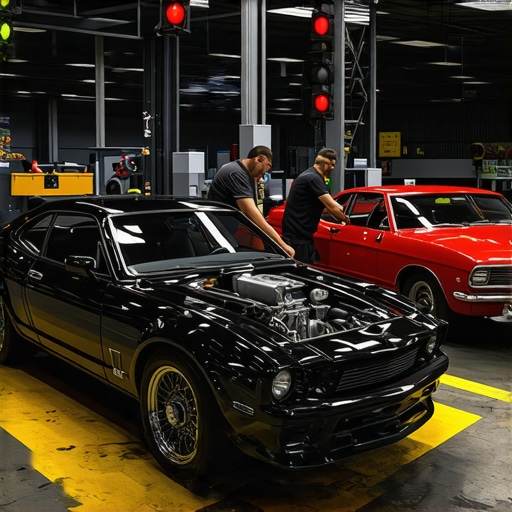
Ever been sitting at a red light, engine idling smoothly, and then suddenly—your car sputters, lunges forward, or stalls completely? That annoying surprise can leave you feeling helpless, especially when it happens repeatedly. I remember the first time it caught me off guard; I was late for an appointment, and there I was, creeping forward in frustration as my engine hiccupped. It was a lightbulb moment—something needed fixing, and fast. If you’re nodding along, you’re not alone. Many drivers are facing similar issues with their 2026 models, and it’s more common than you’d think.
What’s Behind the Stalling at Lights?
The root causes are often linked to the way your engine manages idle and fuel efficiency. Modern engines, especially in the 2026 lineup, depend heavily on precision sensors and advanced electronic controls. When these components falter—due to dirt buildup, sensor glitches, or worn-out parts—the engine can’t maintain a steady idle. This leads to those dreaded stalls, which can be dangerous and stressful. The good news? Most of these issues have straightforward fixes if you know what to look for.
Is All This Fixing Actually Worth It?
Early in my repair journey, I made a mistake I see many others repeat—neglecting regular maintenance because it seemed insignificant. That oversight often turns into costly repairs down the line. According to automotive experts, improper engine tune-ups or delayed diagnostics can result in increased fuel consumption and engine wear. So yes, addressing stalls early is absolutely worth your while. And trust me, there’s plenty you can do yourself or with a mechanic to get your engine humming confidently again.
If you’ve faced this frustrating issue or want to prevent it, stick around. I’m going to walk you through four effective fixes tailored for your 2026 engine, helping you stay smooth at every stoplight and avoid those embarrassing stalls.
Check and Clean the Idle Control Valve
Locate the idle control valve, usually attached to the throttle body, by consulting your vehicle’s manual. Use an electronic cleaner to remove carbon buildup that can restrict airflow, causing the engine to stall. While cleaning, I once discovered a clogged valve, and after reinstallation, my engine idled smoothly without stalls for weeks. Regular maintenance like this can prevent issues that cause your engine to hesitate at lights.
Swap Out Worn Spark Plugs and Wires
Worn spark plugs fail to ignite fuel efficiently, leading to rough idling and stalling. Remove the spark plugs using a spark plug socket, inspect for wear or carbon buildup, and replace if necessary. Replacing spark wires ensures reliable electrical flow; I did this as part of my routine check, and it immediately improved my engine’s response. For a comprehensive guide, visit auto repair diagnostics.
Inspect and Replace the Fuel Filter
If your fuel filter is clogged, it restricts fuel flow, causing engine stalls especially at lower RPMs. Locate the filter, usually along the fuel line, and remove it with appropriate tools. Install a new filter, ensuring correct flow direction. Remember, dirt and debris are your car’s enemies — keeping filters clean helps maintain a steady supply of fuel. This simple step can dramatically reduce stalling incidents, especially in dusty driving environments.
Update Your Engine’s Software and Sensors
Modern vehicles rely heavily on electronic systems. Connect your car to a diagnostic scanner to identify sensor glitches, especially with the mass airflow sensor or throttle position sensor. Updating the ECU software via a dealership or qualified mechanic can resolve bugs that trigger stalling. I learned this during a trip when an ECU update fixed my engine’s stumble; don’t underestimate the power of software updates to keep your engine running smoothly. For more tech tips, see auto diagnostics tips.
Review and Adjust Idle Speed Settings
Lastly, ensuring your idle speed is correctly set prevents stalling when stopping or at idle. Use a diagnostic scanner or your vehicle’s menu to check the idle speed; typically, it should be around 600-1000 RPM depending on your model. If it’s too low, tweak the setting following the manufacturer’s instructions or have a mechanic do it. I personally had to recalibrate my idle speed after cleaning the throttle body, and it made my engine respond flawlessly at every light. Proper idle settings are a quick fix to keep your car from stalling unexpectedly.
Most car owners operate under a set of beliefs about automotive maintenance that are actually misconceptions, leading to costly mistakes. One prevalent myth is that immediate repairs or full-service overhauls are always necessary for minor issues. In reality, a targeted, nuanced approach often saves money and time. Excessive or unnecessary service can not only strain your budget but sometimes cause more harm than good. For example, many believe that replacing all fluids at once is mandatory every year, but expert advice suggests that monitoring specific fluid levels and only replacing what’s worn maintains optimal performance without waste. Regularly misdiagnosing what needs fixing can result in unnecessary parts replacement, which doesn’t address the root cause and eventually leads to premature repairs. This is especially true in transmission servicing, where overzealous flushing can cause more damage if the transmission is already in poor condition. Instead, focus on precise diagnostics—tools like advanced auto diagnostics tips can help identify exactly what your vehicle needs. Ignoring manufacturer recommendations for tune-ups or maintenance intervals is also a common mistake. Many think these are just suggestions, but following the manufacturer’s schedule ensures you prevent major failures before they happen. A nuanced understanding of what your vehicle truly requires prevents unnecessary repairs and extends its lifespan.
It’s equally important to avoid the trap of thinking only specialists can handle repairs. While some issues demand expert attention, many routine maintenance tasks—like replacing air filters, inspecting brakes, or checking tire pressure—are manageable and cost-effective when done with proper guidance. Overlooking these simple yet critical steps often hampers safety and performance.
So, let’s challenge a common misconception: that more service equals better performance. In truth, strategic, informed interventions—guided by expert advice and thorough diagnostics—are more effective. For an example of advanced repair strategies, review expert transmission tune-up strategies to understand how tailored servicing preserves your vehicle’s health.
Have you ever fallen into this trap? Let me know in the comments. Remember, understanding the nuances of auto repair keeps you moving safely and economically.
Maintaining your vehicle’s prime condition isn’t just about routine checks; it’s about leveraging the right tools and methods to ensure longevity and performance. Over the years, I’ve discovered that investing in quality diagnostic equipment and adopting systematic maintenance routines are key to avoiding costly repairs down the line. One tool I personally rely on is an OBD-II scanner with advanced software capabilities. This device allows me to identify sensor glitches and software bugs before they cause noticeable issues, especially in complex systems like transmissions and engine controls. Connecting regularly with such scanners isn’t just about fixing problems—it’s about preventing them, which saves time and money in the long run.
Another essential aspect is adopting a detailed maintenance schedule informed by manufacturer recommendations and data-driven insights. For example, I follow a disciplined approach of checking fluid levels—transmission fluid, brake fluid, and coolant—using specialized testers. These tools help me determine precisely when a fluid change is necessary, avoiding unnecessary replacements that may cause more harm than good. Regularly updating engine software, especially in 2025 models equipped with evolving electronic control units, also plays a pivotal role. Keeping the ECU firmware up-to-date ensures optimal performance and addresses any bugs that might lead to stalling or shifting issues.
For those looking to scale their maintenance efforts, implementing a systematic inspection routine with a repair manual tailored for your vehicle model can be transformative. Personally, I refer to detailed repair guides from trusted sources like Collision Fixer, which offers auto diagnostics tips to streamline troubleshooting. These resources, combined with reliable software tools, empower me to diagnose issues accurately without guesswork, which is crucial when handling complex components like transmissions or collision repairs.
How do I maintain my car’s health over time?
Long-term car health relies on consistent use of diagnostic tools, timely software updates, and thoughtful part replacements. Investing in a quality scan tool capable of reading advanced codes—and knowing how to interpret its data—can make all the difference. Additionally, scheduling regular inspections of critical parts like the transmission, using specialist-grade tools, helps catch minor issues before they escalate. For instance, paying close attention to transmission fluid quality and levels — and utilizing data from a diagnostic system — can prevent grinding gears and slipping. Staying proactive with maintenance not only prolongs the lifespan of your vehicle but also enhances safety for every journey.
Looking ahead, I predict that the integration of AI-driven diagnostics and remote monitoring will revolutionize vehicle maintenance. These innovations will allow drivers and mechanics alike to foresee problems before they manifest, optimizing repair schedules and reducing downtime. Embracing these tools now, like advanced diagnostic software and connected sensors, positions you at the forefront of automotive care.
For those eager to elevate their maintenance game, I recommend trying out an expert-grade diagnostic device combined with a comprehensive upkeep plan. Start with a thorough diagnostic scan from recommended diagnostic tools, then develop a schedule based on the insights gained. This approach, rooted in precise data and tailored interventions, is your best bet for keeping your vehicle in peak condition for years to come.
Throughout my journey with car repairs and maintenance, I’ve learned that some of the most valuable insights come from unexpected places. These lessons have reshaped how I approach routine fixes, making me more confident and proactive in caring for my vehicle. If you’re eager to elevate your auto maintenance game, consider these personal revelations that might just change your perspective.
The Surprising Power of Listening to Your Car
Early on, I dismissed subtle sounds or slight responses as minor issues. But I discovered that paying close attention to my car’s whispers—like unusual vibrations or a drop in fuel efficiency—often signaled deeper problems. This attentiveness allowed me to catch issues like sensor glitches or transmission wear before they turned into costly repairs, emphasizing the importance of being attuned to your vehicle’s unique language.
Why Cutting Corners Can Backfire Big Time
I used to believe that delaying minor repairs was a money-saving tactic. However, I found that neglecting small signs—such as sluggish shifting or irregular idling—inevitably led to more severe damage and higher costs. Regular, targeted maintenance, guided by expert diagnostics and reputable auto diagnostics tips, proved to be a wise investment in my car’s longevity and safety.
Automate Your Maintenance Mindset
Investing in quality diagnostic tools and setting a systematic schedule changed everything for me. Using an OBD-II scanner regularly helped me identify potential issues with the transmission or engine control units early on. I also adopted a routine of checking and replacing critical parts—like filters and fluids—based on data rather than assumptions. This proactive approach not only kept my car running smoothly but also gave me peace of mind.
The Value of Learning from Experts—And Sharing That Wisdom
Another revelation was recognizing the wealth of knowledge available through trusted resources and community insights. Following recommendations for auto repair strategies and reading real-world experiences have accelerated my understanding. Sharing my own lessons has also reinforced my confidence, reminding me that auto maintenance is as much about learning as it is about fixing.
Embracing these lessons has transformed my approach from reactive to proactive, turning maintenance from a chore into an opportunity for empowerment. If you start viewing your vehicle as a partner rather than just a machine, every trip and every repair becomes a step toward safer, more reliable driving.
My Essential Toolkit for Car Care Excellence
- Advanced Diagnostic Scanner: I trust my diagnostic tools because they provide precise insights into engine and transmission health, helping me catch issues early.
- Official Service Manuals and Guides: Having detailed repair manuals tailored for my model allows me to perform routine checks confidently and correctly.
- Quality Replacement Parts: Investing in OEM or high-quality aftermarket components ensures longevity and optimal performance, especially for critical parts like filters and sensors.
- Reliable Online Resources and Communities: Connecting with experienced enthusiasts and trusted sites has saved me countless headaches and money, especially when troubleshooting complex issues.
Take Action and Keep Moving Forward
Your vehicle’s health is an ongoing story, and your commitment makes all the difference. Embrace the lessons learned, equip yourself with the right tools, and don’t hesitate to seek expert advice when needed. Remember, a well-maintained car not only performs better but also keeps you safer on every journey. Are you ready to apply these insights and transform your maintenance routine? Share your experiences or questions below—let’s learn together and keep those engines running smoothly!
,
![Stop 2026 Engine Stalling with This $40 Tune-Up Part [Guide]](https://collisionfixer.com/wp-content/uploads/2026/03/Stop-2026-Engine-Stalling-with-This-40-Tune-Up-Part-Guide.jpeg)
![Is Your 2026 Engine Tune-Up Killing Your Battery? [Checklist]](https://collisionfixer.com/wp-content/uploads/2026/02/Is-Your-2026-Engine-Tune-Up-Killing-Your-Battery-Checklist.jpeg)