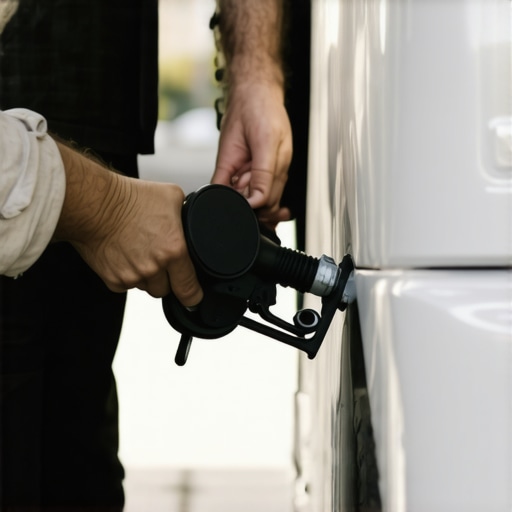
How to Tell if Your Check Engine Light is Actually Pointing to a Faulty Gas Cap
Few things cause a driver more immediate anxiety than the sudden glow of the check engine light on the dashboard. As you drive through the streets of Lake County, your mind likely races through a checklist of expensive possibilities: is it a blown head gasket? Do I need a transmission repair libertyville il? Or is the engine about to fail entirely? Before you let the panic set in, it is important to realize that the most common cause for this warning light is also one of the least expensive to fix. In many cases, that ominous orange glow is simply telling you that your gas cap isn’t doing its job.
While a modern vehicle is a complex machine, its onboard diagnostic system is designed to catch even the smallest irregularities. Finding a reliable shop for auto repair libertyville il is essential for major issues, but understanding the basics of the Evaporative Emission Control (EVAP) system can save you time and money. Often, a $20 replacement part and a few minutes of your time are all that stand between you and a clear dashboard. Before scheduling an appointment, let’s look at the signs that your gas cap is the true culprit. For more context on vehicle warnings, check out our guide on the Top Signs Your Car Needs Expert Auto Repair Now.
Why a Gas Cap Triggers a Check Engine Light Libertyville
To understand why a simple plastic cap can trigger a vehicle-wide warning, you have to understand the EVAP system. Modern environmental regulations require that cars do not allow gasoline vapors to escape into the atmosphere. Gasoline is highly volatile, and as it sits in your tank, it creates fumes. The EVAP system is designed to trap these vapors in a charcoal canister and later “purge” them into the engine to be burned as fuel. This system is a closed loop, meaning it must stay pressurized to function correctly.
When you are looking for a check engine light libertyville diagnosis, the computer is often reporting a “leak” in this closed-loop system. The gas cap serves as the primary seal for this system. If the cap is loose, the rubber O-ring is cracked, or the internal pressure relief valve has failed, the system loses its vacuum. The car’s Engine Control Unit (ECU) runs self-tests – often while the car is parked or cruising at steady speeds – to check for pressure drops. If the pressure isn’t maintained, the ECU assumes there is a leak and illuminates the check engine light to ensure the vehicle remains emissions-compliant.
In the Libertyville area, our vehicles are subjected to extreme temperature swings. The transition from a humid 90-degree summer day to a sub-zero winter night causes the materials in your car to expand and contract. This environmental stress is particularly hard on the rubber seals found in gas caps. Over time, the rubber becomes brittle, loses its elasticity, and fails to provide the airtight seal the EVAP system requires. This is why a “faulty gas cap” is one of the most frequent diagnoses we see at our car repair Libertyville facility.
5 Signs Your Gas Cap is Faulty (Not Your Engine)
If your light is on, don’t assume the worst. Look for these five specific symptoms that point directly to a fuel filler issue rather than an internal engine failure.
1. The Cap Doesn’t Click (or Feels “Mushy”)
Most modern gas caps are designed to click once or several times when they reach the correct torque. This “clicker” is a built-in safety mechanism to prevent over-tightening while ensuring a proper seal. If you turn your cap and it never clicks, or if it feels “mushy” and loose even when fully turned, the internal ratcheting mechanism has likely failed. Without that specific tension, the cap cannot hold the pressure required by the EVAP system.
2. A Persistent Fuel Odor
If you walk toward the rear of your vehicle and notice a faint or strong scent of gasoline, it is a major red flag. While a fuel smell could indicate a leaking fuel line, it is frequently caused by vapors escaping past a degraded gas cap seal. Because the EVAP system is meant to contain these fumes, any smell of raw gas suggests the “closed loop” has been compromised. If you’ve ruled out a spill on your shoes from the pump, the cap is the next place to look.
3. Visible Damage to the Seal
Take the cap off and flip it over. Look at the black rubber ring (the O-ring) that circles the base of the cap. In a healthy cap, this rubber should be smooth, pliable, and free of interruptions. If you see dry-rot, small cracks, or chunks of rubber missing, the cap is effectively useless. Even a microscopic crack can allow enough pressure to escape to trigger a check engine light libertyville.
4. Decreased Fuel Efficiency
While a bad gas cap won’t cause your MPG to plummet like a failing fuel injector would, it can cause a noticeable dip in efficiency. When vapors escape the tank, you are quite literally losing fuel to the atmosphere. Furthermore, when the EVAP system detects a leak, the engine may adjust its fuel trim to compensate, often leading to a richer (and less efficient) fuel-to-air ratio. If you find yourself visiting the pump more often in Mundelein, check your cap.
5. The Light Appears Immediately After Refueling
Timing is everything. If you filled up your tank on Friday and the check engine light popped on by Saturday morning, there is a 90% chance the cap was either not tightened correctly or the act of removing and replacing it finally broke a failing seal. This is the most common “user error” in automotive maintenance. If the light persists after you’ve tightened it, you may need a smoke test trick to find a hidden EVAP leak.
DIY Diagnostic: The “Click Test” and Visual Inspection
Before you spend money on a professional diagnostic, you can perform a basic “triage” on your gas cap at home. This simple three-step process can often resolve the issue without a trip to the shop.
Step 1: The Visual Inspection. Remove the cap and inspect the rubber gasket. As mentioned before, look for cracks. However, you should also look for debris. Sometimes, a small bit of grit or sand from the road can get caught on the gasket, preventing it from seating flush against the filler neck. Wipe the gasket down with a clean, damp cloth.
Step 2: Clean the Filler Neck. The metal rim where the gas cap screws in (the filler neck) must be perfectly smooth. In the Midwest, road salt and moisture can cause minor surface corrosion on this metal rim. If there is rust or “crust” on the neck, the gas cap’s rubber seal won’t be able to create a vacuum. Gently wipe the rim with a microfiber cloth to ensure a clean mating surface.
Step 3: The Re-Seat and Click. Place the cap back on, ensuring it is level. Screw it in until you hear the manufacturer-recommended number of clicks (usually one for newer cars, three for older models).
Pro Tip for Luxury Owners: If you are looking for a mercedes mechanic libertyville or bmw repair libertyville, be aware that European vehicles are notoriously sensitive to fuel system pressure. A BMW or Mercedes might trigger a “Check Gas Cap” message on the dash before the actual check engine light even appears. These vehicles often require OEM (Original Equipment Manufacturer) caps, as aftermarket caps from big-box stores sometimes fail to meet the exact pressure specifications required by German engineering.
Common OBD-II Codes Related to Gas Caps (P0440 – P0457)
If you have access to a code reader (or visit an auto repair libertyville il shop), the car will provide a specific alphanumeric code that identifies the problem area. Here are the codes most commonly associated with a faulty gas cap:
- P0440: This is a general EVAP system fault. It means the system isn’t working, but the computer can’t pin down exactly where the leak is. A loose cap is the first thing to check here.
- P0455: This indicates a “Large Leak.” If you left your gas cap sitting on top of the pump in Libertyville and drove away, this is the code you will get. It means the system is completely open to the atmosphere.
- P0456: This indicates a “Very Small Leak.” This is the most frustrating code because it often points to a pinhole leak or a slightly aging gas cap seal that only fails under specific pressure conditions.
- P0457: This is the “Fuel Cap Loose/Off” code. Newer cars have more sophisticated sensors that can specifically identify that the pressure loss is happening at the filler neck.
Once you tighten or replace the cap, don’t expect the light to disappear instantly. The car’s computer needs to “verify” the fix. This usually requires a few “drive cycles” – which involve starting the car from a cold temperature, driving for 10-20 miles, and letting it cool down again. If you want to see how professionals use this data, read our post on how to read live data to find a misfire.
When It’s NOT the Gas Cap: Moving Beyond DIY
If you have replaced your gas cap with a high-quality OEM part, tightened it correctly, and driven 50 miles, but the light remains on, the issue lies deeper in the EVAP system. This is when you need professional auto repair mundelein il. The gas cap is just the “door” to a complex network of hoses and valves.
Other common culprits include:
- The Purge Valve: This solenoid opens to allow fuel vapors into the engine. If it gets stuck open or closed, it will trigger the same codes as a bad gas cap.
- The Vent Solenoid: This valve allows fresh air into the EVAP system so it can be pressurized. These are often located near the rear axle and are prone to getting clogged with Illinois road salt and mud.
- Charcoal Canister: This component absorbs the raw fuel vapors. If you are someone who “tops off” your gas tank after the pump clicks off, you can actually flood this canister with liquid gasoline, ruining it and triggering a check engine light.
At Collision Fixer, we use a professional smoke machine to diagnose these issues. We inject a harmless, high-visibility smoke into the fuel system. If there is a leak – even one as small as a needle point – we will see the smoke escaping. This is much more effective than “parts cannon” engineering (replacing parts randomly until the light goes off). If your car is idling roughly alongside the light, it might be the $20 sensor that fixes your car’s erratic idle.
Professional Maintenance in Libertyville: More Than Just Diagnostics
While you are dealing with a check engine light, it is the perfect time to consider the overall health of your vehicle. A gas cap issue is a reminder that small components have a big impact. Regular maintenance is the best way to prevent these “nuisance” lights from appearing in the first place.
When you bring your vehicle in for a check engine light libertyville inspection, our technicians perform a holistic check. We can pair your diagnostic with a routine oil change libertyville il or a comprehensive brake repair libertyville il. Ensuring your fluids are clean and your safety systems are functional is just as important as keeping your emissions system sealed. In Libertyville, where we deal with heavy stop-and-go traffic on Milwaukee Avenue and high-speed commutes on I-94, your car needs to be in peak condition.
Conclusion & Final Checklist
Before you assume you need an expensive transmission repair libertyville il, take a breath and check your fuel cap. Remember:
- Inspect the rubber seal for cracks or debris.
- Clean the metal filler neck of any rust or salt.
- Tighten the cap until it clicks.
- Drive for a few days to let the computer reset.
Still seeing that stubborn light? Don’t guess – get a professional diagnostic. Whether you need a simple EVAP fix or complex mechanical work, the experts at Collision Fixer are here to help. Visit our Contact Us page today to schedule an appointment and get your car back on the road with confidence.