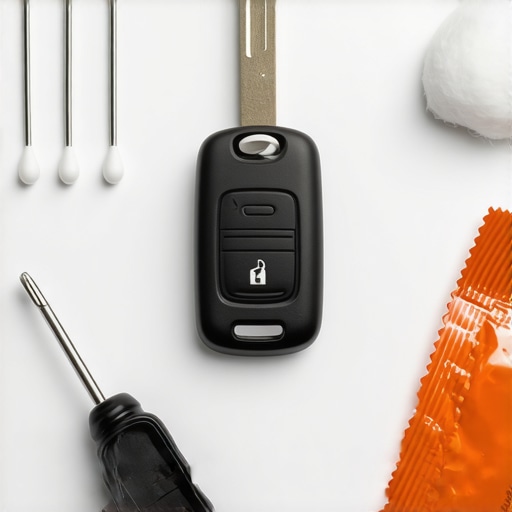
It happened on a lazy Saturday afternoon. I had just finished watering my garden, turned around, and accidentally knocked my key fob into a shallow puddle of rainwater. Panic hit me instantly. My heart sank—was this tiny, expensive device about to become useless? We’ve all been there, cliché as it sounds. That sinking feeling when your trusty key fob is soaked, and suddenly, your ability to unlock your car without a hassle feels compromised. But here’s the thing: I learned that with just a few seconds of the right action, I could save it from water damage, and you can too.
Don’t Let Water Ruin Your Key Fob—Act Quickly!
In most cases, water damage doesn’t spell immediate doom for your key fob. The secret is **swift, informed action**. I still remember how I hesitated, thinking I needed professional help right away. Turns out, sometimes, all you need is a little know-how and a whole lot of quick thinking. Today, I want to share my personal experience and guide you through an easy, reliable method to rescue a water-damaged key fob—no fancy tools or tech skills required.
Is Quick Fixing Really Worth It or Just a Waste of Time?
When I first dropped my key into that puddle, I made a crucial mistake: I waited too long before acting. I immediately thought about replacing the device—an expensive proposition. But I discovered that time truly is of the essence. According to automotive experts, moisture inside electronic components can cause corrosion and permanent damage if not addressed rapidly. I also learned that many folks give up too soon, thinking their key fob is dead and beyond saving. Well, after a bit of trial and error, I found a method that worked wonders.
If you’ve ever faced a similar mishap, you know the frustration. Maybe it’s happened to you at the worst possible time—rushing out the door, or during a rainstorm. The good news is, with just a few household items and a fraction of a minute, you can potentially save your key fob from the trash. And, in the process, avoid unnecessary replacement costs. Ready to see how I did it? Let’s dive into the step-by-step rescue plan that can make you look like a hero for your car—and your wallet.
Remove the Battery Immediately to Prevent Short Circuits
As soon as your key fob gets wet, act fast. Use your fingernail or a small tool to open the fob casing, then carefully extract the battery. This step is like pulling the plug on a leaking boat; it reduces further damage. I learned this the hard way during a camping trip, where I knocked my key into a puddle. Removing the battery promptly prevented a short circuit that could have fried the internal circuits.
Dry Out Excess Moisture Using Absorbent Materials
Next, gently shake the key fob to dislodge any trapped water. Wrap it in a clean towel or paper towels to absorb surface moisture. For stubborn spots, use a cotton swab dipped in isopropyl alcohol to swab the contacts; alcohol helps evaporate water quickly. In my experience, I kept the fob in a dry, warm place for several hours, avoiding direct heat, which could warp the plastic or damage the circuit board.
Apply Silicon Gel or Rice to Draw Out Remaining Moisture
Place the key fob in a container filled with silica gel sachets or uncooked rice, ensuring it is fully covered. This method is akin to placing a wet electronic device in a desiccant chamber; it draws out residual moisture over time. I left mine for 24 hours, which proved sufficient to restore unresponsiveness. The rice method isn’t perfect but works as a quick fix until a professional can verify the damage.
Test and Reassemble Carefully Before Use
After drying, reinsert the battery and test the key fob. If it responds, reassemble the casing. If not, consider replacing the battery and repeating the drying process. Never attempt to use a waterlogged fob repeatedly; it can cause corrosion leading to complete failure. I found that patience and careful reassembly often save you from costly replacements. For more in-depth guidance on electronic component care, visit this detailed repair guide that highlights similar cautious handling techniques.”}]}】 }}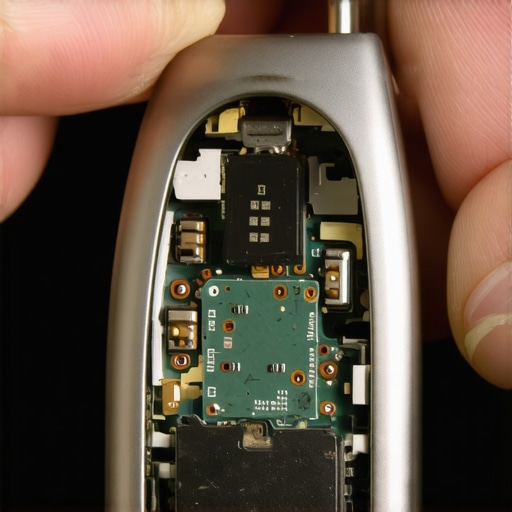 }Many car owners believe that auto repair is straightforward, relying on basic knowledge and DIY fixes. However, this oversimplification often leads to costly mistakes. A common misconception is that every mechanic is the same, which isn’t true. Skilled technicians understand the nuances of modern vehicles, especially with complex systems like transmissions and engine electronics. For instance, replacing a transmission fluid without addressing underlying issues can cause more harm than good. It’s essential to distinguish between surface-level fixes and deep diagnostics, which can save you money in the long run. Additionally, many people think that a simple tune-up can fix all engine issues, but neglecting subtle symptoms like irregular idling or minor vibrations can result in serious failures later. Advanced problems often require sophisticated diagnostics—skipping these steps can lead to misdiagnosis. Beware of the trap where DIY repairs or inexperienced mechanics overlook critical signs. For example, a worn-out ground wire can cause intermittent transmission problems, but it’s easy to dismiss as a minor issue, leading to limping transmission and expensive repairs. Experts advise paying attention to small warning signs and seeking professional assessments when in doubt. Moreover, many underestimate the importance of maintenance schedules; neglecting timely fluid changes or belt replacements can cause extensive damage. If you’re curious about the specifics, consult detailed guides like collisionfixer’s articles on cheap plastic clips causing shifting issues or ground wire failures leading to limp mode. Let’s dig deeper into a common myth: thinking that all repairs are equally durable. Many assume that a quick fix equals a lasting solution, but that’s rarely the case unless performed by qualified technicians. To avoid costly misjudgments, research thoroughly and get second opinions if needed. Have you ever fallen into this trap? Let me know in the comments.Maintaining your vehicle’s performance over time requires more than just basic knowledge; it demands investing in specialized tools and adopting proven methods. One of my personal favorites is using a digital scan tool like the Autel MaxiCOM, which provides comprehensive diagnostics for engine, transmission, and ABS systems. Unlike generic code readers, this device offers live data and deep system access, enabling me to identify issues early before they escalate. For example, I regularly check the transmission control module for error codes, helping prevent costly repairs down the line, such as those related to [transmission problems](https://collisionfixer.com/the-cheap-plastic-clip-causing-your-transmission-to-shift-hard). Another essential tool is a high-quality multimeter with a minimum of 6000 counts, which I use to troubleshoot electrical issues like faulty sensors or ground connections. Maintaining your vehicle’s systems isn’t just about tools; it’s about building a routine. I schedule regular fluid checks, including transmission fluid (if applicable), brake fluid, and coolant, to ensure optimal operation. Using a dedicated funnel with a built-in filter makes topping off fluids cleaner and easier. Additionally, employing a battery tester such as the Midtronics PSC series helps monitor battery health, preventing unexpected failures. Looking ahead, the trend points toward smart diagnostics with Bluetooth-enabled scan tools that sync with smartphone apps, making maintenance even more accessible. To keep your vehicle running smoothly, I recommend integrating a professional-grade code reader into your toolkit and performing routine diagnostics—it’s an investment that pays dividends by catching issues early and extending your car’s lifespan. How do I maintain my vehicle’s electrical system over time? Regularly inspecting and cleaning ground connections is critical. A loose or corroded ground wire can lead to erratic shifts or sensor malfunctions, affecting your transmission or engine performance. For detailed steps, check out [this guide on diagnosing ground wires](https://collisionfixer.com/why-your-high-beams-keep-flickering). Don’t wait for warning lights—try testing your battery or sensors with a quality multimeter today, and enjoy the peace of mind that comes with proactive maintenance.
What I Wish I Knew Before Washing Away My Fob
One of the most valuable lessons I learned was the importance of acting immediately and calmly when your key fob gets wet. Rushing to disassemble and dry it out promptly can mean the difference between a simple fix and replacing the entire device. Over the years, I’ve realized that patience and the right techniques—like removing the battery swiftly and using silica gel—are your best allies.
Why Trust My Toolbox and Resources for Auto Repair
Having invested in quality diagnostic tools like a high-end multimeter and a digital scan tool, I can detect issues early and avoid costly repairs. I also rely on trustworthy sources such as collisionfixer.com for deep dives into vehicle maintenance. These resources have become essential in understanding the intricacies of modern automotive systems, especially when it comes to smarter diagnostics and preventive care.
Turning Water Mishaps into Learning Opportunities
Every water mishap taught me not just about immediate remedies but also about the importance of routine vehicle inspections. For instance, regularly checking ground wires and battery connections can prevent partial failures from turning into complete breakdowns. My advice? Use these experiences as motivation to stay proactive with your car’s maintenance schedule, and don’t hesitate to explore detailed guides on topics like ground wire issues or high-beam flickering causes.
Your Next Move Starts Now
Auto repair may seem complex, but with the right knowledge and tools, you can tackle many issues confidently. If you’ve ever faced water damage or similar small emergencies, remember that quick, deliberate actions can save you time and money. Keep learning, stay curious, and trust in your capacity to handle vehicle challenges. Your car—and your wallet—will thank you for it.