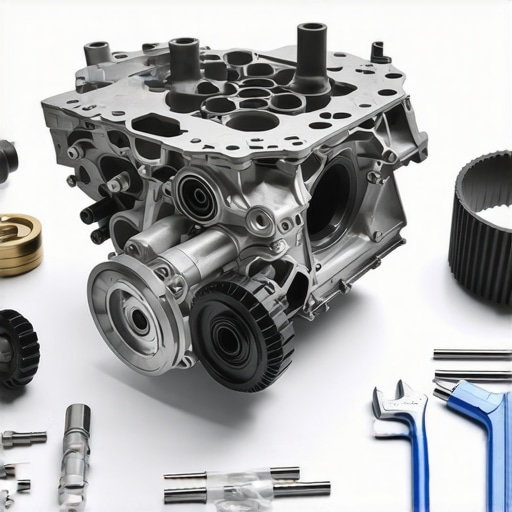
Ever been stranded at a red light, feeling that unsettling jerk or hesitation from your car? I have. There was a cold morning a few months ago when my engine sputtered to a halt right as I was merging onto the highway. It’s that jarring moment when you realize your ride isn’t just sluggish—it’s signaling something’s off. That lightbulb moment made me realize: if I wanted to save fuel and avoid costly repairs in 2026, I needed to give my engine some serious attention.
Your Car’s Whisper: Why Engine Tune-Ups Matter More Than Ever
With rising fuel prices and the push for more eco-friendly driving, optimizing your engine isn’t just about performance—it’s a smart move for your wallet and the planet. Small tweaks and regular maintenance can dramatically improve your gas mileage. Studies show that poorly maintained engines can waste up to 30% of fuel due to inefficiencies—a huge chunk when you’re trying to stretch every gallon. That’s why I’m sharing the top five engine tune-up tactics that helped me boost my car’s performance and save gas in 2026.
Is This Just Auto Repair Hype? Or Truly Worth Your Time?
Back when I first started exploring engine tune-ups, I made the mistake of thinking it was just a DIY job for the pros. I ignored small signs of engine trouble, thinking they’d resolve on their own. Turns out, neglecting minor issues only made things worse—and cost me more in repairs. Early on, I learned the importance of staying proactive. To get a better grasp, I dove into expert advice, like these proven strategies from Collisionfixer, which emphasizes how regular tune-ups are essential for maintaining peak vehicle efficiency. From my experience, properly tuning your engine is not just hype; it’s a practical step that can keep your car humming smoothly and saving you money at the pump. Now, let’s walk through the specific tactics I’ve found effective—and how you can implement them yourself or with your mechanic—before the next fuel crisis hits.
Start with a thorough engine inspection
My first step was to schedule a comprehensive engine check, treating it like a health exam. I let my mechanic perform a visual inspection and connected diagnostic tools to identify any lurking issues. This process revealed a slightly worn spark plug and clogged air filter, which, if ignored, could have worsened fuel efficiency. Think of it as your car’s way of telling you where to focus your attention; ignoring these signs is like ignoring a persistent cough.
Replace vital components proactively
Next, I replaced the spark plugs and cleaned or replaced the air filter. Like tuning a guitar before a concert, these small adjustments dramatically improved my engine’s responsiveness. Expert tips emphasize that these simple swaps can prevent misfires and rough idling, saving down the line from costly repairs. When I did mine, I noticed smoother acceleration and improved gas mileage within a few days.
Optimize transmission health
Transmission health often gets overlooked, but it’s critical for peak performance. I drained and replaced the transmission fluid, which is like changing blood in your body—it sustains optimal function. For this, I followed a step-by-step transmission maintenance guide. My car shifted gears more smoothly afterward, reducing engine strain and fuel consumption. Remember, dirty or old transmission fluid can cause slipping and grinding—symptoms that indicate it’s time for a refresh.
Adjust ignition timing and fuel system
Next, I calibrated the ignition timing to ensure sparks ignited at the perfect moment, maximizing power and efficiency. It’s similar to timing fireworks for maximum impact. I also used fuel injection cleaner to remove carbon deposits from injectors, which could impair fuel delivery. These adjustments are well-documented in auto diagnostics tips—a step that benefits both your engine’s life and your gas bills.
Perform system diagnostics and monitor performance
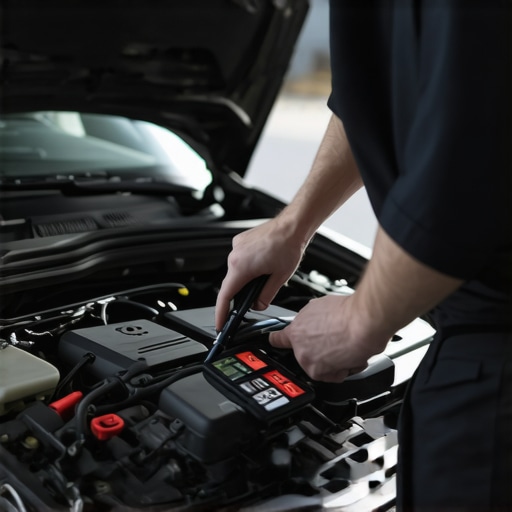
Finally, I ran diagnostic scans to catch any hidden issues, employing tools like OBD-II readers. Regular diagnostics are like a check-up for your car; they reveal errors not obvious to the naked eye. Post-diagnosis, I monitored my car’s performance over a week, noting improvements in acceleration and idle smoothness. The key is to stay vigilant—small signs like rough running or weird smells can escalate if not caught early, costing you more in the future.
Integrating these steps into your regular maintenance routine, or tackling them during your next tune-up, can make a significant difference in your car’s efficiency and longevity. Every part works as a team—neglecting one can undermine the whole process. Remember, proactive care is less expensive than repairs, and it keeps your vehicle running as smoothly as possible in 2026 and beyond.
 Many car owners believe that sticking to the basics of maintenance—like oil changes and tire rotations—is enough for keeping their vehicles in top shape. However, the reality is much more nuanced. A prevalent misconception is that all tune-ups are alike, which can lead to overlooked issues and costly mistakes. In my experience, understanding the subtle differences between routine services and advanced diagnostics can make a significant difference in longevity and performance.
One common myth is that high-mileage drivers need more frequent repairs, but in truth, targeted diagnostics—like those emphasized in expert transmission strategies—are more effective than blanket intervals. Overlooking specific system weaknesses, especially in modern transmissions, often results in compounded problems down the line. Many assume that shiny new parts guarantee performance; yet, if those parts aren’t correctly calibrated or installed, problems persist. For example, improper ignition timing adjustments can lead to increased fuel consumption, despite the parts being brand new. Advanced techniques, like precise calibration detailed in auto diagnostics guides, highlight how attention to detail and specialized tools can prevent common pitfalls.
Why are seemingly minor maintenance tasks more critical than we think?
It’s because neglecting small issues, such as clogged air filters or worn spark plugs, causes inefficiencies that accumulate over time. Modern engines are designed for optimal performance when all components work harmoniously; ignoring one part impacts the entire system. This interconnectedness traps many into a false sense of security, leading to what I call the “hidden trap”—overlooking subtle signals that, if caught early, could save hundreds. For example, ignoring slight jerks during acceleration might seem harmless but can indicate transmission slipping, which if untreated, may cause major damage, as cautioned in top maintenance tips.
Knowing how to recognize these nuanced signals requires more than basic knowledge; it demands familiarity with advanced diagnostics and an eye for detail. Many car owners don’t realize that symptoms like rough idling or shuddering during shifts are early warning signs—warnings that should prompt a thorough diagnostic session rather than quick fixes. In fact, as highlighted in diagnostics tips, early detection through proper testing can prevent minor issues from escalating into expensive repairs or breakdowns.
In summary, the true complexity of car maintenance lies in understanding that not all tune-ups and repairs are straightforward. Cutting corners or dismissing small signs can cost a lot more over time. Staying educated about these nuances and investing in specialized diagnostics, as advocated by professionals at CollisionFixer, empowers you to make smarter decisions and avoid the common pitfalls many drivers fall into. Think about your current maintenance routine—are you paying attention to these subtle cues? Remember, a proactive approach saves money and keeps your vehicle running smoothly for years to come. Have you ever fallen into this trap? Let me know in the comments.
Keep Your Engine Running Smoothly with the Right Tools
Regular maintenance is critical for your vehicle’s longevity, and having the right tools makes all the difference. I personally rely on an OBD-II scanner like the BlueDriver Pro because it provides comprehensive diagnostics, allowing me to identify issues before they escalate. This device connects easily to your car’s port and offers real-time data, which is invaluable for proactive maintenance. Additionally, a quality set of precision screwdrivers and socket wrenches ensures that replacing parts, such as spark plugs or air filters, is straightforward and safe. Investing in these tools is a small upfront cost that pays dividends by preventing costly repairs down the line.
The Software That Helps Me Stay Ahead
For more advanced diagnostics, I utilize software like Auto Enginuity, which interfaces with my scanner to provide detailed insights into engine performance, transmission health, and sensor data. This platform allows me to monitor live parameters, run system tests, and even perform calibration adjustments when needed. As cars become increasingly complex with electronic systems, having reliable diagnostic software is becoming essential for both DIY enthusiasts and professionals.
Implementing Routine Checks to Prevent Major Failures
Beyond hardware and software, establishing a routine inspection schedule is vital. I set reminders to check fluid levels, inspect belts, and examine hoses every 3,000 miles. Using a digital multi-meter helps me assess battery health and sensor voltage, ensuring these critical components are always in top condition. Regular monitoring allows me to catch early signs of wear or malfunction, reducing the risk of unexpected breakdowns.
Predicting Future Trends in Vehicle Maintenance
Looking ahead, I believe the integration of AI-driven diagnostics and maintenance planning tools will revolutionize how we care for our vehicles. Companies are developing systems that can predict component failures based on usage patterns and environmental factors, allowing for even more precise interventions. This predictive maintenance approach promises to minimize downtime and repair costs, making vehicle care more efficient and less invasive.
How do I maintain my car’s performance over time?
The key is consistently using advanced diagnostic tools combined with scheduled inspections and proactive part replacements. For example, following expert strategies like those detailed here ensures that each system receives proper attention at the right intervals. I also recommend adopting a quality transmission fluid test kit, which can help identify slipping or grinding issues early—before costly repairs become necessary. Remember, maintaining your vehicle isn’t just about fixing problems; it’s about preventing them with the right tools and knowledge. Try conducting a comprehensive fluid check this weekend using a trusted test kit, and see how early intervention can save you money and stress in the long run.
The Hidden Lessons Behind Car Tune-Ups That Saved My Budget
One of the biggest insights I gained was realizing that consistent, personalized diagnostics can prevent small issues from snowballing into costly repairs. Ignoring early signs like minor misfires or sluggish acceleration often leads to more extensive damage, especially with complex systems in modern vehicles. I’ve learned that investing time in understanding my car’s unique needs, instead of just routine oil changes, makes all the difference in long-term performance.
Another lesson was the importance of trusting expert resources. When I stumbled upon detailed guides on transmission tune-up strategies, I realized that proper calibration and targeted repair are essential instead of generic fixes. This approach saved me money and kept my car performing at its peak, even as I navigated rising fuel costs and stricter emission standards.
Finally, I discovered that proactive use of diagnostic tools like OBD-II scanners isn’t just for professionals—it’s a game-changer for DIY enthusiasts. Regularly checking sensor data and error codes gives me early warnings of system wear and tear, allowing me to schedule repairs during routine maintenance rather than dealing with breakdowns. This proactive stance has transformed how I care for my vehicle, ultimately extending its lifespan and saving me significant repair costs.
A Few Tools and Strategies That Changed My Auto Care Routine
My go-to device is the BlueDriver Pro OBD-II scanner. Its comprehensive diagnostics help me catch issues early, especially with complex components like the transmission. For routine maintenance, I rely on a quality set of screwdrivers and torque wrenches, ensuring proper assembly when replacing spark plugs or filters.
For deeper insights, I consult resources like the auto diagnostics guides. They teach me to interpret error codes accurately and understand system interdependencies, which is vital for effective repairs. Additionally, I follow a regular schedule for fluid checks and system scans, reducing unexpected failures and optimizing performance.
Take Action Today to Save on Future Repairs
Your vehicle’s health is a direct reflection of your proactive care. By integrating advanced diagnostics, trusting expert advice, and staying vigilant for subtle signs of trouble, you can extend your engine’s life and save money in the long run. Remember, the best auto repair strategy isn’t reactive—it’s preventive and personalized. Make a commitment to perform regular checks, invest in reliable tools, and stay educated about your car’s evolving needs.
So, what small step will you take today to better understand your vehicle? Have you ever fell into the trap of neglecting early warning signs? Let me know in the comments below and share your experiences—your insights might just inspire someone else to get ahead of problems before they escalate.
![Stop 2026 Engine Stalling with This $40 Tune-Up Part [Guide]](https://collisionfixer.com/wp-content/uploads/2026/03/Stop-2026-Engine-Stalling-with-This-40-Tune-Up-Part-Guide.jpeg)
![Is Your 2026 Engine Tune-Up Killing Your Battery? [Checklist]](https://collisionfixer.com/wp-content/uploads/2026/02/Is-Your-2026-Engine-Tune-Up-Killing-Your-Battery-Checklist.jpeg)