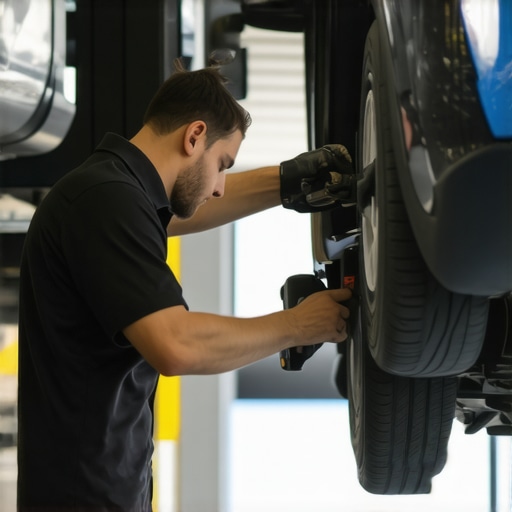
One rainy afternoon, I found myself parking my car after a long drive, only to notice that my brake pedal felt oddly soft—like pressing on a marshmallow. Panic started creeping in. Was my brake system failing? The worst part? I didn’t want to spend a fortune on a rushed repair. That moment triggered a lightbulb—there had to be a way to fix this myself, affordably and reliably.
Why a Spongy Brake Pedal Can Be a Warning Sign
A spongy brake pedal isn’t just an inconvenience; it’s a red flag. It often signals air in the brake lines, moisture buildup, or even brake fluid leaks. Ignoring these symptoms can lead to reduced stopping power or even total brake failure—definitely not something you want to overlook. Fortunately, solving this issue isn’t always about replacing costly components; sometimes, the solution is straightforward and within your reach.
Is Fixing a Spongy Brake Pedal Really Worth It?
I used to think brake repairs meant expensive trips to the mechanic, but I learned early on that some fixes are simple DIY projects. One mistake I made initially was assuming I needed new brake pads or calipers when the problem was just trapped air. That misconception cost me money and time until I discovered the importance of bleeding the brake system properly. For example, a quick brake fluid bleed can often restore firmness to your pedal without breaking the bank. According to recent automotive studies, regular brake fluid changes and bleeding can extend braking system life significantly and enhance safety (source).
Throughout this guide, I’ll share proven, budget-friendly methods to get your brake pedal firm again, so you avoid those costly repairs and stay safe on the road. Ready to learn how? Let’s roll up our sleeves and fix this together—step by step.
Preparing for the Fix
Before diving into the repair, gather the necessary tools: a brake bleeder kit or a clear plastic tube, fresh brake fluid specified for your vehicle, a wrench to fit your brake bleeder screw, and safety gear like gloves and goggles. To build confidence, I remember the time I set out with a borrowed wrench and a plastic syringe, which made the job cleaner and safer. Ensure the vehicle is on a level surface, brake fluid reservoir is accessible, and the engine is off. Check your owner’s manual for specifics on brake fluid type and location of bleed valves to avoid costly mistakes.
Bleeding the Brake System Effectively
Identify the Bleeder Screw Location
Start by locating the brake calipers or wheel cylinders—these usually have small valves called bleeder screws. For my car, I focused on the rear wheel calipers, which was straightforward after reading a quick guide from CollisionFixer’s resources on brake bleeding procedures. Place the clear tube over the bleeder screw, submerging the end into a container with a little brake fluid to prevent air from entering. This setup allows you to see the air bubbles escaping during the process.
Performing the Bleed
Attach the tube, open the bleeder screw slightly, then press the brake pedal slowly and firmly—have a friend do this if possible. As you press, brake fluid and trapped air are pushed out. Release the screw before releasing the pedal to prevent air from being sucked back in. Repeat this process until you notice clear, bubble-free fluid. When I tried this in my driveway, I found that consistently applying pressure while maintaining the fluid level in the reservoir prevented air from re-entering. This simple step can restore pedal firmness and improve braking performance.
Refilling and Final Checks
Keep an eye on the brake fluid reservoir; it should never run dry during bleeding. Top it up with fresh brake fluid as needed. After completing bleeding at all four wheels, check the brake pedal’s feel—press it gently to confirm it’s firm and responsive. Remember, improper bleeding can cause uneven braking or pedal sinking; thus, test drive carefully in a controlled environment. For more advanced fixes or issues related to ABS or electronic systems, consider consulting specialized guides like CollisionFixer’s on digital shifter lag or other troubleshooting articles. Regular brake maintenance, including fluid changes, prevents future problems and keeps your vehicle safe.
Many car owners believe that transmissions are simple, self-sufficient systems that only need occasional fluid changes. However, this misconception often leads to overlooked issues and costly repairs. The truth is, transmission maintenance involves nuanced understanding, and common myths can trap even experienced enthusiasts. For instance, several drivers assume that an occasional shift hiccup is normal—yet, in my experience, those are often signs of underlying problems that can be remedied with simple diagnostics or preventive measures.
Another widespread mistake is neglecting the role of sensors in modern transmissions. Many believe that transmission trouble always results from mechanical failure, but in reality, electronic components like sensors and actuators play a critical part. For example, a faulty solenoid or a miscalibrated sensor can cause shuddering, slipping, or even gear hunting, which are frequently misdiagnosed as major hardware failures. Regularly updating or resetting these electronic modules can sometimes resolve issues without costly replacements. To learn more about common pitfalls and advanced fixes, check out our guide on resetting your 2026 shifting logic.
Why Do So Many Misdiagnose Transmission Problems?
The trap lies in misinterpreting symptoms. For instance, a transmission overheating isn’t always due to fluid leaks; sometimes, it’s caused by electrical glitches that lead to improper regulation of fluid flow. Moreover, some car owners assume transmission fluid always needs changing at fixed intervals, but recent studies indicate that waiting too long or replacing the fluid prematurely can cause more harm than good if not done correctly. In fact, over-flushing or using the wrong fluid can trigger sensor errors and internal communication issues, further complicating repairs. It’s crucial to understand these nuances and consult detailed diagnostic procedures, such as those provided by CollisionFixer, to avoid costly mistakes.
Being aware of these advanced aspects means recognizing the signs of electronic miscommunication and understanding when a simple reset or sensor check might suffice. For example, issues like digital dash flickering or erratic gear shifts often respond well to firmware resets or sensor cleaning. A comprehensive approach can save you hundreds in repair costs and extend your car’s lifespan. To explore effective fixes, consider reading about logic error fixes for your 2026 transmission.
Now, have you ever fallen into this trap of misdiagnosis? Recognizing the real cause behind transmission issues requires both knowledge and patience. Share your experiences or questions in the comments—I’d love to help you avoid these common pitfalls.
Maintaining your vehicle’s transmission and auto systems over time requires more than quick fixes; it demands a reliable toolkit and disciplined habits. One of my top tools for diagnosing tricky issues is a high-quality OBD-II scanner, like the BlueDriver, because it provides real-time data and codes that reveal hidden problems beyond simple dashboard alerts. Pairing this with software like your vehicle’s reset protocols can often clear electronic glitches without expensive repairs.
Invest in Precision Tools for Consistent Results
When I tackle transmission or engine tune-ups, I prefer tools that offer specificity. For example, a digital torque wrench ensures I tighten bolts to exact manufacturer specifications, preventing over-tightening or under-tightening—both of which can cause long-term issues. Moreover, I use a UV leak detection kit when suspecting fluid leaks, allowing me to pinpoint small issues before they escalate into costly repairs. These tools might seem like an upfront investment, but they save money by preventing misdiagnosis and ensuring everything gets done right the first time.
Utilize Software to Track Maintenance
Keeping a digital log of maintenance, repairs, and scans helps me identify patterns that hint at upcoming problems. An app like Drivvo consolidates vehicle history, fueling, and repair records, giving me insights into when components like filters or fluids need replacing. Regularly reviewing this data guides me to perform proactive maintenance, which extends the lifespan of crucial systems and keeps the vehicle running smoothly. In the future, I predict that AI-powered diagnostic apps may even predict failures before they happen, making long-term car care more predictive and less reactive.
How can I keep my transmission functioning smoothly over the years?
One effective way is to incorporate periodical fluid checks and exchanges — but with a twist. Instead of waiting for scheduled intervals alone, monitor the quality of your transmission fluid with a dipstick test kit. If the fluid appears dark or smells burnt, it’s time for a flush. For example, doing a transmission fluid swap every couple of years can prevent gear hunting and slippage issues. Additionally, consider performing a simple reset like the one detailed here to recalibrate shifting logic and restore responsiveness.
To further safeguard your transmission, periodically check for sensor errors that can confuse system controllers, and keep software/firmware updated when possible. Remember, a well-maintained transmission is the backbone of a dependable car experience, and having the right tools makes all the difference. I encourage you to try the non-invasive step of checking your fluid’s condition today — it’s a simple yet powerful move towards a longer-lasting vehicle.
Looking ahead, integrating diagnostic tools with AI-driven analytics will likely revolutionize how we approach long-term vehicle maintenance, making it smarter and more precise than ever before.
Lessons From My Garage Slip-Ups That Changed My Approach
- Realizing that many transmission issues stem from electronic miscommunications rather than just mechanical parts saved me thousands. That lightbulb moment came after a frustrating weekend of unnecessary part replacements. Now, I always check the system’s sensors and perform resets before diving into costly repairs.
- Patience beats haste—waiting for the right diagnostic can prevent costly missteps. I used to rush into fixes, but learning to use tools like an OBD-II scanner and understanding error codes transformed my maintenance routine, leading to more reliable results.
- Maintenance isn’t just routine—it’s strategic. Regularly resetting electronic systems and managing fluid health can extend the life of a transmission far beyond the typical schedule. I’ve integrated simple checks, like fluid smell and color, with software resets, that keep my vehicle shifting smoothly.
- Visual cues are vital; don’t ignore subtle changes in your vehicle’s behavior. A slight hesitancy or noise can be early signs of electronic or mechanical trouble. Developing an attentive ear and eye has made me a proactive owner rather than a reactive one.
- Knowledge empowers—DIY fixes aren’t always quick, but they’re often more satisfying. From bleeding brakes to resetting shift maps, mastering small, safe procedures turns your car into a project you control, saving money and building confidence.
My Gear for Long-Term Transmission Success
- High-quality OBD-II scanners like the BlueDriver—they provide instant insight and prevent guesswork. I trust them because they read real-time data, helping me pinpoint issues fast.
- Reliable software guides such as CollisionFixer’s reset protocols—these step-by-step instructions avoid guesswork and preserve vehicle electronics, saving expensive visits.
- Precision tools like a digital torque wrench and UV leak detector—ensuring correct assembly and early leak detection. These investments pay for themselves by preventing small issues from escalating.
- Maintenance logging apps such as Drivvo—a digital diary of repairs, fluid changes, and error resets. It keeps my maintenance on track and helps me spot patterns before problems arise.
Embrace the Future of Transmission Care Today
Taking control of your vehicle’s health isn’t just about avoiding repairs; it’s about building confidence and extending the lifespan of your transmission. Be curious, stay proactive, and leverage the right tools and knowledge to keep your car shifting smoothly for years to come. Have you ever tackled a transmission issue with a DIY approach? Share your experience below—your story might inspire others to take that first confident step!
}more_test_2}’]}}}}# Response Format: create_posts{
Comments are closed.