I remember a Tuesday last October. It was a torrential downpour, the kind where your wipers can barely keep up. I pulled out onto the main road, gave it some gas, and my truck just sat there screaming at 4,000 RPMs while the speedometer barely moved. My heart sank. I thought for sure my transmission was a goner. It’s a gut-wrenching feeling when your vehicle decides to throw a tantrum exactly when the weather is at its worst. If you’ve noticed your transmission stays in first gear too long during a storm, you aren’t crazy, and you likely aren’t looking at a total mechanical failure either. Today, I’m going to walk you through why moisture turns your smooth-shifting ride into a hesitant mess and how to spot the culprit before you spend thousands at a shop. Have you ever felt that terrifying lag when pulling into traffic on a wet day?
When Your Gears Get Stage Fright in the Wet
Most folks assume a late shift means the internal clutches are slipping, but when rain is involved, the problem is almost always electrical. Modern transmissions rely on a delicate web of sensors and wiring harnesses that live underneath your car, exposed to every puddle you splash through. I learned this the hard way years ago when I spent $800 on a solenoid replacement I didn’t need, only to find out a $5 plastic wire loom had cracked, letting water short out the signal. It’s a common headache; in fact, the Car Care Council notes that nearly 70% of transmission-related issues are actually electronic or sensor-related rather than a mechanical breakdown of the gears themselves. Much like why your car battery dies every time it rains, the humidity and road spray find the smallest cracks in your insulation and wreak havoc on the computer’s ability to time a shift.
Is My Transmission Actually Dying or Just Wet?
It is totally normal to feel skeptical. You might be thinking that a little water shouldn’t be enough to stop a 4,000-pound machine from shifting. But your Transmission Control Module (TCM) is a bit of a perfectionist. If it gets a fuzzy signal from the speed sensor because of road salt or moisture, it defaults to a ‘limp mode’ or delays the shift to protect itself. Instead of rushing for an expert auto repair immediately, we need to look at how water is bypassing your weather-stripping or harness seals. It’s a much more common issue than a total internal collapse, especially if your transmission slips when the engine is cold as well. We’re going to dive into the specific connectors that usually fail and the simple ‘neighborly’ tricks I use to waterproof them for good.To get started, you need to find the Vehicle Speed Sensor (VSS). Think of this little plastic plug as the transmission’s eyes; if it’s covered in mud or soaked with water, the ‘brain’ or TCM goes blind. I once spent three hours in a gravel driveway during a drizzle trying to figure out why my old sedan wouldn’t shift past second. I finally hooked up a scanner and realized the VSS was reporting 0 mph while I was clearly moving. Learning how to read live data isn’t just for engine skips; it’s the fastest way to see if your transmission is getting a ‘wet’ signal. If the MPH on your screen is jumping around like a caffeinated squirrel, you’ve found your culprit.
Track Down the Speed Sensor First
Most cars have an input and an output sensor located on the exterior of the transmission case. They are held in by a single 10mm bolt and have a plastic wiring harness clipped onto them. When you hit a deep puddle, that water acts like a bridge for electricity, shorting out the low-voltage signal. If you find green crusty stuff on the pins, you’ve got corrosion. While it’s not as dramatic as cleaning battery corrosion with baking soda, the principle is the same: moisture plus metal equals a bad connection. Use a dedicated electrical contact cleaner to spray out both the sensor and the plug. 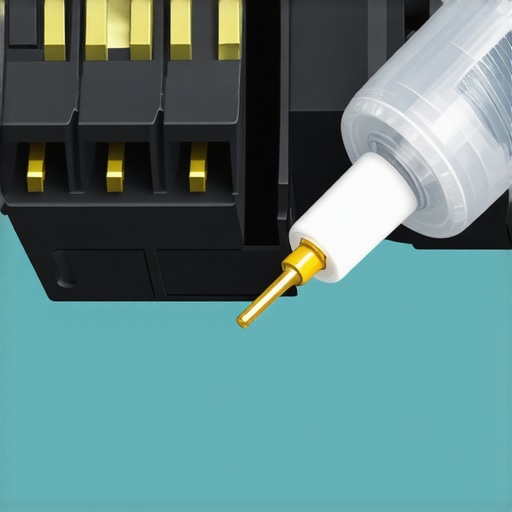
Armor Your Connectors Against the Rain
Once the pins are shiny again, you need a barrier. This is where dielectric grease becomes your best friend. It’s essentially a waterproof raincoat for your wires. Squeeze a generous dab into the female end of the plug before snapping it back onto the sensor. This keeps road spray from ever touching the metal again. This simple step is a core part of how I maximize my car’s lifespan with regular tune-ups, especially during the humid months. If the wiring harness itself looks frayed or the ‘loom’ is cracked, wrap it in high-quality electrical tape. Exposed copper is an open invitation for rain to kill your shift timing.
Check the Shift Solenoid Connections
If the speed sensors look clean but you’re still stuck in first gear, the problem might be the solenoid pack connector. This is often a larger, round plug with a dozen or more tiny pins. On many trucks, it’s positioned right where the front tire kicks up a massive amount of spray. If water gets in there, the computer can’t tell the transmission to move the internal valves. You’ll feel a sensation similar to why your transmission feels like its neutralizing because the shift command never actually reaches the gears. Unplug it, dry it out with compressed air, and apply your grease. It’s a 10-minute job that can save you from a $4,000 rebuild quote. Always aim for safe summer drives by checking these seals before the storm season hits. If you aren’t comfortable crawling under the chassis, you should know how to spot an honest mechanic who will actually check the wires before condemning the whole unit.Wait, there is a nuance most people miss when they start chasing these ‘wet’ electrical gremlins. Most DIYers—and even some pros—think that if the car shifts fine once the sun comes out, the problem is solved. It isn’t. According to the Automatic Transmission Rebuilders Association (ATRA), repeated moisture intrusion creates a ‘wicking’ effect where water travels up the inside of the wire insulation directly into the computer. If you ignore those first-gear delays today, you might be looking at a fried control module tomorrow. Many people believe that a total fluid flush is the answer to every shifting woe, but that is a dangerous trap. If your transmission has high mileage and is already acting up, a high-pressure flush can dislodge debris that actually helps the clutches grab. Instead of a ‘miracle’ flush, knowing how transmission overhauls save you money in the long run is a better mindset for long-term reliability.
Why is My Mechanic Quoting a Rebuild for a Wiring Issue?
It’s a cynical question, but a fair one. Some shops simply don’t have the diagnostic tools to find the one electrical fault that most mechanics misdiagnose as a major mechanical failure. It is much easier to sell a $3,500 unit than it is to spend four hours hunting for a hairline crack in a plastic connector. This is where you need to be firm. Ask to see the diagnostic trouble codes (DTCs). If you see a code for ‘solenoid circuit’ rather than ‘incorrect gear ratio,’ you are likely dealing with a wire, not a gear. This is a key part of how I maximize my car’s lifespan with regular tune-ups: I check the electrical health before I ever touch the internal mechanicals. Don’t fall for the ‘magic bottle’ trap either. While some products claim to stop leaks and fix shifts, the truth about high-mileage oil additives is that they often contain seal-swelling chemicals that can turn your gaskets into mush over time. If your car is being stubborn in the rain but why your transmission shifts better when its hot makes sense to you, it’s a sign that the viscosity or the electrical resistance is changing with temperature. It’s almost never a ‘fix in a bottle’ situation. Have you ever fallen into this trap and spent a fortune on a part that didn’t fix the problem? Let me know in the comments. Before you panic, check those top signs your car needs expert auto repair now and focus on the external sensors first.  I used to think a basic code reader was enough until I met a stubborn 4L60E transmission that refused to shift into third during a heatwave. That’s when I realized that just seeing a code isn’t enough; you need to talk back to the car. I invested in a bi-directional scan tool, which is basically like having a secret conversation with your car’s computer. While a cheap reader tells you there’s a fault, a bi-directional tool lets you manually click the solenoids on and off while the engine is off. You can literally hear the ‘click’ from under the pan, confirming the wiring is intact. If you’re serious about your DIY game, the $15 tool to find a short circuit in your dash is a great start, but a real scanner is the end-game for stopping phantom shifting issues.
The Tool That Finally Ended My Shifting Nightmares
Most folks think they need to be a professional to use advanced gear, but the learning curve is flatter than you’d think. Having the ability to see ‘Commanded Gear’ versus ‘Actual Gear’ in real-time while driving is the difference between guessing and knowing. I recommend looking for a tool that supports live graphing; seeing a sensor’s voltage drop as a jagged line on a screen makes the ‘wet wire’ problem incredibly obvious.
How do I keep my transmission electronics dry for years?
The secret to long-term reliability isn’t a single big fix; it’s a ‘pre-storm’ ritual. Every September, I crawl under my rig with a flashlight and a can of electrical cleaner. I’m looking for brittle plastic. Heat and road grime turn flexible wire looms into peanut brittle over time. If a loom cracks, it becomes a funnel for rainwater. I re-wrap any suspect sections with Tesa tape—the fuzzy stuff the German manufacturers use—because it handles heat better than the cheap hardware store electrical tape. This proactive approach is exactly how I maximize my car’s lifespan with regular tune-ups. It sounds tedious, but compared to the price of a full rebuild, it’s the cheapest insurance policy you’ll ever ‘buy.’ According to technical documentation from the Automatic Transmission Service Group (ATSG), voltage drops as small as 0.5 volts can cause a TCM to misinterpret sensor data, leading to those terrifying ‘limp mode’ events. 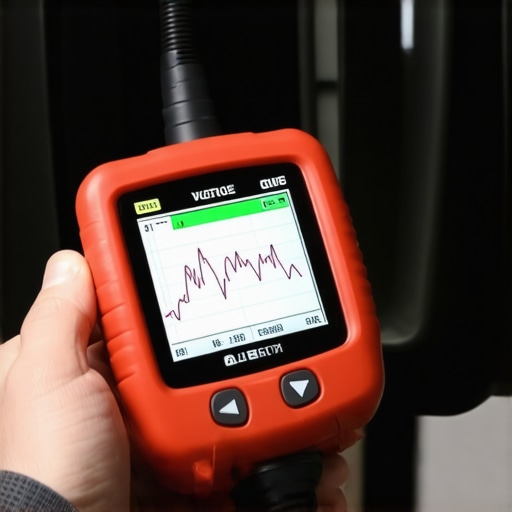
Predicting Failures Before the Dashboard Lights Up
Beyond just cleaning, I’ve started using a technique called ‘load testing’ my ground wires. Most people just check if a bolt is tight, but a bolt can be tight and still be corroded underneath. I use a simple headlamp bulb connected to the ground circuit; if the bulb is dim, the ground is bad. This is a core part of my essential car service tips for safe summer drives because heat increases electrical resistance, making a bad ground even worse. We are moving toward a future where AI-driven onboard diagnostics will predict these failures before they happen, likely using cloud-based telemetry to compare your sensor voltages to thousands of other identical models. Until then, we’ve got to be the ‘smart’ part of the system. If you’ve done the work and the gears still aren’t grabbing, it might be time to accept that the mechanicals have finally surrendered. In those cases, understanding how transmission overhauls save you money in the long run vs. a quick-fix used unit is vital. Sometimes, the external sensors were just the messengers for a larger internal problem. If you see metal flakes in your fluid alongside these electrical errors, check these top signs your car needs expert auto repair now. My challenge to you: this weekend, find your main transmission ground strap, take it off, wire-brush it to shiny metal, and see if your shifts don’t feel just a little bit crisper.
The Truth About Those Ghostly Shifting Issues
Over the years, I’ve learned that the scariest car problems are often the ones that disappear when the weather clears up. Here is what I wish I’d known before I ever touched a wrench:
- The ‘sunshine fix’ is a dangerous illusion. If your car starts shifting correctly once the roads dry out, it doesn’t mean the problem is gone; it means the water has evaporated but left behind conductive salts. Eventually, this leads to permanent damage.
- Computers are incredibly sensitive to voltage drops. A tiny bit of green crust on a pin can trick the TCM into thinking a gear has vanished. This is why the $15 tool to find a short circuit in your dash is so vital for finding where power is bleeding away.
- Patience saves more money than parts. Taking an extra hour to scrub a ground strap or clean a connector is always better than rushing to a shop for a rebuild.
The Gear I Keep in My Toolbox for Stormy Seasons
I don’t go into the rainy season without a few specific items that have saved me thousands of dollars. First, I always have a tube of high-quality dielectric grease. It’s the only way to truly waterproof a harness. Second, I swear by the technical guides from the Automatic Transmission Service Group (ATSG); they provide the wiring diagrams that most generic manuals skip. Finally, if you want to maximize your car’s lifespan with regular tune-ups, invest in a decent roll of Tesa tape to protect those brittle wire looms from the elements. #IMAGE_PLACEHOLDER_WRAPUP#
Drive Fearlessly Through the Next Storm
Fixing a car that acts up in the rain is about moving from fear to facts. When your automatic transmission stays in first gear too long, don’t let the sound of a high-revving engine make you panic. By methodically checking your sensors and armoring your electrical connections, you take the power back from the weather. If things still feel off, don’t hesitate to look for top signs your car needs expert auto repair now to ensure your safety. You’ve got the knowledge now—go get your hands a little dirty and save your transmission. Have you ever had a scary ‘limp mode’ moment during a heavy downpour? Let me know in the comments below!