
I’ll never forget the morning my old sedan decided to play games with me in the middle of a January freeze. I hopped in, fired up the engine, and shifted into Drive, but the car just sat there humming while the RPMs climbed. It felt like the transmission was filled with molasses instead of oil. My first thought was that I’d be spending my entire savings on a tow truck and a new gearbox. I made the classic mistake of panicking and almost falling for a predatory quote before I realized that cold-start slipping is often a symptom of something much simpler than a total mechanical failure. Today, I’m going to walk you through exactly why your car hesitates when the frost is on the windshield and how you can stop it before you’re stranded. Have you ever felt that terrifying pause when you put your car in gear on a cold morning? Let me know in the comments because you are definitely not alone.
Stop the Shudder Before Your Commute Becomes a Nightmare
Understanding why this happens is the first step toward saving your wallet. When temperatures drop, the seals inside your transmission—which are usually soft and rubbery—can become stiff and brittle. These seals are responsible for holding hydraulic pressure to engage the clutches. If they can’t seal properly because they’re cold, the pressure leaks out, and your car just sits there until the fluid warms up enough to soften the rubber. It’s a common issue, but ignoring it can lead to internal friction that eventually requires you to learn how transmission overhauls save you money in the long run. Back when I started working on my own cars, I once ignored a cold slip for three months until I burnt out the forward clutch pack entirely—a mistake that cost me a lot more than a simple fluid change would have. If you’re seeing other weird behavior, you might want to check the top signs your car needs expert auto repair now to see if you’re dealing with more than just a winter quirk.
Is Cold Weather Just an Excuse for a Failing Gearbox?
Many folks are skeptical and think that if a car doesn’t work perfectly at 20 degrees, it’s fundamentally broken. While it’s true that a healthy transmission should handle the cold, the fluid itself is often the culprit. According to the Society of Automotive Engineers (SAE), transmission fluid viscosity increases significantly in sub-zero temperatures, which can delay the pressure needed to engage clutches by several seconds. This doesn’t necessarily mean you need a rebuild, but it might mean your fluid is old and has lost its ability to flow. If you’ve noticed other symptoms like signs your transmission is silently overheating during the summer, the cold is simply unmasking a problem that was already there. You have to be careful when seeking professional help, though; it’s vital to know how to tell if a transmission shop is lying about a rebuild versus a simple service. We are going to dig into the DIY checks you can do right in your driveway to see if you just need a top-off or something more serious.
How to Read Your Dipstick Like a Pro
To get a real reading, you can’t just pull the stick with the engine off like you do with oil. Transmissions need to be at operating temperature and the engine needs to be idling in Park or Neutral. Grab a clean, white lint-free rag—not a dirty old t-shirt—and wipe the stick once, reinsert it, and pull it again. Look for a healthy translucent red color. If the fluid looks like chocolate milk, you’ve got coolant mixing in, and if it looks like old coffee, the friction material from your clutches is already suspended in the oil. I remember checking a neighbor’s car that wouldn’t move until it ran for ten minutes; the fluid was so low it wasn’t even touching the stick. We topped it off, and the ‘slipping’ vanished instantly. This is why you should ignore the truth about lifetime gearbox fluids because no fluid lasts forever, especially in extreme cold. 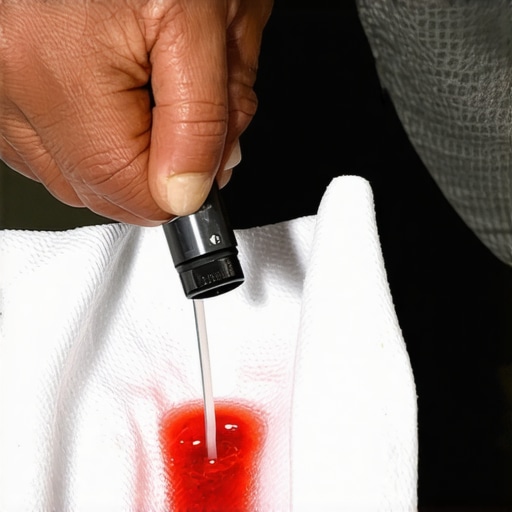
Don’t Slam Into Gear While the Engine is Cold
We are all in a rush, but forcing a cold transmission to engage is like asking a frozen rubber band to stretch—it’s going to snap or fail to grip. Think of your transmission like a hydraulic computer. Every time you shift, you are sending a signal for fluid to travel through narrow ‘veins.’ In the winter, that fluid is more like syrup. By letting the engine idle for a few minutes, you allow the torque converter to spin, which shears the fluid and generates heat through friction. I once rushed out of the house late for a meeting and threw my truck into Reverse while the high-idle was still at 1500 RPMs. The resulting ‘clunk’ was so loud I thought I’d dropped the driveshaft on the pavement. I didn’t break it that day, but it was a wake-up call that mechanical sympathy saves money. If you ignore this and keep gunning the engine to ‘force’ it into gear, you’ll end up wondering why your transmission feels like its neutralizing while you’re sitting at a busy intersection.
Identify Pressure Leaks Before They Kill the Gearbox
Sometimes the slip isn’t just the cold; it’s a loss of hydraulic pressure caused by a tiny component failure. If your fluid level is constantly dropping but you don’t see a puddle on the driveway, you might have an internal leak. I once spent three days chasing a shifting issue on an old sedan only to find a vacuum modulator was sucking transmission fluid into the engine and burning it off. It’s these small nuances that separate a DIY win from a massive repair bill. If you aren’t sure what you’re looking at, it’s better to recognize the top signs your car needs expert auto repair now rather than waiting for the gears to grind. Transitioning to a high-quality fluid can also make a world of difference, so make sure you understand the real difference between full synthetic and blends before your next service.Wait, I need to talk about the most dangerous advice I see floating around the internet: the complete flush as a cure-all for a slipping transmission. Conventional wisdom says if the fluid is dirty, blast it out with a machine. In my experience, if your transmission is already slipping on cold mornings, a high-pressure flush is often the quickest way to end its life. Why? Because over time, the friction material from your clutch plates wears off and becomes suspended in the fluid. This grit actually provides enough grip for the remaining worn plates to engage. When you flush that grit out and replace it with slippery new fluid, the car might not move at all once you pull it out of the bay. Instead of a flush, a simple pan-drop and filter change is the professional way to go. I have seen too many people lose their cars to this maintenance trap because they didn’t understand the truth about lifetime gearbox fluids. Have you ever fallen into this trap or had a shop try to upsell you on a flush when your car was already struggling? Let me know in the comments because I want to hear your stories.
Could a Rusty Ground Wire Be Mimicking a Blown Transmission?
Before you agree to a $3,000 rebuild, you need to check your electrical grounds. Modern transmissions are controlled by solenoids and sensors that rely on precise voltage signals. If you have the hidden ground wire that ruins your sensors, your computer might be receiving garbage data, causing it to shift erratically or slip because it cannot calculate the correct line pressure. The Automatic Transmission Rebuilders Association (ATRA) notes that a significant percentage of diagnosed mechanical failures are actually electrical glitches hidden in the wiring harness. 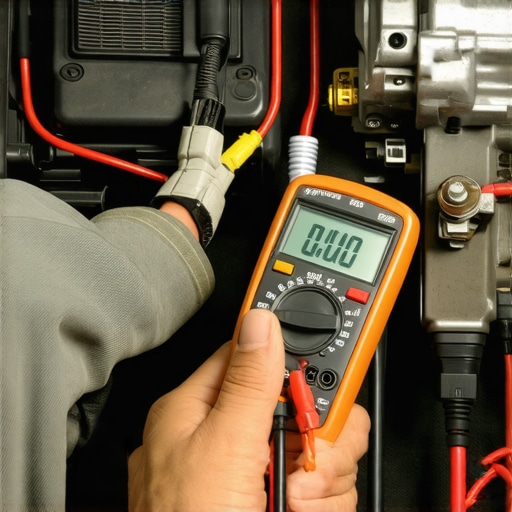 I once saw a client nearly junk his vehicle because of a five dollar corroded strap that was making the car feel like it was falling out of gear. This is a classic oops factor—don’t let the one electrical fault that most mechanics misdiagnose lead you to pay for an unnecessary transmission overhaul.
Don’t Ignore the Small Vibrations
Often, a cold slip is just the beginning of a larger chain reaction. If you ignore the signs and keep driving, you are effectively sanding down your internal gears with every shift. You should treat your transmission with the same care you’d give a regular tune-up for your engine. The key to longevity is understanding the real difference between full synthetic and blends, as synthetic fluids handle cold-flow much better than conventional options. By staying ahead of these nuances, you ensure that your winter morning commute stays boring—exactly the way it should be.I’ve spent years under the chassis, and if there’s one thing I’ve learned, it’s that your ears and your dipstick are only half the battle. If you really want to stay ahead of the curve, you need to see what the car’s computer sees. I personally never travel without my Autel MK808 scanner. Why? Because it lets me monitor the Transmission Control Module (TCM) in real-time. I can watch the solenoids fire and, more importantly, I can track the fluid temperature. Most people don’t realize that heat is the silent killer of every gearbox. If you’re seeing 5 signs your transmission is silently overheating, you’re already behind. Using a scanner to catch a 10-degree spike before the dashboard light even flickers is the difference between a cheap sensor swap and how transmission overhauls save you money in the long run. 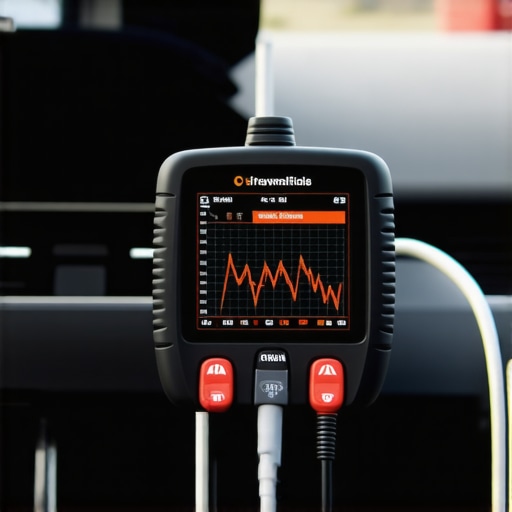
Why a High-End Scanner Beats a Guessing Game
According to technical service bulletins from ZF Friedrichshafen—the engineering giants who manufacture transmissions for BMW, Jaguar, and even Ram trucks—the “lifetime” fluid claim is mostly marketing fluff for the original owner. They explicitly recommend a fluid and filter change every 50,000 to 70,000 miles in their service documentation. Ignoring this leads to fluid oxidation that even the best full synthetic and blends can’t overcome once it’s burnt. In my own garage, I’ve seen this neglect lead to gear hunting and shuddering that mimics a mechanical failure but is actually just fluid that’s lost its sheer strength. If you’re already feeling the car struggle, you should look for the top signs your car needs expert auto repair now before you’re stuck on the shoulder.
How can I maintain my transmission for the long haul?
Consistency is the only true secret. You have to treat your gearbox like your engine; it needs its own version of a maximize your car’s lifespan with regular tune-ups schedule. This means checking for leaks, ensuring the cooling lines aren’t restricted, and monitoring for electrical ghosts. I’ve seen people ready to junk a car because of shifting issues that were actually caused by a parasitic battery drain with a simple multimeter test. Low voltage to the solenoids can cause them to pulse irregularly, making the transmission feel like it’s slipping. As we move toward more software-dependent vehicles, the trend is shifting toward AI-driven telemetry that will predict these failures weeks in advance. But until your car can talk to you, you have to be the one listening.
Keep Your Gearbox Happy in the Heat
Don’t just focus on the winter; the damage often starts during those grueling July commutes. Being proactive with essential car service tips for safe summer drives can prevent the internal seals from hardening in the first place. It’s all about the secret to longevity for high mileage engines and their drivetrain partners. My best advice? Get yourself a decent OBD2 scanner this weekend and check your transmission’s live data after a long drive. If it’s hitting over 220 degrees, it’s time to stop guessing and start servicing.
What No One Tells You About Those Winter Gearbox Gremlins
After decades of wrenching, I’ve realized that 90% of transmission panic is actually preventable with a little foresight. First, don’t underestimate the power of a simple ground check; the hidden ground wire that ruins your sensors is often the real reason for that jerky cold shift, not a mechanical failure. Second, synthetic fluid is worth every extra penny because it maintains its flow when conventional oils turn into molasses. Finally, the best repair is the one you never have to do because you practiced mechanical sympathy. These small habits are the secret to longevity for high mileage engines and their expensive gearboxes.
The Gear I Actually Use to Save My Car
If you want to move beyond guessing, you need a few staples in your garage. I always keep a high-quality OBD2 scanner—like the Autel I mentioned—to see exactly what the computer is thinking. I also swear by a dedicated transmission fluid thermometer; keeping an eye on heat prevents 5 signs your transmission is silently overheating. Lastly, a basic multimeter is essential for diagnosing the one electrical fault that most mechanics misdiagnose as a dead battery or a blown solenoid. #IMAGE_PLACEHOLDER_E#
Make This the Year You Stop Fearing the Frost
You don’t have to be at the mercy of the weather or a predatory repair shop. By checking your fluid levels, monitoring your electrical grounds, and understanding the real difference between full synthetic and blends, you take back control of your commute. Your car is a complex machine, but it’s one that responds well to care and attention. Don’t wait until you’re stranded to look for top signs your car needs expert auto repair now. Be proactive, stay curious, and your transmission will reward you with hundreds of thousands of smooth miles. To keep things running year-round, don’t forget to follow essential car service tips for safe summer drives as well.
Have you ever had a ‘broken’ car suddenly fix itself after a simple fluid change or a warm day? Let me know in the comments below—I love hearing your success stories!