I remember pulling out of my driveway on a freezing Tuesday morning, caffeine still hitting my system, when I heard my engine screaming like a jet engine. I was only doing twenty miles per hour, but my tachometer was buried deep in the red. My car simply refused to leave first gear. It was embarrassing, loud, and frankly, terrifying. I immediately pulled over, convinced that my gearbox had turned into a pile of expensive metal shavings. That’s the thing about transmission issues—they feel catastrophic the second they happen. But after years of getting my hands greasy and learning how to tell if a transmission shop is lying about a rebuild, I’ve realized that a car holding onto first gear isn’t always a death sentence for your vehicle. Today, I’m going to help you figure out if you’re facing a simple sensor glitch or something that needs a pro’s touch. [IMAGE_PLACEHOLDER]
When Your Car Simply Refuses to Shift Up
Believe me, I’ve been there. My first big mistake was assuming I needed a whole new unit when, in reality, I had just ignored a simple fluid change for too long. We often hear about the truth about lifetime gearbox fluids, and let me tell you, “lifetime” usually means “until the warranty expires.” When your car stays in first, it’s essentially a cry for help. It might be a limp mode trigger designed by the manufacturer to protect the engine from further damage, or perhaps the shift solenoids are gummed up with old, burnt oil. Keeping up with things like regular tune-ups can prevent these panic-inducing moments. According to the Car Care Council, nearly 70% of car owners fall behind on basic maintenance, which is exactly when these shifting ghosts start to appear. It feels like the car is stuck in a loop, and no matter how much you feather the gas, it just won’t click into second. You see, the modern automatic transmission is a marvel of engineering, but it’s also incredibly sensitive. It relies on a delicate dance between computer signals and hydraulic pressure. If one little thing goes out of sync—like a dirty mass airflow sensor—the computer gets confused and decides that staying in first gear is the safest bet.
Is my transmission actually dying or is it just a sensor?
This is the question that keeps us up at night. You might be worried that the mechanical gears are stripped, but more often than not, it’s an electronic or hydraulic hiccup. For instance, have you noticed any of the signs your transmission is silently overheating? Excessive heat can thin out the fluid so much that the pressure needed to trigger a shift simply isn’t there. I once spent a whole weekend chasing a mechanical ghost only to find out a $20 sensor was unplugged. It was a humbling lesson in checking the small stuff first. Look, I’m not saying it’s definitely an easy fix, but I’ve seen enough blown transmissions turn out to be nothing more than a loose ground wire to know better than to give up early. Have you ever felt that heart-sinking sensation of an engine revving high without the car moving faster? Tell me about your experience in the comments—did you panic like I did? We’re going to look at the vacuum lines, the throttle position sensor, and those pesky solenoids next to see if we can get your ride shifting smoothly again without breaking the bank.I started my diagnostic journey by doing what every weekend warrior should: I checked the dipstick. If your fluid looks like burnt coffee or smells like a backyard bonfire, you’ve found your first lead. I once worked on an old sedan that refused to shift into second, and the owner was ready to scrap it. After checking, I realized the fluid was so low the pump couldn’t build enough pressure to engage the next gear set. We didn’t need a thousand-dollar overhaul; we just needed to address the 5 dollar gasket that stops a massive oil leak that had been slowly draining the system.
Let the Computer Tell You What Hurts
Don’t guess when you can know. Modern cars are essentially rolling computers, and if your transmission is “limping,” it has a reason. Plugging in a cheap OBD-II scanner is like giving your car a megaphone. Look for codes ranging from P0700 to P0799. These “P” codes are the language of transmission faults. If you see a code for a speed sensor, you’re in luck. A faulty input or output speed sensor tells the computer the car isn’t moving fast enough to warrant a shift, even when you’re redlining. This is often the one electrical fault that most mechanics misdiagnose because they aren’t looking at the transmission control module specifically. #IMAGE_PLACE_HOLDER_B#
Solenoids Are Often the Secret Culprits
Think of shift solenoids as the bouncers of the gearbox. They open and close to allow fluid into specific channels. If one gets stuck due to debris or electrical failure, the “door” to second gear stays shut. I remember a particularly frustrating Sunday spent under a truck where a single $40 solenoid had gone dark. The car acted like the transmission was shattered, but once that little plastic-and-metal plug was swapped, it shifted like silk. This is why you should maximize your cars lifespan with regular tune ups; clean fluid keeps these tiny valves from seizing.
Don’t Ignore the Air and Vacuum Lines
In older vehicles, or even some mid-2000s models, vacuum pressure is the “signal” that tells the transmission how hard the engine is working. If you have the tiny vacuum leak that causes a rough idle, it can also mess with the modulator valve on your transmission. This makes the gearbox think you’re at wide-open throttle, so it holds first gear as long as possible. Similarly, check your intake. The small crack in your air intake that kills mpg can also confuse the Mass Air Flow (MAF) sensor. If the computer doesn’t know exactly how much air is entering the engine, it can’t calculate the perfect shift point, leaving you stuck in high-RPM purgatory.
A common trap I see drivers fall into is believing that a ‘flush’ is a magic eraser for all gearbox woes. In fact, many shops will push a high-pressure transmission flush as the first solution. However, if your car is already struggling to leave first gear, a high-pressure flush can sometimes do more harm than good. In my years of turning wrenches, I’ve found that on high-mileage vehicles, the ‘grit’ suspended in old fluid is often the only thing providing enough friction for worn clutch packs to engage. Forcefully removing that debris can lead to a total failure shortly after the service. Instead of a flush, a simple drain and fill is often the safer, expert-recommended path. Knowing how to tell if a transmission shop is lying about a rebuild starts with seeing if they recommend a flush without even checking the fluid condition first.
Why a Full Flush Could Be the Last Thing Your Gearbox Needs
The Automatic Transmission Rebuilders Association (ATRA) has noted in technical bulletins that a significant percentage of shifting issues are actually ‘sympathetic failures’ caused by external sensors or electrical grounds rather than internal gear damage. One of the most overlooked ‘oops’ factors is the vehicle’s main ground strap. If this cable is corroded, the Transmission Control Module (TCM) might not receive a clean voltage signal, leading it to panic and lock the car in first gear. This is frequently the one electrical fault that most mechanics misdiagnose as a mechanical death sentence. Before you authorize a multi-thousand-dollar teardown, check the hidden ground strap that causes weird electrical ghosts and ensures your sensors are getting the steady power they need to communicate correctly.
Can a weak battery actually prevent your car from shifting?
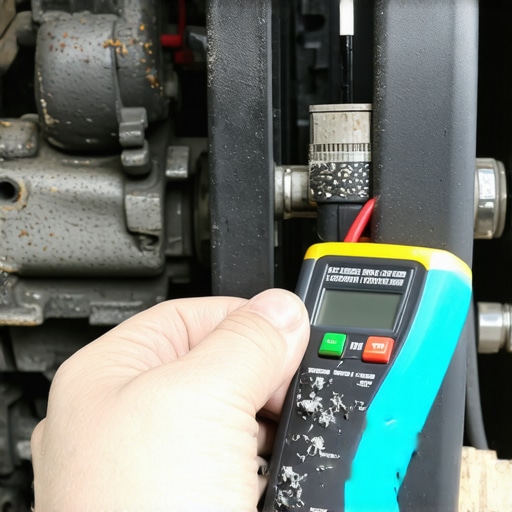
It sounds far-fetched, but in modern, computer-dependent vehicles, the answer is a resounding yes. If your battery is on its last legs, it may provide enough juice to crank the engine but not enough to stabilize the sensitive solenoids inside the transmission during the initial drive. When these solenoids don’t get the precise amperage required, they fail to move, leaving you stuck in a single gear. This nuance is why I always suggest starting with the basics of regular tune ups and battery health checks. We often overlook the fact that these systems are interconnected. I once saw a driver nearly scrap a perfectly good sedan because of the truth about lifetime gearbox fluids being misunderstood; they thought the unit was ‘sealed for life’ and therefore unfixable, when in reality, the TCM just needed a steady 12 volts to reset the shifting logic. Have you ever fallen into this trap where a tiny electrical issue felt like a total mechanical collapse? Let me know in the comments. Digging deeper into these subtle failures can save you thousands and keep your car on the road longer.
Ditch the Cheap Code Readers for Real Data
When I’m in the garage trying to figure out why a car is behaving like a lawnmower, I don’t reach for those generic five-dollar phone apps. To really see what’s happening inside your gearbox, you need a bi-directional scan tool. I personally use these tools because they allow me to command specific shift solenoids to click on and off while the engine is totally silent. This is the fastest way to determine if you have a dead solenoid or a wiring break without ever getting your hands oily. If you’re chasing a ghost, learning how to find a parasitic battery drain with a simple multimeter can often reveal the low-voltage culprit that’s confusing your transmission computer. It’s also worth checking the hidden ground wire that ruins your sensors, as a poor connection here can make the computer think you’re still sitting at a stoplight when you’re actually merging onto the highway.
Heat is Your Gearbox’s Greatest Enemy
If there is one thing I’ve learned from the Automatic Transmission Service Group (ATSG) technical manuals, it’s that heat kills 90% of automatic units long before their time. When your car refuses to shift, it might be trying to save itself from a meltdown. I always suggest installing an auxiliary transmission cooler if you do any heavy driving or live in a scorching climate. This simple addition can drastically change how transmission overhauls save you money in the long run by simply ensuring you never need one in the first place. You should also be hyper-aware of the 5 signs your transmission is silently overheating, because by the time the light comes on the dashboard, the damage is often done. 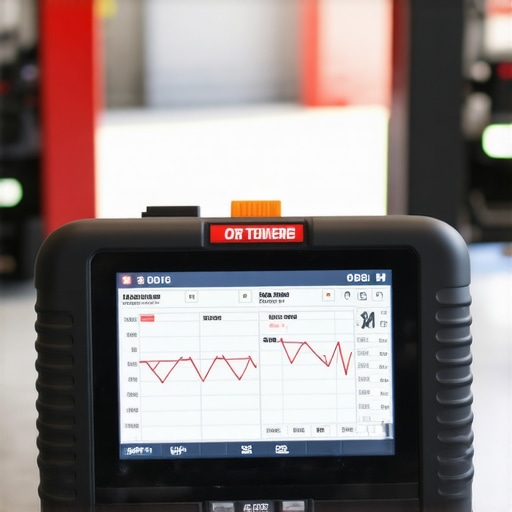
How do I keep my car shifting smooth for years?
Maintenance isn’t a one-time event; it’s a strategy. To truly maximize your cars lifespan with regular tune ups, you have to look beyond just the engine oil. I’ve seen that the most successful car owners are the ones who treat their transmission fluid like a vital organ, checking for color and consistency every time they rotate their tires. As we look toward the future, even as electric vehicles take over, the importance of thermal management and high-quality lubricants isn’t going away—it’s just moving into integrated e-axles. Staying ahead of the curve means following essential car service tips for safe summer drives to prevent fluid breakdown. My best advice? Grab a multimeter this weekend and check your main ground strap—it’s a five-minute task that could save you a three-thousand-dollar repair bill.
Hard-Earned Truths from the Garage Floor
After years of wrestling with stubborn gearboxes, I’ve realized that the most expensive repairs often start as the smallest oversights. One of my biggest lightbulb moments was discovering that the 10 dollar relay that cures a mystery no start can sometimes be related to broader electrical health that affects shifting. Here is what I wish I knew sooner:
- The Limp Mode is your friend: When your car refuses to shift, it isn’t trying to annoy you; it’s protecting the internal clutches from burning up due to a detected fault.
- Maintenance is cheaper than repair: Sticking to a strict schedule, like the one found in a 100k mile service, keeps those sensitive solenoids swimming in clean fluid.
- Grounds are everything: A single rusty bolt on the frame can cause the transmission computer to report ghost codes that lead people to buy new units they don’t need.
Tools That Actually Solve the Mystery
If you want to stop guessing, you need the right arsenal. I never touch a transmission without my trusted BlueDriver OBD-II sensor, which pulls manufacturer-specific codes that basic readers miss. For deep dives, the ATSG (Automatic Transmission Service Group) technical manuals are the absolute gold standard for understanding hydraulic circuits. Finally, always keep a digital multimeter handy; it is the only way to verify if your sensors are getting the voltage they require. Using these tools is one of the top signs your car needs expert auto repair now or if you can handle the job right in your driveway.
Drive with Confidence Again
Transmission issues are intimidating, but they don’t always mean your car is headed for the scrap heap. By starting with the simplest electrical checks and ensuring your fluid levels are correct, you give your vehicle the best chance at a long, healthy life. Don’t let a high-revving engine scare you into a bad financial decision. Take it one sensor at a time, trust your data, and remember that even the most complex gearboxes rely on simple physics. Have you ever had a car get stuck in first gear only to find out it was a simple, cheap fix? Let me know your story in the comments below!