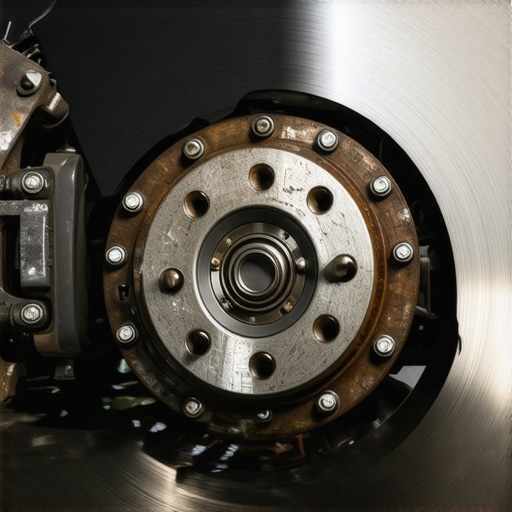
I remember sitting at a red light in my old sedan, face turning bright red as every pedestrian turned to look at the screeching noise coming from my wheels. I had just spent $150 on “premium” pads and three hours of my Saturday under the jack stands. I felt like a failure. I’d done everything by the book—or so I thought—yet my car sounded like a freight train hitting the brakes every time I slowed down. If you have ever felt that sinking feeling in your stomach when your DIY fix doesn’t actually fix anything, you are not alone. It is one of those classic auto repair headaches that can drive even the most patient neighbor to the brink. We are going to solve this mystery today so you don’t have to keep cranking up the radio to drown out the noise. [IMAGE_PLACEHOLDER]
Your Rotor Surface Might Be Part of the Problem
I used to think that as long as the rotors weren’t warped, they were fine to stay on the car. I was wrong. When you put new pads on an old rotor without resurfacing it, you are trying to mate a perfectly flat surface to one that has thousands of microscopic grooves and heat spots. This mismatch creates vibrations, and in the world of physics, high-frequency vibration equals high-pitched noise. It is often the reason why your brakes squeal even with new pads long after the break-in period should have ended. I once skipped the rotor turn to save thirty bucks and ended up spending double that on specialized cleaners and eventually, new rotors anyway.
Are expensive ceramic pads actually worth the extra money?
Many people assume that more expensive parts automatically mean a quieter ride, but that is not always the case. According to data from the Friction Materials Standards Institute, brake noise remains the leading cause of customer returns in the automotive industry, regardless of pad material. In fact, the truth about cheap aftermarket brake pads is that they often lack the sophisticated shim technology found in higher-end versions, which is designed specifically to dampen these sounds. Have you ever replaced your pads only to have them start screaming at you the very next day? It is incredibly demoralizing, but usually, it is a sign that a small, technical detail was overlooked during the installation. Sometimes it’s as simple as forgetting the grease, or perhaps it’s related to the real reason your brake pedal feels spongy, which can point to deeper hydraulic issues. Let’s look at the specific steps to silence the chatter for good.
Clean the Hub Surface Until It Shines
The most overlooked step in any brake job is the foundation. If the rotor doesn’t sit perfectly flush against the hub, it will ‘run out’—meaning it wobbles as it spins. This is often the reason your steering wheel shakes only when you hit the brakes. I remember rushing through a job on a rainy Tuesday, ignoring a thick layer of rust scale on the hub. Three days later, the vibration was so violent at 60 mph that I actually looked up how to spot a bent frame without a measurement rack because I was convinced I had structural damage. It turned out to be just half a millimeter of rust pushing the rotor out of true. Grab a wire brush or a drill with a wire wheel attachment and strip that hub down to bare, shiny metal before the new rotor touches it. 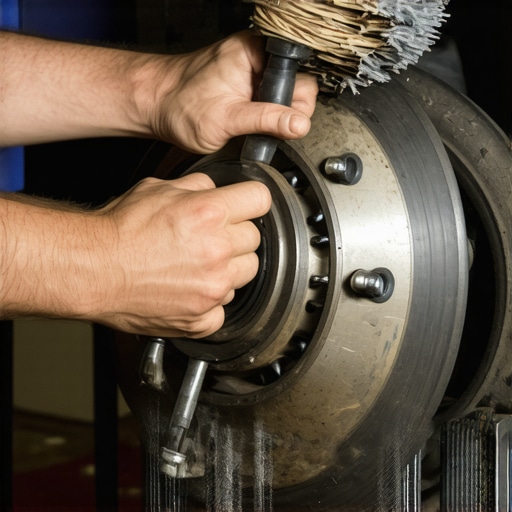
Stop the Metal-on-Metal Chatter with Grease
Metal-on-metal contact is the enemy of a quiet ride. Those little rubber boots on your caliper house the slide pins; if they are dry, the caliper won’t retract properly. This causes the pads to drag, overheat, and glaze over. Always pull the pins, wipe off the old, crusty gunk, and apply a high-temperature silicone-based grease. While you are at it, check the hardware. Those thin stainless steel clips that hold the pads in place are vital. If they are covered in brake dust, they won’t let the pad move freely. Replacing these clips is one of those essential car service tips for safe summer drives that prevents the brakes from sticking in the blistering heat.
Apply Brake Quiet Where It Actually Counts
You will see people slathering blue or orange goo all over the back of the pads, but more is not better. If your pads came with high-quality shims already attached, you only need a tiny dab of grease where the caliper piston touches the pad and where the pad ‘ears’ slide in the bracket. If you overdo it, the grease attracts road grit, which turns into a grinding paste that destroys your components. Think of it like a regular tune up for your stopping power; precision matters more than volume.
The 10-Minute Bedding Procedure
Once everything is bolted back together, you cannot just drive home and park. You need to ‘transfer’ a layer of pad material onto the rotor surface through a process called bedding. Find a long, empty stretch of road. Speed up to 45 mph and brake firmly (but do not come to a complete stop) down to 10 mph. Repeat this five times. Then, do it three more times from 60 mph down to 15 mph. You will likely smell the brakes getting hot; this is the resins in the pads curing. If you skip this, you might find the reason your car shakes when you accelerate or decelerate is due to uneven pad deposits, which creates an annoying pulsation that feels like a warped rotor even when the metal is perfectly straight.
While most drivers focus on the engine, the transmission is often the most neglected component until it is too late. I have seen countless people ignore 5 signs your transmission is silently overheating because they believe the ‘lifetime fluid’ sticker on the gearbox. Let’s be real: no fluid lasts forever. In fact, technical data from the Automatic Transmission Rebuilders Association (ATRA) indicates that nearly 90% of all transmission failures are caused by overheating and fluid contamination. The ‘lifetime’ rating usually refers to the length of the manufacturer’s warranty, not the actual longevity of the vehicle. If you want to maximize your cars lifespan with regular tune ups, you need to look past the marketing and service the gearbox every 50,000 to 60,000 miles.
The Big Lie About Lifetime Fluids
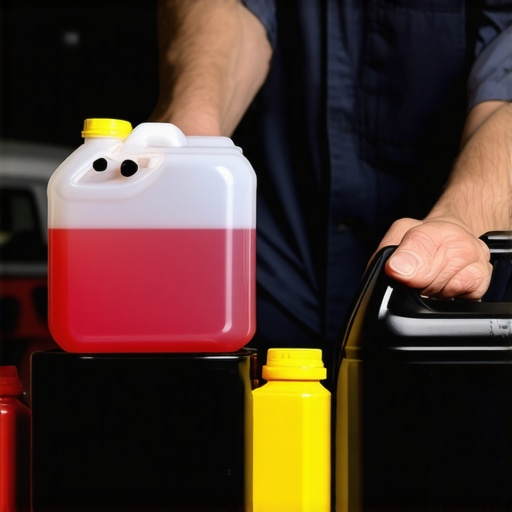
Everyone tells you to leave the transmission alone if it is ‘sealed,’ but in my experience, that is a recipe for a $4,000 repair bill. I once worked on a sedan where the fluid had turned into a thick, black sludge that smelled like burnt toast. The owner was just following the manual. This is the truth about lifetime gearbox fluids: they break down due to shear and heat just like engine oil. By the time you notice a hesitation, the internal clutches are already wearing thin. If you are approaching a major milestone, knowing how to save money on your 100k mile service starts with proactive fluid changes, not reactive repairs.
Why is your automatic transmission hunting for gears on hills?
Advanced readers often ask why their car feels indecisive when climbing. It is usually not a ‘broken’ gear, but a sensor or fluid pressure issue. If the fluid is old, it cannot maintain the hydraulic pressure needed to hold the gear. You might even find why your automatic transmission hunts for gears on hills is related to a failing throttle position sensor or a simple vacuum leak. It is a nuanced dance between electronics and hydraulics. If you ignore the hunting, the constant shifting generates even more heat, leading to a total failure where how transmission overhauls save you money in the long run becomes your only viable financial path forward.
The Flush Trap That Kills Old Transmissions
Here is the ‘oops’ factor that gets many well-meaning car owners: the high-pressure flush. If you have a high-mileage car that has never had a transmission service, never let a shop use a high-pressure flush machine. That pressure can dislodge debris and wedge it into the tiny passages of the valve body, bricking the transmission instantly. Instead, stick to a simple ‘drain and fill.’ It replaces about 30-40% of the fluid at a time, which is much gentler on an aging system. I have seen more transmissions die a week after a ‘preventative’ flush than I care to count. Have you ever fallen into this trap or been told your fluid was ‘lifetime’ only to have it fail later? Let me know in the comments. If you are unsure about your car’s current state, check the top signs your car needs expert auto repair now to avoid a breakdown.
The days of troubleshooting by smell alone are fading fast. If I could go back and give my younger self one piece of advice, it would be to invest in a high-quality bidirectional scan tool. While a $20 code reader tells you that a light is on, a tool like the Autel MaxiCOM allows you to watch real-time data like transmission fluid temperature and solenoid engagement. This is critical because why your transmission feels like its neutralizing often starts as a software glitch or a lazy solenoid rather than a mechanical explosion. If you can catch a temperature spike before the dashboard warns you, you have already won the battle. 
How do I keep my transmission healthy over the long haul?
It really comes down to heat management and filtration. Beyond the fluid changes we discussed, I have started installing auxiliary transmission coolers on any vehicle I plan to keep past 150,000 miles. According to technical bulletins from Sonnax, a leader in transmission specialty parts, every 20-degree drop in operating temperature can nearly double the life of the fluid and the internal seals. It is one of those essential car service tips for safe summer drives that pays for itself ten times over when you are towing or sitting in stop-and-go traffic.
Stop Guessing and Start Logging
I also recommend keeping a digital log of your car’s baseline. When your car is running perfectly, take a snapshot of the fuel trims and transmission shift times with your scanner. Later, when you suspect a problem—like the tiny vacuum leak that causes a rough idle—you have a healthy map to compare against. This level of data is how you maximize your cars lifespan with regular tune ups without wasting money on parts cannon repairs.
The Future of DIY Auto Care
I suspect we are moving toward a world of predictive maintenance where your car will email you a health report before a part actually fails. We already see this with telematics in fleet vehicles, and it is only a matter of time before it is standard for everyone. But for now, the power is in your hands—and your toolbox. If you really want to level up, try this: next time you change your oil, use an infrared thermometer to check the temperature of your transmission pan after a long drive. If it is consistently over 200°F, it is time to look at how to save money on your 100k mile service options like an upgraded cooler or a more frequent fluid interval.
Hard Lessons I Learned While Wrestling With Gears and Grinds
After years of grease under my fingernails, I have realized that mechanical empathy is your greatest tool. If a part feels like it is fighting you, something is usually wrong with the alignment or fitment, not the tool. I once forced a caliper bolt that felt “tight” only to realize later that I had cross-threaded the entire housing. It is a mistake that taught me to always start threads by hand. Another realization: cheap parts are often the most expensive. When you look at how to tell if a transmission shop is lying about a rebuild, you start to see that quality labor and quality steel are non-negotiable for a safe car. Finally, remember that even a modern car with advanced sensors can have a “ghost in the machine” like the subtle error that makes your cars automatic braking too sensitive, which often traces back to a simple calibration issue rather than a broken computer.
The Gear That Changed My Workshop Forever
If you want to stop guessing and start fixing, you need a few specific items in your arsenal. First, a high-quality bidirectional scan tool is no longer optional; it is the only way to talk to your car’s brain and verify internal pressures. Second, I swear by a dedicated thread-cleaning kit—not a tap and die set which cuts metal, but a chaser set that cleans the rust out of holes. This ensures your maximize your cars lifespan with regular tune ups efforts actually result in a factory-spec fit. I also recommend checking out technical forums; the collective wisdom of thousands of mechanics is often better than any single manual. [IMAGE_PLACEHOLDER] Being prepared means you won’t be caught off guard by the top signs your car needs expert auto repair now when they finally appear.
Reclaim Your Confidence Behind the Wheel
Stepping back and looking at a job well done—one where the brakes are silent and the shifts are buttery smooth—is one of the most rewarding feelings for any car owner. You don’t have to be a master technician to provide a high-quality car service in your own driveway; you just need to be meticulous. By challenging myths like the truth about lifetime gearbox fluids, you are already ahead of 90% of the drivers on the road. Keep your tools clean, your mind open, and never stop learning about how your machine works. Whether you are doing a simple tune up or preparing for how transmission overhauls save you money in the long run, the power to keep your vehicle on the road is entirely in your hands.
Have you ever ignored a weird sound only to have it turn into a massive repair bill? Let me know in the comments below!