
It was a Tuesday afternoon, the sun was hitting the windshield just right, and my favorite podcast was finally getting to the good part when it happened. Click. Buzz. Tappity-tap. That tiny, persistent dashboard rattle that sounds exactly like a frantic insect trapped behind your speedometer. I found myself driving with one hand pressed firmly against the plastic trim just to get a second of silence. It was maddening. I actually considered trading the car in or scheduling a full-blown expert auto repair session just to have someone tear the whole thing apart. But then I remembered my own philosophy: never spend a hundred dollars to fix a five-dollar problem. Today, I am going to show you exactly how to silence those cabin ghosts without emptying your wallet.
Stop Letting Your Dashboard Drive You Crazy
Look, I have been there. I have spent years performing my own regular tune-ups and keeping up with essential car service tips, but nothing breaks your spirit quite like a noise you cannot locate. It starts as a whisper. Then, it becomes the only thing you hear. You turn up the radio, but you still know it is there, mocking you. Most people assume they need to visit a dealership for this, but the truth is that most rattles are just two pieces of plastic or glass having a minor disagreement. According to the Society of Automotive Engineers (SAE), interior Buzz, Squeak, and Rattle (BSR) issues are the primary drivers of long-term vehicle dissatisfaction. Often, these are not mechanical failures but simple physics. If your dashboard vibrates when the AC is on, it might be a mechanical mounting issue, but for that persistent plastic chirp? We can kill that today with a few cents worth of material and ten minutes of your time.
Does a cheap fix really work as well as a shop repair?
I get the skepticism. When I first started DIYing my car fixes, I thought real repairs had to involve expensive tools. I once made a massive mistake by trying to stop a trim rattle by stuffing a folded-up gas receipt into the gap. It looked terrible, and the paper eventually fell out and got lost in the vents. I felt like a total amateur. I learned the hard way that while the fix is cheap, the method matters. You do not need a mechanic; you just need the right shim. Have you ever found yourself driving with one hand on the dash just to keep it quiet? I want to hear about the specific noise that is currently winning the war against your sanity. We are about to put an end to it using nothing but high-density foam or felt strips and a little bit of neighborly advice.
Press Your Way to Peace and Quiet
The first rule of dash-rattle club is that you must actually find the rattle while the car is moving. This is the “Press Test.” Think of it like a doctor palpating a sore muscle; you need to apply firm pressure to various trim pieces until the noise stops. I usually bring a passenger along for this part because trying to reach the far corner of the windshield while navigating traffic is how you end up needing a expert auto repair. Have them press on the glove box, the air vents, and especially the gap where the dashboard meets the windshield. If the dashboard vibrates when the AC is on, the issue might be deeper, but 90% of the time, a firm thumb on a plastic seam kills the sound instantly. That spot is your target.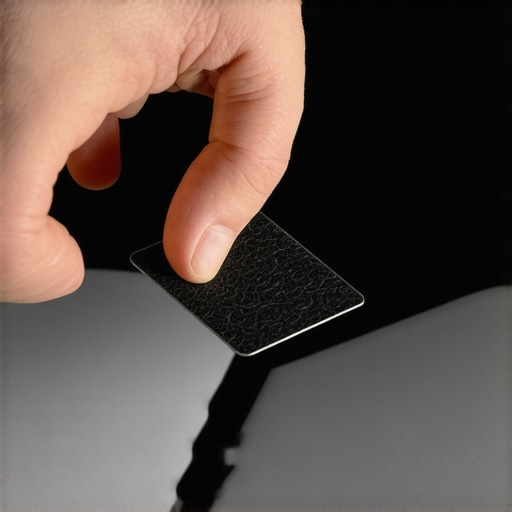
Gather These Cheap Household Heroes
You do not need a professional kit for this. My go-to arsenal consists of adhesive-backed felt strips (the kind you put under chair legs) or high-density weatherstripping foam. These materials act as a dampener, absorbing the vibrations that cause plastic-on-plastic friction. I once tried to fix a rattle in my old ’09 hatchback using a piece of cardboard from a cereal box. It worked for two days, then it got damp, warped, and started smelling like stale Cheerios. Do not be like me. Use something synthetic that won’t rot. If your interior is black, black felt is practically invisible once it is tucked away. This logic also applies to the 10-minute fix for a rattling passenger seat or any other cabin component shaking loose over time.
Tuck and Hide the Noise Killers
Now for the execution. Take a plastic credit card or a specialized trim removal tool—never use a metal screwdriver unless you want permanent gouges in your dash. Cut a small strip of your foam or felt, about the size of a postage stamp. Peeling the adhesive is optional if the fit is tight enough. Use the edge of the card to shove the material deep into the gap you identified during the Press Test. I remember trying this on a stubborn A-pillar rattle that was driving me insane. I did not just shove it in; I folded the felt over itself to create a spring effect. The moment that felt disappeared into the seam, the cabin went silent. It felt more satisfying than a regular tune-up. You are essentially creating a buffer that keeps the parts under tension so they cannot vibrate against each other. If the noise persists even after shimming, you might want to check if your suspension squeaks over speed bumps, as external vibrations often mimic interior rattles.While my foam-and-felt method is a lifesaver for interior trim, let’s talk about where DIYers often cross the line into dangerous territory. The biggest mistake I see is ‘over-fixing.’ I’ve seen people try to stop a vibration by tightening every screw they see until the plastic cracks. Modern cars use specific torque specs even for trim because plastic expands and contracts with the sun. If you over-tighten, you’re just creating a new stress point that will snap in six months. Another trap? Using WD-40 on plastic squeaks. It smells like a garage and can actually dissolve certain adhesives. Stick to dry silicone or felt.
Why does that dash chirp disappear when the weather gets humid?
It isn’t magic; it’s expansion. Moisture in the air causes the dashboard materials to swell slightly, closing the microscopic gaps that cause friction. The Society of Automotive Engineers (SAE) notes that thermal expansion is the primary cause of intermittent BSR (Buzz, Squeak, and Rattle) issues. If your car only makes noise on dry winter mornings, you have a classic gap issue. This is why essential car service tips for safe summer drives often focus on fluid levels and cooling, but rarely mention that heat can actually ‘fix’ your interior noises—at least temporarily. 
Don’t Ignore the Phantom Under the Hood
While we are hunting for cabin ghosts, make sure you aren’t ignoring mechanical ones. Everyone tells you that if the car won’t start, it’s the battery. But in my experience, a ‘dead battery’ is often just the hidden ground strap that causes weird electrical ghosts. If your interior lights flicker when you hit a bump, or if your dashboard vibrates when the AC is on, don’t just assume it’s a loose plastic clip. You might be dealing with an electrical or mechanical frequency issue. I once spent three days hunting a rattle in a center console only to realize it was a loose heat shield under the car vibrating at exactly 2,100 RPM.
The Dangerous Myth of Lifetime Parts
Let’s get controversial for a second. Manufacturers love the term ‘Lifetime Fluid.’ It sounds great for the ‘cost of ownership’ stats, but it’s a marketing gimmick. There is no such thing as a fluid that doesn’t break down. If you want your car to last 200,000 miles, you need to read the truth about lifetime gearbox fluids before you find yourself looking for an expert auto repair shop for a total replacement. Keeping up with a regular tune-up schedule means looking past what the glossy brochure told you. If you wait until you see 5 signs your transmission is silently overheating, the damage is already done. Have you ever fallen into the ‘lifetime fluid’ trap and regretted it later? Let me know in the comments. We can all learn from those expensive ‘oops’ moments.If you are serious about skipping the shop, you need to move beyond the basic socket set. I spent years guessing why my check engine light was on before I finally invested in a decent OBD2 scanner. I do not mean the cheap ones that just spit out a code; I am talking about something that provides live data. When you can see the real-time oxygen sensor voltage or the transmission fluid temperature, you stop being a part-changer and start being a diagnostician. For instance, knowing how transmission overhauls save you money in the long run is only useful if you catch the overheating before the internal components are toast. My current favorite is the BlueDriver Bluetooth Pro because it updates via your phone and provides specific repair suggestions based on your exact VIN. It has saved me from at least three unnecessary repairs that a less honest shop might have talked me into.
How do I maintain my car’s health over the long haul?
The secret is not just oil changes; it is a systematic inspection every 5,000 miles. I personally check for play in the steering rack and how to tell if your ball joints are dangerously loose while the car is already up on jack stands. According to the National Institute for Automotive Service Excellence (ASE), a proactive maintenance schedule can extend a vehicle’s life by up to 40% compared to a reactive repair strategy where you only fix what breaks. This means looking at the real difference between full synthetic and blends and deciding that the extra five dollars for a full synthetic oil is the cheapest insurance policy you will ever buy.  You should also be hunting for electrical gremlins before they strand you. I have learned the hard way that half of the dead sensors in older cars are actually just dirty connections or poor grounds. Taking ten minutes with a digital multimeter to learn how to find a parasitic battery drain with a simple multimeter will save you from buying a new alternator you did not actually need. Looking ahead, I predict that wrenching is going to look a lot more like coding. As vehicles become software-defined, the mechanical side of expert auto repair will be secondary to managing sensor calibrations and module updates. If you want to keep your car on the road in 2030, you will need to be as comfortable with a diagnostic tablet as you are with a breaker bar. Start small by mastering your current vehicle’s patterns. This weekend, I want you to perform a full electrical health check on your battery terminals. It is a simple task that prevents a massive headache. You can also dive into how to save money on your 100k mile service to see which high-mileage milestones you can handle in your own driveway without the professional markup.
Lessons My Rattling Old Hatchback Taught Me
Over the years, I have realized that a car is not just a machine; it is a collection of thousands of parts trying to shake themselves apart. One major takeaway is that you should never ignore a sound just because it is ‘small.’ That tiny chirp could be the first sign that you need to check if your suspension squeaks over speed bumps, which can telegraph vibrations into the cabin. Another lightbulb moment? Fixing a rattle today prevents a cracked trim piece tomorrow. Tension is the enemy of plastic. If a seam is vibrating, it is wearing down the clips that hold it together.
Lastly, always document your fixes. I keep a small notebook in my center console to track when I last performed regular tune-ups and where I applied felt tape. It sounds obsessive, but when you go to sell the car, showing a buyer that you have cared for even the smallest interior details proves the vehicle’s overall health.
#IMAGE_PLACEHOLDER_E#
Tools Every DIYer Should Keep in Their Glove Box
I have spent a lot of money on tools that ended up gathering dust, but these are the things I actually use every single month. First, a set of nylon trim pry tools is non-negotiable. Metal screwdrivers will ruin your dashboard’s finish in seconds. Second, I always keep a roll of Tesa felt tape—it is the same stuff high-end manufacturers use at the factory to prevent rattles. It is thin, durable, and won’t turn into a sticky mess in the summer heat.
Finally, I cannot recommend a basic multimeter enough. Learning how to find a parasitic battery drain with a simple multimeter is a skill that will save you hundreds of dollars. When combined with a solid plan for how to save money on your 100k mile service, you become your own best mechanic. These tools provide the data you need to make smart decisions instead of guessing.
Reclaim the Silence You Deserve
Driving should be a time for peace, not a battle against plastic chirps. By taking ten minutes this weekend to shim a gap or tighten a loose bolt, you are doing more than just fixing a noise; you are taking ownership of your vehicle’s longevity. While some issues will eventually require an expert auto repair, most of what we hear in the cabin is within our power to silence. Don’t let the small stuff win. Trust your hands, research the real difference between full synthetic and blends to keep the engine smooth, and enjoy the quiet ride you have earned.
What is the most annoying rattle you have ever had to deal with? Let me know in the comments below.