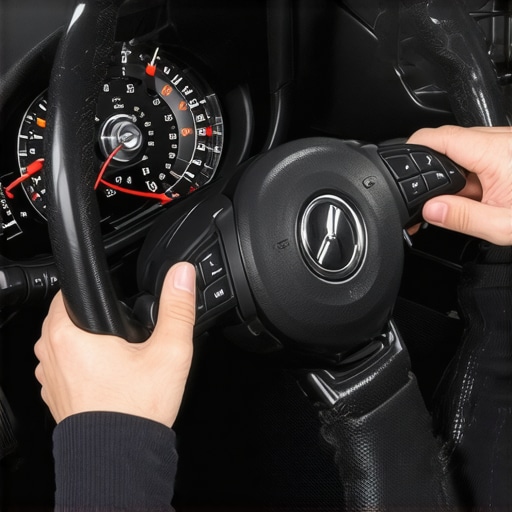
I was merging onto the highway when a truck decided my lane was his. I smashed the horn, expecting a loud blast, but I got nothing but silence. Then, as I steered away to avoid a collision, the horn suddenly blared for a split second. I felt like I was driving a prank car. It is one of those top signs your car needs expert auto repair now that makes you feel completely out of control. Today, I am showing you exactly why this happens and how to stop the steer-to-honk madness before it leads to a fender bender.
Your Steering Column Is Hiding a Secret
Most people think the horn is a simple wire, but it is actually part of a complex dance inside your steering wheel. I made the massive mistake of replacing my entire horn assembly early on, only to find out the real culprit was a part called a clock spring. This ribbon of wire allows your wheel to spin while keeping electrical contact. When it frays, you only get a connection at certain angles. It is similar to how the hidden ground strap that causes weird electrical ghosts can make your lights flicker; it is all about a broken circuit that is barely touching. I wasted two days of my life on parts I did not need because I did not understand this one component.
Is this repair actually worth the DIY struggle?
I get the hesitation. Messing with anything near the airbag feels like defusing a bomb. However, ignoring it is worse. According to the National Highway Traffic Safety Administration, a faulty clock spring can actually prevent your driver-side airbag from deploying in a crash. That is a terrifying thought just for the sake of a working horn. If your car is already showing signs that you need to maximize your cars lifespan with regular tune-ups, adding this to the list is non-negotiable for safety. Have you ever been stuck in a situation where your horn failed right when you needed it most? It is a gut-wrenching feeling that we are going to fix by identifying the root cause.
Prove it is the Clock Spring Before You Buy Parts
Most people jump to conclusions and replace the horn itself, but that is a waste of cash. Think of the clock spring like a coiled Slinky made of thin copper ribbons. Every time you turn the wheel, that Slinky expands and contracts. Eventually, the metal fatigues and snaps. To test this, turn your car on in a safe, quiet spot and slowly rotate the wheel from lock to lock while holding the horn button down. If the sound cuts in and out like a bad radio signal, you have found your ghost. It is a classic symptom, much like the one electrical fault that most mechanics misdiagnose as a dead battery—it looks like a power issue but it is actually a total continuity break. Checking this first prevents you from throwing money at a problem that does not exist.
Kill the Power or Risk an Airbag in the Face
Safety is not just a buzzword here; it is about keeping your face intact. You are working inches away from an explosive charge designed to save your life, but it can ruin your day if it goes off unexpectedly. Disconnect the negative battery terminal and wait at least 15 to 30 minutes. This allows the capacitors in the airbag system to fully discharge. I once watched a buddy skip this step on a project car, and the sheer anxiety of every metallic ‘click’ he made with his wrench made him sweat through his shirt. Do not be that guy. While you wait for the power to drain, use the time to look over your maintenance schedule. This downtime is a perfect moment to plan how to save money on your 100k mile service because you already have the interior panels partially disassembled. 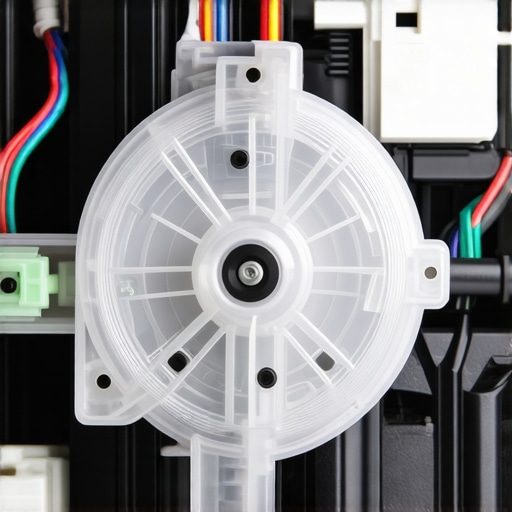
Pull the Wheel Without Losing Your Teeth
Once the airbag module is unscrewed and set aside—always place it face up on the ground so it does not become a projectile—you will face the center nut. This is where DIYers get hurt. I remember my first attempt on an old sedan; I loosened the nut, grabbed the wheel with both hands, and yanked with everything I had. When it finally popped off, the momentum caused me to punch myself square in the eye. Use a steering wheel puller. It is a cheap tool that saves you a trip to the dentist. If you have recently wondered why your steering feels loose after hitting a pothole, take a second to inspect the splines on the steering column for any signs of wear or rounding while the wheel is out of the way.
Swap the Ribbon and Realign Everything
The clock spring usually snaps into place with small plastic clips. The most important rule of the entire job is this: do not remove the plastic locking pin on the new part until the steering wheel is physically back on the column. That pin keeps the internal ribbon centered. If you accidentally spin the clock spring before installation, you will snap the internal wires the very first time you make a sharp U-turn. It is a delicate balance of mechanical alignment, much like the proper way to flush your power steering fluid where precision prevents secondary failures. Line up the manufacturer marks, click the new unit in, and reconnect your electrical harnesses. You are successfully moving from a car that is a safety hazard to a machine you can actually trust on the highway.
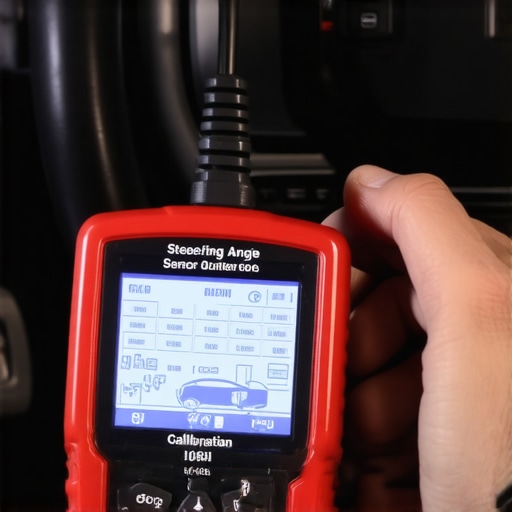
While you might feel like a hero for swapping that clock spring, there is a nuance that catches even seasoned DIYers off guard. Most people assume that once the mechanical part is swapped, the job is done. However, many modern vehicles integrate a Steering Angle Sensor (SAS) directly into the clock spring assembly. If you do not recalibrate this sensor, your car’s computer will think you are constantly in a slide, triggering the ABS or Traction Control lights. This is where a simple fix turns into a confusing dashboard nightmare. Most DIYers think a basic car service ends with an oil change, but ignoring these internal sensors is why many fail to follow essential car service tips for safe summer drives. Precision is everything when you are dealing with modern safety modules.
Don’t Let a New Clock Spring Kill Your Traction Control
The biggest trap is the ‘plug and play’ myth. Everyone says you just click the harnesses in and go, but in my experience, skip the calibration and you will be back under the dash within a week. When you remove the steering wheel, the SAS loses its ‘zero point.’ According to the National Institute for Automotive Service Excellence (ASE), electrical system failures are often misdiagnosed as component failures when the root cause is actually high resistance or calibration errors. If the car thinks the wheel is turned 10 degrees to the left while you are driving straight, it will try to ‘correct’ your path by braking individual wheels. It is a terrifying sensation that feels like a mechanical failure but is actually just a software mismatch. This is why you need to maximize your cars lifespan with regular tune-ups that include an OBD-II scan to ensure every sensor is talking to the central computer correctly.

Why do I need a computer to fix a mechanical steering wheel?
It feels like a scam, right? You replaced a physical part, yet the car is still mad. The reality is that modern steering systems are ‘fly-by-wire’ in terms of data. The computer needs to know exactly where that wheel is to manage stability control. If you find yourself in a position where the electronic gremlins won’t go away, it might be time to learn top signs your car needs expert auto repair now. Sometimes, a professional grade scan tool is the only way to reset the steering angle to zero. I’ve seen people spend $500 on parts and still have a car that feels unsafe because they missed this 10-minute software step.
The Hidden Cost of Ignoring Electrical Nuances
I see this same pattern in other areas of car care, like when owners believe the truth about lifetime gearbox fluids. The term ‘lifetime’ usually just means the lifetime of the warranty, not the actual longevity of your vehicle. Just as clock springs eventually fatigue, transmission fluid breaks down. If you are already doing heavy lifting on your car, understanding how transmission overhauls save you money in the long run can prevent a total mechanical collapse. Do not get caught in the trap of thinking a part is ‘good forever’ just because it is hidden behind a plastic panel. Much like knowing how to tell if a transmission shop is lying about a rebuild, being an informed owner means looking past the surface level fixes. Have you ever fallen into this trap of fixing one thing only to have a new light pop up on the dash? Let me know in the comments.
When I finally got my horn to work without a hitch, I realized that the mechanical swap was only half the battle. To really master this repair, you need the right digital arsenal. I personally swear by the Autel MaxiCOM or a similar bidirectional scan tool. Why? Because a standard $20 code reader won’t let you talk back to the car’s computer to reset the Steering Angle Sensor (SAS). If you are tired of looking at that traction control light, investing in a mid-range scanner is a game-changer. It is the same logic as knowing how to tell if a transmission shop is lying about a rebuild—having your own data means nobody can overcharge you for a five-minute software calibration. I also recommend a high-quality 1/2-inch drive torque wrench, like a Tekton or Precision Instruments, to ensure that center steering nut is tightened to the exact foot-pound specification. Over-tightening can crush the new clock spring, while under-tightening leads to that terrifying vibration that makes you wonder if the reason your steering wheel shakes only when you hit the brakes is actually a loose column.
The Tools That Actually Make This Job Possible
Beyond the scanner, you need a dedicated steering wheel puller set. I’ve seen guys try to use a hammer and a prayer, but that is how you end up with a bent steering shaft. A proper puller applies even pressure, popping the wheel off the splines without damaging the delicate aluminum threads. According to the Society of Automotive Engineers (SAE) J1939 protocol, data integrity between the steering sensor and the Electronic Stability Control (ESC) is paramount for vehicle safety systems. This means any physical play in the steering column can corrupt the data sent to the ECU. While you have the column open, it is the perfect time to investigate other interior rattles. I used my downtime to perform the 10-minute fix for a rattling passenger seat since I already had the tools out and the battery disconnected. Precision in these small steps is what separates a backyard hack from a professional-grade car service.
How do I keep my steering electronics from failing again?
Maintenance for a clock spring is mostly about habit. The biggest killer of that copper ribbon is ‘full-lock’ slamming. When you whip your steering wheel until it hits the mechanical stop with a loud clack, you are putting maximum tension on that internal wire. Over time, that snap-back action fatigues the metal. Try to stop just an inch before the full lock. Additionally, keep your cabin clean. Dust and grit that fall into the gap between the wheel and the shroud act like sandpaper on the plastic housing of the clock spring. This is one of those essential car service tips for safe summer drives that people often overlook. If you’re already under the car, take a moment to see how to tell if your ball joints are dangerously loose, because steering health is a top-to-bottom system. If your suspension is shot, the extra vibration will eventually kill your new electrical components too.
Where Steering Tech Is Heading Next
We are currently living in the twilight of the mechanical steering column. The trend is moving rapidly toward ‘Steer-by-Wire’ systems, where there is no physical connection between your hands and the tires. In these future setups, the clock spring as we know it will disappear, replaced by wireless induction or redundant fiber-optic loops. While that sounds high-tech, it means our current DIY skills will need to pivot more toward software and network diagnostics. For now, keeping your current rig in top shape is about the balance of mechanical care and electronic respect. If you want to ensure your car stays on the road for another decade, you need to maximize your cars lifespan with regular tune-ups that include checking these hidden electrical connectors. I challenge you to grab a multimeter this weekend and check your battery’s resting voltage; often, ‘phantom’ steering errors are just the result of a weak battery failing to power the sensors correctly during startup.
The Hard Truth About My Failed First Attempt
I learned the hard way that a steering wheel isn’t just a physical handle; it is a communication hub. My biggest lightbulb moment came when I realized that trying to save $40 on a generic clock spring resulted in a steering angle sensor that wouldn’t calibrate. It was one of those top signs your car needs expert auto repair now that I tried to ignore. I also discovered that sometimes the hidden ground wire that ruins your sensors can mimic a clock spring failure by cutting the horn’s path to the frame. Always check your grounds before pulling the airbag. Finally, never assume the steering wheel is straight just because the tires look straight—use a level or a centering tool to avoid snapping that new ribbon on your first test drive.
#IMAGE_PLACEHOLDER_E#
Tools That Actually Save Your Sanity
If you are going to dive into your steering column, don’t go in with just a screwdriver and a dream. I personally rely on AllData DIY for the specific wiring pinouts of my vehicle. Without a proper diagram, you are just guessing which wire triggers the horn and which one triggers the airbag. I also highly recommend a BlueDriver or Autel Bluetooth scanner. These tools allow you to perform a steering angle reset right from your phone, which is vital for keeping your traction control happy. Integrating these checks into your routine will help you maximize your cars lifespan with regular tune-ups and avoid the ‘parts cannon’ approach to repairs.
Drive Without the Fear of a Silent Horn
Fixing your own steering column is a massive milestone in your journey toward mastering auto repair. There is a specific kind of confidence that comes from knowing your safety systems are functioning exactly as the factory intended. You’ve moved past basic oil changes and into the heart of vehicle safety. As you wrap up this project, remember that maintaining these small electrical connections is just as important as the big mechanical parts. For more ways to keep your vehicle reliable through the changing seasons, check out these essential car service tips for safe summer drives. You’ve got the skills—now get back on the road and drive with peace of mind.
Did you run into any trouble getting your steering wheel back on straight, or did the clock spring swap go smoothly? Let me know in the comments!