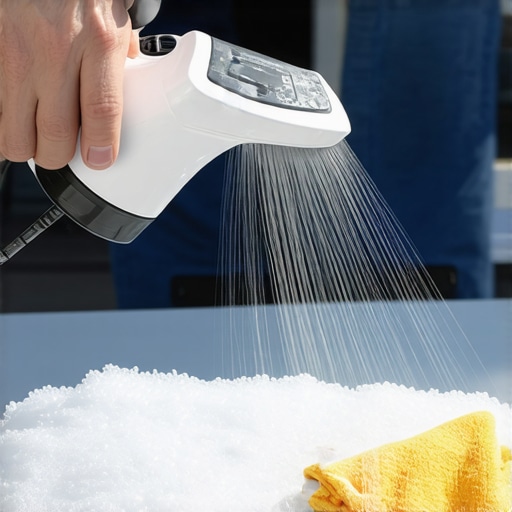
I still remember the smell of ammonia and the sting in my eyes when I tried to scrape the tint off my first 1998 sedan. I was young, impatient, and convinced that if it didn’t smell like a laboratory, it wasn’t working. I spent an entire Saturday afternoon hacking away at a sticky film that just wouldn’t budge, eventually scratching the glass and feeling like a total failure. If you’ve ever looked through your rearview mirror only to see a blurry, distorted mess of old adhesive, you know exactly the frustration I am talking about. Today, I am going to share the method that changed everything for me—a way to get your windows crystal clear without a single toxic drop of solvent.
Stop Poisoning Your Lungs for a Clear View
When I first started doing my own expert auto repair, I made the classic rookie mistake of thinking that stronger chemicals meant a faster job. I doused my interior in industrial cleaners, nearly ruined my upholstery, and still had to scrub until my knuckles bled. It was just as frustrating as trying to remove swirl marks from your paint by hand without the right technique—lots of wasted energy with very little to show for it. I eventually realized that the The secret that the pros use to avoid the mess is a simple handheld garment steamer. Think of the adhesive on your tint like a stubborn price tag on a new glass bowl; if you pick at it cold, it tears into tiny, frustrating pieces. But if you apply steady, moist heat, the bond softens and lets go. This method is just as essential for a clean finish as regular tune-ups are for your engine’s health.
Heat Beats Chemicals Every Single Day
You want to start by rolling the window down just an inch. This exposes the top edge where the film begins. Hold the steamer about two inches away from the glass and move it slowly across the top. You aren’t trying to boil the glass; you are just warming the adhesive until it reaches a gummy, pliable state. I once tried to rush this on a freezing January morning in my driveway. Because the glass was so cold and I hit it with high heat too fast, I heard a sickening ‘crack.’ It was a lesson learned the hard way: patience is cheaper than a new window. It is much like how essential car service tips for summer always emphasize cooling systems; you have to manage temperatures correctly.
Get the Steam Rolling
After about thirty seconds of direct steam, use your fingernail or a plastic scraper to catch a corner. Once you have enough to grip, pull gently. The goal is to keep the steam hitting the ‘V’ where the film meets the glass as you pull. If the tint resists, stop pulling and apply more steam. This isn’t a test of strength. It is more like a slow dance. Moving too fast will leave the glue behind, and then you are back to square one with the scrub pads. 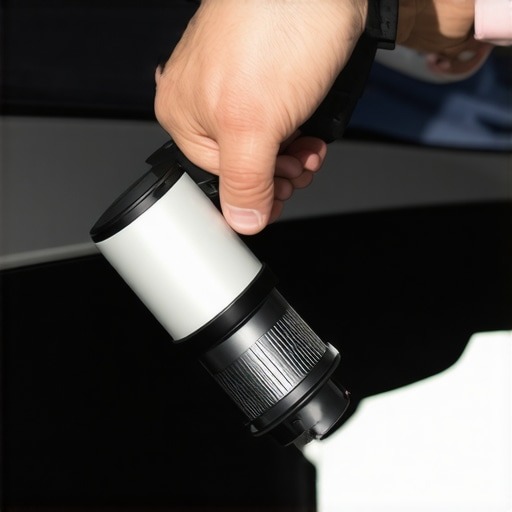
Watch Out for the Defroster Lines
The rear window is where most people panic, and for good reason. Those horizontal orange lines are your defrosters, and they are incredibly fragile. If you use a razor blade here, you’ll likely cut the circuit, and your rear defrost will be dead forever. Steam is the only safe way to go. Just like identifying a whistling noise at high speeds, you have to be observant. If you see the defroster lines lifting with the film, stop immediately. More steam, less force. I remember my first time doing a rear window; I was so nervous I was sweating more than the steamer itself. But by taking it slow, I saved myself from a massive glass replacement bill.
Clean Up the Goo Without the Headache
Even with the best steam technique, a little residue is inevitable. It often looks like a hazy, sticky ghost of the film you just removed. Instead of reaching for the ammonia, mix a heavy concentration of dish soap and water in a spray bottle. Use a brand that is known for cutting grease. Spray the window liberally and let it sit for a minute. Then, take a fresh microfiber towel and buff the glass in circular motions. The soap breaks down the softened adhesive without the toxic fumes. It’s a similar logic to clearing cloudy headlights; you want to work with the material, not fight against it. If you run into a particularly sticky patch, a little bit of isopropyl alcohol on a cloth will finish the job without making you dizzy or damaging your door panels. This is way safer than using a metal scraper, which could lead to scratches that require manual paint correction techniques if you accidentally slip and hit the trim.Cleaning up that leftover adhesive is a great feeling, but it is just the surface level of car care. If you really want to keep your ride on the road, you have to look deeper than the glass. Let’s talk about a much bigger haze: the marketing fluff surrounding modern car maintenance. I see it every week; a car comes in with shifting issues, and the owner is shocked because they were told the transmission fluid was ‘lifetime.’ Here is the uncomfortable truth: ‘lifetime’ usually just means the life of the manufacturer’s warranty, not the life of the car. In my years of providing expert auto repair, I have seen more gearboxes killed by this myth than by actual abuse. According to research by SAE International, transmission fluid begins to oxidize and lose its protective qualities once it consistently hits temperatures over 200 degrees Fahrenheit. If you are towing or driving in stop-and-go traffic, you are likely hitting those numbers every single day.
The Big Lie Behind Lifetime Transmission Fluid
The problem is that by the time you feel a physical slip or a hard shift, the internal damage is often already done. This is why the truth about lifetime gearbox fluids is so critical to understand for anyone planning to keep their car past 100,000 miles. Most people wait for a dashboard warning light, but your car won’t always tell you when the fluid has turned into a thin, watery mess. You have to be proactive. If you notice signs your transmission is silently overheating, like a faint burnt-toast smell after a long highway drive, you are already in the danger zone. I once had a client who ignored a slight delay in shifting because his dealership told him the car didn’t need service for a decade. By the time he hit 85,000 miles, his clutches were toast. That ‘free’ maintenance advice ended up costing him a five-thousand-dollar rebuild.

Is your transmission silently cooking itself?
The nuance that most beginners miss is that modern transmissions are far more sensitive to fluid viscosity than the old bulletproof four-speeds of the 1990s. The biggest ‘oops’ factor I see with DIYers is using a ‘universal’ fluid that claims to cover every make and model. It doesn’t. Using a fluid that is just a few centistokes off in viscosity can lead to solenoid failure or internal wear that you won’t notice for months. This is why you must maximize your car’s lifespan with regular tune-ups that respect OEM specifications. It isn’t just about the transmission either; the same logic applies to everything from your cooling system to your power steering rack. Skipping these nuances is how a simple Saturday service turns into a mechanical nightmare. However, catching these fluid issues early is how transmission overhauls save you money in the long run—by preventing the catastrophic failure that leads to a tow truck. Have you ever fallen into this ‘lifetime fluid’ trap? Let me know in the comments below.
Invest in the Right Diagnostic Arsenal
The difference between a casual hobbyist and someone who performs expert auto repair is often just the diagnostic interface. If you are serious about keeping your vehicle on the road for two decades, stop relying on those cheap $20 scanners that only give you generic P-codes. I personally use a bidirectional scanner because it allows me to command the car’s computer to perform specific tasks, like cycling an ABS pump or testing individual fuel injectors. This level of control is exactly how you maximize your car’s lifespan with regular tune-ups that actually address root causes rather than just swapping parts blindly. I’ve seen too many people waste hundreds of dollars on sensors when the real issue was a software calibration or a loose ground wire.

Beyond electronics, your physical tools need to be precise. I never touch a suspension bolt or an internal engine component without a high-quality digital torque wrench. Over-tightening a bolt is just as dangerous as leaving it loose, especially with modern aluminum components that strip at the slightest provocation. This is particularly true when you are working on the braking system; if you ignore torque specs, you might find that the truth about cheap aftermarket brake pads is only the beginning of your problems, as warped rotors or snapped caliper bolts often follow. According to the official service guidelines from ZF Friedrichshafen, the manufacturer of the widely used 8HP automatic transmission, the fluid should be changed every 100,000 kilometers or eight years, despite many car manufacturers claiming it is a ‘lifetime’ fill. Following the manufacturer of the part rather than the manufacturer of the car is the pro-level secret to longevity.
How do I maintain these high-tech systems over the long haul?
Consistency is the only way to avoid the ‘death by a thousand cuts’ that claims most high-mileage vehicles. I keep a physical logbook in my glovebox, tracking every fluid change and inspection. This is vital for essential car service tips for safe summer drives, where heat can accelerate the breakdown of even the best synthetic oils. Looking forward, the trend is shifting heavily toward ‘software-defined vehicles.’ In the near future, you won’t just be checking your oil; you’ll be managing complex thermal management systems for battery packs and calibrating ADAS cameras after a simple windshield replacement. Staying ahead means investing in your own knowledge as much as your toolbox. Understanding how transmission overhauls save you money in the long run by catching early friction material wear is just one piece of the puzzle. My advanced tip for you: next time you have your hood open, use a multimeter to check for ‘stray voltage’ in your coolant. If you see more than 0.1 volts, your coolant has become an electrolyte and is literally eating your engine from the inside out. Fix that, and you’ve already outpaced 90% of other owners.
Hard Lessons From the Back of the Shop
After two decades under the hood, I’ve realized that the most expensive car repairs aren’t usually caused by accidents, but by the quiet neglect of components labeled as lifetime parts. Here are the core truths I’ve gathered from years of trial and error. First, never ignore the manufacturer of the individual part. If the company that built your transmission recommends a fluid change, follow that advice regardless of what your owner’s manual says. Keeping things clean is also a massive advantage; it is much easier to spot the 15 dollar gasket that stops your persistent oil leak when the engine isn’t covered in a decade of grime. Finally, remember that patience is a tool. Whether you are steaming off old tint or trying to unstick a rusted bolt, the moment you feel the urge to use brute force is exactly when you should step back and apply more heat.
#IMAGE_PLACEHOLDER_E#
The Kit Every Serious DIYer Needs
You don’t need a professional garage to perform expert auto repair, but you do need tools that provide real data. I always recommend a bidirectional scanner for anyone serious about diagnostics; it takes the guesswork out of complex electrical issues. For those aiming for the long haul, studying the secret to longevity for high-mileage engines will change how you approach every oil change. I also rely heavily on digital torque wrenches to prevent stripped threads in modern aluminum blocks. If your odometer is climbing, knowing how to save money on your 100k mile service is the best way to keep your maintenance budget under control without sacrificing safety or performance.
Claim Your Spot in the High Mileage Club
Car ownership is a marathon, and the drivers who reach the finish line are the ones who pay attention to the details others miss. By mastering small skills like safe window tint removal and being proactive about fluid health, you are already protecting your investment. Don’t be afraid to dive into the technical side of your vehicle. Whether you are looking to maximize your car’s lifespan with regular tune-ups or simply cleaning up the interior, your consistency is what matters most. Your car is more than just transportation; it is a complex machine that rewards respect with years of reliable service. Have you ever caught a major mechanical issue early just by paying attention to a new sound or smell? Let me know in the comments below!