
There I was, standing in the rain with a lukewarm coffee in one hand and a useless key fob in the other. My old truck, which usually roars to life like a champion, was dead silent. When I finally popped the hood, the battery terminals looked like they had been swallowed by a radioactive cauliflower. That thick, blue-green crust is the silent killer of morning commutes, and it always seems to strike when you are already ten minutes late. I have been there, and I know the panic of thinking you need a $200 battery when you really just need a ten-cent box of Arm & Hammer from the pantry. Have you ever opened your hood and been genuinely shocked by the amount of gunk growing on your terminals?
Stop Letting Corrosion Leave Your Car Stranded
It is easy to ignore a little bit of white powder on your battery. We have all done it. But that buildup creates massive resistance, making it harder for your alternator to charge the battery and even harder for the starter to draw the power it needs. I learned this the hard way years ago when I tried to jump-start a car without cleaning the terminals first—I ended up melting a jumper cable clamp because the connection was so poor. If you are seeing weird electrical flickers in your dash, you might want to check for a hidden ground strap issue, but more often than not, it is just this crusty mess.
Does Baking Soda Actually Work or is it Just a Myth?
You might be skeptical. Why would a kitchen staple do what a $15 professional aerosol spray does? The science is actually pretty cool. Battery acid is, well, acidic. Baking soda is a base. When they meet, they neutralize each other instantly. It is not just a trick; it is chemistry. According to Battery University, a leading source for battery education, the gassing of sulfuric acid during charging is exactly what leads to this corrosive buildup in the first place. This simple reaction stops the acid from eating your terminals alive.
Save Your Cash for Better Car Upgrades
Most folks run straight to the local parts store and get talked into buying an expensive terminal cleaning kit. Honestly, do not do that. You probably have everything you need in your kitchen right now to handle this as part of a regular tune up routine. Keeping these connections clean is the easiest way to prevent those mystery no-starts. Sometimes what looks like a total battery failure is actually just one of those electrical faults most mechanics misdiagnose. Let us get your hands a little dirty now so your wallet stays full later. I am going to show you how to mix the perfect slurry and how to apply it without causing a short circuit.Before you touch a single bolt, grab a pair of gloves. Battery acid is no joke—it will eat through your favorite t-shirt before you even realize you have been splashed. You need a small cup, a box of baking soda, some warm water, and an old toothbrush. I remember the first time I did this on my old Jeep; I did not use gloves and spent the rest of the day with itchy, stinging fingers. I also made the mistake of using too much water, which sent the acidic runoff dripping onto my driveway, leaving a permanent white stain on the concrete. Do not be like me; work over a tray or some old cardboard.
Get Your Gear Together First
Most people skip the prep and end up making a mess. Aside from the kitchen supplies, you will need a wrench—usually 10mm or 13mm—to loosen the terminal clamps. While you are under the hood, this is a great time to maximize your cars lifespan with regular tune ups by checking for other issues like cracked belts or low fluids. This is not just about the battery; it is about the health of your entire electrical system.
Always Pull the Negative Cable First
This is the golden rule of auto repair. If you put your wrench on the positive terminal and accidentally touch the car’s frame, you will create a massive spark that can blow a fuse or melt your tool. Always disconnect the black (negative) cable first. Think of it like a safety buffer. If you are still having power issues after cleaning, you might need to learn how to find a parasitic battery drain with a simple multimeter to see if something else is sucking the life out of your battery overnight.
The Magic Slurry and the Scrub
Mix about two tablespoons of baking soda with a splash of water until it looks like runny toothpaste. Pour it directly onto the terminals. You will hear it hiss and see it bubble like a middle school science project. That is the sound of the acid being neutralized. Use the toothbrush to scrub the posts and the inside of the clamps until the metal shines like a new nickel. Do not be afraid to get into the crevices of the clamp. If the corrosion has traveled down the wires, be careful; a hidden ground wire that ruins your sensors can often be traced back to battery acid wicking up the insulation and eating the copper from the inside out. 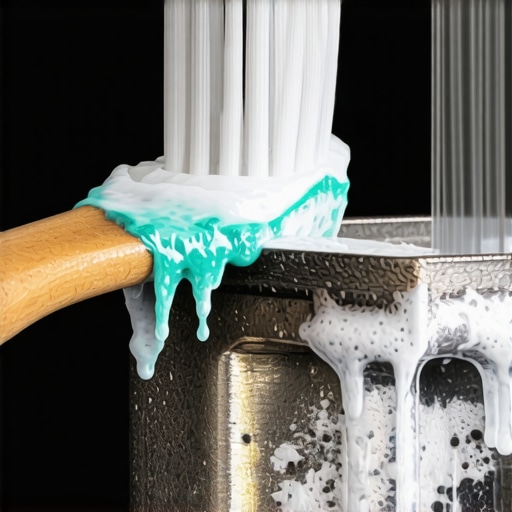
Rinse and Dry Like Your Life Depends on It
Once the bubbling stops, rinse everything with a little clean water to remove the leftover soda. Here is the part most people mess up: you have to dry it completely. Water conducts electricity, and leaving a damp connection can lead to the very one electrical fault that most mechanics misdiagnose as a dead battery. Use a clean rag or even a hair dryer if you are feeling fancy. Learning these small DIY tricks is the best way to how to save money on your 100k-mile service without paying shop labor rates. Finally, smear a thin layer of petroleum jelly on the terminals before reattaching them—positive first this time—to seal out moisture and stop the crust from coming back. This creates a barrier against the oxygen and gases that cause the buildup in the first place.But here is where most DIYers—and even some ‘pro’ mechanics—get it wrong. Everyone thinks that once the blue gunk is gone, the job is done. In reality, the physical connection is only half the battle. I see folks at the shop all the time who think tighter is better. They grab a long wrench and crank that 10mm nut until the terminal clamp is practically biting into itself. Stop doing that. Battery posts are made of lead, which is incredibly soft. Over-tightening doesn’t just risk stripping the bolt; it creates micro-cracks in the battery casing that allow acid vapors to leak out faster, starting the corrosion cycle all over again.
Stop Cranking Those Bolts Before You Snap the Lead
If you over-torque the clamp, you risk damaging the internal connection between the post and the plates. It is a contrarian view, but ‘snug’ is always better than ‘cranked.’ I have always argued that if you can’t twist the terminal by hand, it is tight enough. This applies to your battery and even your gearbox maintenance; people often think they do not need to check things until a light pops up on the dash, but by then, the damage is often done. This is why understanding the truth about lifetime gearbox fluids is so critical—manufacturers often prioritize ‘low maintenance’ labels over actual component longevity.
Why Does My Battery Keep Dying Even After I Clean the Terminals?
This is the million-dollar question. If you have scrubbed everything and you are still hearing a click instead of a crank, you might be dealing with internal sulfation or a parasitic load. Sulfation happens when lead sulfate crystals harden on the plates inside, often because the battery stayed at a low charge for too long. No amount of baking soda on the outside can fix a chemical failure on the inside. According to the Battery Council International (BCI), improper terminal torque and failure to address internal discharge are leading causes of premature battery failure in modern vehicles. 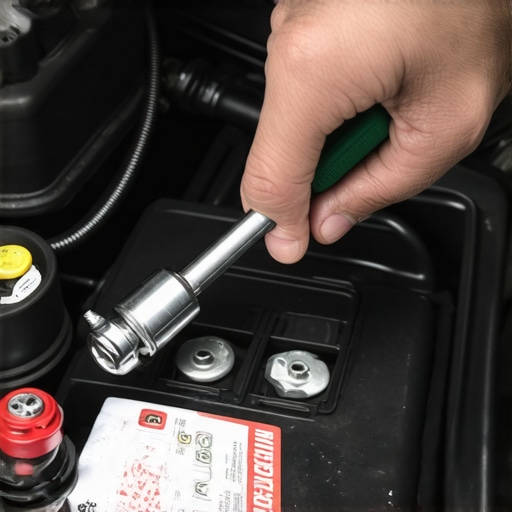
The Ground Strap Trap Most DIYers Ignore
Another trap people fall into is ignoring the ‘secondary’ connections. Your battery has a positive and a negative, but that negative cable eventually bolts to the engine block or the vehicle frame. If that ground point is loose or rusted, you will get the exact same symptoms as a dead battery, even with a brand-new unit. It is one of those one electrical fault that most mechanics misdiagnose as a dead battery. If you are still seeing ghosts in your electrical system, you may need to learn how to find a parasitic battery drain with a simple multimeter to see if a module is staying awake at night and killing your voltage. We often think of car maintenance in silos—battery, tires, oil—but everything is linked. For example, a struggling starter can pull too many amps and overheat your battery. To truly maximize your cars lifespan with regular tune ups, you have to look past the surface gunk and check the resistance of your cables. This is an essential part of knowing how to save money on your 100k-mile service without getting upsold on parts you do not need. Seeing the car as a complete machine, much like knowing how transmission overhauls save you money in the long run, prevents small electrical issues from becoming massive repair bills. Have you ever fallen into the trap of replacing a battery only to find out it was just a loose $2 wire? Let me know in the comments below.
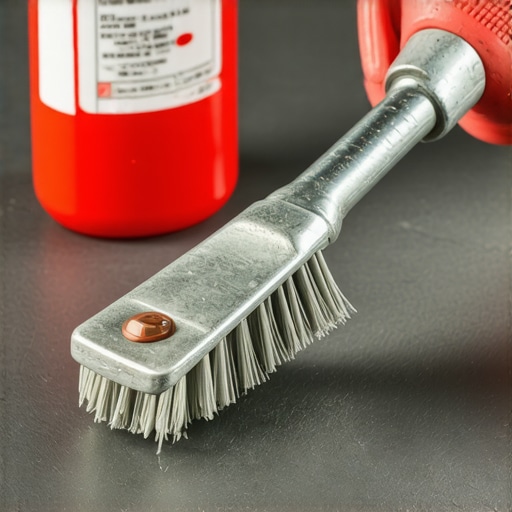
I’ve moved past the old toothbrush method for my serious projects. Nowadays, I swear by a dedicated 4-way battery terminal cleaner. It features a tapered wire brush for the inside of the clamps and a shrouded brush for the battery posts. Using the right tool ensures you are actually scoring the metal to create a low-resistance path, rather than just polishing the oxidation. While you are already focused on the engine bay, this is the perfect moment to ensure your other systems are functioning correctly. For instance, knowing the proper way to flush your power steering fluid can prevent that annoying morning whine and keep your steering rack from failing prematurely. It is all about stacking these small wins to avoid the top signs your car needs expert auto repair now.
Grab a Real Terminal Brush Instead of a Toothbrush
A toothbrush is great for the baking soda slurry, but it cannot bite into the lead. Professional brushes are made of stiff stainless steel that cuts through the toughest crust. If you are serious about your DIY game, you should also invest in a can of terminal protector spray. It’s usually a red, tacky film that seals the connection much better than petroleum jelly. This is especially important as we head into wetter months. If you ignore these basics, you might find yourself dealing with much bigger headaches, like a car that refuses to move. In fact, if your vehicle is acting up in other ways, you should investigate why your automatic transmission wont shift when cold to see if electrical issues or fluid viscosity are the real culprits.
How do I maintain my battery performance over time?
Consistency is the secret sauce. I make it a habit to check my battery every time I do an oil change. According to the SAE International J537 standard, which governs battery testing, even a slight discharge can lead to the formation of hard lead-sulfate crystals on the plates. To combat this, I recommend using a smart trickle charger if your car sits for more than a few days. This keeps the chemistry active and prevents the battery from ‘sulfating’ itself into an early grave. This level of attention is what separates a car that lasts 200,000 miles from one that ends up in the scrap heap. If you are looking at a major milestone, knowing how to save money on your 100k-mile service starts with these small, preventative DIY steps.
Modern Computers Make Battery Swaps Complicated
The trend in automotive engineering is moving toward highly integrated Battery Management Systems (BMS). In many modern German and luxury vehicles, you can’t just swap the battery and drive away; the car’s computer needs to be ‘told’ there is a new battery so it can adjust the alternator’s charging profile. Without this registration, the car might overcharge the new battery and kill it in six months. We are moving toward a future where a simple scan tool is as necessary as a wrench. To truly maximize your cars lifespan with regular tune ups, you have to embrace these tech-heavy requirements. Just as you’d research how transmission overhauls save you money in the long run, understanding your car’s specific electrical handshake is vital for long-term reliability. My advanced tip for you: next time you have the hood up, don’t just look at the battery—grab a multimeter and check the resting voltage across the terminals; if it’s consistently below 12.6V after sitting overnight, your battery is crying for a deep charge.
If you catch that voltage drop early, you save your alternator from working overtime.
What I Learned After Blowing a Main Fuse the Hard Way
I used to think speed was everything in a DIY repair. One morning, I rushed a terminal cleaning, skipped the negative-first rule, and watched a shower of sparks weld my wrench to the frame. That mistake cost me a fifty dollar main fuse and three hours of troubleshooting. Auto repair is ten percent turning a wrench and ninety percent patience. Don’t overlook the $10 relay that cures a mystery no-start just because you are focused on the heavy-duty parts. Corrosion is often a symptom, not just a nuisance; if it returns quickly, your voltage regulator might be pushing too much juice. Sometimes the hidden ground strap that causes weird electrical ghosts is the real culprit behind your power issues.
The Gear I Actually Keep in My Glovebox
You don’t need a massive toolbox for a basic car service. My personal kit includes a dedicated 4-way terminal brush because it scores the lead much better than a toothbrush. I also carry a small tube of dielectric grease—while petroleum jelly works, professional grease stands up to engine heat far better. For anyone serious about maintaining their vehicle, I highly recommend a basic digital multimeter; it is the only way to truly know how to find a parasitic battery drain without guessing. Lastly, remember that heat is a bigger battery killer than cold, so check your connections using essential car service tips for safe summer drives. #IMAGE_PLACEHOLDER_E#
Take Control of Your Commute Today
There is a unique sense of pride that comes from hearing your engine roar to life because of a ten-cent box of baking soda. You do not have to be a master technician to perform high-quality maintenance. By staying proactive and watching for the top signs your car needs expert auto repair now, you can keep your vehicle on the road for years to come. Your battery is the heart of your electrical system—keep it clean and it will take care of you. Have you ever tried the baking soda trick only to find out your battery was actually dead? Let me know your story in the comments below!