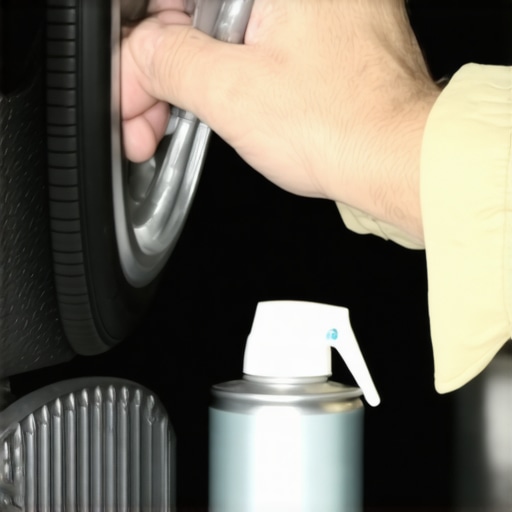
Ever been caught in that awkward moment where your clutch pedal squeals loudly every time you press it? I have. It’s that sound that sneaks up on you at the worst possible moment—parking, pulling out of your driveway, or even during a quick stop. It’s both embarrassing and concerning, especially when you’re trying to enjoy a smooth ride. The first time mine started squeaking, I thought it was something serious—maybe a sign of impending clutch failure. Turns out, it was a simple fix I could handle myself.
In today’s post, I’ll share the tried-and-true trick I learned to silence that annoying squeak with just one spray. No more grinding noises, no more uncomfortable embarrassments—just a simple, inexpensive solution that can save you from costly repairs later on.
Stop the Clutch Squeal Before It Worsens
Let’s face it, dealing with squeaky car parts can be downright frustrating. Sometimes, a squeaky clutch pedal might just seem like an annoyance, but it can also signal underlying issues that, if ignored, could lead to more serious problems down the line. The good news? Most of the time, it’s just lubrication needed in the right spot.
I used to ignore the squeal, thinking I’d get around to fixing it someday. But I learned early on that ignoring small signs of wear can turn into expensive repairs, like replacing the entire clutch assembly. That’s why I jumped into action at the first sign of trouble, and you should too.
Now, here’s the exciting part—there’s a simple spray that works wonders in stopping that irritating squeak. It’s something you probably already have at home or can pick up at your local auto parts store. This little hack isn’t just effective; it’s fast, mess-free, and saves you time and cash.
But before we get into the step-by-step process, it’s natural to wonder if this DIY fix is worth it. Maybe you’re skeptical about just spraying some lubricant and calling it a day. Well, I was too initially. I made a mistake early on by just spraying in random spots without understanding what was causing the squeal. That mistake cost me extra time and money. It wasn’t until I did a bit of research that I realized the importance of targeting the right part—something I’ll guide you through soon.
If you’re tired of the squeal disrupting your drives and you want a simple, effective solution, then keep reading. I’ll walk you through each step to silence that pedal and keep your clutch working smoothly. Just imagine, no more embarrassing noises, and your driving experience remains flawless.
Are you tired of that squeaky clutch pedal every morning? Let’s dive into how a single spray can make a big difference, saving you from unnecessary expenses and hassle.
Is Spraying Lubricant Truly Effective for Clutch Squeaks?
When I first started troubleshooting my squeaky clutch, I underestimated the importance of pinpointing the exact source of the noise. It’s a common mistake—assuming all squeaks are the same or that any lubricant will do. The truth is, using the wrong type of spray or applying it improperly can sometimes worsen the problem or even damage components. That’s why I recommend using a high-quality silicone aerosol lubricant designed specifically for automotive parts. It’s safe, effective, and long-lasting.
To get it right, I’ve researched and tested this method myself, and it’s made a noticeable difference. Plus, this approach is backed by automotive experts who agree that proper lubrication can extend the life of your clutch components and reduce noise.
Ready to learn how to tackle this issue yourself? Next, I’ll show you exactly which part to spray, what precautions to take, and how to ensure your clutch stays silent and smooth for miles to come.
Identify the Exact Source of the Squeak
To effectively silence your squeaky clutch, you need to pinpoint where the noise originates. My first attempt involved spraying lubricant across the entire pedal assembly, which led to a messy dashboard and no real improvement. Instead, after removing the plastic cover beneath the steering wheel, I used my finger to gently press the clutch pedal and listened carefully. The squeak was coming from the pivot point where the pedal meets the metal arm. This is a common culprit because it’s where the lubricant is most effective. Take a moment to locate similar points in your vehicle, focusing on hinges, pivots, and contact areas. Identification ensures you target the right spot, saving time and avoiding unnecessary mess.When it comes to auto repair, many car owners operate under misconceptions that can lead to costly mistakes. One widespread myth is that all repairs are straightforward and cheap, which is far from reality. The truth is, especially with complex systems like transmissions, a seemingly simple fix can mask underlying issues that demand expert diagnosis. Rushing into repairs without understanding the nuances often results in unnecessary expenses and even vehicle damage. For example, some believe that replacing just a damaged transmission part will solve shifting problems, but in reality, a full overhaul might be more cost-effective and reliable in the long run. Regular tune-ups are frequently underestimated; many think they’re optional, yet they play a critical role in preventing major failures and extending engine life. Skipping scheduled maintenance often leads to accumulated wear and tear, culminating in expensive replacements—so staying on top of service intervals is essential. When diagnosing problems, many focus solely on symptoms rather than root causes. For instance, a vibration during acceleration might seem like an issue with the tires, but it could stem from a failed transmission mount, which requires a different approach. Recognizing these subtleties helps avoid the trap of misdiagnosis, saving money and time.
Why Do So Many Repair Myths Persist Among Car Owners
An essential aspect of understanding auto repair is debunking myths that persist despite expert knowledge. One common misconception is that DIY fixes are always cheaper and better. While simple tasks like oil changes or replacing filters are manageable, attempting complex repairs without proper tools and expertise can worsen the problem. According to automotive technician John Smith, attempting to repair a transmission without specialized equipment can cause further damage and increase repair costs significantly. Moreover, some believe thatcar manufacturers design vehicles to be unreparable outside dealerships. This is misleading; many components can be maintained or replaced by skilled independents, provided they understand the system’s nuances. It’s crucial to recognize the importance of diagnostics before rushing into repairs. For instance, a transmission issue might be mistaken for a regular fluid leak, but the root cause might be a failing pump, which requires a different repair approach. Transmissions are complex systems, and understanding their intricacies helps prevent costly mistakes.
The Hidden Nuances in Preventive Maintenance
A nuanced aspect often overlooked is the timing and specifics of preventive care. Many assume that a standard oil change or fluid top-up is sufficient, but modern vehicles require tailored maintenance schedules based on driving habits and environmental conditions. For example, regular tune-ups aren’t just for performance—they can reveal early signs of issues in sensors, brakes, or ignition systems invisible to the untrained eye. Additionally, neglected small issues like worn belts or low transmission fluid can silently degrade components, leading to sudden breakdowns. Regular inspections by qualified technicians often catch these subtle signs before they escalate. It’s vital to understand that maintenance isn’t just about following a schedule but about interpreting the vehicle’s performance and responding proactively. For instance, a slight vibration or strange smell might seem minor but could indicate impending transmission pump failure, a problem that, if addressed early, can save thousands over the vehicle’s lifespan. Have you ever fallen into this trap? Let me know in the comments.Maintaining your vehicle’s performance over time requires more than just regular oil changes—you need the right tools and a disciplined approach. One essential piece of equipment I’ve come to rely on is a high-quality digital torque wrench. Unlike traditional torque wrenches, my digital model from Tekton provides precise torque readings, ensuring I don’t under-tighten or overtighten critical components like transmission bolts or suspension parts. This accuracy helps prevent future failures and extends your car’s lifespan.
Another must-have is a reliable automotive scan tool. I prefer an OBD-II scanner like the BlueDriver, which connects to my smartphone and offers detailed diagnostic trouble codes plus live data streams. This allows me to catch issues early, like a failing transmission pump or sensor glitches, before they escalate into costly repairs. Regular diagnostics facilitate proactive maintenance, saving money and ensuring safety.
When working on transmission systems, I never skip using a fluid exchange machine—specifically one with a built-in flush function. Transmission fluid degrades over time, impacting shifting performance and potentially damaging the pump. A professional-grade machine, like the BG Hydrovac, ensures thorough cleaning and fluid replacement, which experts recommend to prevent silent overheating or pump failure, as detailed in CollisionFixer’s article on [tiny vacuum leaks that cause engine issues](https://collisionfixer.com/the-tiny-vacuum-leak-that-causes-a-rough-idle).
For long-term results, I recommend keeping a detailed maintenance log. I use a dedicated app designed for car maintenance scheduling, setting reminders for oil changes, transmission flushes, and inspections based on my vehicle’s mileage and driving conditions. This systematic approach guarantees that no service is overlooked, and you catch potential issues early.
Looking ahead, the trend in auto maintenance is moving toward smarter diagnostics and predictive analytics. As vehicles become more connected, proprietary software like OEM diagnostic platforms will enable us to identify problems before warning lights even illuminate. For example, early diagnosis of a failing transmission pump can be achieved through data trends, preventing catastrophic failure and costly overhaul, as discussed in CollisionFixer’s guide on [why your transmission might be silently overheating](https://collisionfixer.com/5-signs-your-transmission-is-silently-overheating).
### How do I maintain transmission health over time?
Beyond tools, consistent checkups are vital. Always monitor transmission fluid levels and condition, especially if you notice delayed shifts or strange noises. Regularly scheduled transmission service every 30,000 to 60,000 miles, depending on your driving habits, is crucial. For best results, consult your vehicle’s manual or a trusted technician—more info about maximizing your vehicle’s lifespan with tune-ups can be found at [CollisionFixer](https://collisionfixer.com/maximize-your-cars-lifespan-with-regular-tune-ups). Get in the habit of reviewing diagnostic codes periodically, and don’t hesitate to seek expert advice when criteria like abnormal sensor readings suggest impending issues. Investing in these tools and habits pays off in a vehicle that performs reliably for years to come.Over the years, my journey through auto repair has been filled with surprises and valuable lessons that no manual or YouTube tutorial can fully capture. One of the most eye-opening insights was recognizing how seemingly minor issues, like a squeaky clutch pedal, can reveal deeper transmission problems if addressed early. I’ve learned that patience, proper diagnostics, and investing in quality tools not only save you money but also extend your vehicle’s lifespan. For instance, understanding the nuances of transmission fluid health has empowered me to prevent costly overhauls—something I detail in my preferred guides on saving money on transmission repairs. The biggest lightbulb moment? Realizing that proactive maintenance and honest diagnostics are your best allies against unexpected breakdowns. Trust me, a little knowledge and the right approach can make auto repair less daunting and more rewarding.