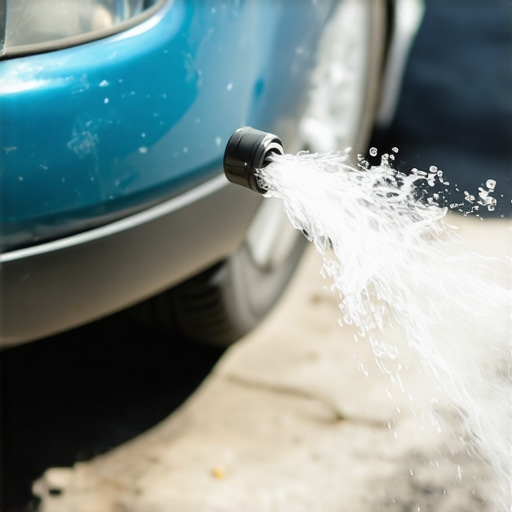
I remember that sinking feeling when I saw that unsightly dent marring my car’s sleek plastic bumper after a minor parking mishap. Frustration bubbled up—was I destined to spend hundreds at the shop? Or was there a simple solution I hadn’t yet discovered? That moment sparked my curiosity and led me down a surprisingly effective path involving what I had always ignored: hot water.
Rescue Your Car Bumper with Just Hot Water and a Little Know-How
If you’re like me, you’ve probably tried everything—whether it’s pushing, pulling, or even splurging on expensive fixes—and still, that pesky dent sticks around. But what if I told you that a common household item could be your secret weapon? That’s right: hot water. The idea is straightforward but surprisingly powerful. When plastic bumpers are slightly deformed, the heat from hot water softens the material, making it easier to manipulate back into shape. It’s a quick, cost-effective method that I kept hearing about from fellow car enthusiasts and eventually decided to test myself.
Is this really a game-changer, or just old wives’ tales?
Many doubt the effectiveness of such a simple trick. I was skeptical at first—who wouldn’t be? I also made the mistake early on of not properly preparing the area, which only made the dent worse. Trust me, I learned the hard way that patience and proper technique matter. Over time, I refined my approach, and now I can tell you with confidence that this method works like a charm for minor plastic dents. If you’ve faced similar frustrations, you’re probably wondering: does hot water really serve as a viable DIY fix? Well, let’s delve into the details and see how you can turn this into your go-to eco-friendly repair tool. And if you’re worried about damaging your car further, check out [this guide on signs your car needs expert repair](https://collisionfixer.com/top-signs-your-car-needs-expert-auto-repair-now) to stay on the safe side.
Prepare Your Workspace and Materials
Find a shaded, flat spot where you can work comfortably. Gather a bucket of boiling water, a pair of gloves to protect your hands, a plastic trim removal tool or a flat spatula, and a clean microfiber cloth. Ensure your car is parked securely with the engine off and cool to avoid any burns or injuries. Imagine you’re a craftsman getting ready for a delicate sculpture—preparation sets the tone for success.
Heat the Plastic and Softening the Dent
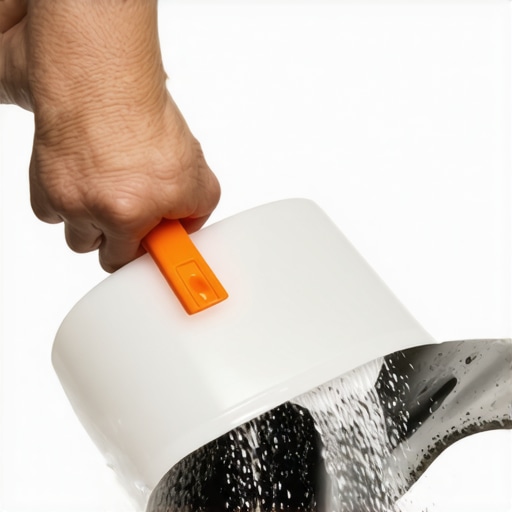
Pour the boiling water into the bucket. Carefully dip the microfiber cloth into the hot water, then wear the gloves. Test the temperature against your wrist to ensure it’s hot but not scalding. Gently pour the hot water directly onto the dented area, then use the cloth to apply more heat and soften the plastic. This step is like warming up dough before shaping—proper heating makes reshaping easier.
Timing is Key
Work quickly; the plastic cools and hardens within a few minutes. Keep the area warm by pouring hot water periodically. I recall trying to work on a stubborn dent, and I hesitated—by the time I returned with reheated water, the plastic had cooled, making the process harder. Staying prompt and consistent is crucial for a successful outcome.
Molding the Dent Back into Place
Once the plastic in the area is soft, gently push or massage the dent from behind using your fingers or the plastic trim tool. It’s similar to kneading playdough back into shape. For minor dents, a gentle push may suffice. Apply steady, even pressure, avoiding force that could crack the plastic. In my experience, patience is more effective than brute strength—press slowly and check progress frequently.
Using Leverage and Support
If the dent is stubborn, place a flat object like a wooden dowel or a sturdy spatula behind the bumper to provide support as you push from the outside. Think of it as giving your hand a better angle, much like a mechanic leveraging a pry bar. Be gentle to prevent additional damage, and always work from multiple angles if needed.
Cooling and Setting the Shape
After shaping the dent, pour cold water over the area to rapidly cool and set the plastic. This quick change in temperature helps the material solidify in its new shape. I once finished reshaping and impatiently poured cold water, only to see the dent reappear once the plastic cooled. So, be patient—after cooling, check the results of your work.
Repeat if Necessary and Finish Up
If the dent isn’t perfect, reheat and reshape as needed. For enhanced adhesion and a seamless finish, consider applying a plastic polish or wax once completed. Remember, this process works best for minor to moderate dents—deep or area-specific damages might require professional assistance. To keep your vehicle in top shape and avoid future surprises, regular inspections are essential; learn more at signs your car needs expert repair.
 When it comes to car maintenance, there’s a prevalent myth that simple fixes like oil changes and routine tune-ups suffice for all issues. However, as an auto repair expert, I can tell you that most vehicle problems are more nuanced than they appear. One common misconception is that transmission fluid always needs to be replaced on a fixed schedule, but in reality, knowing the specific condition of your transmission fluid is critical; premature or unnecessary fluid changes can do more harm than good, which is supported by studies from automotive engineering sources that highlight the importance of condition-based maintenance here. Moreover, many believe that a “tune-up” is just an oil change, but a true tune-up involves comprehensive diagnostics, including checking spark plugs, filters, and sensors—neglecting these can lead to reduced fuel efficiency and increased emissions. An advanced mistake I see often is overlooking the significance of calibration after repairs; for example, failing to recalibrate sensors post-collision repair can result in ongoing issues that are costly to fix later. Additionally, there’s a tendency to ignore small warning signs, inadvertently risking bigger failures, such as ignoring dashboard warning lights. Regular inspections and understanding your vehicle’s specific needs are vital, especially when you notice signs like strange noises or performance drops. For instance, sensors like the ABS or traction control have embedded diagnostics; ignoring their alerts could compromise safety—more reasons to stay vigilant. To avoid these common pitfalls, always consult with certified professionals who understand the complexities of modern vehicles and keep abreast of the latest repair techniques. Remember, the hidden nuances in auto repair can save you money and extend your vehicle’s lifespan. Interested in deepening your knowledge? Check out how regular tune-ups can prolong your car’s life and avoid costly surprises. Have you ever fallen into this trap? Let me know in the comments.
Mastering Maintenance with Precision Tools
Keeping your vehicle running smoothly over the years demands more than just basic knowledge—it requires specialized tools that ensure quality and safety. I personally swear by a high-quality digital multimeter, like the Fluke 115, for diagnosing electrical issues. Its accuracy helps me quickly identify faulty sensors or dead circuits, saving time and preventing unnecessary replacements. For dealing with transmission troubleshooting, I rely on a professional-grade scan tool such as the Autel MaxiCOM. It provides comprehensive codes and live data, giving me the insights needed to assess complex problems accurately. Using reliable diagnostic equipment is crucial because relying solely on generic code readers often leads to missed nuances, which can compromise long-term performance. Predicting future trends, I believe the integration of AI-driven diagnostic systems will become a standard, further honing precision in auto repair.
How do I maintain tools and systems over time?
Regular calibration of diagnostic devices is essential to maintain their accuracy. I schedule annual calibrations with authorized service providers to ensure my equipment remains precise. Additionally, keeping software up to date—especially for advanced scan tools—is vital, as automotive systems evolve rapidly. Proper storage is another critical factor; I keep my tools in a climate-controlled environment to prevent corrosion and damage. Investing in durable cases, like Pelican cases, protects sensitive electronics when transporting them between jobs. Furthermore, documentation of tool maintenance and calibration helps in tracking performance and scheduling timely replacements or repairs, ultimately ensuring consistent accuracy and efficiency.
Embracing Long-Term Maintenance to Extend Vehicle Life
Implementing a structured maintenance schedule centered around condition-based checks can dramatically enhance your vehicle’s lifespan. For instance, monitoring transmission fluid condition—not just replacing it on a fixed schedule—can prevent costly overhaul down the line. I recommend using a hydrometer to test transmission fluid’s clarity and viscosity, a step that guides whether a fluid change is timely. Regular inspections of belts, hoses, and filters are vital for early detection of wear. For this reason, I personally perform visual assessments every 6,000 miles and supplement with diagnostic scans. Over time, these practices help in identifying issues before they escalate, saving both money and stress. Most importantly, always stay informed about manufacturer updates and recall notices, which often provide guidance on improving vehicle longevity.
Scaling Up Your Repair Capabilities
If you’re considering expanding your auto repair setup, investing in an advanced repair bench equipped with an arbor press, hydraulic jacks, and precision gauges is worthwhile. This allows handling more complex tasks like suspension rebuilding or transmission servicing in-house, reducing reliance on external shops. Additionally, adopting software automation tools like RepairQ can streamline scheduling, parts inventory, and customer management, making your operation more scalable. As the industry progresses, integrating 3D modeling and virtual diagnostics can further speed up repairs and enhance accuracy. According to industry experts, such as those cited in automotive engineering studies, embracing technological advancement is key to future-proofing your repair shop.
Ready to elevate your auto maintenance game?
Try implementing a comprehensive diagnostic routine with a quality scan tool and dedicate time to calibrate your equipment regularly. Doing so can improve repair precision and help maintain your vehicle in peak condition. Remember, proactive maintenance and the right tools aren’t just for pros—they’re accessible steps that make a real difference. If you’re eager to learn more about advanced car service techniques, visit essential maintenance tips. Don’t wait for problems to arise—taking control today ensures your vehicle’s health for miles to come. Want expert guidance? Reach out via our contact page and keep your car running longer and stronger.
Lessons That Changed My Approach to auto repair,transmission,collisionfixer,tune up,car service
- Patience beats force—sometimes a gentle touch and a bit of heat can solve what seems impossible at first.
- Preparation is everything—taking time to gather the right tools and workspace can make or break a repair.
- Never underestimate the power of continuous learning—every mistake is an opportunity to improve and avoid future pitfalls.
- Understanding your vehicle’s nuances saves money—knowing when to DIY and when to seek professional help is key.
- Sharing experiences accelerates growth—connecting with fellow enthusiasts revealed tips I wouldn’t have discovered alone.
My Toolbox for Auto Repair Success
- High-quality diagnostics tools like the Fluke 115 multimeter ensure accurate electrical troubleshooting.
- Reliable scan tools such as the Autel MaxiCOM provide comprehensive insights into complex issues.
- Knowledge-rich resources like regular tune-up guides keep my skills sharp.
- A sturdy workspace setup, including organized tool storage, keeps me efficient during projects.
Ignite Your Passion for Vehicle Care
Taking control of your auto repairs can be empowering and cost-effective. Embrace the learning curve, invest in quality tools, and stay curious—it’s rewarding to see tangible results from your efforts. Remember, every expert was once a beginner, and with patience and dedication, you can keep your vehicle in top-notch condition. Ready to roll up your sleeves and tackle your next car project? Share your experiences below or ask questions—let’s learn and grow together in this auto repair journey!