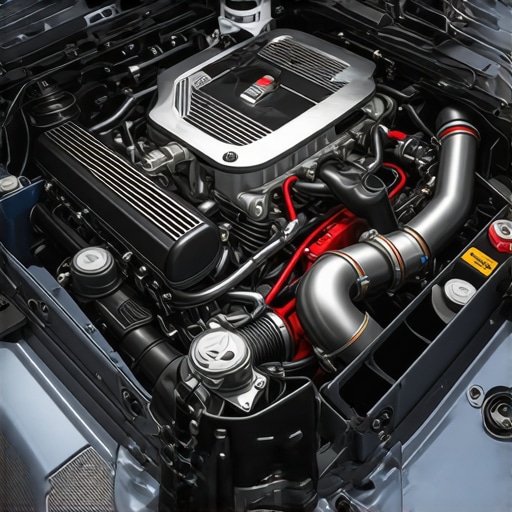
Have you ever been patiently waiting at a red light, only to have your car suddenly sputter, struggle, and then stall right as the light turns green? That frustrating moment where your vehicle seems to betray you without warning. I remember the first time it happened to me—fuming and puzzled, I thought perhaps it was just a rough day for my engine. But as I dug deeper, I uncovered a sneaky culprit: a hidden vacuum leak. It’s a problem that’s more common than you might think and often flies under the radar, causing headaches for drivers who just want their cars to run smoothly.
Uncovering the Quiet Saboteur Beneath the Hood
What’s really going on when your car stalls at stoplights? Well, it all comes down to how your engine breathes. A vacuum leak essentially lets extra air into the engine’s intake without going through the air filter—disrupting the delicate mixture of air and fuel needed for smooth operation. When this happens, your engine struggles to maintain idle, and the stalling at lights becomes a frustrating routine. The tricky part? These leaks are often tiny and hard to spot. They hide in hoses, gasket connections, or even tiny cracks in vacuum lines, making them easy to overlook during routine maintenance.
I learned this the hard way. Early on, I replaced my spark plugs, checked my fuel system, and even considered a new throttle body. Yet, the stalling persisted. It wasn’t until I took a close look at my vacuum hoses that I found a tiny crack in one line—no bigger than a hair, but enough to throw off the engine’s rhythm. That’s when I realized how a small leak can cause big trouble, especially when your engine relies on precise air-fuel ratios. And here’s a little-known fact: according to industry experts, vacuum leaks are responsible for roughly 15% of engine performance issues, yet many drivers remain unaware of this sneaky problem.
Now, if you’re like me, you’re probably wondering: “Could I have a vacuum leak causing my car to stall?” If you’ve faced similar struggles, don’t worry. I’m here to guide you through the process of diagnosing and fixing this issue before it turns into a costly repair or leaves you stranded unexpectedly. Next, I’ll walk you through the telltale signs, simple inspection techniques, and expert tips to handle a hidden vacuum leak. Trust me, once you identify and seal that tiny leak, you’ll enjoy smoother stops and starts, and maybe even a few less grey hairs!
Inspect Vacuum Hoses for Hidden Cracks
Start by locating the vacuum lines running from your intake manifold to various engine components. Use a flashlight to examine these hoses closely. A crack or tiny hole often appears as a faint split or a sticky residue around the line which indicates leakage. I once found a slit in a hose behind the engine bay after feeling a slight hissing noise. Replacing the damaged hose restored smooth idling and eliminated stalling issues.
Perform a Vacuum Test Using a Gauge
Attach a vacuum gauge to a vacuum port on the intake manifold. Start your engine and observe the readings—normal vacuum levels typically range between 17-21 inHg. If the gauge shows fluctuating or low pressure, it signals a leak. I connected a gauge and saw the needle fluttering, which pointed me toward a leaking gasket. Seal or replace the faulty component using high-quality parts for a lasting fix.
Listen for Hissing Sounds During Idle
Warm up your engine and listen carefully around the intake manifold and vacuum lines. A hissing sound often reveals the leak’s location. I used a length of rubber hose as a stethoscope, pressing different sections to my ear, and pinpointed the noise to a cracked gasket. Once replaced, the engine ran smoothly and stalled no more at lights.
Use Soapy Water to Detect Leaks
Spray a mixture of soap and water onto vacuum lines while the engine is running. Look for bubbling at the leak site, which indicates escaping air. This simple trick helped me quickly identify a tiny crack in a vacuum hose that was invisible to the naked eye. Fixing it made a significant difference in engine stability and fuel efficiency.
Seal Small Leaks Effectively
For minor cracks, using a specialized rubber or silicone vacuum line sealant can temporarily patch the leak. But for long-term durability, replace damaged hoses or gaskets entirely. During a recent repair, I cut out the cracked section of a hose and installed a new one with clamps, restoring proper vacuum levels. This step ensures your engine breathes cleanly, preventing stalling and rough idling.
Double Check After Repairs
After fixing the leak, reattach the vacuum gauge or repeat the soap water test to confirm the problem is resolved. Also, clear any stored trouble codes using an OBD-II scanner and test drive your vehicle. I learned that verifying the fix prevented a return trip to the shop, saving time and money. Consistently monitoring your vacuum lines can keep your engine running smoothly and prevent future issues.
When it comes to tune-ups, transmission work, and general auto repair, many car owners operate under assumptions that can lead to costly mistakes. Contrary to popular belief, not every perceived symptom requires a complete overhaul, and some advice favored by the masses may actually do more harm than good. Let’s explore some nuanced truths that experts recognize, often overlooked by casual car owners.
Why Routine Maintenance Isn’t Just a Box to Check
One common myth is that a tune-up is a one-and-done fix that will keep your engine running forever. In reality, modern vehicles require more precise maintenance schedules based on specific usage patterns and environments. Over-tuning without cause can even wear out components prematurely, especially when performed based on a vague ‘every X miles’ rule instead of manufacturer recommendations. For example, irregular oil changes or unnecessary fuel system cleaning might do more harm than benefit, highlighting the importance of tailored maintenance plans.
The Hidden Dangers of Common Auto Repair Myths
Many drivers believe that the transmission should only be serviced or rebuilt when it completely fails. This misconception can lead to neglecting subtle warning signs, such as delayed shifting or slipping, which actually point to developing issues. Regular transmission fluid analysis can detect early signs of wear, preventing costly overhaul jobs down the line. Ignoring these nuances often results in a crisis rather than a planned repair, especially considering that transmission fluid color and condition offer crucial insight into transmission health.
How Many Stopgap Fixes Can Backfire
Quick fixes like using over-the-counter sealants or temporary fix sprays might seem like a lifesaver, but they often delay proper repairs and mask underlying issues. An example: sealing a small leak with a patch without addressing the root cause can lead to bigger engine problems later, including electrical glitches or engine damage. True long-term reliability demands a comprehensive diagnosis, not just band-aid solutions. The importance of thorough inspections cannot be overstated.
What Advanced Drivers Kept Hidden From You
For those seeking deeper insight, understanding the complexities of a transmission’s hydraulic systems and sensor feedback can transform your approach from reactive to proactive. Experts suggest that subtle vibrations, inconsistent shifting patterns, or delayed responses are early warnings of wear that, if caught early, can be managed with precise maintenance instead of costly replacements. This proactive stance saves money and extends vehicle lifespan—just as proper summer driving tips emphasize preventive care over emergency repairs.
Have you ever fallen into this trap? Let me know in the comments! The key to smarter car ownership lies in understanding these nuances and resisting the urge to accept oversimplified advice. For a comprehensive look at how to maximize your car’s longevity, visit our detailed guide, and always consult with professional technicians who understand these intricate details better than generic tips alone.
Tools I Recommend for Reliable Car Care
When it comes to maintaining your vehicle, having the right tools can make all the difference. I personally swear by a high-quality digital multimeter because it helps me quickly diagnose electrical issues like a failing sensor or a blown fuse without guesswork. For vacuum leak detection, I rely on a smoke machine, which effectively reveals hidden leaks that are invisible to the naked eye.
For ongoing maintenance, I use a diagnostic scan tool compatible with my vehicle, allowing me to clear error codes and monitor sensor health in real-time. This proactive approach keeps me ahead of potential issues, saving money and preventing breakdowns. Investing in a reliable OBD-II scanner can empower you to make informed decisions during routine checks and understand the actual health of your car’s systems.
Why Regular Checks Keep Your Car in Top Shape
Routine inspections using these effective tools help identify problems early, especially as vehicle components age or after long drives. For instance, regularly testing your vacuum lines with a vacuum gauge ensures that tiny leaks don’t escalate into stalling or rough idling, common issues that many overlook. Staying vigilant with diagnostic tools allows you to schedule repairs before minor flaws turn into costly repairs.
How do I maintain my vehicle’s performance over time?
Consistent use of specialized tools, coupled with scheduled service like regular tune-ups, keeps your car operating at peak performance. Catching issues early through targeted diagnostics is becoming increasingly vital as vehicles incorporate advanced electronics and sensors. Additionally, leveraging software updates and staying informed about manufacturer recalls via official privacy policy notices ensures your car benefits from the latest fixes and improvements. Moving forward, I predict that integrating affordable, user-friendly diagnostic tools with digital apps will become the norm, enabling even novice owners to maintain their cars with confidence.
Why not try using a multimeter on your vehicle’s electrical system today? Performing simple tests can reveal underlying issues before they lead to breakdowns, fostering a proactive maintenance mindset that extends your car’s lifespan and keeps you safe on the road. Remember, consistent checks and maintenance are the keys to keeping your car running smoothly for years to come.
Throughout this journey into auto repair and maintenance, I’ve come to realize that a proactive mindset isn’t just beneficial—it’s transformative. The insights about vacuum leaks, the myths surrounding routine tune-ups, and the importance of using the right diagnostic tools emphasize one core truth: knowledge is your best shield against unexpected breakdowns. When I first discovered the tiny crack in my vacuum hose, I thought it was a small issue—but it turned out to be a pivotal lesson in attentive car care. Embracing this level of awareness has saved me from costly repairs and countless roadside frustrations. Remember, the small details often carry the biggest impact, and staying curious about your vehicle’s whispers can make all the difference in maintaining a reliable ride.