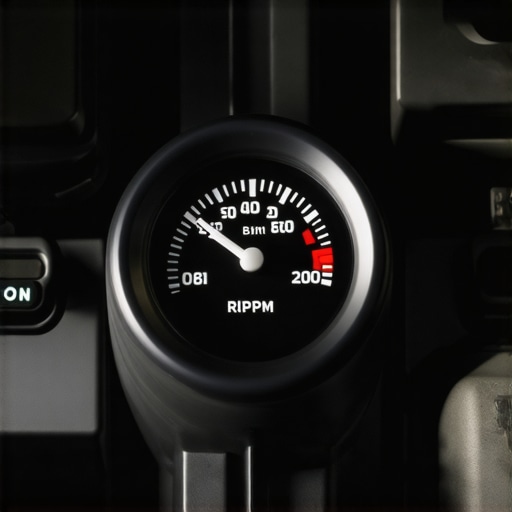
I’ll never forget that frustrating day when I was out for a cruise, feeling pretty good about the tune-up I just did, and suddenly my car refused to go beyond 3000 RPM. It felt like hitting a wall every time I pressed the gas pedal a little harder. That lightbulb moment made me realize—something’s definitely not right, and ignoring it could lead to bigger problems down the road.
Don’t Let This Strange Limitation Ruin Your Drive
If you’ve ever experienced your car abruptly refusing to rev past a certain RPM, you’re not alone. This issue can be a major headache, especially when you’re trying to accelerate onto the highway or merge into traffic. But here’s the thing: understanding why this happens is key to fixing it and preventing it from recurring.
Is Your Car’s Limitation Actually Worth the Hype?
Now, I used to think that such rev restrictions were just minor hiccups or quirks, but I learned the hard way that they often point to underlying problems. Early on, I made the mistake of ignoring that persistent hesitation, assuming it was just a minor sensor glitch. Trust me, that was a mistake. Addressing the root cause early can save you a lot of money, time, and stress. For more about keeping your ride smooth and safe, check out essential car service tips.
Detangling this mystery involves a bit of sleuthing, but I promise, the fix is often straightforward once you know what to look for. Let’s get into how to identify and correct the common causes that keep your car from reaching its full potential.
Inspect Your Air Intake System Carefully
Start by opening the hood and examining the air intake components. Remove the air filter to check for dirt or clogs that could restrict airflow, similar to how a clogged straw limits your drink. I once found a small leaf lodged in the filter housing, causing my engine to struggle beyond 3000 RPM. Replacing the filter or cleaning the intake can restore proper airflow, ensuring your engine breathes freely and revs fully.
Check for Vacuum Leaks that Sabotage Performance
Next, listen for hissing sounds around hoses or use a soapy water spray to detect leaks. A tiny vacuum leak acts like a pinhole in a garden hose—reducing power without obvious damage. I found a cracked vacuum hose near the throttle body after my own car started hesitating under acceleration. Sealing or replacing these hoses can eliminate unwanted restrictions and let your engine perform at its best.
Test and Clean the Throttle Body
Remove the throttle body and inspect for carbon buildup, which can act like a blanket over your engine’s mouth—limiting airflow and causing rev restrictions. I used a throttle body cleaner and a soft brush to scrub away deposits, similar to cleaning a dirty filter. Once reinstalled, I noticed a smoother throttle response and full rev capability returned. Regular cleaning keeps carbon from choking your engine’s performance.
Check the Transmission and Clutch Connection
If your car is manual, a slipping clutch can prevent engine revs from translating into wheel movement. In my experience, a worn clutch slips before fully engaging, stopping revs from translating into acceleration. Testing the clutch’s grip by hand or during a test drive can reveal its condition. If slipping occurs, replacing the clutch ensures your engine’s efforts aren’t wasted and boosts overall driveability.
Diagnose the Fuel System for Blockages
Fuel injectors deliver the fuel needed for high revs. Dirty or clogged injectors are like clogged straws—limiting the fuel flow and capping RPMs. I used a fuel injector cleaning kit, which refines spray patterns and restores power. A clean fuel system means the engine gets exactly what it needs to perform at its peak.
Scan for Hidden Errors with a Diagnostic Tool
Modern cars have onboard diagnostics that can reveal underlying issues lurking behind the scenes. Using a code reader, I found a misfiring sensor that was silently limiting the engine. Clearing codes and addressing issues like faulty sensors or ecu glitches can remove the invisible barriers preventing full revs.
Explore Other Mechanical Checks
Inspect belts and pulleys, especially the serpentine belt, which drives critical components. A worn or slipping belt reduces system performance, similar to a slipping clutch. Replacing worn belts keeps everything running smoothly, allowing the engine to reach its designed RPMs.
When Should You Call a Professional?
If after these steps your car still refuses to go beyond 3000 RPM, it’s time to seek expert help. Diagnostic tools can pinpoint subtle issues unheard or unseen during DIY checks. A professional can perform a more detailed analysis, including transmission and engine management systems, ensuring no stone is left unturned. You can find trusted repair shops to help solve complex problems, but always remember that regular maintenance and early detection are your best allies in preventing such frustrations.
By systematically checking these areas, you can often restore your engine’s full rev range and enjoy a smoother, more powerful drive. Don’t forget, routine inspections like [regular tune-ups](https://collisionfixer.com/maximize-your-cars-lifespan-with-regular-tune-ups) are the foundation of a reliable car. Keep your ride in top shape, and it will keep responding to your demands without limitations.
Many car owners believe that just changing the oil and replacing spark plugs constitutes a proper tune-up, but in reality, this simplistic view overlooks the complexity and Nuance of vehicle health. **A true tune-up involves a comprehensive assessment of various systems**, including the fuel injection, ignition, exhaust, and transmission components, which are often ignored by DIY enthusiasts or quick-service shops. Relying solely on basic maintenance can lead to overlooked issues, such as subtle sensor failures or transmission wear, that gradually erode vehicle performance over time. For example, a faulty sensor might cause the engine’s ECU to limit power output, mimicking a rev limiter or transmission slip, which can be mistaken for minor issues without proper diagnostic tools. This is a mistake many make, leading to costly repairs or unsafe driving conditions. **Understanding the intricacies of your vehicle’s systems and addressing root causes is what sets expert auto repair apart from common practices.**
Is Your Car Actually Getting the Care It Needs Beyond Basic Checks?
Many owners fall into the trap of believing that regular oil changes are sufficient to keep their vehicles in prime condition. However, comprehensive maintenance, such as inspecting transmission fluid health, checking for hidden vacuum leaks, or ensuring the cooling system is functioning optimally, is often neglected. Studies have shown that neglecting these unwatched areas can result in increased wear and tear, ultimately reducing engine lifespan and fuel efficiency. Professional services like proper car service involve detailed diagnostics that go beyond the surface. Remember, a well-maintained vehicle not only performs better but also proves safer and more reliable in the long run. So, next time you schedule maintenance, ask yourself: Am I addressing the full spectrum of vehicle health or just the basics?
Beware of the Pitfalls in DIY Repairs and Quick Fixes
One common myth is that all auto repairs are straightforward and can be done with limited tools and knowledge. This misconception can lead to severe mistakes, such as improperly tightening transmission bolts or incorrectly reassembling the cooling system, which may cause leaks or component failures. An inventory of DIY mishaps reveals that many car owners inadvertently introduce new issues while trying to fix old ones, especially when they overlook manufacturer torque specifications or neglect system calibration. **The ‘oops’ factor** here is underestimating the complexity of modern vehicles equipped with electronic controls and sensors. Consulting with experts or using reputable guides can prevent these costly errors. For more advanced insights, understanding how transmission overhauls pay off is crucial, which you can learn more about at transmission overhaul benefits. Don’t let a false sense of DIY confidence compromise your safety or your car’s longevity. Do you fall for the myth that simple fixes are enough? Share your experiences in the comments!
Investing in the Right Equipment for Efficient Maintenance
To keep your vehicle running smoothly over the years, having a set of reliable, high-quality tools is essential. I personally rely on a digital scan tool like the OBD-II scanner because it allows me to quickly diagnose engine codes, reset warning lights, and monitor real-time data. For example, when my check engine light came on unexpectedly, a quick scan revealed a faulty sensor, preventing a costly drive to the mechanic. I also recommend investing in a decent torque wrench because proper tightening prevents future mechanical failures and ensures safety, especially during transmission or suspension work. These tools, combined with a comprehensive service manual, streamline the repair process and save money in the long run.
Software Solutions That Simplify Long-Term Care
Modern vehicles benefit immensely from advanced diagnostic software. I use programs like FORScan for Ford and Mazda models because it offers deep access into control modules for maintenance and calibration, something generic scanners can’t provide. This software helps me monitor transmission fluid temperature, check specific sensor statuses, and log data for trends—which is crucial for preemptive repairs. Regularly updating these tools and software ensures compatibility with new vehicle models, preparing you for future challenges on the road. Predictive analytics and remote diagnostics are becoming the norm, making routine maintenance less of a chore and more of a proactive strategy.
How Do You Maintain Your Tools and Software Over Time?
Maintaining your diagnostic and repair tools is as important as the tools themselves. Keep your scanner batteries charged, calibrate your torque wrench periodically, and update software to the latest versions to maximize accuracy and security. I also recommend storing your tools in a dedicated toolbox, avoiding exposure to moisture and extreme temperatures, which can degrade them over time. These small steps ensure your equipment remains reliable and effective in diagnosing issues early. Regular maintenance of your tools prevents misdiagnoses and ensures your repairs are precise, saving you money and hassle.
The Future of Auto Repair Equipment and Software
Looking ahead, the integration of artificial intelligence and machine learning in diagnostic tools promises even greater precision. Automated systems will soon be able to predict failures before symptoms appear, based on historical data and real-time monitoring. For example, some advanced systems already utilize cloud-connected devices to analyze vast datasets, offering recommendations tailored to your specific vehicle usage patterns. Staying informed about these innovations will help you leverage cutting-edge technology for long-term vehicle health. Combining quality tools with ongoing education and manufacturer updates ensures that your maintenance approach keeps pace with industry advancements. As this trend evolves, I predict DIY enthusiasts will have access to more sophisticated yet user-friendly systems, simplifying complex diagnostics like transmission issues or collision damage assessments.
Always Strive for Precision and Knowledge
In my experience, dedicating time to proper maintenance—using the right tools and keeping your equipment in top shape—pays dividends in vehicle longevity and safety. For additional tips, check out our car service tips page. Don’t hesitate to experiment with advanced diagnostics like the best practices for transmission overhaul to see how modern tools can outperform traditional methods. Take one of these tips—like updating your diagnostic software—and give it a try today. You might just catch a potential problem before it becomes costly or dangerous on the road.
The Hard-Earned Lessons Behind Perfect Tune-Ups
One thing I’ve learned from my years of working on cars is that the most stubborn issues often hide in the details you overlook during routine maintenance. I used to believe that a quick oil change and a new spark plug set were enough to keep my vehicle performing at its best, but I quickly discovered that true vehicle health requires patience, attention, and a willingness to dig deeper. A moment of complacency might cost you hours of troubleshooting later, especially when your car refuses to pass 3000 RPM for no apparent reason. Embracing the mindset of continuous learning has helped me avoid costly mistakes and maintain a confident, smooth ride.
Where My Auto Repair Intuition Really Grew
I’ve found that keeping a comprehensive maintenance schedule and trusting my intuition can often point me toward hidden problems before they escalate. For instance, a weird smell in the engine bay or subtle vibrations could be early signs of deeper issues like vacuum leaks or worn belts. Learning to interpret these signals through hands-on experience — and sometimes confirming with diagnostics tools — elevates your repair skills beyond just following checklists. For those interested in developing their own auto repair instincts, exploring advanced diagnostics software like diagnostic tools can provide invaluable insights that help you catch small issues before they snowball.
Gear Up for Smarter Car Care with Trusted Resources
Over the years, I’ve curated a set of resources that have significantly improved my approach to vehicle maintenance. The first is a quality transmission overhaul guide, which demystifies complex repairs and empowers me to make informed decisions. I also leverage an essential car service tips page that offers practical advice on seasonal maintenance, keeping my vehicle safe in any weather. For software, I trust programs like fuel injector cleaners and air intake diagnostics tools that help me pinpoint issues quickly and cost-effectively.
The Power of Empowered Maintenance
The most rewarding part of mastering auto care is the confidence it builds—knowing you’re capable of diagnosing and fixing common issues that could otherwise leave you stranded. Whether it’s replacing a cracked vacuum hose or cleaning the throttle body, each small fix adds up to a better driving experience. Remember, long-term vehicle health isn’t about one-time repairs but about cultivating a mindset of proactive, informed maintenance. As you grow in expertise, you’ll see that staying ahead of problems not only saves money but also makes your journeys safer and more enjoyable. So, take a moment today to review your maintenance plan and consider investing in quality tools like professional diagnostic equipment—your car will thank you for it.