One morning, as I eased my foot off the clutch pedal, my car hesitated. A little shudder, then a sluggish response. My stomach sank. It was a classic sign I hadn’t noticed before, and had I known what to look for, I could have avoided the nightmare of being stranded unexpectedly.
Why Catching a Slipping Clutch Early Can Save You Headaches and Cash
It’s funny how we often ignore subtle signs of car trouble, brushing them off until a minor issue turns into a major breakdown. With clutches, the stakes are even higher. If you’re not attentive, a slipping clutch can leave you stuck in the middle of traffic, far from help, and facing hefty repair bills.
I’ve learned from personal experience that recognizing the early warning signs is half the battle. The real trick is knowing what to look for before the clutch completely fails. Today, I’ll share how I started to notice these signs and what steps you can take to diagnose a slipping clutch early on, so you’re not caught off guard.
Could You Be Doubting Your Clutch’s Health? Think Again
Now, I’ll admit—early on, I made a common mistake. I thought the slipping was just a minor hiccup and kept driving without inspecting it. Big mistake. It’s crucial to understand that a slipping clutch doesn’t improve with time; it only gets worse, and often silently. Trust me, ignoring the problem can lead to complete clutch failure, leaving you stranded or facing costly repairs. According to experts, learning to identify the symptoms early can extend your clutch’s lifespan and save you money here.
So, how do you tell if your clutch is slipping? Well, that’s what we’ll dive into next, so you can keep your vehicle running smoothly and avoid those painful surprises. Ready to become a clutch connoisseur? Let’s get started.
Test Your Clutch During Idle
Start your car and shift into a higher gear, then slowly release the clutch pedal while gently pressing the accelerator. If the engine revs but the car doesn’t move or sluggishly responds, you’re likely facing a slipping clutch. I remember performing this test during a routine check, and noticing the revs spike without much movement. This confirmed my suspicion, prompting immediate inspection.
Monitor Acceleration Response Under Load
Drive on a flat road and accelerate gradually from a stop. If the engine’s RPM skyrockets without proportional acceleration or if the car hesitates, these are red flags. Once I noticed my car hesitating when merging onto the highway, I knew I needed a professional evaluation. Recognizing these symptoms early prevents sudden breakdowns.
Observe Smell and Smoke Indicators
Pay attention to unusual smells like burning rubber or a hot clutch odor. Sometimes, a slipping clutch generates enough heat to produce a faint burning scent. During one trip, I smelled something odd and stopped to check; a quick inspection revealed the clutch was slipping under heavy use. Addressing this early can prolong your clutch’s lifespan.
Check for Gear Engagement Issues
Experiencing difficulty shifting gears or hearing grinding noises? These can signify wear or slipping in the clutch assembly. I faced a rough shifting phase following a long drive, which turned out to be an early warning sign. Regularly testing gear engagement helps catch problems before they escalate.
Perform a Slip Test at Home
Choose a safe, open area. Accelerate to about 15 km/h and lift your foot off the clutch pedal without pressing the accelerator. If the engine stalls or revs increase sharply without the car moving smoothly, the clutch may be slipping. I once did this test in a nearby parking lot and confirmed the clutch was worn out—promptly booking a service appointment saved me from unexpected breakdowns.
Recognize the Role of Transmission Oil
Ensuring your transmission fluid is at optimal levels can aid in smooth clutch operation. Low or dirty transmission oil can mimic slipping symptoms. During routine maintenance, I had my transmission fluid checked; a clean, adequately filled fluid resulted in better clutch engagement. Regular inspections, as recommended in tune-up tips, can prevent early clutch failure.
Consult Expert Mechanics Promptly
If any of these signs appear, it’s critical to have your clutch examined by a professional. Ignoring early symptoms risks total clutch failure and potential transmission damage. Experienced technicians can perform comprehensive diagnostics, similar to how overhauls can save you money over time.
Maintain Your Clutch Wisely
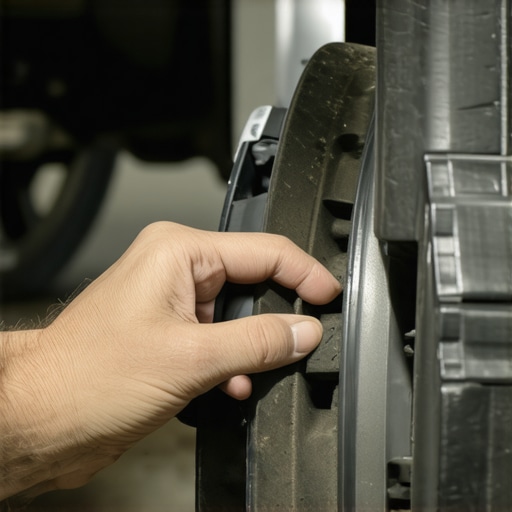
Adopt habits like avoiding riding the clutch pedal unnecessarily, especially on inclines or in traffic. Regularly inspecting clutch components during car service appointments ensures early detection. Proper care not only saves repair costs but also keeps your driving experience smooth and safe.
 Many car owners believe they understand the basics of tune-ups, car service, and transmission care, but let’s dig deeper into the nuanced truths that often go unnoticed. Contrary to popular belief, not all auto repairs are created equal, and some common practices can inadvertently cause more harm than good. For example, many assume that regular oil changes alone guarantee a long-lasting engine, but neglecting transmission health and drivetrain components can lead to costly failures, despite a shiny exterior. Experts emphasize that comprehensive vehicle diagnostics, rather than routine fixations on individual parts, help prevent unexpected breakdowns here. A sneaky trap many fall into is focusing solely on visible issues like worn tires or brake pads, while ignoring insidious problems such as unbalanced suspension or subtly failing sensors that affect overall safety and performance. Additionally, a common myth is that synthetic oils are always superior; however, in certain older engines, conventional oils with specific additives may actually perform better. Understanding these nuances can extend your vehicle’s lifespan and improve safety. For advanced enthusiasts asking, “What hidden signs should I monitor beyond basic maintenance to prevent transmission damage?” experts recommend paying close attention to subtle shifts in driveability, unusual noises, or erratic sensor readings, which can signal early transmission issues here. Remember, an overlooked detail like dirt accumulation on sensors or neglecting fluid quality can accelerate wear, leading to costly repairs—sometimes more than a simple tune-up. So, while routine services form the foundation of vehicle care, integrating advanced diagnostics and understanding these lesser-known nuances can truly save you money and time. Have you ever fallen into this trap? Let me know in the comments.
Investing in Reliable Equipment for Car Maintenance
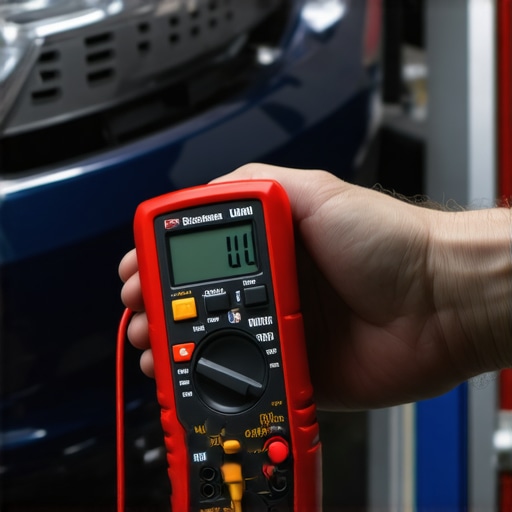
To ensure your vehicle remains dependable over the years, having the right tools is crucial. I personally swear by a high-quality digital multimeter like the Fluke 115. It’s precise, durable, and invaluable for diagnosing electrical issues such as faulty sensors or battery problems. Additionally, a good set of socket wrenches, like those from Snap-on, makes accessing hard-to-reach areas manageable and saves time during maintenance.
Another indispensable tool in my garage is a Bluetooth OBD-II scanner, such as the BlueDriver. It connects effortlessly to your smartphone, providing real-time data and diagnostic trouble codes, helping you identify issues before they escalate. I use it regularly during routine check-ups to monitor sensor readings and engine performance, which can prevent costly repairs down the line.
Utilizing Software and Diagnostic Methods Effectively
Beyond physical tools, software like Torque Pro offers detailed insights into your vehicle’s health. When used with a compatible Bluetooth scanner, it displays live data like RPM, coolant temperature, and fuel trim, enabling me to spot irregularities early. Regularly reviewing this data helps in making informed decisions about when to seek professional repairs or perform maintenance myself.
For transmission health, I recommend a comprehensive approach: checking fluid levels and quality regularly, and performing slip tests. In fact, a report by Collision Fixer highlights that unconventional signs like delayed shifting or faint whines may indicate emerging transmission issues, saving you from major overhaul costs.
Predicting Future Trends for Automotive Care
The automotive industry is rapidly advancing toward smarter, more integrated diagnostic systems. Expect to see AI-powered apps that monitor your vehicle’s health continuously, alerting you to problems before you notice symptoms. This proactive approach will make long-term maintenance more manageable and cost-effective, emphasizing the importance of tech-savvy tools in auto care.
How do I maintain auto repair tools and diagnostics over time without losing accuracy?
Regular calibration of electronic testers and software updates are essential. For example, keeping your OBD-II scanner’s firmware current ensures compatibility with the latest vehicle models and diagnostic protocols, as detailed in the technical notes from professional mechanics. Additionally, store your tools in a dry, organized space to prevent damage and deterioration, ensuring reliability when you need them most.
Remember, investing in quality equipment and honing your diagnostic skills can vastly improve your vehicle’s longevity. I encourage you to try out a comprehensive diagnostic app paired with an OBD-II scanner on your next tune-up; you’ll be surprised how much control and insight you can gain. For expert advice, don’t hesitate to contact a professional or visit here.